• Global Aerospace and Defense Materials Market to Reach USD 39.12 Billion by 2032

    Aerospace and defense materials such as composites, superalloys, and advanced aluminum alloys are critical for structural components, propulsion systems, and satellite manufacturing. The sector's shift toward fuel-efficient aircraft and space exploration technologies continues to push material innovation boundaries, particularly in heat-resistant and ultra-lightweight materials.

    Download FREE Sample Report:https://www.24chemicalresearch.com/download-sample/279023/global-aerospace-defense-materials-market-2024-497
    Global Aerospace and Defense Materials Market to Reach USD 39.12 Billion by 2032 Aerospace and defense materials such as composites, superalloys, and advanced aluminum alloys are critical for structural components, propulsion systems, and satellite manufacturing. The sector's shift toward fuel-efficient aircraft and space exploration technologies continues to push material innovation boundaries, particularly in heat-resistant and ultra-lightweight materials. Download FREE Sample Report:https://www.24chemicalresearch.com/download-sample/279023/global-aerospace-defense-materials-market-2024-497
    0 Комментарии 0 Поделились
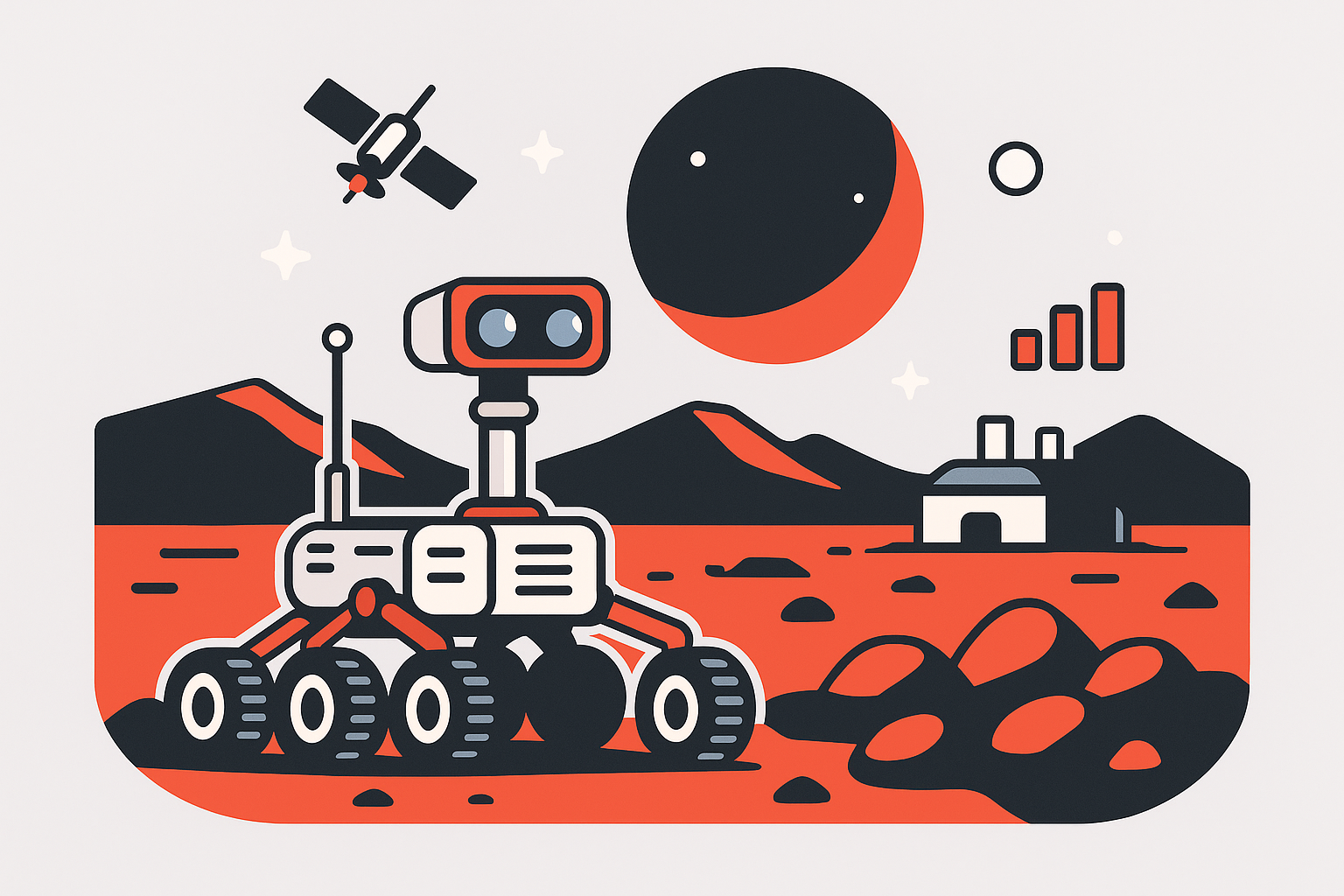
  • How is AI accelerating space exploration through autonomous robotics?

    Exploring space means venturing into the unknown—where human presence is limited, communication is delayed, and conditions are extreme. This is where AI-powered autonomous robotics becomes mission critical, enabling spacecraft, rovers, and satellites to think, adapt, and act without constant human control.
    🤖 From navigating Martian terrain to repairing satellites in orbit, AI-driven robotics is accelerating discoveries and reducing risks in the final frontier.
    🔍 𝐇𝐞𝐫𝐞’𝐬 𝐡𝐨𝐰 𝐀𝐈 𝐢𝐬 𝐫𝐞𝐬𝐡𝐚𝐩𝐢𝐧𝐠 𝐬𝐩𝐚𝐜𝐞 𝐞𝐱𝐩𝐥𝐨𝐫𝐚𝐭𝐢𝐨𝐧:
    ✅ 𝐀𝐮𝐭𝐨𝐧𝐨𝐦𝐨𝐮𝐬 𝐍𝐚𝐯𝐢𝐠𝐚𝐭𝐢𝐨𝐧
    Rovers on Mars and beyond use AI to map terrain, avoid obstacles, and chart safe paths—critical when signals from Earth take minutes to arrive.
    ✅ 𝐑𝐞𝐚𝐥-𝐓𝐢𝐦𝐞 𝐃𝐞𝐜𝐢𝐬𝐢𝐨𝐧-𝐌𝐚𝐤𝐢𝐧𝐠
    AI systems onboard spacecraft can analyze sensor data and make split-second adjustments—whether avoiding debris or adjusting trajectory.
    ✅ 𝐑𝐨𝐛𝐨𝐭𝐢𝐜 𝐀𝐬𝐬𝐢𝐬𝐭𝐚𝐧𝐭𝐬
    AI-driven robots support astronauts on the ISS and future lunar missions by managing tasks like equipment maintenance and environmental monitoring.
    ✅ 𝐏𝐥𝐚𝐧𝐞𝐭𝐚𝐫𝐲 𝐀𝐧𝐚𝐥𝐲𝐬𝐢𝐬
    Autonomous probes equipped with AI can analyze soil, atmosphere, and geological formations—sending back structured insights instead of raw data.
    ✅ 𝐒𝐚𝐭𝐞𝐥𝐥𝐢𝐭𝐞 𝐒𝐰𝐚𝐫𝐦𝐬
    AI coordinates constellations of satellites, enabling real-time Earth observation, deep space communication, and disaster monitoring.
    📌 𝐓𝐡𝐞 𝐁𝐢𝐠 𝐏𝐢𝐜𝐭𝐮𝐫𝐞:
    AI is turning space robotics into self-reliant explorers, pushing humanity further into the cosmos with greater safety, speed, and intelligence. The more we rely on autonomous AI in space, the closer we get to unlocking interplanetary exploration at scale.
    🔗 Read More: https://technologyaiinsights.com/
    📣 About AI Technology Insights (AITin):
    AI Technology Insights (AITin) is the fastest-growing global community of thought leaders, influencers, and researchers specializing in AI, Big Data, Analytics, Robotics, Cloud Computing, and related technologies. Through its platform, AITin offers valuable insights from industry executives and pioneers who share their journeys, expertise, success stories, and strategies for building profitable, forward-thinking businesses.

    📍 𝐀𝐝𝐝𝐫𝐞𝐬𝐬: 1846 E Innovation Park DR, Ste 100, Oro Valley, AZ 85755
    📧 𝐄𝐦𝐚𝐢𝐥: sales@intentamplify.com
    📲 𝐂𝐚𝐥𝐥: +1 (845) 347-8894

    How is AI accelerating space exploration through autonomous robotics? Exploring space means venturing into the unknown—where human presence is limited, communication is delayed, and conditions are extreme. This is where AI-powered autonomous robotics becomes mission critical, enabling spacecraft, rovers, and satellites to think, adapt, and act without constant human control. 🤖 From navigating Martian terrain to repairing satellites in orbit, AI-driven robotics is accelerating discoveries and reducing risks in the final frontier. 🔍 𝐇𝐞𝐫𝐞’𝐬 𝐡𝐨𝐰 𝐀𝐈 𝐢𝐬 𝐫𝐞𝐬𝐡𝐚𝐩𝐢𝐧𝐠 𝐬𝐩𝐚𝐜𝐞 𝐞𝐱𝐩𝐥𝐨𝐫𝐚𝐭𝐢𝐨𝐧: ✅ 𝐀𝐮𝐭𝐨𝐧𝐨𝐦𝐨𝐮𝐬 𝐍𝐚𝐯𝐢𝐠𝐚𝐭𝐢𝐨𝐧 Rovers on Mars and beyond use AI to map terrain, avoid obstacles, and chart safe paths—critical when signals from Earth take minutes to arrive. ✅ 𝐑𝐞𝐚𝐥-𝐓𝐢𝐦𝐞 𝐃𝐞𝐜𝐢𝐬𝐢𝐨𝐧-𝐌𝐚𝐤𝐢𝐧𝐠 AI systems onboard spacecraft can analyze sensor data and make split-second adjustments—whether avoiding debris or adjusting trajectory. ✅ 𝐑𝐨𝐛𝐨𝐭𝐢𝐜 𝐀𝐬𝐬𝐢𝐬𝐭𝐚𝐧𝐭𝐬 AI-driven robots support astronauts on the ISS and future lunar missions by managing tasks like equipment maintenance and environmental monitoring. ✅ 𝐏𝐥𝐚𝐧𝐞𝐭𝐚𝐫𝐲 𝐀𝐧𝐚𝐥𝐲𝐬𝐢𝐬 Autonomous probes equipped with AI can analyze soil, atmosphere, and geological formations—sending back structured insights instead of raw data. ✅ 𝐒𝐚𝐭𝐞𝐥𝐥𝐢𝐭𝐞 𝐒𝐰𝐚𝐫𝐦𝐬 AI coordinates constellations of satellites, enabling real-time Earth observation, deep space communication, and disaster monitoring. 📌 𝐓𝐡𝐞 𝐁𝐢𝐠 𝐏𝐢𝐜𝐭𝐮𝐫𝐞: AI is turning space robotics into self-reliant explorers, pushing humanity further into the cosmos with greater safety, speed, and intelligence. The more we rely on autonomous AI in space, the closer we get to unlocking interplanetary exploration at scale. 🔗 Read More: https://technologyaiinsights.com/ 📣 About AI Technology Insights (AITin): AI Technology Insights (AITin) is the fastest-growing global community of thought leaders, influencers, and researchers specializing in AI, Big Data, Analytics, Robotics, Cloud Computing, and related technologies. Through its platform, AITin offers valuable insights from industry executives and pioneers who share their journeys, expertise, success stories, and strategies for building profitable, forward-thinking businesses. 📍 𝐀𝐝𝐝𝐫𝐞𝐬𝐬: 1846 E Innovation Park DR, Ste 100, Oro Valley, AZ 85755 📧 𝐄𝐦𝐚𝐢𝐥: sales@intentamplify.com 📲 𝐂𝐚𝐥𝐥: +1 (845) 347-8894
    0 Комментарии 0 Поделились
  • AI for Space Exploration: Autonomous Robotics and Planetary Analysis

    Exploring space is one of humanity’s boldest frontiers—and AI is quickly becoming the co-pilot we can’t do without. From autonomous rovers on Mars to AI-powered satellites orbiting Earth, intelligent systems are redefining how we discover, analyze, and survive in the cosmos.
    🚀 With long communication delays and unpredictable terrain, space demands machines that can think, adapt, and act independently. That’s where AI-driven robotics and planetary analysis come in.
    🔍 𝐇𝐞𝐫𝐞’𝐬 𝐡𝐨𝐰 𝐀𝐈 𝐢𝐬 𝐩𝐫𝐨𝐩𝐞𝐥𝐥𝐢𝐧𝐠 𝐬𝐩𝐚𝐜𝐞 𝐞𝐱𝐩𝐥𝐨𝐫𝐚𝐭𝐢𝐨𝐧:
    ✅ 𝐀𝐮𝐭𝐨𝐧𝐨𝐦𝐨𝐮𝐬 𝐑𝐨𝐯𝐞𝐫𝐬 & 𝐃𝐫𝐨𝐧𝐞𝐬
    AI enables machines like NASA’s Perseverance rover or Ingenuity helicopter to navigate rocky terrain, avoid hazards, and make mission-critical decisions without waiting for Earth commands.
    ✅ 𝐒𝐦𝐚𝐫𝐭 𝐏𝐥𝐚𝐧𝐞𝐭𝐚𝐫𝐲 𝐀𝐧𝐚𝐥𝐲𝐬𝐢𝐬
    AI algorithms process massive datasets from telescopes, landers, and satellites—detecting mineral compositions, water traces, and geological patterns far faster than humans could.
    ✅ 𝐑𝐞𝐚𝐥-𝐓𝐢𝐦𝐞 𝐏𝐫𝐨𝐛𝐥𝐞𝐦-𝐒𝐨𝐥𝐯𝐢𝐧𝐠
    When unexpected issues arise—like dust storms or hardware malfunctions—AI helps spacecraft troubleshoot autonomously, extending mission lifespans.
    ✅ 𝐒𝐩𝐚𝐜𝐞 𝐇𝐚𝐛𝐢𝐭𝐚𝐭 𝐒𝐮𝐩𝐩𝐨𝐫𝐭
    AI monitors life-support systems, energy use, and astronaut health, ensuring sustainability for long-duration missions to the Moon, Mars, and beyond.
    ✅ 𝐄𝐱𝐩𝐥𝐨𝐫𝐢𝐧𝐠 𝐁𝐞𝐲𝐨𝐧𝐝 𝐨𝐮𝐫 𝐒𝐲𝐬𝐭𝐞𝐦
    AI-enhanced telescopes and probes scan exoplanets, searching for habitable worlds and signs of life—bringing us closer to answering cosmic questions.
    📌 𝐓𝐡𝐞 𝐁𝐢𝐠 𝐏𝐢𝐜𝐭𝐮𝐫𝐞:
    AI is no longer just assisting space missions—it’s becoming the backbone of exploration. By blending robotics, autonomy, and planetary analytics, AI is helping us unlock the secrets of the universe faster, safer, and smarter.
    🔗 Read More: https://technologyaiinsights.com/
    📣 About AI Technology Insights (AITin):
    AI Technology Insights (AITin) is the fastest-growing global community of thought leaders, influencers, and researchers specializing in AI, Big Data, Analytics, Robotics, Cloud Computing, and related technologies. Through its platform, AITin offers valuable insights from industry executives and pioneers who share their journeys, expertise, success stories, and strategies for building profitable, forward-thinking businesses.

    📍 𝐀𝐝𝐝𝐫𝐞𝐬𝐬: 1846 E Innovation Park DR, Ste 100, Oro Valley, AZ 85755
    📧 𝐄𝐦𝐚𝐢𝐥: sales@intentamplify.com
    📲 𝐂𝐚𝐥𝐥: +1 (845) 347-8894

    AI for Space Exploration: Autonomous Robotics and Planetary Analysis Exploring space is one of humanity’s boldest frontiers—and AI is quickly becoming the co-pilot we can’t do without. From autonomous rovers on Mars to AI-powered satellites orbiting Earth, intelligent systems are redefining how we discover, analyze, and survive in the cosmos. 🚀 With long communication delays and unpredictable terrain, space demands machines that can think, adapt, and act independently. That’s where AI-driven robotics and planetary analysis come in. 🔍 𝐇𝐞𝐫𝐞’𝐬 𝐡𝐨𝐰 𝐀𝐈 𝐢𝐬 𝐩𝐫𝐨𝐩𝐞𝐥𝐥𝐢𝐧𝐠 𝐬𝐩𝐚𝐜𝐞 𝐞𝐱𝐩𝐥𝐨𝐫𝐚𝐭𝐢𝐨𝐧: ✅ 𝐀𝐮𝐭𝐨𝐧𝐨𝐦𝐨𝐮𝐬 𝐑𝐨𝐯𝐞𝐫𝐬 & 𝐃𝐫𝐨𝐧𝐞𝐬 AI enables machines like NASA’s Perseverance rover or Ingenuity helicopter to navigate rocky terrain, avoid hazards, and make mission-critical decisions without waiting for Earth commands. ✅ 𝐒𝐦𝐚𝐫𝐭 𝐏𝐥𝐚𝐧𝐞𝐭𝐚𝐫𝐲 𝐀𝐧𝐚𝐥𝐲𝐬𝐢𝐬 AI algorithms process massive datasets from telescopes, landers, and satellites—detecting mineral compositions, water traces, and geological patterns far faster than humans could. ✅ 𝐑𝐞𝐚𝐥-𝐓𝐢𝐦𝐞 𝐏𝐫𝐨𝐛𝐥𝐞𝐦-𝐒𝐨𝐥𝐯𝐢𝐧𝐠 When unexpected issues arise—like dust storms or hardware malfunctions—AI helps spacecraft troubleshoot autonomously, extending mission lifespans. ✅ 𝐒𝐩𝐚𝐜𝐞 𝐇𝐚𝐛𝐢𝐭𝐚𝐭 𝐒𝐮𝐩𝐩𝐨𝐫𝐭 AI monitors life-support systems, energy use, and astronaut health, ensuring sustainability for long-duration missions to the Moon, Mars, and beyond. ✅ 𝐄𝐱𝐩𝐥𝐨𝐫𝐢𝐧𝐠 𝐁𝐞𝐲𝐨𝐧𝐝 𝐨𝐮𝐫 𝐒𝐲𝐬𝐭𝐞𝐦 AI-enhanced telescopes and probes scan exoplanets, searching for habitable worlds and signs of life—bringing us closer to answering cosmic questions. 📌 𝐓𝐡𝐞 𝐁𝐢𝐠 𝐏𝐢𝐜𝐭𝐮𝐫𝐞: AI is no longer just assisting space missions—it’s becoming the backbone of exploration. By blending robotics, autonomy, and planetary analytics, AI is helping us unlock the secrets of the universe faster, safer, and smarter. 🔗 Read More: https://technologyaiinsights.com/ 📣 About AI Technology Insights (AITin): AI Technology Insights (AITin) is the fastest-growing global community of thought leaders, influencers, and researchers specializing in AI, Big Data, Analytics, Robotics, Cloud Computing, and related technologies. Through its platform, AITin offers valuable insights from industry executives and pioneers who share their journeys, expertise, success stories, and strategies for building profitable, forward-thinking businesses. 📍 𝐀𝐝𝐝𝐫𝐞𝐬𝐬: 1846 E Innovation Park DR, Ste 100, Oro Valley, AZ 85755 📧 𝐄𝐦𝐚𝐢𝐥: sales@intentamplify.com 📲 𝐂𝐚𝐥𝐥: +1 (845) 347-8894
    0 Комментарии 0 Поделились
  • Navigating the Skies: Growth Trajectory of the Aerospace PCB Market

    Introduction
    The Aerospace Printed Circuit Board (PCB) Market is growing exponentially with the driving forces being technological advancement, growing need for lighter-weight avionics, and increased demands for safety, performance, and robustness. With aerospace systems becoming increasingly autonomous, networked, and electrified, PCBs, sometimes called the "nervous system" of electronic assemblies, are proving to be crucial to the new aviation ecosystem.

    Whether deployed in satellite communications modules, cockpit instrumentation, defense radar systems, or unmanned aerial vehicles (UAVs), aerospace PCBs are being designed to be more complex, more heat resistant, and to perform longer lifecycles.

    Aerospace PCB Market Dynamics
    The market is in dynamic change, fueled by materials innovation, expanded aircraft production, and the spread of aerospace electronics. As commercial and defense aviation, satellite launches, and electric vertical take-off and landing (eVTOL) systems expand, the need for high-performance and miniaturized PCBs has hit an all-time high.

    Sophisticated signal routing, electromagnetic interference (EMI) shielding, and thermal reliability in harsh conditions are forcing R&D investment into high-density interconnect (HDI), flex-rigid, and metal-core PCBs that are specifically designed for aerospace conditions.

    Aerospace PCB Market Growth Drivers
    Growth of Sophisticated Avionics
    Accelerating digitalization of aircraft—fly-by-wire systems, digital cockpits, radar modules, and flight management systems—is generating exponential demand for high-speed, reliable PCBs.

    Miniaturization & Lightweighting
    Spacecraft and drones need small, light, and multi-layer PCBs to facilitate fuel efficiency and payload optimization without sacrificing performance.

    Defense Modernization Programs
    Global governments are spending money on advanced aerospace and defense systems, making ruggedized PCBs applied in missile guidance systems, surveillance planes, and secure communication networks more necessary.

    Commercial Space Exploration
    With new private space operators and satellite constellations, PCBs in the forms of satellite controls, propulsion units, and thermal management systems are being increasingly demanded.

    Material Innovation
    High-temperature laminates, ceramic-filled PTFE, polyimide substrates, and aluminum-backed PCBs are becoming popular due to their high dielectric performance and heat dissipation capability.

    Aerospace PCB Market Challenges & Restraints
    Extreme Reliability Requirements
    Failure is not acceptable in the aerospace industry. Companies have to comply with MIL-spec, IPC Class 3, and strict aerospace certifications, which increases production time and cost.

    Application & Demographic Trends
    Market is divided across:

    Commercial Aviation – Avionics, In-Flight Entertainment (IFE), flight data recorders.

    Defense Aviation – Radar, drones, mission computers, electronic warfare systems.

    Spacecraft & Satellites – Telemetry, navigation, and command-and-control systems.

    UAVs and eVTOLs – Autopilot controllers, propulsion systems, sensor integration.

    North America dominates the international Aerospace PCB market, supported by the presence of NASA, Boeing, and Lockheed Martin. Nevertheless, Asia-Pacific is quickly growing with rising defense expenditures and the development of local aerospace initiatives in India and China.

    Aerospace PCB Market Leading Players and Innovations
    TTM Technologies, Inc.
    A high-reliability PCB market leader, TTM provides mission-critical radar, avionics, and space-grade boards with Class 3/A IPC certification.

    Nortech Systems Inc.
    Specializes in high-complexity interconnect solutions for aerospace electronics, such as EMI shielding and RF/microwave board assembly.

    Millennium Circuits Limited (MCL)
    Specializes in defense-grade rigid-flex and multilayer PCBs for high-vibration and high-temperature environments.

    Conclusion
    As aerospace platforms get smarter, autonomous, and electric, the Aerospace PCB Market is going to take flight on innovation. With tough regulatory compliance and intricate environmental requirements, PCB makers are stretching the limits with materials, design, and ruggedness. From orbiting spacecraft to supersonic fighter aircraft, aerospace-grade circuit boards are the pillars of secure, efficient, and advanced flight systems. The future promises enormous opportunities for those who can balance precision engineering, quality compliance, and supply chain robustness.

    Navigating the Skies: Growth Trajectory of the Aerospace PCB Market Introduction The Aerospace Printed Circuit Board (PCB) Market is growing exponentially with the driving forces being technological advancement, growing need for lighter-weight avionics, and increased demands for safety, performance, and robustness. With aerospace systems becoming increasingly autonomous, networked, and electrified, PCBs, sometimes called the "nervous system" of electronic assemblies, are proving to be crucial to the new aviation ecosystem. Whether deployed in satellite communications modules, cockpit instrumentation, defense radar systems, or unmanned aerial vehicles (UAVs), aerospace PCBs are being designed to be more complex, more heat resistant, and to perform longer lifecycles. Aerospace PCB Market Dynamics The market is in dynamic change, fueled by materials innovation, expanded aircraft production, and the spread of aerospace electronics. As commercial and defense aviation, satellite launches, and electric vertical take-off and landing (eVTOL) systems expand, the need for high-performance and miniaturized PCBs has hit an all-time high. Sophisticated signal routing, electromagnetic interference (EMI) shielding, and thermal reliability in harsh conditions are forcing R&D investment into high-density interconnect (HDI), flex-rigid, and metal-core PCBs that are specifically designed for aerospace conditions. Aerospace PCB Market Growth Drivers Growth of Sophisticated Avionics Accelerating digitalization of aircraft—fly-by-wire systems, digital cockpits, radar modules, and flight management systems—is generating exponential demand for high-speed, reliable PCBs. Miniaturization & Lightweighting Spacecraft and drones need small, light, and multi-layer PCBs to facilitate fuel efficiency and payload optimization without sacrificing performance. Defense Modernization Programs Global governments are spending money on advanced aerospace and defense systems, making ruggedized PCBs applied in missile guidance systems, surveillance planes, and secure communication networks more necessary. Commercial Space Exploration With new private space operators and satellite constellations, PCBs in the forms of satellite controls, propulsion units, and thermal management systems are being increasingly demanded. Material Innovation High-temperature laminates, ceramic-filled PTFE, polyimide substrates, and aluminum-backed PCBs are becoming popular due to their high dielectric performance and heat dissipation capability. Aerospace PCB Market Challenges & Restraints Extreme Reliability Requirements Failure is not acceptable in the aerospace industry. Companies have to comply with MIL-spec, IPC Class 3, and strict aerospace certifications, which increases production time and cost. Application & Demographic Trends Market is divided across: Commercial Aviation – Avionics, In-Flight Entertainment (IFE), flight data recorders. Defense Aviation – Radar, drones, mission computers, electronic warfare systems. Spacecraft & Satellites – Telemetry, navigation, and command-and-control systems. UAVs and eVTOLs – Autopilot controllers, propulsion systems, sensor integration. North America dominates the international Aerospace PCB market, supported by the presence of NASA, Boeing, and Lockheed Martin. Nevertheless, Asia-Pacific is quickly growing with rising defense expenditures and the development of local aerospace initiatives in India and China. Aerospace PCB Market Leading Players and Innovations TTM Technologies, Inc. A high-reliability PCB market leader, TTM provides mission-critical radar, avionics, and space-grade boards with Class 3/A IPC certification. Nortech Systems Inc. Specializes in high-complexity interconnect solutions for aerospace electronics, such as EMI shielding and RF/microwave board assembly. Millennium Circuits Limited (MCL) Specializes in defense-grade rigid-flex and multilayer PCBs for high-vibration and high-temperature environments. Conclusion As aerospace platforms get smarter, autonomous, and electric, the Aerospace PCB Market is going to take flight on innovation. With tough regulatory compliance and intricate environmental requirements, PCB makers are stretching the limits with materials, design, and ruggedness. From orbiting spacecraft to supersonic fighter aircraft, aerospace-grade circuit boards are the pillars of secure, efficient, and advanced flight systems. The future promises enormous opportunities for those who can balance precision engineering, quality compliance, and supply chain robustness.
    0 Комментарии 0 Поделились
Нет данных для отображения