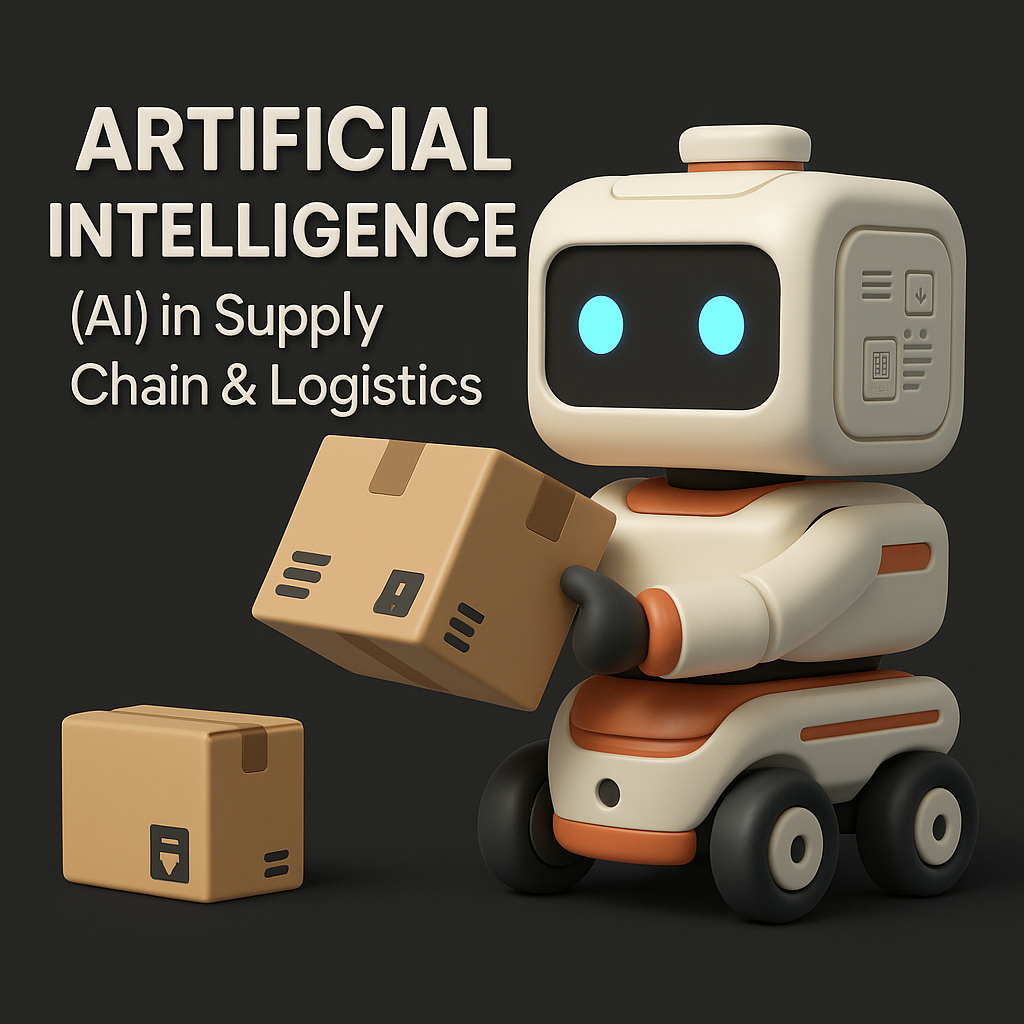
When will AI bots start managing entire B2B nurture sequences autonomously?
The B2B marketing landscape is evolving faster than ever. What once took teams of marketers, data analysts, and SDRs is now being streamlined by AI-powered automation. But a new frontier is emerging — one where AI bots don’t just assist in lead nurturing; they manage the entire process autonomously.
So the real question isn’t if this will happen — it’s when.
1. The Evolution Toward Full Autonomy
Today, most B2B nurture sequences rely on human-defined workflows: marketers set triggers, schedule follow-ups, and manually adjust campaigns. AI already assists with optimization — analyzing performance, personalizing emails, or predicting conversion points.
But we’re now entering the next phase: autonomous nurture orchestration, where AI bots:
• Identify leads from multiple data sources
• Craft tailored, multi-touch messages
• Choose the best communication channels (email, LinkedIn, chat, ads)
• Adjust timing and tone based on engagement behavior
• Hand off high-intent leads to sales — automatically
This is no longer science fiction — it’s the logical progression of current AI capabilities.
2. The Building Blocks Are Already Here
a. Predictive Lead Scoring
AI models are now sophisticated enough to rank leads dynamically based on real-time behavior and historical data. They understand who’s most likely to convert before a human ever looks at the CRM.
b. Generative Personalization
Large Language Models (LLMs) like GPT-5 can generate customized messages for each lead — reflecting tone, industry, and buyer stage — without sounding robotic. This means every prospect can receive content that feels written just for them.
c. Multi-Channel Automation
AI tools can already synchronize messages across email, social, and in-app platforms. In 2025, we’re seeing early versions of AI-driven campaign managers that autonomously test variations, adjust messaging frequency, and route prospects between channels based on engagement.
d. Adaptive Learning Systems
Machine learning enables AI to analyze campaign outcomes and continuously improve its decisions — fine-tuning subject lines, sequencing order, and even budget allocation without human intervention.
3. The Timeline: From Assisted to Autonomous
• 2024–2025: AI copilots (like HubSpot AI and Salesforce Einstein) assist marketers by suggesting nurture flows, writing content, and analyzing engagement data.
• 2026–2027: Advanced AI agents begin autonomously managing low-risk nurture campaigns — small-scale experiments with limited oversight.
• 2028 and Beyond: Full-scale autonomous systems emerge, capable of managing complex, multi-channel nurture programs end-to-end — including lead segmentation, A/B testing, and real-time optimization.
By the end of the decade, human marketers will act more as strategic overseers — defining brand voice, ethics, and high-level goals — while AI bots handle execution, personalization, and performance tuning at scale.
4. What Still Needs to Happen
• Trust & Transparency: Marketers must ensure AI-driven communication remains authentic, accurate, and compliant with brand guidelines.
• Integration Across Stacks: Seamless interoperability between CRMs, automation platforms, and AI systems is crucial.
• Human Oversight in Key Moments: While AI can nurture, humans still close — emotional intelligence and strategic creativity remain irreplaceable.
The Bottom Line
AI bots managing entire B2B nurture sequences autonomously isn’t a distant dream — it’s a 5-year reality. The pieces are already in place: predictive analytics, generative personalization, and self-learning algorithms.
Soon, “set and forget” won’t mean automated email drips — it’ll mean a fully autonomous AI marketer that can discover, engage, and qualify leads while your team focuses on strategy, creativity, and relationships.
The future of B2B nurturing isn’t about working harder — it’s about letting AI work smarter.
Read More: https://intentamplify.com/lead-generation/
The B2B marketing landscape is evolving faster than ever. What once took teams of marketers, data analysts, and SDRs is now being streamlined by AI-powered automation. But a new frontier is emerging — one where AI bots don’t just assist in lead nurturing; they manage the entire process autonomously.
So the real question isn’t if this will happen — it’s when.
1. The Evolution Toward Full Autonomy
Today, most B2B nurture sequences rely on human-defined workflows: marketers set triggers, schedule follow-ups, and manually adjust campaigns. AI already assists with optimization — analyzing performance, personalizing emails, or predicting conversion points.
But we’re now entering the next phase: autonomous nurture orchestration, where AI bots:
• Identify leads from multiple data sources
• Craft tailored, multi-touch messages
• Choose the best communication channels (email, LinkedIn, chat, ads)
• Adjust timing and tone based on engagement behavior
• Hand off high-intent leads to sales — automatically
This is no longer science fiction — it’s the logical progression of current AI capabilities.
2. The Building Blocks Are Already Here
a. Predictive Lead Scoring
AI models are now sophisticated enough to rank leads dynamically based on real-time behavior and historical data. They understand who’s most likely to convert before a human ever looks at the CRM.
b. Generative Personalization
Large Language Models (LLMs) like GPT-5 can generate customized messages for each lead — reflecting tone, industry, and buyer stage — without sounding robotic. This means every prospect can receive content that feels written just for them.
c. Multi-Channel Automation
AI tools can already synchronize messages across email, social, and in-app platforms. In 2025, we’re seeing early versions of AI-driven campaign managers that autonomously test variations, adjust messaging frequency, and route prospects between channels based on engagement.
d. Adaptive Learning Systems
Machine learning enables AI to analyze campaign outcomes and continuously improve its decisions — fine-tuning subject lines, sequencing order, and even budget allocation without human intervention.
3. The Timeline: From Assisted to Autonomous
• 2024–2025: AI copilots (like HubSpot AI and Salesforce Einstein) assist marketers by suggesting nurture flows, writing content, and analyzing engagement data.
• 2026–2027: Advanced AI agents begin autonomously managing low-risk nurture campaigns — small-scale experiments with limited oversight.
• 2028 and Beyond: Full-scale autonomous systems emerge, capable of managing complex, multi-channel nurture programs end-to-end — including lead segmentation, A/B testing, and real-time optimization.
By the end of the decade, human marketers will act more as strategic overseers — defining brand voice, ethics, and high-level goals — while AI bots handle execution, personalization, and performance tuning at scale.
4. What Still Needs to Happen
• Trust & Transparency: Marketers must ensure AI-driven communication remains authentic, accurate, and compliant with brand guidelines.
• Integration Across Stacks: Seamless interoperability between CRMs, automation platforms, and AI systems is crucial.
• Human Oversight in Key Moments: While AI can nurture, humans still close — emotional intelligence and strategic creativity remain irreplaceable.
The Bottom Line
AI bots managing entire B2B nurture sequences autonomously isn’t a distant dream — it’s a 5-year reality. The pieces are already in place: predictive analytics, generative personalization, and self-learning algorithms.
Soon, “set and forget” won’t mean automated email drips — it’ll mean a fully autonomous AI marketer that can discover, engage, and qualify leads while your team focuses on strategy, creativity, and relationships.
The future of B2B nurturing isn’t about working harder — it’s about letting AI work smarter.
Read More: https://intentamplify.com/lead-generation/
When will AI bots start managing entire B2B nurture sequences autonomously?
The B2B marketing landscape is evolving faster than ever. What once took teams of marketers, data analysts, and SDRs is now being streamlined by AI-powered automation. But a new frontier is emerging — one where AI bots don’t just assist in lead nurturing; they manage the entire process autonomously.
So the real question isn’t if this will happen — it’s when.
1. The Evolution Toward Full Autonomy
Today, most B2B nurture sequences rely on human-defined workflows: marketers set triggers, schedule follow-ups, and manually adjust campaigns. AI already assists with optimization — analyzing performance, personalizing emails, or predicting conversion points.
But we’re now entering the next phase: autonomous nurture orchestration, where AI bots:
• Identify leads from multiple data sources
• Craft tailored, multi-touch messages
• Choose the best communication channels (email, LinkedIn, chat, ads)
• Adjust timing and tone based on engagement behavior
• Hand off high-intent leads to sales — automatically
This is no longer science fiction — it’s the logical progression of current AI capabilities.
2. The Building Blocks Are Already Here
a. Predictive Lead Scoring
AI models are now sophisticated enough to rank leads dynamically based on real-time behavior and historical data. They understand who’s most likely to convert before a human ever looks at the CRM.
b. Generative Personalization
Large Language Models (LLMs) like GPT-5 can generate customized messages for each lead — reflecting tone, industry, and buyer stage — without sounding robotic. This means every prospect can receive content that feels written just for them.
c. Multi-Channel Automation
AI tools can already synchronize messages across email, social, and in-app platforms. In 2025, we’re seeing early versions of AI-driven campaign managers that autonomously test variations, adjust messaging frequency, and route prospects between channels based on engagement.
d. Adaptive Learning Systems
Machine learning enables AI to analyze campaign outcomes and continuously improve its decisions — fine-tuning subject lines, sequencing order, and even budget allocation without human intervention.
3. The Timeline: From Assisted to Autonomous
• 2024–2025: AI copilots (like HubSpot AI and Salesforce Einstein) assist marketers by suggesting nurture flows, writing content, and analyzing engagement data.
• 2026–2027: Advanced AI agents begin autonomously managing low-risk nurture campaigns — small-scale experiments with limited oversight.
• 2028 and Beyond: Full-scale autonomous systems emerge, capable of managing complex, multi-channel nurture programs end-to-end — including lead segmentation, A/B testing, and real-time optimization.
By the end of the decade, human marketers will act more as strategic overseers — defining brand voice, ethics, and high-level goals — while AI bots handle execution, personalization, and performance tuning at scale.
4. What Still Needs to Happen
• Trust & Transparency: Marketers must ensure AI-driven communication remains authentic, accurate, and compliant with brand guidelines.
• Integration Across Stacks: Seamless interoperability between CRMs, automation platforms, and AI systems is crucial.
• Human Oversight in Key Moments: While AI can nurture, humans still close — emotional intelligence and strategic creativity remain irreplaceable.
The Bottom Line
AI bots managing entire B2B nurture sequences autonomously isn’t a distant dream — it’s a 5-year reality. The pieces are already in place: predictive analytics, generative personalization, and self-learning algorithms.
Soon, “set and forget” won’t mean automated email drips — it’ll mean a fully autonomous AI marketer that can discover, engage, and qualify leads while your team focuses on strategy, creativity, and relationships.
The future of B2B nurturing isn’t about working harder — it’s about letting AI work smarter.
Read More: https://intentamplify.com/lead-generation/
0 Комментарии
0 Поделились