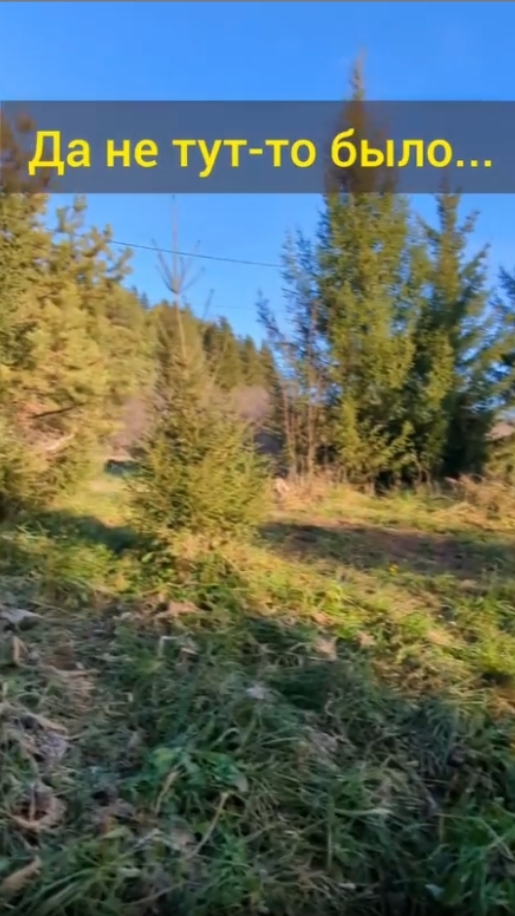
На сегодня дел полно, а мы за котиками бегаем ☺
Дорогие друзья, на сегодня у нас в планах два важных дела - поездка Персика ко врачу и покупка гречи.
У Персика закончился курс антибиотика, но прекращать без ведома врачей не рискуем потому что если пропишет продолжать то у нас окажется перерыв что нельзя допустить. Врач посмотрит состояние его глаз и решит - продолжать или нет или пропишет что то еще. Напоминаем - у Персика мутнели глаза, сейчас нам кажется что они полностью прочистились, однако его ранее поставленный диагноз нас очень беспокоеи ибо никогда не встречались с таким.
И нужна помощь в покупке гречи, хорошо бы и риса тоже. К сожалению, поступлений приходит не много и покупаем по мере возможности.
Пожалуйста, помогайте нам содержать, лечить, кормить тех кого когда то мы с Вами вместе спасли из сложных жизненных ситуаций и у кого до сих пор кроме нас с Вами нет! А у нас даже репостов мало!
Самые важные нужности для собак сено и ПГС мы закупили, приглашаем помогать обустраивать и утеплять жилища у собак. А еще, благодаря Вашей помощи мы смогли оплатить электричество.
Спасибо вам огромное! Самим нам было бы не справиться! Несчастных животных меньше не становится, а нас все так же двое на 47 собачьих хвостов.
Все вопросы и предложения:
• Лена 8 (912) 485‑64‑95
• Миша 8 (902) 805‑97‑80 (лучше вечером).
Помощь животным:
Посылки животным на Яндекс Маркете г.Краснокамск ул.Энтузиастов,7,
на Озоне село Чёрная, Северная улица, 6,
на Валдберис село Чёрная, Совхозная Улица 27.
Озон-банк 2204 3209 1118 0331 Елена Витальевна К. прикреп. к тлф 89124856495
Сбербанк 2202 2039 8906 7287 Елена Витальевна К.
Альфа-банк 2200 1509 2234 6710 Любовь Вячеславовна К. прикреп. к тлф 89194556276
На сегодня дел полно, а мы за котиками бегаем ☺
Дорогие друзья, на сегодня у нас в планах два важных дела - поездка Персика ко врачу и покупка гречи.
У Персика закончился курс антибиотика, но прекращать без ведома врачей не рискуем потому что если пропишет продолжать то у нас окажется перерыв что нельзя допустить. Врач посмотрит состояние его глаз и решит - продолжать или нет или пропишет что то еще. Напоминаем - у Персика мутнели глаза, сейчас нам кажется что они полностью прочистились, однако его ранее поставленный диагноз нас очень беспокоеи ибо никогда не встречались с таким.
И нужна помощь в покупке гречи, хорошо бы и риса тоже. К сожалению, поступлений приходит не много и покупаем по мере возможности.
Пожалуйста, помогайте нам содержать, лечить, кормить тех кого когда то мы с Вами вместе спасли из сложных жизненных ситуаций и у кого до сих пор кроме нас с Вами нет! А у нас даже репостов мало!
Самые важные нужности для собак сено и ПГС мы закупили, приглашаем помогать обустраивать и утеплять жилища у собак. А еще, благодаря Вашей помощи мы смогли оплатить электричество.
Спасибо вам огромное! Самим нам было бы не справиться! Несчастных животных меньше не становится, а нас все так же двое на 47 собачьих хвостов.
Все вопросы и предложения:
• Лена 8 (912) 485‑64‑95
• Миша 8 (902) 805‑97‑80 (лучше вечером).
Помощь животным:
Посылки животным на Яндекс Маркете г.Краснокамск ул.Энтузиастов,7,
на Озоне село Чёрная, Северная улица, 6,
на Валдберис село Чёрная, Совхозная Улица 27.
Озон-банк 2204 3209 1118 0331 Елена Витальевна К. прикреп. к тлф 89124856495
Сбербанк 2202 2039 8906 7287 Елена Витальевна К.
Альфа-банк 2200 1509 2234 6710 Любовь Вячеславовна К. прикреп. к тлф 89194556276