• B2B Marketing Automation: What It Is in 2025
    B2B Marketing Automation: What It Is in 2025 reflects how far digital marketing has evolved in response to complex buyer journeys, data-driven decision-making, and rising expectations for personalization. In 2025, marketing automation is no longer just about sending scheduled emails—it is a strategic system that aligns marketing, sales, and customer experience through intelligent technology.

    1. Definition of B2B Marketing Automation in 2025
    B2B marketing automation in 2025 refers to the use of AI-powered platforms and integrated tools to manage, personalize, and optimize marketing activities across multiple channels.
    It automates repetitive tasks while using real-time data and predictive analytics to deliver relevant content, nurture leads, and support revenue growth throughout the buyer lifecycle.

    2. AI-Driven Personalization at Scale
    Modern B2B buyers expect tailored experiences.
    In 2025, marketing automation platforms leverage artificial intelligence to analyze behavior, intent data, and engagement patterns. This allows marketers to deliver highly personalized messaging across email, websites, social media, and paid channels—without manual effort.

    3. Omnichannel Campaign Orchestration
    B2B marketing automation is no longer limited to email campaigns.
    Today’s platforms coordinate messaging across multiple touchpoints, including websites, webinars, mobile, CRM systems, and sales outreach. This ensures consistent and timely communication at every stage of the buyer journey.

    4. Advanced Lead Scoring and Nurturing
    In 2025, lead scoring is dynamic and predictive rather than static.
    Automation systems continuously update lead scores based on behavior, engagement, and intent signals. This helps sales teams focus on high-quality prospects while marketing automation nurtures leads with relevant content until they are ready to convert.

    5. Stronger Sales and Marketing Alignment
    B2B marketing automation now plays a central role in aligning marketing and sales teams.
    Shared dashboards, real-time alerts, and CRM integration ensure both teams have a unified view of prospects, enabling faster follow-ups and more effective conversations.

    6. Data Privacy and Compliance Built In
    With stricter data privacy regulations, automation platforms in 2025 are designed with compliance in mind.
    Consent management, secure data handling, and transparent data usage are now standard features, helping businesses build trust while maintaining regulatory compliance.


    Conclusion
    B2B Marketing Automation: What It Is in 2025 represents a shift from task-based automation to intelligent, customer-centric systems. By combining AI, data, and omnichannel execution, marketing automation has become essential for scaling B2B growth, improving efficiency, and delivering meaningful buyer experiences in a competitive digital landscape.

    know more.

    Hashtags
    #B2BMarketing
    #MarketingAutomation
    #DigitalMarketing2025
    #MarTech
    #AIinMarketing
    B2B Marketing Automation: What It Is in 2025 B2B Marketing Automation: What It Is in 2025 reflects how far digital marketing has evolved in response to complex buyer journeys, data-driven decision-making, and rising expectations for personalization. In 2025, marketing automation is no longer just about sending scheduled emails—it is a strategic system that aligns marketing, sales, and customer experience through intelligent technology. 1. Definition of B2B Marketing Automation in 2025 B2B marketing automation in 2025 refers to the use of AI-powered platforms and integrated tools to manage, personalize, and optimize marketing activities across multiple channels. It automates repetitive tasks while using real-time data and predictive analytics to deliver relevant content, nurture leads, and support revenue growth throughout the buyer lifecycle. 2. AI-Driven Personalization at Scale Modern B2B buyers expect tailored experiences. In 2025, marketing automation platforms leverage artificial intelligence to analyze behavior, intent data, and engagement patterns. This allows marketers to deliver highly personalized messaging across email, websites, social media, and paid channels—without manual effort. 3. Omnichannel Campaign Orchestration B2B marketing automation is no longer limited to email campaigns. Today’s platforms coordinate messaging across multiple touchpoints, including websites, webinars, mobile, CRM systems, and sales outreach. This ensures consistent and timely communication at every stage of the buyer journey. 4. Advanced Lead Scoring and Nurturing In 2025, lead scoring is dynamic and predictive rather than static. Automation systems continuously update lead scores based on behavior, engagement, and intent signals. This helps sales teams focus on high-quality prospects while marketing automation nurtures leads with relevant content until they are ready to convert. 5. Stronger Sales and Marketing Alignment B2B marketing automation now plays a central role in aligning marketing and sales teams. Shared dashboards, real-time alerts, and CRM integration ensure both teams have a unified view of prospects, enabling faster follow-ups and more effective conversations. 6. Data Privacy and Compliance Built In With stricter data privacy regulations, automation platforms in 2025 are designed with compliance in mind. Consent management, secure data handling, and transparent data usage are now standard features, helping businesses build trust while maintaining regulatory compliance. Conclusion B2B Marketing Automation: What It Is in 2025 represents a shift from task-based automation to intelligent, customer-centric systems. By combining AI, data, and omnichannel execution, marketing automation has become essential for scaling B2B growth, improving efficiency, and delivering meaningful buyer experiences in a competitive digital landscape. know more. Hashtags #B2BMarketing #MarketingAutomation #DigitalMarketing2025 #MarTech #AIinMarketing
    0 Комментарии 0 Поделились
  • What Is B2B Lead Scoring? Models and Methods
    In today’s competitive B2B environment, sales and marketing teams handle a large volume of leads. Not every lead is ready to buy, which makes prioritization essential. Understanding What Is B2B Lead Scoring? Models and Methods helps businesses focus on high-potential prospects and improve conversion rates. Below is a structured explanation in pointer and paragraph format.

    Introduction
    B2B lead scoring is a systematic approach to ranking leads based on their likelihood to convert into customers. It uses data, behavior, and predefined criteria to identify which leads deserve immediate sales attention and which need further nurturing.

    1. What Is B2B Lead Scoring?
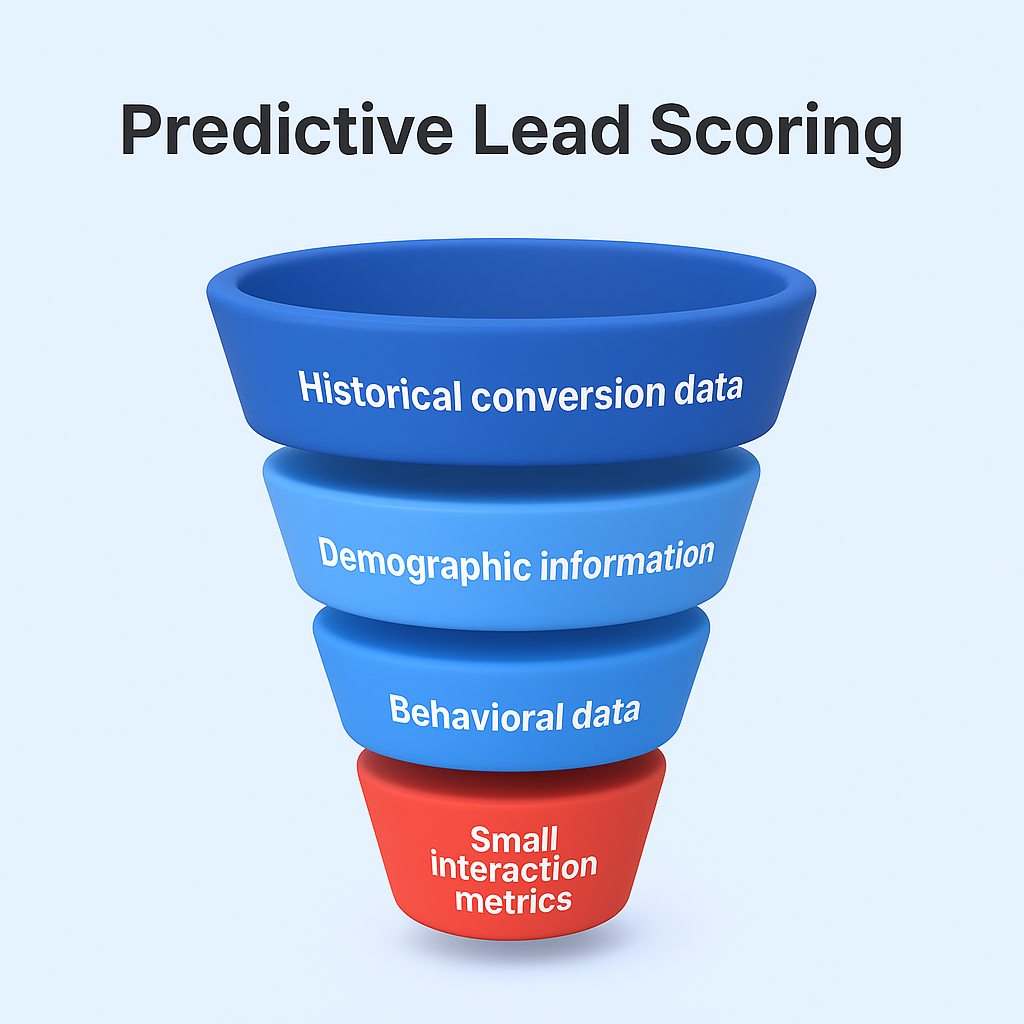
    B2B lead scoring is the process of assigning numerical values to leads based on who they are and how they interact with your brand.

    These scores are calculated using demographic details, firmographic data, and engagement behavior. The higher the score, the more sales-ready the lead is considered. This process ensures sales teams focus on quality rather than quantity.

    2. Why B2B Lead Scoring Matters
    Lead scoring plays a crucial role in improving efficiency and alignment.

    It helps sales teams prioritize high-value leads, reduces time spent on unqualified prospects, and improves close rates. For marketing teams, it provides clarity on which campaigns generate the most sales-ready leads.

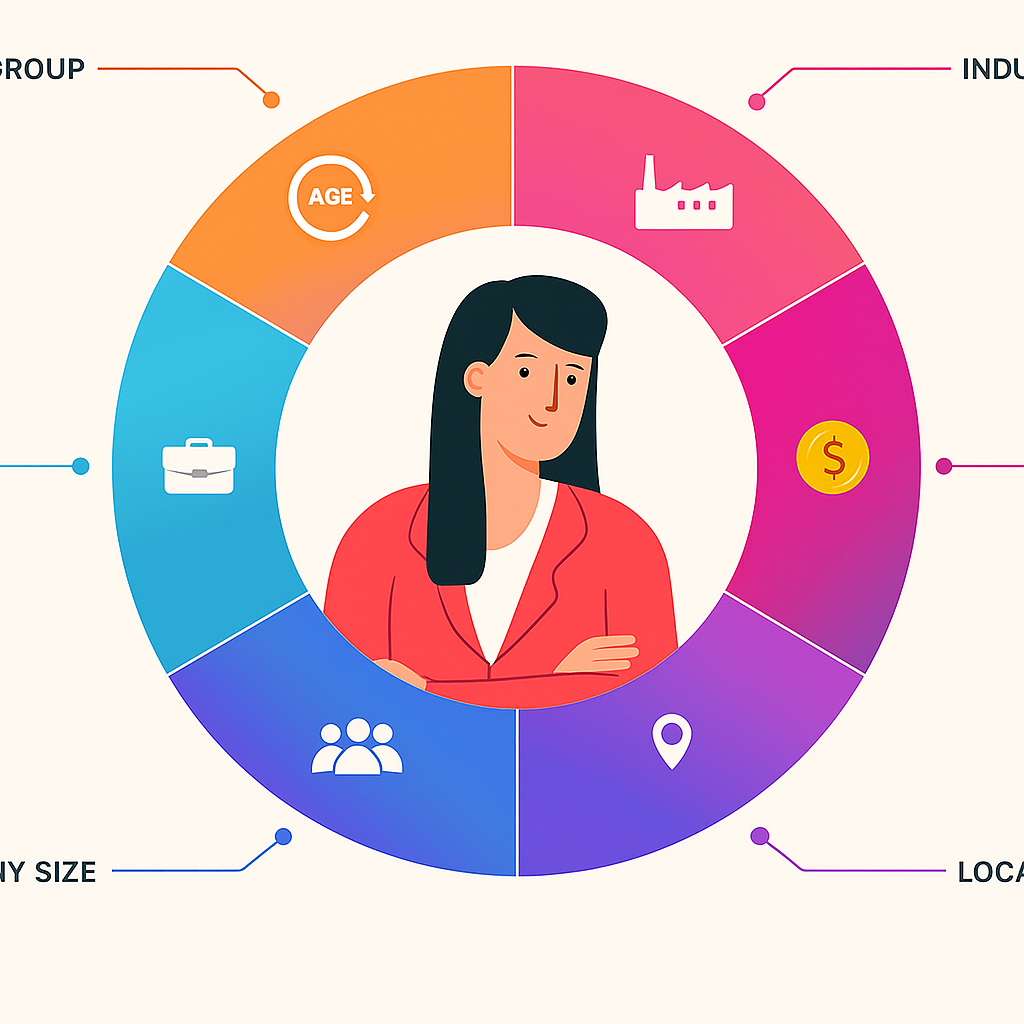
    3. Demographic and Firmographic Scoring Models
    This model evaluates who the lead is and whether they match your ideal customer profile.

    Key factors include job title, role, industry, company size, revenue, and location. For example, a decision-maker at a mid-sized enterprise may receive a higher score than an entry-level employee at a small company.
    What Is B2B Lead Scoring? Models and Methods In today’s competitive B2B environment, sales and marketing teams handle a large volume of leads. Not every lead is ready to buy, which makes prioritization essential. Understanding What Is B2B Lead Scoring? Models and Methods helps businesses focus on high-potential prospects and improve conversion rates. Below is a structured explanation in pointer and paragraph format. Introduction B2B lead scoring is a systematic approach to ranking leads based on their likelihood to convert into customers. It uses data, behavior, and predefined criteria to identify which leads deserve immediate sales attention and which need further nurturing. 1. What Is B2B Lead Scoring? B2B lead scoring is the process of assigning numerical values to leads based on who they are and how they interact with your brand. These scores are calculated using demographic details, firmographic data, and engagement behavior. The higher the score, the more sales-ready the lead is considered. This process ensures sales teams focus on quality rather than quantity. 2. Why B2B Lead Scoring Matters Lead scoring plays a crucial role in improving efficiency and alignment. It helps sales teams prioritize high-value leads, reduces time spent on unqualified prospects, and improves close rates. For marketing teams, it provides clarity on which campaigns generate the most sales-ready leads. 3. Demographic and Firmographic Scoring Models This model evaluates who the lead is and whether they match your ideal customer profile. Key factors include job title, role, industry, company size, revenue, and location. For example, a decision-maker at a mid-sized enterprise may receive a higher score than an entry-level employee at a small company.
    0 Комментарии 0 Поделились
  • Account-Based Marketing (ABM) - Driving Revenue | Intent Amplify
    Account-Based Marketing (ABM) has quickly evolved into one of the most effective strategies for B2B organizations aiming to drive measurable revenue growth. With companies prioritizing precision targeting over broad-based marketing, ABM empowers teams to engage the highest-value accounts with personalized, relevant, and timely experiences. Platforms like Intent Amplify make this process even more powerful by combining data-driven insights with advanced targeting capabilities.

    Below is an under-900-word blog in both paragraph and pointer formats, designed to highlight how ABM drives revenue and how Intent Amplify enhances the journey.

    Why ABM Matters More Than Ever
    B2B buying cycles are longer and more complex today, with multiple decision-makers involved. Traditional marketing struggles to keep up. ABM bridges the gap by allowing organizations to:

    Focus on high-value accounts rather than broad audiences

    Personalize messaging for each account

    Align sales and marketing around shared revenue goals

    Reduce wasted spend and improve conversion rates

    This targeted approach ensures that marketing efforts directly support pipeline growth.

    How Account-Based Marketing (ABM) Drives Revenue
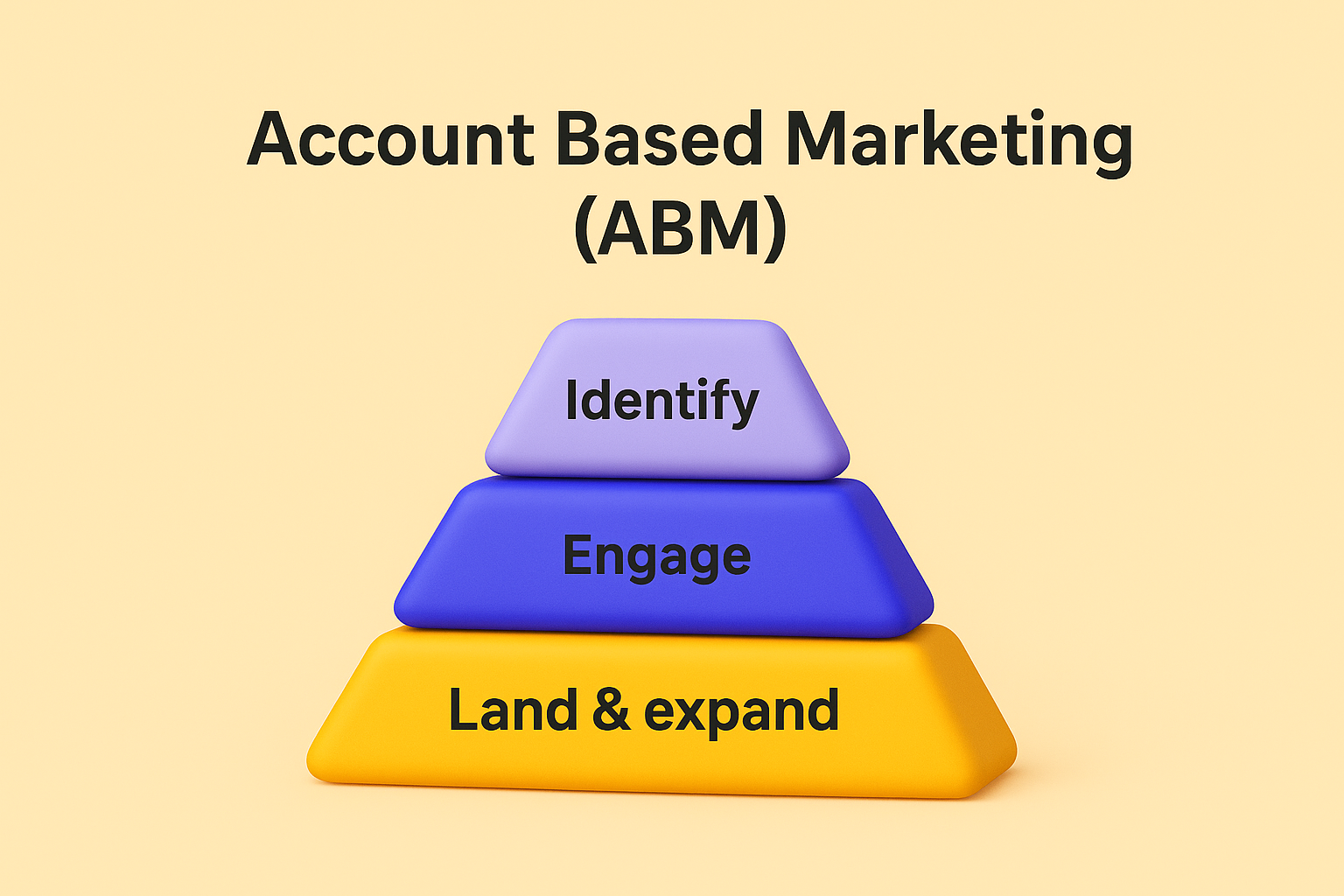
    ABM excels because it flips the traditional funnel on its head. Rather than attracting a wide range of leads and qualifying them later, ABM begins by identifying high-intent, high-potential accounts and building strategies specifically for them.

    1. Precise Targeting of High-Value Accounts
    ABM enables marketers to concentrate resources where they matter most.

    Identify accounts with the highest revenue potential

    Use data and behavior insights to prioritize accounts

    Reduce spend on low-quality leads

    This prioritization ensures that every effort contributes to revenue impact.

    2. Hyper-Personalized Content & Outreach
    Personalization is the backbone of ABM.

    Customized messaging based on industry, pain points, and buyer stage

    Personalized landing pages, email sequences, and ads

    Stronger engagement and increased pipeline progression

    Tailored experiences build trust faster and encourage decision-makers to move forward.

    3. Strong Alignment Between Sales & Marketing
    ABM naturally connects both teams toward shared goals.

    Common account lists and metrics

    Unified outreach strategies

    Clear insights into buyer behavior

    This alignment leads to smoother workflows and higher close rates.

    4. Multi-Channel Engagement for Better Reach
    ABM involves reaching accounts across channels they already use.

    Display ads

    Email outreach

    Social campaigns

    Personalized content hubs

    Consistency across these channels increases visibility and accelerates deal velocity.

    5. Improved ROI & Predictable Revenue
    Because ABM is focused on quality instead of quantity, businesses enjoy:

    Higher conversion rates

    Lower customer acquisition costs

    Better retention and upsell outcomes

    This leads to predictable revenue and sustainable growth.

    How Intent Amplify Takes ABM to the Next Level
    Intent Amplify enhances ABM by pairing powerful intent data with multi-channel engagement strategies. This makes it easier for B2B companies to:

    1. Identify In-Market Accounts Early
    With intent data, businesses can see which companies are actively researching their solutions.
    This helps:

    Prioritize accounts already showing interest

    Reduce time wasted on cold prospects

    Accelerate the outreach timeline

    2. Deliver Targeted Messaging at Scale
    Intent Amplify’s tools help marketers create tailored content journeys for each account.

    Relevant messaging based on search patterns

    Automated nurturing via email and ads

    Personalized banners and landing pages

    3. Boost Lead Quality & Sales Efficiency
    By surfacing accounts with high buying intent, sales teams can focus on the right prospects.

    Higher meeting-booking rates

    Faster deal cycles

    Improved sales productivity

    4. Strengthen Multi-Channel Visibility
    Intent Amplify supports engagement across multiple touchpoints, including:

    Targeted ads

    Content syndication

    Email marketing

    Retargeting

    This ensures consistent exposure to decision-makers at every stage.

    5. Provide Transparency Through Analytics
    With real-time dashboards, businesses can track:


    know more.

    Hashtags
    #ABMStrategies #IntentData #B2BMarketing #RevenueGrowth #IntentAmplify
    Account-Based Marketing (ABM) - Driving Revenue | Intent Amplify Account-Based Marketing (ABM) has quickly evolved into one of the most effective strategies for B2B organizations aiming to drive measurable revenue growth. With companies prioritizing precision targeting over broad-based marketing, ABM empowers teams to engage the highest-value accounts with personalized, relevant, and timely experiences. Platforms like Intent Amplify make this process even more powerful by combining data-driven insights with advanced targeting capabilities. Below is an under-900-word blog in both paragraph and pointer formats, designed to highlight how ABM drives revenue and how Intent Amplify enhances the journey. Why ABM Matters More Than Ever B2B buying cycles are longer and more complex today, with multiple decision-makers involved. Traditional marketing struggles to keep up. ABM bridges the gap by allowing organizations to: Focus on high-value accounts rather than broad audiences Personalize messaging for each account Align sales and marketing around shared revenue goals Reduce wasted spend and improve conversion rates This targeted approach ensures that marketing efforts directly support pipeline growth. How Account-Based Marketing (ABM) Drives Revenue ABM excels because it flips the traditional funnel on its head. Rather than attracting a wide range of leads and qualifying them later, ABM begins by identifying high-intent, high-potential accounts and building strategies specifically for them. 1. Precise Targeting of High-Value Accounts ABM enables marketers to concentrate resources where they matter most. Identify accounts with the highest revenue potential Use data and behavior insights to prioritize accounts Reduce spend on low-quality leads This prioritization ensures that every effort contributes to revenue impact. 2. Hyper-Personalized Content & Outreach Personalization is the backbone of ABM. Customized messaging based on industry, pain points, and buyer stage Personalized landing pages, email sequences, and ads Stronger engagement and increased pipeline progression Tailored experiences build trust faster and encourage decision-makers to move forward. 3. Strong Alignment Between Sales & Marketing ABM naturally connects both teams toward shared goals. Common account lists and metrics Unified outreach strategies Clear insights into buyer behavior This alignment leads to smoother workflows and higher close rates. 4. Multi-Channel Engagement for Better Reach ABM involves reaching accounts across channels they already use. Display ads Email outreach Social campaigns Personalized content hubs Consistency across these channels increases visibility and accelerates deal velocity. 5. Improved ROI & Predictable Revenue Because ABM is focused on quality instead of quantity, businesses enjoy: Higher conversion rates Lower customer acquisition costs Better retention and upsell outcomes This leads to predictable revenue and sustainable growth. How Intent Amplify Takes ABM to the Next Level Intent Amplify enhances ABM by pairing powerful intent data with multi-channel engagement strategies. This makes it easier for B2B companies to: 1. Identify In-Market Accounts Early With intent data, businesses can see which companies are actively researching their solutions. This helps: Prioritize accounts already showing interest Reduce time wasted on cold prospects Accelerate the outreach timeline 2. Deliver Targeted Messaging at Scale Intent Amplify’s tools help marketers create tailored content journeys for each account. Relevant messaging based on search patterns Automated nurturing via email and ads Personalized banners and landing pages 3. Boost Lead Quality & Sales Efficiency By surfacing accounts with high buying intent, sales teams can focus on the right prospects. Higher meeting-booking rates Faster deal cycles Improved sales productivity 4. Strengthen Multi-Channel Visibility Intent Amplify supports engagement across multiple touchpoints, including: Targeted ads Content syndication Email marketing Retargeting This ensures consistent exposure to decision-makers at every stage. 5. Provide Transparency Through Analytics With real-time dashboards, businesses can track: know more. Hashtags #ABMStrategies #IntentData #B2BMarketing #RevenueGrowth #IntentAmplify
    0 Комментарии 0 Поделились
  • Where does AI outperform humans in building ICPs (Ideal Customer Profiles)?

    In B2B marketing and sales, everything starts with a clear Ideal Customer Profile (ICP)—the blueprint for who your best-fit customers are and where to find more like them. Traditionally, ICPs have been built manually, using a mix of historical data, market research, and sales intuition. But as buyer behavior grows more complex and data sources multiply, human analysis alone can’t keep up.
    This is where AI takes the lead—transforming static ICPs into dynamic, data-driven systems that evolve in real time. Let’s explore where and how AI outperforms humans in building smarter, more precise ICPs.
    1. Processing Massive, Multidimensional Data Sets
    Humans can interpret small data sets—but AI thrives on scale. Modern AI models can analyze millions of data points across CRM records, social media, firmographics, technographics, and intent signals simultaneously.
    Instead of relying on anecdotal “best customer” assumptions, AI uncovers patterns like:
    • Which industries have the shortest sales cycles
    • What company sizes show the highest retention rates
    • Which tech stacks correlate with higher deal values
    This level of multi-variable analysis would take humans months to complete. AI does it in minutes—with accuracy that continuously improves as more data is fed in.
    2. Uncovering Hidden Correlations Humans Miss
    Sales and marketing teams often define ICPs using obvious factors (industry, company size, revenue). But AI finds non-obvious correlations that can dramatically improve targeting.
    For example:
    • Companies with certain job title combinations (like “VP of RevOps” + “Head of Enablement”) are more likely to buy.
    • Firms showing early hiring trends in “machine learning” often become future prospects for analytics software.
    By recognizing these subtle patterns, AI builds richer, behavior-based profiles that go far beyond surface-level demographics.
    3. Real-Time Updating and Dynamic Segmentation
    Human-built ICPs are static snapshots that become outdated fast. AI-driven ICPs, on the other hand, are living models—constantly evolving as new data flows in. If buyer behavior shifts due to market trends or economic changes, AI detects it immediately and adjusts ICP parameters accordingly.
    This ensures teams always target the current best-fit audience, not last quarter’s version.
    4. Predictive Accuracy Through Machine Learning
    AI doesn’t just describe your best customers—it predicts who’s next. By training on historical success and churn data, AI can score prospects based on their similarity to your most profitable accounts.
    This predictive ICP modeling helps sales teams prioritize leads that statistically align with long-term value, not just short-term wins.
    In essence, AI moves ICP building from descriptive (“who we sold to”) to predictive (“who we will sell to”).
    5. Removing Human Bias from Targeting
    Humans naturally carry cognitive biases—favoring certain industries, company sizes, or geographies based on past experience. AI neutralizes that by basing its conclusions purely on data performance, not perception.
    This objectivity allows organizations to uncover entirely new customer segments they might never have considered.
    6. Enabling Hyper-Personalized Outreach
    Once an AI builds a nuanced ICP, it can segment audiences into micro-personas and align messaging automatically. For instance, a SaaS company targeting “mid-market HR tech buyers” might find three sub-clusters: those focused on compliance, those driven by cost savings, and those prioritizing employee engagement.
    Each cluster receives content tailored to its motivations—resulting in higher engagement and conversion rates.
    The Bottom Line
    AI outperforms humans in ICP creation through its ability to analyze massive data sets, detect hidden signals, adapt in real time, and eliminate bias. Instead of relying on gut feel or outdated templates, AI builds ICPs that evolve with the market—fueling smarter segmentation, sharper messaging, and more predictable growth.
    The future of ICPs isn’t about replacing human intuition—it’s about amplifying it with machine intelligence.
    Read More: https://intentamplify.com/lead-generation/
    Where does AI outperform humans in building ICPs (Ideal Customer Profiles)? In B2B marketing and sales, everything starts with a clear Ideal Customer Profile (ICP)—the blueprint for who your best-fit customers are and where to find more like them. Traditionally, ICPs have been built manually, using a mix of historical data, market research, and sales intuition. But as buyer behavior grows more complex and data sources multiply, human analysis alone can’t keep up. This is where AI takes the lead—transforming static ICPs into dynamic, data-driven systems that evolve in real time. Let’s explore where and how AI outperforms humans in building smarter, more precise ICPs. 1. Processing Massive, Multidimensional Data Sets Humans can interpret small data sets—but AI thrives on scale. Modern AI models can analyze millions of data points across CRM records, social media, firmographics, technographics, and intent signals simultaneously. Instead of relying on anecdotal “best customer” assumptions, AI uncovers patterns like: • Which industries have the shortest sales cycles • What company sizes show the highest retention rates • Which tech stacks correlate with higher deal values This level of multi-variable analysis would take humans months to complete. AI does it in minutes—with accuracy that continuously improves as more data is fed in. 2. Uncovering Hidden Correlations Humans Miss Sales and marketing teams often define ICPs using obvious factors (industry, company size, revenue). But AI finds non-obvious correlations that can dramatically improve targeting. For example: • Companies with certain job title combinations (like “VP of RevOps” + “Head of Enablement”) are more likely to buy. • Firms showing early hiring trends in “machine learning” often become future prospects for analytics software. By recognizing these subtle patterns, AI builds richer, behavior-based profiles that go far beyond surface-level demographics. 3. Real-Time Updating and Dynamic Segmentation Human-built ICPs are static snapshots that become outdated fast. AI-driven ICPs, on the other hand, are living models—constantly evolving as new data flows in. If buyer behavior shifts due to market trends or economic changes, AI detects it immediately and adjusts ICP parameters accordingly. This ensures teams always target the current best-fit audience, not last quarter’s version. 4. Predictive Accuracy Through Machine Learning AI doesn’t just describe your best customers—it predicts who’s next. By training on historical success and churn data, AI can score prospects based on their similarity to your most profitable accounts. This predictive ICP modeling helps sales teams prioritize leads that statistically align with long-term value, not just short-term wins. In essence, AI moves ICP building from descriptive (“who we sold to”) to predictive (“who we will sell to”). 5. Removing Human Bias from Targeting Humans naturally carry cognitive biases—favoring certain industries, company sizes, or geographies based on past experience. AI neutralizes that by basing its conclusions purely on data performance, not perception. This objectivity allows organizations to uncover entirely new customer segments they might never have considered. 6. Enabling Hyper-Personalized Outreach Once an AI builds a nuanced ICP, it can segment audiences into micro-personas and align messaging automatically. For instance, a SaaS company targeting “mid-market HR tech buyers” might find three sub-clusters: those focused on compliance, those driven by cost savings, and those prioritizing employee engagement. Each cluster receives content tailored to its motivations—resulting in higher engagement and conversion rates. The Bottom Line AI outperforms humans in ICP creation through its ability to analyze massive data sets, detect hidden signals, adapt in real time, and eliminate bias. Instead of relying on gut feel or outdated templates, AI builds ICPs that evolve with the market—fueling smarter segmentation, sharper messaging, and more predictable growth. The future of ICPs isn’t about replacing human intuition—it’s about amplifying it with machine intelligence. Read More: https://intentamplify.com/lead-generation/
    0 Комментарии 0 Поделились
  • What makes AI intent detection the next big differentiator in B2B prospecting?

    In today’s hyper-competitive B2B landscape, timing and relevance are everything. Traditional prospecting models often rely on guesswork—mass emailing, static lead lists, or outdated demographic filters. But modern buyers leave digital footprints everywhere: they read industry blogs, compare vendors, attend webinars, and search for specific solutions. The challenge? Turning all those scattered signals into actionable insight.
    That’s where AI-driven intent detection comes in—and it’s quickly becoming the most powerful differentiator in B2B prospecting.
    1. From Cold Outreach to Contextual Engagement
    The days of cold, spray-and-pray outreach are fading. AI intent detection uses behavioral data—like search queries, content engagement, and time spent on certain topics—to determine who’s in-market and what they’re interested in.
    Instead of targeting 1,000 random contacts, AI helps you identify the 100 who are actively exploring solutions like yours. That means:
    • More relevant messaging
    • Higher open and reply rates
    • Stronger pipeline efficiency
    You’re no longer guessing who might buy—you’re meeting buyers exactly where they are in their journey.
    2. Multi-Signal Analysis for Real Buyer Intent
    Human-led research can’t track thousands of micro-signals across multiple channels. AI can.
    Modern intent detection platforms use machine learning to analyze:
    • Content interactions: Articles, whitepapers, or webinars a lead engages with.
    • Search patterns: Keywords and queries indicating purchase readiness.
    • Social engagement: Comments, shares, and follows that reveal interest trends.
    • Website behavior: Frequency, recency, and depth of visits.
    AI doesn’t just see what someone did—it interprets why. That context transforms raw data into qualified intent.
    3. Predictive Prioritization: Knowing Who’s Ready to Talk
    Not every interested lead is ready to buy—but AI intent models can rank prospects by purchase readiness. Using historical win data, engagement sequences, and firmographics, AI predicts which accounts are most likely to convert next.
    This predictive scoring lets sales teams prioritize high-intent accounts and nurture lower-intent ones with personalized content until they’re ready—creating a smoother, more strategic pipeline flow.
    4. Hyper-Personalized Messaging that Resonates
    Once intent is detected, AI can generate hyper-targeted outreach based on specific pain points or interest areas.
    For example:
    • A prospect researching “AI-powered CRM integrations” might receive an email highlighting your platform’s seamless API connections.
    • Another exploring “data privacy compliance” could see content emphasizing your security certifications.
    This precision transforms outreach from generic to contextual, making every interaction feel timely and relevant.
    5. Shorter Sales Cycles, Smarter Conversions
    By engaging buyers at the right moment with the right message, intent-driven prospecting reduces friction and accelerates decision-making. It enables marketers to nurture leads more intelligently and equips sales teams with deeper insights before the first call.
    In short, AI intent detection replaces outdated, manual prospecting with data-backed foresight—shortening the path from interest to conversion.
    The Future: Predictive Prospecting at Scale
    As AI models continue to evolve, intent detection will move from identifying existing demand to predicting emerging opportunities—alerting teams when a company is about to enter the market for your solution. The companies that harness this power early will own the next generation of B2B growth.
    The Bottom Line
    AI intent detection is not just a marketing add-on—it’s becoming the engine of intelligent B2B prospecting. By revealing who’s ready to buy, why, and when, it gives sales and marketing teams a decisive edge in timing, personalization, and conversion. In a world where attention is scarce, knowing intent is everything.
    Read More: https://intentamplify.com/lead-generation/
    What makes AI intent detection the next big differentiator in B2B prospecting? In today’s hyper-competitive B2B landscape, timing and relevance are everything. Traditional prospecting models often rely on guesswork—mass emailing, static lead lists, or outdated demographic filters. But modern buyers leave digital footprints everywhere: they read industry blogs, compare vendors, attend webinars, and search for specific solutions. The challenge? Turning all those scattered signals into actionable insight. That’s where AI-driven intent detection comes in—and it’s quickly becoming the most powerful differentiator in B2B prospecting. 1. From Cold Outreach to Contextual Engagement The days of cold, spray-and-pray outreach are fading. AI intent detection uses behavioral data—like search queries, content engagement, and time spent on certain topics—to determine who’s in-market and what they’re interested in. Instead of targeting 1,000 random contacts, AI helps you identify the 100 who are actively exploring solutions like yours. That means: • More relevant messaging • Higher open and reply rates • Stronger pipeline efficiency You’re no longer guessing who might buy—you’re meeting buyers exactly where they are in their journey. 2. Multi-Signal Analysis for Real Buyer Intent Human-led research can’t track thousands of micro-signals across multiple channels. AI can. Modern intent detection platforms use machine learning to analyze: • Content interactions: Articles, whitepapers, or webinars a lead engages with. • Search patterns: Keywords and queries indicating purchase readiness. • Social engagement: Comments, shares, and follows that reveal interest trends. • Website behavior: Frequency, recency, and depth of visits. AI doesn’t just see what someone did—it interprets why. That context transforms raw data into qualified intent. 3. Predictive Prioritization: Knowing Who’s Ready to Talk Not every interested lead is ready to buy—but AI intent models can rank prospects by purchase readiness. Using historical win data, engagement sequences, and firmographics, AI predicts which accounts are most likely to convert next. This predictive scoring lets sales teams prioritize high-intent accounts and nurture lower-intent ones with personalized content until they’re ready—creating a smoother, more strategic pipeline flow. 4. Hyper-Personalized Messaging that Resonates Once intent is detected, AI can generate hyper-targeted outreach based on specific pain points or interest areas. For example: • A prospect researching “AI-powered CRM integrations” might receive an email highlighting your platform’s seamless API connections. • Another exploring “data privacy compliance” could see content emphasizing your security certifications. This precision transforms outreach from generic to contextual, making every interaction feel timely and relevant. 5. Shorter Sales Cycles, Smarter Conversions By engaging buyers at the right moment with the right message, intent-driven prospecting reduces friction and accelerates decision-making. It enables marketers to nurture leads more intelligently and equips sales teams with deeper insights before the first call. In short, AI intent detection replaces outdated, manual prospecting with data-backed foresight—shortening the path from interest to conversion. The Future: Predictive Prospecting at Scale As AI models continue to evolve, intent detection will move from identifying existing demand to predicting emerging opportunities—alerting teams when a company is about to enter the market for your solution. The companies that harness this power early will own the next generation of B2B growth. The Bottom Line AI intent detection is not just a marketing add-on—it’s becoming the engine of intelligent B2B prospecting. By revealing who’s ready to buy, why, and when, it gives sales and marketing teams a decisive edge in timing, personalization, and conversion. In a world where attention is scarce, knowing intent is everything. Read More: https://intentamplify.com/lead-generation/
    0 Комментарии 0 Поделились
  • What role does AI play in creating hyper-targeted content to reach “in-market” buyers?

    In B2B marketing, relevance + timing = conversions. The biggest challenge isn’t just creating content—it’s delivering the right content to buyers who are actively researching solutions, also known as “in-market” buyers. This is where AI transforms the game, enabling marketers to identify signals of purchase readiness and craft content that resonates at exactly the right moment.
    🔍 𝐇𝐨𝐰 𝐀𝐈 𝐞𝐧𝐚𝐛𝐥𝐞𝐬 𝐡𝐲𝐩𝐞𝐫-𝐭𝐚𝐫𝐠𝐞𝐭𝐞𝐝 𝐜𝐨𝐧𝐭𝐞𝐧𝐭:
    ✅ Detecting Buyer Intent Through Data Signals
    AI analyzes massive streams of digital behaviors—search queries, review site visits, content downloads, even competitor engagement—to identify when accounts move into an “in-market” state.
    ✅ Predictive Content Matching
    By combining historical CRM data with intent insights, AI predicts which type of content—case study, webinar, technical brief, or demo—will most influence a given buyer at their current stage.
    ✅ Personalization at Scale
    AI-driven platforms dynamically adapt messaging for industry, company size, and role. A CFO might receive ROI-focused insights, while a product manager gets a feature breakdown—all from the same campaign engine.
    ✅ Real-Time Optimization
    Content strategies no longer have to be static. AI tools monitor engagement in real time and adjust—swapping out general awareness assets for decision-stage proof points once signals show buying urgency.
    ✅ Fueling ABM Precision
    Within Account-Based Marketing campaigns, AI ensures content is highly relevant not just to companies, but to the specific buying committees inside them—aligning sales and marketing outreach for maximum impact.
    📌 𝐓𝐡𝐞 𝐁𝐢𝐠 𝐏𝐢𝐜𝐭𝐮𝐫𝐞:
    AI isn’t just helping create content—it’s turning data into precision storytelling. By aligning messaging with real-time buyer intent, AI empowers marketers to cut through noise, accelerate deal velocity, and ensure every touchpoint is timely, personalized, and conversion-ready.
    Read More: https://intentamplify.com/lead-generation/
    What role does AI play in creating hyper-targeted content to reach “in-market” buyers? In B2B marketing, relevance + timing = conversions. The biggest challenge isn’t just creating content—it’s delivering the right content to buyers who are actively researching solutions, also known as “in-market” buyers. This is where AI transforms the game, enabling marketers to identify signals of purchase readiness and craft content that resonates at exactly the right moment. 🔍 𝐇𝐨𝐰 𝐀𝐈 𝐞𝐧𝐚𝐛𝐥𝐞𝐬 𝐡𝐲𝐩𝐞𝐫-𝐭𝐚𝐫𝐠𝐞𝐭𝐞𝐝 𝐜𝐨𝐧𝐭𝐞𝐧𝐭: ✅ Detecting Buyer Intent Through Data Signals AI analyzes massive streams of digital behaviors—search queries, review site visits, content downloads, even competitor engagement—to identify when accounts move into an “in-market” state. ✅ Predictive Content Matching By combining historical CRM data with intent insights, AI predicts which type of content—case study, webinar, technical brief, or demo—will most influence a given buyer at their current stage. ✅ Personalization at Scale AI-driven platforms dynamically adapt messaging for industry, company size, and role. A CFO might receive ROI-focused insights, while a product manager gets a feature breakdown—all from the same campaign engine. ✅ Real-Time Optimization Content strategies no longer have to be static. AI tools monitor engagement in real time and adjust—swapping out general awareness assets for decision-stage proof points once signals show buying urgency. ✅ Fueling ABM Precision Within Account-Based Marketing campaigns, AI ensures content is highly relevant not just to companies, but to the specific buying committees inside them—aligning sales and marketing outreach for maximum impact. 📌 𝐓𝐡𝐞 𝐁𝐢𝐠 𝐏𝐢𝐜𝐭𝐮𝐫𝐞: AI isn’t just helping create content—it’s turning data into precision storytelling. By aligning messaging with real-time buyer intent, AI empowers marketers to cut through noise, accelerate deal velocity, and ensure every touchpoint is timely, personalized, and conversion-ready. Read More: https://intentamplify.com/lead-generation/
    0 Комментарии 0 Поделились
  • What role does AI play in creating hyper-targeted content to reach “in-market” buyers?

    In B2B marketing, timing is everything. Reaching buyers who are already “in-market”—actively researching solutions and showing intent—can dramatically shorten sales cycles. This is where AI becomes a game-changer, enabling marketers to not only identify in-market prospects but also create hyper-targeted content that speaks directly to their needs.
    🔍 𝐇𝐨𝐰 𝐀𝐈 𝐩𝐨𝐰𝐞𝐫𝐬 𝐡𝐲𝐩𝐞𝐫-𝐭𝐚𝐫𝐠𝐞𝐭𝐞𝐝 𝐜𝐨𝐧𝐭𝐞𝐧𝐭 𝐟𝐨𝐫 𝐢𝐧-𝐦𝐚𝐫𝐤𝐞𝐭 𝐛𝐮𝐲𝐞𝐫𝐬:
    ✅ Intent Data + Predictive Analytics
    AI tools analyze buying signals—such as keyword searches, review site visits, webinar attendance, and competitor research—to pinpoint accounts that are closest to making a purchase. This ensures content isn’t wasted on casual browsers but focused on those ready to act.
    ✅ Dynamic Content Personalization
    AI tailors messaging by account, role, or even individual buyer behavior. For example, a CMO might see ROI-focused case studies, while a CTO receives technical product breakdowns. The right message hits the right person at the right time.
    ✅ Generative AI for Scaled Personalization
    Instead of generic whitepapers, AI generates customized content variations—emails, landing pages, or ads—that reflect industry, pain points, and stage in the funnel, all without adding overhead for marketing teams.
    ✅ Real-Time Optimization
    AI continuously tracks engagement and intent shifts. If a buyer moves from research to evaluation, content recommendations adapt automatically—delivering decision-stage proof points like ROI calculators or demo invites.
    ✅ ABM Alignment
    Within Account-Based Marketing campaigns, AI ensures content is hyper-relevant not just to companies, but to the buying committees inside them—bridging sales and marketing efforts seamlessly.
    📌 𝐓𝐡𝐞 𝐁𝐢𝐠 𝐏𝐢𝐜𝐭𝐮𝐫𝐞:
    AI isn’t just personalizing content—it’s orchestrating timing, context, and relevance at scale. By aligning content strategies with real-time intent data, marketers can cut through the noise and engage in-market buyers with precision, ultimately driving higher conversions and faster deal cycles.
    Read More: https://intentamplify.com/lead-generation/
    What role does AI play in creating hyper-targeted content to reach “in-market” buyers? In B2B marketing, timing is everything. Reaching buyers who are already “in-market”—actively researching solutions and showing intent—can dramatically shorten sales cycles. This is where AI becomes a game-changer, enabling marketers to not only identify in-market prospects but also create hyper-targeted content that speaks directly to their needs. 🔍 𝐇𝐨𝐰 𝐀𝐈 𝐩𝐨𝐰𝐞𝐫𝐬 𝐡𝐲𝐩𝐞𝐫-𝐭𝐚𝐫𝐠𝐞𝐭𝐞𝐝 𝐜𝐨𝐧𝐭𝐞𝐧𝐭 𝐟𝐨𝐫 𝐢𝐧-𝐦𝐚𝐫𝐤𝐞𝐭 𝐛𝐮𝐲𝐞𝐫𝐬: ✅ Intent Data + Predictive Analytics AI tools analyze buying signals—such as keyword searches, review site visits, webinar attendance, and competitor research—to pinpoint accounts that are closest to making a purchase. This ensures content isn’t wasted on casual browsers but focused on those ready to act. ✅ Dynamic Content Personalization AI tailors messaging by account, role, or even individual buyer behavior. For example, a CMO might see ROI-focused case studies, while a CTO receives technical product breakdowns. The right message hits the right person at the right time. ✅ Generative AI for Scaled Personalization Instead of generic whitepapers, AI generates customized content variations—emails, landing pages, or ads—that reflect industry, pain points, and stage in the funnel, all without adding overhead for marketing teams. ✅ Real-Time Optimization AI continuously tracks engagement and intent shifts. If a buyer moves from research to evaluation, content recommendations adapt automatically—delivering decision-stage proof points like ROI calculators or demo invites. ✅ ABM Alignment Within Account-Based Marketing campaigns, AI ensures content is hyper-relevant not just to companies, but to the buying committees inside them—bridging sales and marketing efforts seamlessly. 📌 𝐓𝐡𝐞 𝐁𝐢𝐠 𝐏𝐢𝐜𝐭𝐮𝐫𝐞: AI isn’t just personalizing content—it’s orchestrating timing, context, and relevance at scale. By aligning content strategies with real-time intent data, marketers can cut through the noise and engage in-market buyers with precision, ultimately driving higher conversions and faster deal cycles. Read More: https://intentamplify.com/lead-generation/
    0 Комментарии 0 Поделились
  • What are the newest tools and technologies enabling predictive intent scoring in lead generation?

    In today’s hyper-competitive B2B landscape, traditional lead scoring isn’t enough. Marketers and sales teams need to know who is ready to buy—and when. That’s where predictive intent scoring comes in, powered by AI, big data, and advanced analytics. Unlike static lead scoring, predictive intent scoring analyzes digital behaviors, contextual signals, and external data sources to forecast purchase intent with remarkable accuracy.
    So, what’s powering this next wave of precision marketing?
    🔍 𝐍𝐞𝐰𝐞𝐬𝐭 𝐓𝐨𝐨𝐥𝐬 & 𝐓𝐞𝐜𝐡𝐧𝐨𝐥𝐨𝐠𝐢𝐞𝐬 𝐟𝐨𝐫 𝐏𝐫𝐞𝐝𝐢𝐜𝐭𝐢𝐯𝐞 𝐈𝐧𝐭𝐞𝐧𝐭 𝐒𝐜𝐨𝐫𝐢𝐧𝐠:
    ✅ AI-Powered Data Platforms (6sense, Demandbase, ZoomInfo Intent)
    These platforms analyze billions of intent signals—from content consumption to keyword research—to identify accounts showing real buying interest before they engage directly.
    ✅ Natural Language Processing (NLP) for Behavioral Analysis
    Advanced NLP models decode not just what content prospects engage with, but how they interact (tone, urgency, and context)—providing richer insights into intent.
    ✅ Machine Learning Predictive Models
    ML algorithms continuously refine lead scores by learning from past deals, win/loss data, and CRM performance. This ensures scoring systems evolve with market conditions.
    ✅ Third-Party Intent Data Feeds (Bombora, G2 Buyer Intent)
    Aggregators capture signals across review sites, publisher networks, and industry forums, giving marketers visibility into accounts already researching their category.
    ✅ Real-Time Engagement Tracking (Website & ABM Platforms)
    Modern tools monitor site visits, dwell time, webinar attendance, and content downloads—feeding these behaviors into predictive scoring engines.
    ✅ CRM + AI Integrations (HubSpot AI, Salesforce Einstein)
    These solutions embed predictive scoring directly into sales workflows, helping reps prioritize accounts most likely to convert.
    📌 𝐓𝐡𝐞 𝐁𝐢𝐠 𝐏𝐢𝐜𝐭𝐮𝐫𝐞:
    Predictive intent scoring isn’t just about tracking clicks—it’s about anticipating buyer readiness. With AI, NLP, and real-time intent data, companies can align sales and marketing around the right accounts, shorten sales cycles, and boost conversion rates. In 2025 and beyond, the companies that master predictive intent will win the race for high-quality leads.
    Read More: https://intentamplify.com/lead-generation/
    What are the newest tools and technologies enabling predictive intent scoring in lead generation? In today’s hyper-competitive B2B landscape, traditional lead scoring isn’t enough. Marketers and sales teams need to know who is ready to buy—and when. That’s where predictive intent scoring comes in, powered by AI, big data, and advanced analytics. Unlike static lead scoring, predictive intent scoring analyzes digital behaviors, contextual signals, and external data sources to forecast purchase intent with remarkable accuracy. So, what’s powering this next wave of precision marketing? 🔍 𝐍𝐞𝐰𝐞𝐬𝐭 𝐓𝐨𝐨𝐥𝐬 & 𝐓𝐞𝐜𝐡𝐧𝐨𝐥𝐨𝐠𝐢𝐞𝐬 𝐟𝐨𝐫 𝐏𝐫𝐞𝐝𝐢𝐜𝐭𝐢𝐯𝐞 𝐈𝐧𝐭𝐞𝐧𝐭 𝐒𝐜𝐨𝐫𝐢𝐧𝐠: ✅ AI-Powered Data Platforms (6sense, Demandbase, ZoomInfo Intent) These platforms analyze billions of intent signals—from content consumption to keyword research—to identify accounts showing real buying interest before they engage directly. ✅ Natural Language Processing (NLP) for Behavioral Analysis Advanced NLP models decode not just what content prospects engage with, but how they interact (tone, urgency, and context)—providing richer insights into intent. ✅ Machine Learning Predictive Models ML algorithms continuously refine lead scores by learning from past deals, win/loss data, and CRM performance. This ensures scoring systems evolve with market conditions. ✅ Third-Party Intent Data Feeds (Bombora, G2 Buyer Intent) Aggregators capture signals across review sites, publisher networks, and industry forums, giving marketers visibility into accounts already researching their category. ✅ Real-Time Engagement Tracking (Website & ABM Platforms) Modern tools monitor site visits, dwell time, webinar attendance, and content downloads—feeding these behaviors into predictive scoring engines. ✅ CRM + AI Integrations (HubSpot AI, Salesforce Einstein) These solutions embed predictive scoring directly into sales workflows, helping reps prioritize accounts most likely to convert. 📌 𝐓𝐡𝐞 𝐁𝐢𝐠 𝐏𝐢𝐜𝐭𝐮𝐫𝐞: Predictive intent scoring isn’t just about tracking clicks—it’s about anticipating buyer readiness. With AI, NLP, and real-time intent data, companies can align sales and marketing around the right accounts, shorten sales cycles, and boost conversion rates. In 2025 and beyond, the companies that master predictive intent will win the race for high-quality leads. Read More: https://intentamplify.com/lead-generation/
    0 Комментарии 0 Поделились
  • Where Account Based Marketing (ABM) is most effective

    Account-Based Marketing (ABM) has quickly become one of the most powerful strategies in B2B marketing. Unlike traditional lead generation, which casts a wide net, ABM is about laser focus—targeting high-value accounts with personalized campaigns that align sales and marketing efforts. But ABM isn’t for every situation. Its impact shines brightest in specific business contexts.
    🔍 𝐇𝐞𝐫𝐞’𝐬 𝐰𝐡𝐞𝐫𝐞 𝐀𝐁𝐌 𝐝𝐞𝐥𝐢𝐯𝐞𝐫𝐬 𝐦𝐚𝐱𝐢𝐦𝐮𝐦 𝐞𝐟𝐟𝐞𝐜𝐭𝐢𝐯𝐞𝐧𝐞𝐬𝐬:
    ✅ 𝐇𝐢𝐠𝐡-𝐕𝐚𝐥𝐮𝐞, 𝐋𝐨𝐧𝐠 𝐒𝐚𝐥𝐞𝐬 𝐂𝐲𝐜𝐥𝐞𝐬
    ABM thrives in industries where deals are complex, lengthy, and involve multiple stakeholders—such as enterprise software, IT services, or manufacturing solutions.
    ✅ 𝐄𝐧𝐭𝐞𝐫𝐩𝐫𝐢𝐬𝐞 𝐒𝐚𝐥𝐞𝐬 & 𝐂-𝐒𝐮𝐢𝐭𝐞 𝐄𝐧𝐠𝐚𝐠𝐞𝐦𝐞𝐧𝐭
    When decisions require executive-level buy-in, ABM’s personalized outreach ensures messaging resonates across influencers, managers, and decision-makers.
    ✅ 𝐂𝐫𝐨𝐬𝐬-𝐒𝐞𝐥𝐥𝐢𝐧𝐠 & 𝐔𝐩𝐬𝐞𝐥𝐥𝐢𝐧𝐠
    For companies with existing enterprise clients, ABM helps deepen relationships by identifying new opportunities within the same accounts.
    ✅ 𝐍𝐢𝐜𝐡𝐞 𝐌𝐚𝐫𝐤𝐞𝐭𝐬 𝐨𝐫 𝐒𝐩𝐞𝐜𝐢𝐚𝐥𝐢𝐳𝐞𝐝 𝐏𝐫𝐨𝐝𝐮𝐜𝐭𝐬
    When the target audience is limited and specialized (e.g., biotech solutions, aerospace, cybersecurity), ABM ensures every marketing dollar is maximized.
    ✅ 𝐆𝐥𝐨𝐛𝐚𝐥 𝐁𝐮𝐲𝐞𝐫 𝐀𝐥𝐢𝐠𝐧𝐦𝐞𝐧𝐭
    For multinational deals, ABM coordinates messaging across regions—ensuring consistency while still tailoring to local stakeholders.
    📌 𝐓𝐡𝐞 𝐁𝐢𝐠 𝐏𝐢𝐜𝐭𝐮𝐫𝐞:
    ABM is most effective where relationships matter more than volume. It’s not about generating hundreds of leads—it’s about creating the right opportunities with the right accounts. By combining personalization, precision, and collaboration, ABM helps companies close bigger deals, faster, while building lasting partnerships.
    Read More: https://intentamplify.com/lead-generation/
    Where Account Based Marketing (ABM) is most effective Account-Based Marketing (ABM) has quickly become one of the most powerful strategies in B2B marketing. Unlike traditional lead generation, which casts a wide net, ABM is about laser focus—targeting high-value accounts with personalized campaigns that align sales and marketing efforts. But ABM isn’t for every situation. Its impact shines brightest in specific business contexts. 🔍 𝐇𝐞𝐫𝐞’𝐬 𝐰𝐡𝐞𝐫𝐞 𝐀𝐁𝐌 𝐝𝐞𝐥𝐢𝐯𝐞𝐫𝐬 𝐦𝐚𝐱𝐢𝐦𝐮𝐦 𝐞𝐟𝐟𝐞𝐜𝐭𝐢𝐯𝐞𝐧𝐞𝐬𝐬: ✅ 𝐇𝐢𝐠𝐡-𝐕𝐚𝐥𝐮𝐞, 𝐋𝐨𝐧𝐠 𝐒𝐚𝐥𝐞𝐬 𝐂𝐲𝐜𝐥𝐞𝐬 ABM thrives in industries where deals are complex, lengthy, and involve multiple stakeholders—such as enterprise software, IT services, or manufacturing solutions. ✅ 𝐄𝐧𝐭𝐞𝐫𝐩𝐫𝐢𝐬𝐞 𝐒𝐚𝐥𝐞𝐬 & 𝐂-𝐒𝐮𝐢𝐭𝐞 𝐄𝐧𝐠𝐚𝐠𝐞𝐦𝐞𝐧𝐭 When decisions require executive-level buy-in, ABM’s personalized outreach ensures messaging resonates across influencers, managers, and decision-makers. ✅ 𝐂𝐫𝐨𝐬𝐬-𝐒𝐞𝐥𝐥𝐢𝐧𝐠 & 𝐔𝐩𝐬𝐞𝐥𝐥𝐢𝐧𝐠 For companies with existing enterprise clients, ABM helps deepen relationships by identifying new opportunities within the same accounts. ✅ 𝐍𝐢𝐜𝐡𝐞 𝐌𝐚𝐫𝐤𝐞𝐭𝐬 𝐨𝐫 𝐒𝐩𝐞𝐜𝐢𝐚𝐥𝐢𝐳𝐞𝐝 𝐏𝐫𝐨𝐝𝐮𝐜𝐭𝐬 When the target audience is limited and specialized (e.g., biotech solutions, aerospace, cybersecurity), ABM ensures every marketing dollar is maximized. ✅ 𝐆𝐥𝐨𝐛𝐚𝐥 𝐁𝐮𝐲𝐞𝐫 𝐀𝐥𝐢𝐠𝐧𝐦𝐞𝐧𝐭 For multinational deals, ABM coordinates messaging across regions—ensuring consistency while still tailoring to local stakeholders. 📌 𝐓𝐡𝐞 𝐁𝐢𝐠 𝐏𝐢𝐜𝐭𝐮𝐫𝐞: ABM is most effective where relationships matter more than volume. It’s not about generating hundreds of leads—it’s about creating the right opportunities with the right accounts. By combining personalization, precision, and collaboration, ABM helps companies close bigger deals, faster, while building lasting partnerships. Read More: https://intentamplify.com/lead-generation/
    0 Комментарии 0 Поделились
  • What are “intent signals” in B2B marketing — and why are they more important than ever?

    In today’s hyper-competitive B2B landscape, buyers don’t raise their hand and say, “I’m ready to purchase”. Instead, they leave behind digital footprints—behavioral cues that reveal their interests, needs, and purchasing stage. These cues are what we call intent signals.
    Intent signals can come from many touchpoints: reading a case study on your website, attending a webinar, comparing solutions on review sites, or even engaging with competitor content. On the surface, they may seem like random actions, but together they create a powerful picture of where a buyer is on their journey and what they need right now.
    🤖 Thanks to AI and predictive analytics, companies can now capture, interpret, and act on these signals in real time. This means marketers and sales teams can shift from cold outreach to precision engagement—meeting prospects with the right message at the right moment.
    🔍 𝐇𝐞𝐫𝐞’𝐬 𝐰𝐡𝐲 𝐢𝐧𝐭𝐞𝐧𝐭 𝐬𝐢𝐠𝐧𝐚𝐥𝐬 𝐚𝐫𝐞 𝐦𝐨𝐫𝐞 𝐢𝐦𝐩𝐨𝐫𝐭𝐚𝐧𝐭 𝐭𝐡𝐚𝐧 𝐞𝐯𝐞𝐫:
    ✅ 𝐈𝐧𝐝𝐢𝐜𝐚𝐭𝐨𝐫𝐬 𝐨𝐟 𝐁𝐮𝐲𝐢𝐧𝐠 𝐑𝐞𝐚𝐝𝐢𝐧𝐞𝐬𝐬
    Signals like pricing page visits or competitor comparisons show prospects who are actively moving toward a decision—helping sales prioritize leads.
    ✅ 𝐇𝐲𝐩𝐞𝐫-𝐏𝐞𝐫𝐬𝐨𝐧𝐚𝐥𝐢𝐳𝐞𝐝 𝐎𝐮𝐭𝐫𝐞𝐚𝐜𝐡
    With AI-driven insights, teams can tailor outreach that speaks directly to a buyer’s unique challenges instead of blasting generic pitches.
    ✅ 𝐒𝐡𝐨𝐫𝐭𝐞𝐧𝐢𝐧𝐠 𝐒𝐚𝐥𝐞𝐬 𝐂𝐲𝐜𝐥𝐞𝐬
    By engaging earlier in the research phase, businesses can nurture trust and accelerate the path to conversion.
    ✅ 𝐀𝐜𝐜𝐨𝐮𝐧𝐭-𝐁𝐚𝐬𝐞𝐝 𝐌𝐚𝐫𝐤𝐞𝐭𝐢𝐧𝐠 (𝐀𝐁𝐌) 𝐒𝐮𝐩𝐩𝐨𝐫𝐭
    Intent signals highlight which accounts are “in-market,” ensuring that marketing budgets focus on opportunities with the highest likelihood of success.
    ✅ 𝐑𝐞𝐚𝐥-𝐓𝐢𝐦𝐞 𝐒𝐭𝐫𝐚𝐭𝐞𝐠𝐢𝐞𝐬
    AI platforms track buyer behavior continuously, allowing sales and marketing to pivot quickly as needs evolve.
    📌 𝐓𝐡𝐞 𝐁𝐢𝐠 𝐏𝐢𝐜𝐭𝐮𝐫𝐞:
    Intent signals are no longer optional—they are the new currency of B2B growth. In an era where buyers control the journey, the companies that win will be those that can detect intent early, personalize at scale, and engage with empathy. By aligning sales and marketing strategies around intent, businesses can achieve higher conversions, stronger relationships, and a measurable edge over the competition.
    Read More: https://intentamplify.com/lead-generation/

    What are “intent signals” in B2B marketing — and why are they more important than ever? In today’s hyper-competitive B2B landscape, buyers don’t raise their hand and say, “I’m ready to purchase”. Instead, they leave behind digital footprints—behavioral cues that reveal their interests, needs, and purchasing stage. These cues are what we call intent signals. Intent signals can come from many touchpoints: reading a case study on your website, attending a webinar, comparing solutions on review sites, or even engaging with competitor content. On the surface, they may seem like random actions, but together they create a powerful picture of where a buyer is on their journey and what they need right now. 🤖 Thanks to AI and predictive analytics, companies can now capture, interpret, and act on these signals in real time. This means marketers and sales teams can shift from cold outreach to precision engagement—meeting prospects with the right message at the right moment. 🔍 𝐇𝐞𝐫𝐞’𝐬 𝐰𝐡𝐲 𝐢𝐧𝐭𝐞𝐧𝐭 𝐬𝐢𝐠𝐧𝐚𝐥𝐬 𝐚𝐫𝐞 𝐦𝐨𝐫𝐞 𝐢𝐦𝐩𝐨𝐫𝐭𝐚𝐧𝐭 𝐭𝐡𝐚𝐧 𝐞𝐯𝐞𝐫: ✅ 𝐈𝐧𝐝𝐢𝐜𝐚𝐭𝐨𝐫𝐬 𝐨𝐟 𝐁𝐮𝐲𝐢𝐧𝐠 𝐑𝐞𝐚𝐝𝐢𝐧𝐞𝐬𝐬 Signals like pricing page visits or competitor comparisons show prospects who are actively moving toward a decision—helping sales prioritize leads. ✅ 𝐇𝐲𝐩𝐞𝐫-𝐏𝐞𝐫𝐬𝐨𝐧𝐚𝐥𝐢𝐳𝐞𝐝 𝐎𝐮𝐭𝐫𝐞𝐚𝐜𝐡 With AI-driven insights, teams can tailor outreach that speaks directly to a buyer’s unique challenges instead of blasting generic pitches. ✅ 𝐒𝐡𝐨𝐫𝐭𝐞𝐧𝐢𝐧𝐠 𝐒𝐚𝐥𝐞𝐬 𝐂𝐲𝐜𝐥𝐞𝐬 By engaging earlier in the research phase, businesses can nurture trust and accelerate the path to conversion. ✅ 𝐀𝐜𝐜𝐨𝐮𝐧𝐭-𝐁𝐚𝐬𝐞𝐝 𝐌𝐚𝐫𝐤𝐞𝐭𝐢𝐧𝐠 (𝐀𝐁𝐌) 𝐒𝐮𝐩𝐩𝐨𝐫𝐭 Intent signals highlight which accounts are “in-market,” ensuring that marketing budgets focus on opportunities with the highest likelihood of success. ✅ 𝐑𝐞𝐚𝐥-𝐓𝐢𝐦𝐞 𝐒𝐭𝐫𝐚𝐭𝐞𝐠𝐢𝐞𝐬 AI platforms track buyer behavior continuously, allowing sales and marketing to pivot quickly as needs evolve. 📌 𝐓𝐡𝐞 𝐁𝐢𝐠 𝐏𝐢𝐜𝐭𝐮𝐫𝐞: Intent signals are no longer optional—they are the new currency of B2B growth. In an era where buyers control the journey, the companies that win will be those that can detect intent early, personalize at scale, and engage with empathy. By aligning sales and marketing strategies around intent, businesses can achieve higher conversions, stronger relationships, and a measurable edge over the competition. Read More: https://intentamplify.com/lead-generation/
    0 Комментарии 0 Поделились
Нет данных для отображения