• Why B2B Beats B2C in Social Media Marketing
    The Changing Dynamics of Social Media
    Most marketers assumed B2C marketing naturally performed better on social media because consumers are active, emotional, and engaged. But the emergence of platforms like LinkedIn, the rise of niche communities, and the growing influence of thought leadership have changed the rules.

    B2B brands no longer play catch-up—they’re leading the game.
    And here’s why.

    Why B2B Beats B2C in Social Media Marketing
    1. Targeted and High-Intent Audiences
    B2B social media audiences are more focused, professional, and solution-driven.

    Platforms like LinkedIn allow precise targeting based on industry, job title, company size, and skills.

    Every engagement—like a comment, case study download, or event registration—signals clear intent.

    Unlike B2C, where the audience scrolls for entertainment, B2B targets decision-makers who actively seek solutions, making conversions far more valuable.

    2. Strong Thought Leadership Opportunities
    B2B brands thrive on expertise, insights, and education.

    Social media amplifies thought leadership through:

    Expert posts

    Industry commentary

    Webinars

    Whitepapers

    Founder-led content

    Buyers trust experts more than advertisements.
    This gives B2B brands an edge, as consistent thought leadership builds authority and long-term loyalty—something B2C struggles to maintain unless it constantly spends on trends or influencers.

    3. Higher ROI With More Sustainable Content
    B2B content such as case studies, reports, infographics, and explainers offers long-term value.

    Unlike B2C’s short-lived meme or trend-based strategy, B2B content gets re-shared and repurposed for months.

    Result: higher ROI, lower content fatigue, and more meaningful engagement.

    4. Relationship-Driven Engagement
    B2B purchasing involves multiple decision-makers, long sales cycles, and continuous trust-building.

    Social media platforms help brands nurture long-form relationships through:

    Community groups

    Personalized messages

    Comment-based discussions

    Educational content

    In contrast, B2C interactions are quick, emotional, and easily forgotten.
    B2B thrives because relationships—not impulse—drive conversions.

    5. Better Analytics and Measurable Outcomes
    B2B campaigns rely on clear metrics:

    Lead quality

    Conversion rates

    Content engagement

    Pipeline influence

    Social media platforms now offer deep analytics that help B2B brands measure outcomes with precision.

    B2C metrics often revolve around likes, impressions, and vanity numbers, which rarely reflect actual business impact.

    6. Professional Networking Platforms Give B2B an Advantage
    LinkedIn, X (formerly Twitter), and industry forums offer targeted communities ideal for B2B engagement.

    These platforms naturally filter out irrelevant audiences, making every interaction more meaningful.

    Meanwhile, B2C brands must fight for visibility on entertainment-driven platforms like Instagram or TikTok, where competition is endless.

    Examples of B2B Success on Social Media
    1. LinkedIn Thought Leadership
    CEOs, founders, and product leaders sharing industry insights often generate massive traction—more than many B2C influencer posts.


    know more.

    Hashtags
    #B2BMarketing #SocialMediaStrategy #DigitalBranding #ThoughtLeadership #MarketingTrends

    Why B2B Beats B2C in Social Media Marketing The Changing Dynamics of Social Media Most marketers assumed B2C marketing naturally performed better on social media because consumers are active, emotional, and engaged. But the emergence of platforms like LinkedIn, the rise of niche communities, and the growing influence of thought leadership have changed the rules. B2B brands no longer play catch-up—they’re leading the game. And here’s why. Why B2B Beats B2C in Social Media Marketing 1. Targeted and High-Intent Audiences B2B social media audiences are more focused, professional, and solution-driven. Platforms like LinkedIn allow precise targeting based on industry, job title, company size, and skills. Every engagement—like a comment, case study download, or event registration—signals clear intent. Unlike B2C, where the audience scrolls for entertainment, B2B targets decision-makers who actively seek solutions, making conversions far more valuable. 2. Strong Thought Leadership Opportunities B2B brands thrive on expertise, insights, and education. Social media amplifies thought leadership through: Expert posts Industry commentary Webinars Whitepapers Founder-led content Buyers trust experts more than advertisements. This gives B2B brands an edge, as consistent thought leadership builds authority and long-term loyalty—something B2C struggles to maintain unless it constantly spends on trends or influencers. 3. Higher ROI With More Sustainable Content B2B content such as case studies, reports, infographics, and explainers offers long-term value. Unlike B2C’s short-lived meme or trend-based strategy, B2B content gets re-shared and repurposed for months. Result: higher ROI, lower content fatigue, and more meaningful engagement. 4. Relationship-Driven Engagement B2B purchasing involves multiple decision-makers, long sales cycles, and continuous trust-building. Social media platforms help brands nurture long-form relationships through: Community groups Personalized messages Comment-based discussions Educational content In contrast, B2C interactions are quick, emotional, and easily forgotten. B2B thrives because relationships—not impulse—drive conversions. 5. Better Analytics and Measurable Outcomes B2B campaigns rely on clear metrics: Lead quality Conversion rates Content engagement Pipeline influence Social media platforms now offer deep analytics that help B2B brands measure outcomes with precision. B2C metrics often revolve around likes, impressions, and vanity numbers, which rarely reflect actual business impact. 6. Professional Networking Platforms Give B2B an Advantage LinkedIn, X (formerly Twitter), and industry forums offer targeted communities ideal for B2B engagement. These platforms naturally filter out irrelevant audiences, making every interaction more meaningful. Meanwhile, B2C brands must fight for visibility on entertainment-driven platforms like Instagram or TikTok, where competition is endless. Examples of B2B Success on Social Media 1. LinkedIn Thought Leadership CEOs, founders, and product leaders sharing industry insights often generate massive traction—more than many B2C influencer posts. know more. Hashtags #B2BMarketing #SocialMediaStrategy #DigitalBranding #ThoughtLeadership #MarketingTrends
    0 Комментарии 0 Поделились

  • LinkedIn Demand Generation in 2025: How Smart B2B Brands Are Winning Attention

    In 2025, LinkedIn isn’t just a professional networking site—it’s the epicenter of B2B demand generation. With over a billion users and increasingly advanced ad tools powered by AI, LinkedIn has evolved into a full-funnel platform where brands can build awareness, nurture relationships, and convert high-value prospects.
    But with so much content competing for attention, the real challenge isn’t visibility—it’s relevance. The smartest B2B brands are no longer shouting louder; they’re speaking smarter, using insights, personalization, and storytelling to win attention and trust.
    Here’s how they’re doing it.
    1️⃣ Audience Intelligence: Precision Over Volume
    Gone are the days of broad targeting. Winning brands in 2025 use AI-driven audience segmentation to pinpoint decision-makers who are actually in-market.
    Using tools like LinkedIn Predictive Audiences, 6sense, and Demandbase, marketers combine firmographic, behavioral, and intent data to identify prospects researching specific pain points.
    The result?
    🎯 Fewer wasted impressions and dramatically higher engagement.
    2️⃣ Thought Leadership That Feels Human
    On LinkedIn, people follow people—not logos.
    B2B companies are shifting from faceless brand posts to authentic, human-led storytelling.
    Executives, founders, and subject-matter experts are becoming micro-influencers who share insights, lessons, and real stories—not sales pitches.
    Posts that perform best in 2025 are:
    • Opinion-driven (“Here’s what no one tells you about scaling AI in B2B...”)
    • Narrative-based (“How we lost a client—and what it taught us about retention”)
    • Visual-first (carousel posts, short videos, or polls for quick engagement)
    Authenticity has replaced advertising.
    3️⃣ Full-Funnel Ad Strategies
    LinkedIn Ads are more powerful than ever—but only if you treat them like a journey, not a transaction.
    Smart brands build multi-touch campaigns across the funnel:
    • Awareness: Sponsored videos and thought leadership content
    • Consideration: Case studies, whitepapers, and webinars
    • Decision: Personalized demos, ROI calculators, and testimonials
    The magic lies in retargeting—serving the right message at the right stage, powered by AI-driven dynamic audiences.
    4️⃣ Community Building Over Campaigning
    The best B2B brands don’t chase clicks—they build communities of trust.
    In 2025, company pages are evolving into learning hubs with consistent value-driven content, active discussions, and collaborations with industry creators.
    Tactics that drive results include:
    • Hosting LinkedIn Live sessions with thought leaders
    • Creating exclusive groups or newsletters
    • Responding actively to comments to boost visibility and engagement
    These micro-communities nurture long-term relationships far beyond ad campaigns.
    5️⃣ Content Personalization at Scale
    Generative AI now enables marketers to personalize LinkedIn messages, InMail sequences, and ad copy in seconds—without losing the human touch.
    Brands are using AI tools to:
    • Customize outreach based on buyer persona and intent
    • Auto-generate tailored visuals and messaging
    • A/B test creatives for tone, emotion, and engagement
    This hyper-personalization has made LinkedIn content feel conversational, not corporate.
    Read More: https://intentamplify.com/blog/linkedin-lead-generation-in-2025-the-strategic-advantage-for-b2b-marketers/
    LinkedIn Demand Generation in 2025: How Smart B2B Brands Are Winning Attention In 2025, LinkedIn isn’t just a professional networking site—it’s the epicenter of B2B demand generation. With over a billion users and increasingly advanced ad tools powered by AI, LinkedIn has evolved into a full-funnel platform where brands can build awareness, nurture relationships, and convert high-value prospects. But with so much content competing for attention, the real challenge isn’t visibility—it’s relevance. The smartest B2B brands are no longer shouting louder; they’re speaking smarter, using insights, personalization, and storytelling to win attention and trust. Here’s how they’re doing it. 1️⃣ Audience Intelligence: Precision Over Volume Gone are the days of broad targeting. Winning brands in 2025 use AI-driven audience segmentation to pinpoint decision-makers who are actually in-market. Using tools like LinkedIn Predictive Audiences, 6sense, and Demandbase, marketers combine firmographic, behavioral, and intent data to identify prospects researching specific pain points. The result? 🎯 Fewer wasted impressions and dramatically higher engagement. 2️⃣ Thought Leadership That Feels Human On LinkedIn, people follow people—not logos. B2B companies are shifting from faceless brand posts to authentic, human-led storytelling. Executives, founders, and subject-matter experts are becoming micro-influencers who share insights, lessons, and real stories—not sales pitches. Posts that perform best in 2025 are: • Opinion-driven (“Here’s what no one tells you about scaling AI in B2B...”) • Narrative-based (“How we lost a client—and what it taught us about retention”) • Visual-first (carousel posts, short videos, or polls for quick engagement) Authenticity has replaced advertising. 3️⃣ Full-Funnel Ad Strategies LinkedIn Ads are more powerful than ever—but only if you treat them like a journey, not a transaction. Smart brands build multi-touch campaigns across the funnel: • Awareness: Sponsored videos and thought leadership content • Consideration: Case studies, whitepapers, and webinars • Decision: Personalized demos, ROI calculators, and testimonials The magic lies in retargeting—serving the right message at the right stage, powered by AI-driven dynamic audiences. 4️⃣ Community Building Over Campaigning The best B2B brands don’t chase clicks—they build communities of trust. In 2025, company pages are evolving into learning hubs with consistent value-driven content, active discussions, and collaborations with industry creators. Tactics that drive results include: • Hosting LinkedIn Live sessions with thought leaders • Creating exclusive groups or newsletters • Responding actively to comments to boost visibility and engagement These micro-communities nurture long-term relationships far beyond ad campaigns. 5️⃣ Content Personalization at Scale Generative AI now enables marketers to personalize LinkedIn messages, InMail sequences, and ad copy in seconds—without losing the human touch. Brands are using AI tools to: • Customize outreach based on buyer persona and intent • Auto-generate tailored visuals and messaging • A/B test creatives for tone, emotion, and engagement This hyper-personalization has made LinkedIn content feel conversational, not corporate. Read More: https://intentamplify.com/blog/linkedin-lead-generation-in-2025-the-strategic-advantage-for-b2b-marketers/
    0 Комментарии 0 Поделились
  • How to Choose the Best Affiliate Marketing Programs for Your B2B Business

    Affiliate marketing has long been a powerhouse for B2C growth, but in 2025, it’s becoming a game-changer for B2B companies too. Unlike traditional ads or outbound campaigns, affiliate partnerships allow you to leverage trusted voices and established networks to drive qualified leads, boost brand credibility, and scale revenue — all while maintaining a performance-based ROI model.
    But not all affiliate programs are created equal. Choosing the right one for your B2B business requires a balance of strategic alignment, transparency, and long-term value.
    Here’s how to find the affiliate marketing program that delivers measurable results.
    1. Define Your Goals and Ideal Partner Profile
    Before exploring affiliate platforms, get crystal clear on your objectives. Are you aiming to:
    • Increase brand awareness within niche industries?
    • Drive qualified B2B leads that match your ICP (Ideal Customer Profile)?
    • Accelerate pipeline growth with performance-based partnerships?
    Once your goals are defined, identify the type of affiliates that align with your audience — such as SaaS review sites, industry influencers, consultants, or business solution marketplaces. The best partnerships are built around shared audience relevance, not just commission structures.
    2. Evaluate the Program’s Target Audience Fit
    B2B buyers are deliberate and research-driven. An affiliate program that works for consumer products won’t necessarily translate to enterprise software or professional services.
    Choose programs that:
    • Operate in your industry vertical or niche (e.g., tech, finance, HR, logistics).
    • Provide access to decision-makers — not just general traffic.
    • Offer content-driven promotion models (webinars, case studies, whitepapers) instead of superficial ad placements.
    This ensures your message reaches real buyers with intent, not just casual browsers.
    3. Assess Transparency and Tracking Capabilities
    In B2B, deal cycles are longer — which means accurate attribution is critical. Look for affiliate programs that offer:
    • Real-time tracking dashboards with detailed lead and conversion data.
    • Multi-touch attribution models that credit affiliates throughout the sales journey.
    • Fraud prevention mechanisms to ensure lead quality.
    Advanced programs integrate with CRMs like HubSpot or Salesforce, giving your sales team full visibility into affiliate-sourced opportunities.
    4. Prioritize Programs That Support High-Value Offers
    Successful B2B affiliate marketing thrives on value-driven offers — not discounts. Partners perform best when they can promote meaningful solutions that solve business pain points.
    Focus on:
    • Demo requests, free trials, or consultations instead of one-time sales.
    • Programs that allow custom co-marketing content (videos, reports, landing pages).
    • Tiered commission models that reward lead quality and long-term deals.
    This creates mutual incentive and strengthens long-term collaboration.
    5. Leverage AI and Analytics for Optimization
    Modern affiliate programs increasingly use AI and predictive analytics to identify top-performing affiliates and forecast ROI. AI tools can:
    • Match your brand with affiliates most likely to deliver conversions.
    • Analyze historical data to fine-tune commission rates.
    • Detect underperforming campaigns early, saving you wasted budget.
    This data-driven precision transforms affiliate marketing from a passive channel into a predictive growth engine.
    6. Build Relationships, Not Just Transactions
    The best affiliate programs foster collaboration, not competition. Treat your partners like strategic allies — share performance insights, co-create content, and celebrate wins together. Building trust creates brand advocates who go beyond promotion to actively champion your solutions.
    The Takeaway
    The right affiliate marketing program can turn partnerships into pipelines — but success depends on alignment, transparency, and strategy. In B2B, it’s not about quick clicks; it’s about long-term value exchange and nurturing relationships that drive real business outcomes.
    By choosing data-driven programs, aligning with authentic partners, and leveraging AI-powered insights, your business can unlock sustainable, scalable growth through affiliate collaboration.

    Read More: https://intentamplify.com/blog/right-affiliate-marketing/
    How to Choose the Best Affiliate Marketing Programs for Your B2B Business Affiliate marketing has long been a powerhouse for B2C growth, but in 2025, it’s becoming a game-changer for B2B companies too. Unlike traditional ads or outbound campaigns, affiliate partnerships allow you to leverage trusted voices and established networks to drive qualified leads, boost brand credibility, and scale revenue — all while maintaining a performance-based ROI model. But not all affiliate programs are created equal. Choosing the right one for your B2B business requires a balance of strategic alignment, transparency, and long-term value. Here’s how to find the affiliate marketing program that delivers measurable results. 1. Define Your Goals and Ideal Partner Profile Before exploring affiliate platforms, get crystal clear on your objectives. Are you aiming to: • Increase brand awareness within niche industries? • Drive qualified B2B leads that match your ICP (Ideal Customer Profile)? • Accelerate pipeline growth with performance-based partnerships? Once your goals are defined, identify the type of affiliates that align with your audience — such as SaaS review sites, industry influencers, consultants, or business solution marketplaces. The best partnerships are built around shared audience relevance, not just commission structures. 2. Evaluate the Program’s Target Audience Fit B2B buyers are deliberate and research-driven. An affiliate program that works for consumer products won’t necessarily translate to enterprise software or professional services. Choose programs that: • Operate in your industry vertical or niche (e.g., tech, finance, HR, logistics). • Provide access to decision-makers — not just general traffic. • Offer content-driven promotion models (webinars, case studies, whitepapers) instead of superficial ad placements. This ensures your message reaches real buyers with intent, not just casual browsers. 3. Assess Transparency and Tracking Capabilities In B2B, deal cycles are longer — which means accurate attribution is critical. Look for affiliate programs that offer: • Real-time tracking dashboards with detailed lead and conversion data. • Multi-touch attribution models that credit affiliates throughout the sales journey. • Fraud prevention mechanisms to ensure lead quality. Advanced programs integrate with CRMs like HubSpot or Salesforce, giving your sales team full visibility into affiliate-sourced opportunities. 4. Prioritize Programs That Support High-Value Offers Successful B2B affiliate marketing thrives on value-driven offers — not discounts. Partners perform best when they can promote meaningful solutions that solve business pain points. Focus on: • Demo requests, free trials, or consultations instead of one-time sales. • Programs that allow custom co-marketing content (videos, reports, landing pages). • Tiered commission models that reward lead quality and long-term deals. This creates mutual incentive and strengthens long-term collaboration. 5. Leverage AI and Analytics for Optimization Modern affiliate programs increasingly use AI and predictive analytics to identify top-performing affiliates and forecast ROI. AI tools can: • Match your brand with affiliates most likely to deliver conversions. • Analyze historical data to fine-tune commission rates. • Detect underperforming campaigns early, saving you wasted budget. This data-driven precision transforms affiliate marketing from a passive channel into a predictive growth engine. 6. Build Relationships, Not Just Transactions The best affiliate programs foster collaboration, not competition. Treat your partners like strategic allies — share performance insights, co-create content, and celebrate wins together. Building trust creates brand advocates who go beyond promotion to actively champion your solutions. The Takeaway The right affiliate marketing program can turn partnerships into pipelines — but success depends on alignment, transparency, and strategy. In B2B, it’s not about quick clicks; it’s about long-term value exchange and nurturing relationships that drive real business outcomes. By choosing data-driven programs, aligning with authentic partners, and leveraging AI-powered insights, your business can unlock sustainable, scalable growth through affiliate collaboration. Read More: https://intentamplify.com/blog/right-affiliate-marketing/
    0 Комментарии 0 Поделились
  • How Social Media Influences Modern Buying Decisions

    In today’s hyperconnected world, social media has become the heartbeat of modern buying behavior. It’s no longer just a channel for brand awareness — it’s where discovery, trust, and decision-making all happen in real time. Whether it’s a B2B executive browsing LinkedIn insights or a consumer scrolling through TikTok reviews, social platforms now shape how we perceive value, compare options, and ultimately, make purchases.
    1. The Rise of the Social Buyer
    The modern buyer doesn’t start their journey on Google — they start on social media. Studies show that over 75% of B2B buyers use social platforms to research vendors, and 90% of consumers say social posts influence their purchasing decisions.
    Social channels act as both a discovery engine and a trust filter:
    • Buyers look for authentic experiences shared by peers.
    • User-generated content (UGC) and influencer reviews carry more weight than brand ads.
    • Conversations and recommendations build social proof that accelerates decision-making.
    In short, your social presence isn’t just marketing — it’s your reputation in motion.
    2. The Power of Trust and Authenticity
    Modern buyers are skeptical. They crave authentic voices, not polished sales messages. That’s why micro-influencers, customer testimonials, and employee advocacy programs are outperforming traditional advertising.
    When real people share genuine insights or experiences, it triggers emotional validation — a critical factor in today’s trust economy. This applies equally in B2B: executives now prefer hearing from industry peers on LinkedIn over reading formal whitepapers.
    3. Social Media as the New Research Hub
    Before engaging a brand, buyers conduct their due diligence across platforms:
    • LinkedIn: For thought leadership, case studies, and professional credibility.
    • YouTube: For product tutorials, demos, and reviews.
    • X (formerly Twitter): For trends, conversations, and expert commentary.
    • TikTok and Instagram: For authentic, bite-sized content and peer opinions.
    AI-powered recommendation engines further personalize this experience — curating posts, products, and discussions aligned with user behavior. The result? Social media becomes both the marketplace and the advisor.
    4. Social Proof and the Psychology of Influence
    Humans are wired for validation — we trust what others endorse.
    • Reviews and testimonials reduce risk perception.
    • Engagement metrics (likes, shares, comments) act as social cues of credibility.
    • Influencer collaborations humanize complex offerings, translating features into relatable benefits.
    In essence, social media has democratized influence — turning every customer into a potential brand ambassador.
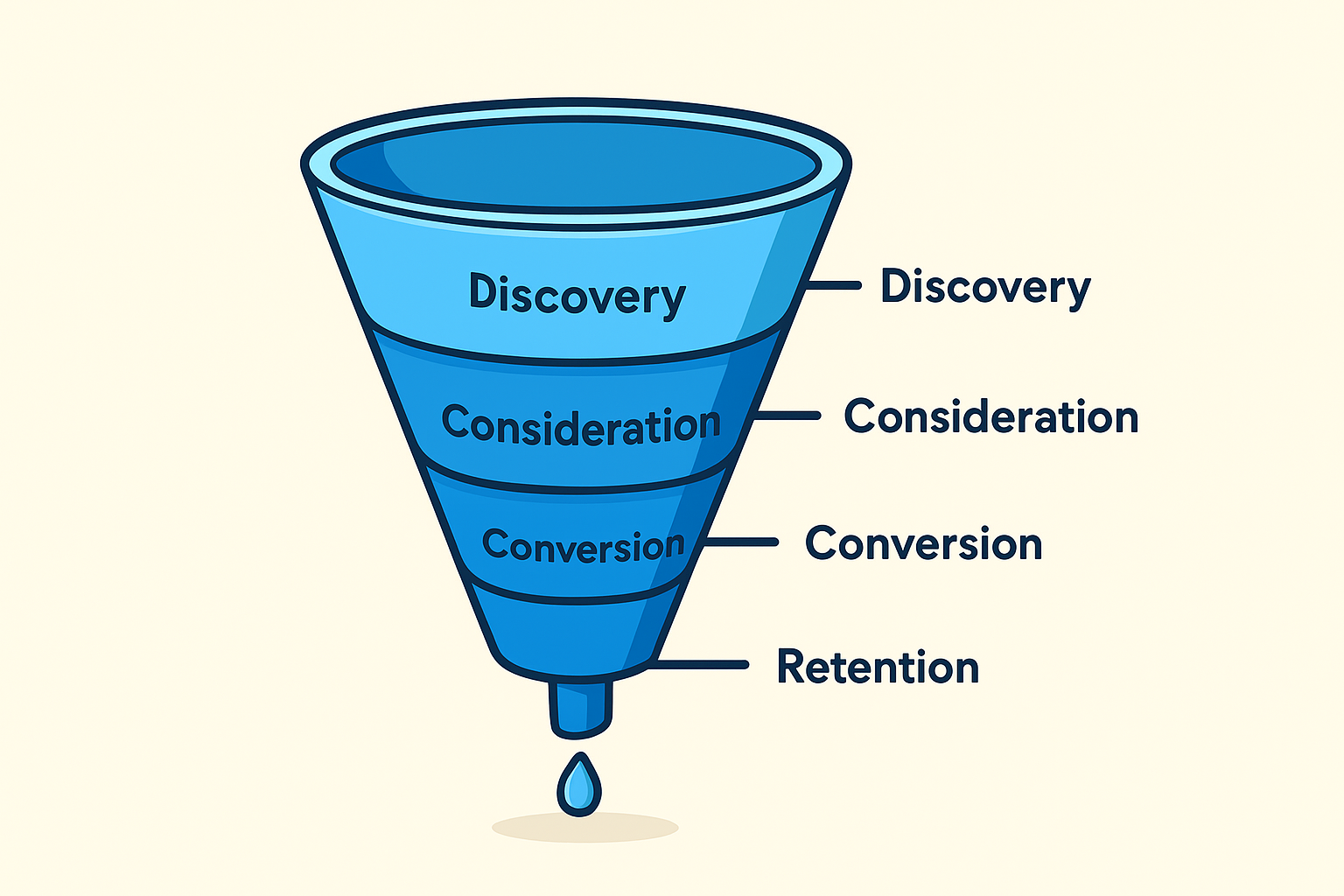
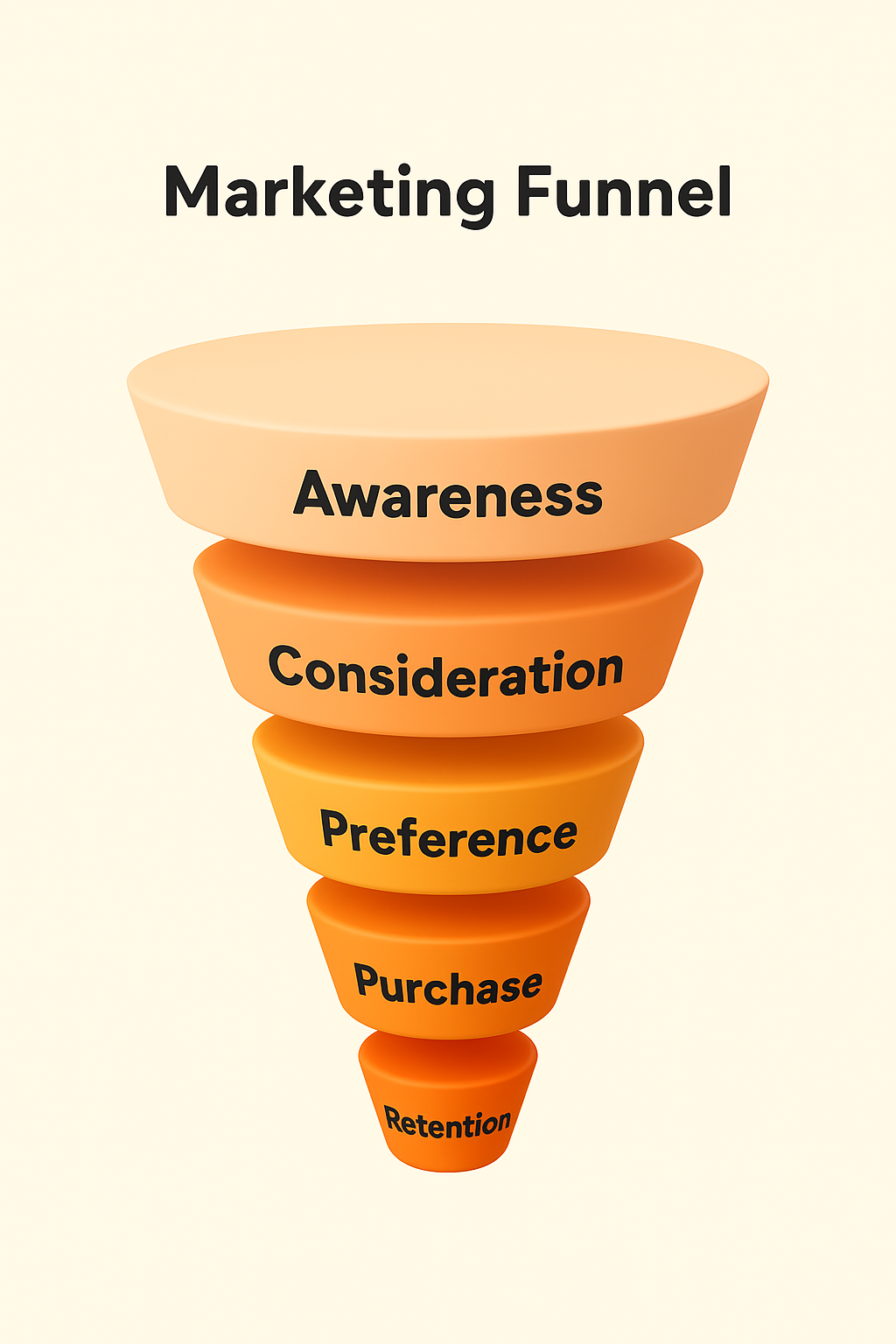
    5. From Awareness to Action: The Social Sales Funnel
    Social platforms have evolved into full-funnel ecosystems:
    • Top of Funnel (Awareness): Viral posts and influencer content spark interest.
    • Middle (Consideration): Case studies, webinars, and comments build trust.
    • Bottom (Decision): Direct links, lead forms, and chatbots convert engagement into sales.
    With AI-driven analytics, brands can now track social touchpoints that lead to conversions — connecting likes and comments directly to pipeline growth.
    The Takeaway
    Social media has redefined buying behavior by merging emotion, trust, and data. The modern buyer expects authenticity, relevance, and responsiveness — all delivered instantly across digital channels.
    For brands, this means success isn’t about shouting the loudest; it’s about building conversations that inspire confidence. Whether B2B or B2C, the brands that win in the social era are the ones that listen first, engage genuinely, and deliver value consistently.
    Read More: https://intentamplify.com/blog/consumer-behaviour/
    How Social Media Influences Modern Buying Decisions In today’s hyperconnected world, social media has become the heartbeat of modern buying behavior. It’s no longer just a channel for brand awareness — it’s where discovery, trust, and decision-making all happen in real time. Whether it’s a B2B executive browsing LinkedIn insights or a consumer scrolling through TikTok reviews, social platforms now shape how we perceive value, compare options, and ultimately, make purchases. 1. The Rise of the Social Buyer The modern buyer doesn’t start their journey on Google — they start on social media. Studies show that over 75% of B2B buyers use social platforms to research vendors, and 90% of consumers say social posts influence their purchasing decisions. Social channels act as both a discovery engine and a trust filter: • Buyers look for authentic experiences shared by peers. • User-generated content (UGC) and influencer reviews carry more weight than brand ads. • Conversations and recommendations build social proof that accelerates decision-making. In short, your social presence isn’t just marketing — it’s your reputation in motion. 2. The Power of Trust and Authenticity Modern buyers are skeptical. They crave authentic voices, not polished sales messages. That’s why micro-influencers, customer testimonials, and employee advocacy programs are outperforming traditional advertising. When real people share genuine insights or experiences, it triggers emotional validation — a critical factor in today’s trust economy. This applies equally in B2B: executives now prefer hearing from industry peers on LinkedIn over reading formal whitepapers. 3. Social Media as the New Research Hub Before engaging a brand, buyers conduct their due diligence across platforms: • LinkedIn: For thought leadership, case studies, and professional credibility. • YouTube: For product tutorials, demos, and reviews. • X (formerly Twitter): For trends, conversations, and expert commentary. • TikTok and Instagram: For authentic, bite-sized content and peer opinions. AI-powered recommendation engines further personalize this experience — curating posts, products, and discussions aligned with user behavior. The result? Social media becomes both the marketplace and the advisor. 4. Social Proof and the Psychology of Influence Humans are wired for validation — we trust what others endorse. • Reviews and testimonials reduce risk perception. • Engagement metrics (likes, shares, comments) act as social cues of credibility. • Influencer collaborations humanize complex offerings, translating features into relatable benefits. In essence, social media has democratized influence — turning every customer into a potential brand ambassador. 5. From Awareness to Action: The Social Sales Funnel Social platforms have evolved into full-funnel ecosystems: • Top of Funnel (Awareness): Viral posts and influencer content spark interest. • Middle (Consideration): Case studies, webinars, and comments build trust. • Bottom (Decision): Direct links, lead forms, and chatbots convert engagement into sales. With AI-driven analytics, brands can now track social touchpoints that lead to conversions — connecting likes and comments directly to pipeline growth. The Takeaway Social media has redefined buying behavior by merging emotion, trust, and data. The modern buyer expects authenticity, relevance, and responsiveness — all delivered instantly across digital channels. For brands, this means success isn’t about shouting the loudest; it’s about building conversations that inspire confidence. Whether B2B or B2C, the brands that win in the social era are the ones that listen first, engage genuinely, and deliver value consistently. Read More: https://intentamplify.com/blog/consumer-behaviour/
    0 Комментарии 0 Поделились
  • What makes AI intent detection the next big differentiator in B2B prospecting?

    In today’s hyper-competitive B2B landscape, timing and relevance are everything. Traditional prospecting models often rely on guesswork—mass emailing, static lead lists, or outdated demographic filters. But modern buyers leave digital footprints everywhere: they read industry blogs, compare vendors, attend webinars, and search for specific solutions. The challenge? Turning all those scattered signals into actionable insight.
    That’s where AI-driven intent detection comes in—and it’s quickly becoming the most powerful differentiator in B2B prospecting.
    1. From Cold Outreach to Contextual Engagement
    The days of cold, spray-and-pray outreach are fading. AI intent detection uses behavioral data—like search queries, content engagement, and time spent on certain topics—to determine who’s in-market and what they’re interested in.
    Instead of targeting 1,000 random contacts, AI helps you identify the 100 who are actively exploring solutions like yours. That means:
    • More relevant messaging
    • Higher open and reply rates
    • Stronger pipeline efficiency
    You’re no longer guessing who might buy—you’re meeting buyers exactly where they are in their journey.
    2. Multi-Signal Analysis for Real Buyer Intent
    Human-led research can’t track thousands of micro-signals across multiple channels. AI can.
    Modern intent detection platforms use machine learning to analyze:
    • Content interactions: Articles, whitepapers, or webinars a lead engages with.
    • Search patterns: Keywords and queries indicating purchase readiness.
    • Social engagement: Comments, shares, and follows that reveal interest trends.
    • Website behavior: Frequency, recency, and depth of visits.
    AI doesn’t just see what someone did—it interprets why. That context transforms raw data into qualified intent.
    3. Predictive Prioritization: Knowing Who’s Ready to Talk
    Not every interested lead is ready to buy—but AI intent models can rank prospects by purchase readiness. Using historical win data, engagement sequences, and firmographics, AI predicts which accounts are most likely to convert next.
    This predictive scoring lets sales teams prioritize high-intent accounts and nurture lower-intent ones with personalized content until they’re ready—creating a smoother, more strategic pipeline flow.
    4. Hyper-Personalized Messaging that Resonates
    Once intent is detected, AI can generate hyper-targeted outreach based on specific pain points or interest areas.
    For example:
    • A prospect researching “AI-powered CRM integrations” might receive an email highlighting your platform’s seamless API connections.
    • Another exploring “data privacy compliance” could see content emphasizing your security certifications.
    This precision transforms outreach from generic to contextual, making every interaction feel timely and relevant.
    5. Shorter Sales Cycles, Smarter Conversions
    By engaging buyers at the right moment with the right message, intent-driven prospecting reduces friction and accelerates decision-making. It enables marketers to nurture leads more intelligently and equips sales teams with deeper insights before the first call.
    In short, AI intent detection replaces outdated, manual prospecting with data-backed foresight—shortening the path from interest to conversion.
    The Future: Predictive Prospecting at Scale
    As AI models continue to evolve, intent detection will move from identifying existing demand to predicting emerging opportunities—alerting teams when a company is about to enter the market for your solution. The companies that harness this power early will own the next generation of B2B growth.
    The Bottom Line
    AI intent detection is not just a marketing add-on—it’s becoming the engine of intelligent B2B prospecting. By revealing who’s ready to buy, why, and when, it gives sales and marketing teams a decisive edge in timing, personalization, and conversion. In a world where attention is scarce, knowing intent is everything.
    Read More: https://intentamplify.com/lead-generation/
    What makes AI intent detection the next big differentiator in B2B prospecting? In today’s hyper-competitive B2B landscape, timing and relevance are everything. Traditional prospecting models often rely on guesswork—mass emailing, static lead lists, or outdated demographic filters. But modern buyers leave digital footprints everywhere: they read industry blogs, compare vendors, attend webinars, and search for specific solutions. The challenge? Turning all those scattered signals into actionable insight. That’s where AI-driven intent detection comes in—and it’s quickly becoming the most powerful differentiator in B2B prospecting. 1. From Cold Outreach to Contextual Engagement The days of cold, spray-and-pray outreach are fading. AI intent detection uses behavioral data—like search queries, content engagement, and time spent on certain topics—to determine who’s in-market and what they’re interested in. Instead of targeting 1,000 random contacts, AI helps you identify the 100 who are actively exploring solutions like yours. That means: • More relevant messaging • Higher open and reply rates • Stronger pipeline efficiency You’re no longer guessing who might buy—you’re meeting buyers exactly where they are in their journey. 2. Multi-Signal Analysis for Real Buyer Intent Human-led research can’t track thousands of micro-signals across multiple channels. AI can. Modern intent detection platforms use machine learning to analyze: • Content interactions: Articles, whitepapers, or webinars a lead engages with. • Search patterns: Keywords and queries indicating purchase readiness. • Social engagement: Comments, shares, and follows that reveal interest trends. • Website behavior: Frequency, recency, and depth of visits. AI doesn’t just see what someone did—it interprets why. That context transforms raw data into qualified intent. 3. Predictive Prioritization: Knowing Who’s Ready to Talk Not every interested lead is ready to buy—but AI intent models can rank prospects by purchase readiness. Using historical win data, engagement sequences, and firmographics, AI predicts which accounts are most likely to convert next. This predictive scoring lets sales teams prioritize high-intent accounts and nurture lower-intent ones with personalized content until they’re ready—creating a smoother, more strategic pipeline flow. 4. Hyper-Personalized Messaging that Resonates Once intent is detected, AI can generate hyper-targeted outreach based on specific pain points or interest areas. For example: • A prospect researching “AI-powered CRM integrations” might receive an email highlighting your platform’s seamless API connections. • Another exploring “data privacy compliance” could see content emphasizing your security certifications. This precision transforms outreach from generic to contextual, making every interaction feel timely and relevant. 5. Shorter Sales Cycles, Smarter Conversions By engaging buyers at the right moment with the right message, intent-driven prospecting reduces friction and accelerates decision-making. It enables marketers to nurture leads more intelligently and equips sales teams with deeper insights before the first call. In short, AI intent detection replaces outdated, manual prospecting with data-backed foresight—shortening the path from interest to conversion. The Future: Predictive Prospecting at Scale As AI models continue to evolve, intent detection will move from identifying existing demand to predicting emerging opportunities—alerting teams when a company is about to enter the market for your solution. The companies that harness this power early will own the next generation of B2B growth. The Bottom Line AI intent detection is not just a marketing add-on—it’s becoming the engine of intelligent B2B prospecting. By revealing who’s ready to buy, why, and when, it gives sales and marketing teams a decisive edge in timing, personalization, and conversion. In a world where attention is scarce, knowing intent is everything. Read More: https://intentamplify.com/lead-generation/
    0 Комментарии 0 Поделились
  • Where in the content marketing funnel (awareness, consideration, decision) does AI provide the most lift?

    AI has revolutionized how marketers attract, engage, and convert audiences across the content marketing funnel. But its impact isn’t evenly distributed—some stages benefit more than others depending on how AI is applied. From uncovering new audiences to predicting purchase intent, AI empowers marketers to move prospects through the funnel more efficiently and intelligently.
    Here’s how AI enhances each stage—and where it delivers the biggest lift:
    1. Awareness Stage: Smarter Reach and Relevance
    At the top of the funnel, AI helps brands reach the right people with the right message at the right time.
    • Audience Targeting: Machine learning analyzes vast data sources (search behavior, social engagement, firmographics) to identify potential buyers long before they enter your CRM.
    • Content Optimization: AI tools like Jasper, MarketMuse, and Grammarly optimize headlines, tone, and SEO keywords for maximum visibility.
    • Predictive Distribution: AI-powered ad platforms determine where your content will perform best—whether on LinkedIn, display ads, or niche industry forums.
    Impact: Improved reach and engagement efficiency. AI ensures awareness campaigns connect with audiences who are more likely to convert later.
    2. Consideration Stage: Intent-Driven Personalization
    This is where AI delivers the greatest lift in the funnel. By this point, prospects are comparing options, seeking deeper insights, and evaluating fit. AI personalizes content experiences to nurture intent and guide decision-making.
    • Predictive Content Recommendations: AI serves relevant whitepapers, case studies, or demos based on a user’s browsing and engagement history.
    • Dynamic Nurturing Flows: Tools like HubSpot AI and 6sense automatically adapt email and retargeting sequences in real time.
    • Behavioral Scoring: AI identifies subtle engagement cues (time on page, scroll depth, sentiment) to prioritize leads likely to advance.
    Impact: Deep personalization, higher engagement, and stronger lead qualification. AI ensures that every piece of content moves the right buyer closer to conversion.
    3. Decision Stage: Predictive Insights & Conversion Optimization
    At the bottom of the funnel, AI fine-tunes the final push.
    • Predictive Lead Scoring: Machine learning models rank prospects based on likelihood to close, giving sales teams clear focus.
    • Chatbots & Virtual Sales Assistants: AI-powered chat tools handle objections, recommend solutions, and even schedule demos in real time.
    • Conversion Optimization: AI-driven A/B testing platforms continuously refine CTAs, pricing pages, and form layouts for higher conversion rates.
    Impact: Shorter sales cycles and improved conversion accuracy.
    The Bottom Line:
    While AI enhances every stage of the content marketing funnel, its biggest lift comes in the consideration phase, where personalization and predictive insights transform how prospects engage and decide. AI doesn’t just deliver content—it delivers context, ensuring that every message aligns perfectly with buyer intent.
    Read More: https://intentamplify.com/lead-generation/
    Where in the content marketing funnel (awareness, consideration, decision) does AI provide the most lift? AI has revolutionized how marketers attract, engage, and convert audiences across the content marketing funnel. But its impact isn’t evenly distributed—some stages benefit more than others depending on how AI is applied. From uncovering new audiences to predicting purchase intent, AI empowers marketers to move prospects through the funnel more efficiently and intelligently. Here’s how AI enhances each stage—and where it delivers the biggest lift: 1. Awareness Stage: Smarter Reach and Relevance At the top of the funnel, AI helps brands reach the right people with the right message at the right time. • Audience Targeting: Machine learning analyzes vast data sources (search behavior, social engagement, firmographics) to identify potential buyers long before they enter your CRM. • Content Optimization: AI tools like Jasper, MarketMuse, and Grammarly optimize headlines, tone, and SEO keywords for maximum visibility. • Predictive Distribution: AI-powered ad platforms determine where your content will perform best—whether on LinkedIn, display ads, or niche industry forums. Impact: Improved reach and engagement efficiency. AI ensures awareness campaigns connect with audiences who are more likely to convert later. 2. Consideration Stage: Intent-Driven Personalization This is where AI delivers the greatest lift in the funnel. By this point, prospects are comparing options, seeking deeper insights, and evaluating fit. AI personalizes content experiences to nurture intent and guide decision-making. • Predictive Content Recommendations: AI serves relevant whitepapers, case studies, or demos based on a user’s browsing and engagement history. • Dynamic Nurturing Flows: Tools like HubSpot AI and 6sense automatically adapt email and retargeting sequences in real time. • Behavioral Scoring: AI identifies subtle engagement cues (time on page, scroll depth, sentiment) to prioritize leads likely to advance. Impact: Deep personalization, higher engagement, and stronger lead qualification. AI ensures that every piece of content moves the right buyer closer to conversion. 3. Decision Stage: Predictive Insights & Conversion Optimization At the bottom of the funnel, AI fine-tunes the final push. • Predictive Lead Scoring: Machine learning models rank prospects based on likelihood to close, giving sales teams clear focus. • Chatbots & Virtual Sales Assistants: AI-powered chat tools handle objections, recommend solutions, and even schedule demos in real time. • Conversion Optimization: AI-driven A/B testing platforms continuously refine CTAs, pricing pages, and form layouts for higher conversion rates. Impact: Shorter sales cycles and improved conversion accuracy. The Bottom Line: While AI enhances every stage of the content marketing funnel, its biggest lift comes in the consideration phase, where personalization and predictive insights transform how prospects engage and decide. AI doesn’t just deliver content—it delivers context, ensuring that every message aligns perfectly with buyer intent. Read More: https://intentamplify.com/lead-generation/
    0 Комментарии 0 Поделились
  • How can AI improve lead quality scoring for B2B pipelines?

    In B2B marketing and sales, the difference between a “good lead” and a “bad lead” can mean months of wasted effort—or a deal closed in record time. Traditional lead scoring models, often based on static demographics and a handful of engagement metrics, simply don’t capture the complexity of modern buying behavior. This is where AI-powered lead quality scoring steps in, making pipelines sharper, smarter, and more revenue-focused.
    🔍 𝐖𝐚𝐲𝐬 𝐀𝐈 𝐢𝐦𝐩𝐫𝐨𝐯𝐞𝐬 𝐥𝐞𝐚𝐝 𝐪𝐮𝐚𝐥𝐢𝐭𝐲 𝐬𝐜𝐨𝐫𝐢𝐧𝐠:
    ✅ Behavioral + Intent Data Integration
    AI goes beyond static data like company size or job title. It analyzes real-time behaviors—website activity, webinar participation, content downloads, and even third-party intent signals (review sites, search queries)—to determine which leads are truly “in-market.”
    ✅ Predictive Scoring Models
    Instead of fixed scoring rules, AI applies machine learning to historical CRM data (wins, losses, deal velocity) to predict which leads resemble past successful conversions. The model gets smarter with every cycle.
    ✅ Multi-Stakeholder Mapping
    B2B deals often involve multiple decision-makers. AI can evaluate the buying committee as a whole—scoring accounts based on collective engagement rather than just individual contacts.
    ✅ Dynamic, Real-Time Updates
    Unlike static models, AI continuously updates scores as new interactions occur. A lead who moves from casual blog reading to requesting a demo can see their score instantly rise, alerting sales in real time.
    ✅ Noise Reduction
    AI filters out false positives—like students downloading whitepapers or vendors researching competitors—so only high-quality, sales-ready leads reach the pipeline.
    ✅ CRM + Marketing Automation Alignment
    Platforms like Salesforce Einstein, HubSpot AI, and 6sense integrate AI scoring directly into workflows, ensuring sales reps spend time on the most promising accounts.
    📌 𝐓𝐡𝐞 𝐁𝐢𝐠 𝐏𝐢𝐜𝐭𝐮𝐫𝐞:
    AI transforms lead quality scoring from a guessing game into a precision engine. By combining predictive analytics, intent signals, and real-time updates, AI ensures that sales teams focus on leads most likely to close—shortening sales cycles and maximizing ROI.
    Read More: https://intentamplify.com/lead-generation/
    How can AI improve lead quality scoring for B2B pipelines? In B2B marketing and sales, the difference between a “good lead” and a “bad lead” can mean months of wasted effort—or a deal closed in record time. Traditional lead scoring models, often based on static demographics and a handful of engagement metrics, simply don’t capture the complexity of modern buying behavior. This is where AI-powered lead quality scoring steps in, making pipelines sharper, smarter, and more revenue-focused. 🔍 𝐖𝐚𝐲𝐬 𝐀𝐈 𝐢𝐦𝐩𝐫𝐨𝐯𝐞𝐬 𝐥𝐞𝐚𝐝 𝐪𝐮𝐚𝐥𝐢𝐭𝐲 𝐬𝐜𝐨𝐫𝐢𝐧𝐠: ✅ Behavioral + Intent Data Integration AI goes beyond static data like company size or job title. It analyzes real-time behaviors—website activity, webinar participation, content downloads, and even third-party intent signals (review sites, search queries)—to determine which leads are truly “in-market.” ✅ Predictive Scoring Models Instead of fixed scoring rules, AI applies machine learning to historical CRM data (wins, losses, deal velocity) to predict which leads resemble past successful conversions. The model gets smarter with every cycle. ✅ Multi-Stakeholder Mapping B2B deals often involve multiple decision-makers. AI can evaluate the buying committee as a whole—scoring accounts based on collective engagement rather than just individual contacts. ✅ Dynamic, Real-Time Updates Unlike static models, AI continuously updates scores as new interactions occur. A lead who moves from casual blog reading to requesting a demo can see their score instantly rise, alerting sales in real time. ✅ Noise Reduction AI filters out false positives—like students downloading whitepapers or vendors researching competitors—so only high-quality, sales-ready leads reach the pipeline. ✅ CRM + Marketing Automation Alignment Platforms like Salesforce Einstein, HubSpot AI, and 6sense integrate AI scoring directly into workflows, ensuring sales reps spend time on the most promising accounts. 📌 𝐓𝐡𝐞 𝐁𝐢𝐠 𝐏𝐢𝐜𝐭𝐮𝐫𝐞: AI transforms lead quality scoring from a guessing game into a precision engine. By combining predictive analytics, intent signals, and real-time updates, AI ensures that sales teams focus on leads most likely to close—shortening sales cycles and maximizing ROI. Read More: https://intentamplify.com/lead-generation/
    0 Комментарии 0 Поделились
  • What role does AI play in creating hyper-targeted content to reach “in-market” buyers?

    In B2B marketing, timing is everything. Reaching buyers who are already “in-market”—actively researching solutions and showing intent—can dramatically shorten sales cycles. This is where AI becomes a game-changer, enabling marketers to not only identify in-market prospects but also create hyper-targeted content that speaks directly to their needs.
    🔍 𝐇𝐨𝐰 𝐀𝐈 𝐩𝐨𝐰𝐞𝐫𝐬 𝐡𝐲𝐩𝐞𝐫-𝐭𝐚𝐫𝐠𝐞𝐭𝐞𝐝 𝐜𝐨𝐧𝐭𝐞𝐧𝐭 𝐟𝐨𝐫 𝐢𝐧-𝐦𝐚𝐫𝐤𝐞𝐭 𝐛𝐮𝐲𝐞𝐫𝐬:
    ✅ Intent Data + Predictive Analytics
    AI tools analyze buying signals—such as keyword searches, review site visits, webinar attendance, and competitor research—to pinpoint accounts that are closest to making a purchase. This ensures content isn’t wasted on casual browsers but focused on those ready to act.
    ✅ Dynamic Content Personalization
    AI tailors messaging by account, role, or even individual buyer behavior. For example, a CMO might see ROI-focused case studies, while a CTO receives technical product breakdowns. The right message hits the right person at the right time.
    ✅ Generative AI for Scaled Personalization
    Instead of generic whitepapers, AI generates customized content variations—emails, landing pages, or ads—that reflect industry, pain points, and stage in the funnel, all without adding overhead for marketing teams.
    ✅ Real-Time Optimization
    AI continuously tracks engagement and intent shifts. If a buyer moves from research to evaluation, content recommendations adapt automatically—delivering decision-stage proof points like ROI calculators or demo invites.
    ✅ ABM Alignment
    Within Account-Based Marketing campaigns, AI ensures content is hyper-relevant not just to companies, but to the buying committees inside them—bridging sales and marketing efforts seamlessly.
    📌 𝐓𝐡𝐞 𝐁𝐢𝐠 𝐏𝐢𝐜𝐭𝐮𝐫𝐞:
    AI isn’t just personalizing content—it’s orchestrating timing, context, and relevance at scale. By aligning content strategies with real-time intent data, marketers can cut through the noise and engage in-market buyers with precision, ultimately driving higher conversions and faster deal cycles.
    Read More: https://intentamplify.com/lead-generation/
    What role does AI play in creating hyper-targeted content to reach “in-market” buyers? In B2B marketing, timing is everything. Reaching buyers who are already “in-market”—actively researching solutions and showing intent—can dramatically shorten sales cycles. This is where AI becomes a game-changer, enabling marketers to not only identify in-market prospects but also create hyper-targeted content that speaks directly to their needs. 🔍 𝐇𝐨𝐰 𝐀𝐈 𝐩𝐨𝐰𝐞𝐫𝐬 𝐡𝐲𝐩𝐞𝐫-𝐭𝐚𝐫𝐠𝐞𝐭𝐞𝐝 𝐜𝐨𝐧𝐭𝐞𝐧𝐭 𝐟𝐨𝐫 𝐢𝐧-𝐦𝐚𝐫𝐤𝐞𝐭 𝐛𝐮𝐲𝐞𝐫𝐬: ✅ Intent Data + Predictive Analytics AI tools analyze buying signals—such as keyword searches, review site visits, webinar attendance, and competitor research—to pinpoint accounts that are closest to making a purchase. This ensures content isn’t wasted on casual browsers but focused on those ready to act. ✅ Dynamic Content Personalization AI tailors messaging by account, role, or even individual buyer behavior. For example, a CMO might see ROI-focused case studies, while a CTO receives technical product breakdowns. The right message hits the right person at the right time. ✅ Generative AI for Scaled Personalization Instead of generic whitepapers, AI generates customized content variations—emails, landing pages, or ads—that reflect industry, pain points, and stage in the funnel, all without adding overhead for marketing teams. ✅ Real-Time Optimization AI continuously tracks engagement and intent shifts. If a buyer moves from research to evaluation, content recommendations adapt automatically—delivering decision-stage proof points like ROI calculators or demo invites. ✅ ABM Alignment Within Account-Based Marketing campaigns, AI ensures content is hyper-relevant not just to companies, but to the buying committees inside them—bridging sales and marketing efforts seamlessly. 📌 𝐓𝐡𝐞 𝐁𝐢𝐠 𝐏𝐢𝐜𝐭𝐮𝐫𝐞: AI isn’t just personalizing content—it’s orchestrating timing, context, and relevance at scale. By aligning content strategies with real-time intent data, marketers can cut through the noise and engage in-market buyers with precision, ultimately driving higher conversions and faster deal cycles. Read More: https://intentamplify.com/lead-generation/
    0 Комментарии 0 Поделились
  • How to build a full-funnel content strategy that aligns with intent signals to drive conversions

    In B2B marketing, content isn’t just about filling pipelines—it’s about meeting buyers where they are in their journey. With the rise of intent signals—digital breadcrumbs like searches, downloads, event attendance, or product comparisons—marketers now have the tools to align content with real-time buyer needs. The result? A full-funnel strategy that drives meaningful engagement and higher conversions.
    🔍 𝐇𝐞𝐫𝐞’𝐬 𝐡𝐨𝐰 𝐭𝐨 𝐛𝐮𝐢𝐥𝐝 𝐚 𝐟𝐮𝐥𝐥-𝐟𝐮𝐧𝐧𝐞𝐥 𝐜𝐨𝐧𝐭𝐞𝐧𝐭 𝐬𝐭𝐫𝐚𝐭𝐞𝐠𝐲 𝐚𝐫𝐨𝐮𝐧𝐝 𝐢𝐧𝐭𝐞𝐧𝐭 𝐬𝐢𝐠𝐧𝐚𝐥𝐬:
    ✅ Top of Funnel (Awareness: Weak Intent Signals)
    • Buyers show light research behavior—visiting blogs, reading thought leadership, or searching broad topics.
    • Content Strategy: Educational blog posts, industry reports, podcasts, and social content.
    • Goal: Build trust and position your brand as a credible voice before buyers even enter the market.
    ✅ Middle of Funnel (Consideration: Moderate Intent Signals)
    • Signals include webinar sign-ups, product comparison searches, or engagement with case studies.
    • Content Strategy: Whitepapers, product explainers, customer success stories, and gated assets.
    • Goal: Nurture interest by addressing pain points and mapping solutions to their specific challenges.
    ✅ Bottom of Funnel (Decision: High Intent Signals)
    • Buyers request demos, pricing information, or engage with vendor-specific reviews.
    • Content Strategy: ROI calculators, product demos, competitor comparison guides, and personalized proposals.
    • Goal: Convert interest into action by showing value, differentiation, and clear ROI.
    ✅ Post-Purchase (Expansion: Loyalty Signals)
    • Customers engage in product forums, training, or advanced feature searches.
    • Content Strategy: Onboarding guides, knowledge bases, upsell webinars, and community-driven content.
    • Goal: Strengthen relationships and create brand advocates for cross-sell and upsell opportunities.
    📌 𝐓𝐡𝐞 𝐁𝐢𝐠 𝐏𝐢𝐜𝐭𝐮𝐫𝐞:
    A full-funnel content strategy is no longer static—it must adapt to real-time intent signals. By aligning content with what buyers are actively seeking, brands can stop guessing and start orchestrating a journey that shortens sales cycles, boosts conversion rates, and deepens customer relationships.
    Read More: https://intentamplify.com/lead-generation/

    How to build a full-funnel content strategy that aligns with intent signals to drive conversions In B2B marketing, content isn’t just about filling pipelines—it’s about meeting buyers where they are in their journey. With the rise of intent signals—digital breadcrumbs like searches, downloads, event attendance, or product comparisons—marketers now have the tools to align content with real-time buyer needs. The result? A full-funnel strategy that drives meaningful engagement and higher conversions. 🔍 𝐇𝐞𝐫𝐞’𝐬 𝐡𝐨𝐰 𝐭𝐨 𝐛𝐮𝐢𝐥𝐝 𝐚 𝐟𝐮𝐥𝐥-𝐟𝐮𝐧𝐧𝐞𝐥 𝐜𝐨𝐧𝐭𝐞𝐧𝐭 𝐬𝐭𝐫𝐚𝐭𝐞𝐠𝐲 𝐚𝐫𝐨𝐮𝐧𝐝 𝐢𝐧𝐭𝐞𝐧𝐭 𝐬𝐢𝐠𝐧𝐚𝐥𝐬: ✅ Top of Funnel (Awareness: Weak Intent Signals) • Buyers show light research behavior—visiting blogs, reading thought leadership, or searching broad topics. • Content Strategy: Educational blog posts, industry reports, podcasts, and social content. • Goal: Build trust and position your brand as a credible voice before buyers even enter the market. ✅ Middle of Funnel (Consideration: Moderate Intent Signals) • Signals include webinar sign-ups, product comparison searches, or engagement with case studies. • Content Strategy: Whitepapers, product explainers, customer success stories, and gated assets. • Goal: Nurture interest by addressing pain points and mapping solutions to their specific challenges. ✅ Bottom of Funnel (Decision: High Intent Signals) • Buyers request demos, pricing information, or engage with vendor-specific reviews. • Content Strategy: ROI calculators, product demos, competitor comparison guides, and personalized proposals. • Goal: Convert interest into action by showing value, differentiation, and clear ROI. ✅ Post-Purchase (Expansion: Loyalty Signals) • Customers engage in product forums, training, or advanced feature searches. • Content Strategy: Onboarding guides, knowledge bases, upsell webinars, and community-driven content. • Goal: Strengthen relationships and create brand advocates for cross-sell and upsell opportunities. 📌 𝐓𝐡𝐞 𝐁𝐢𝐠 𝐏𝐢𝐜𝐭𝐮𝐫𝐞: A full-funnel content strategy is no longer static—it must adapt to real-time intent signals. By aligning content with what buyers are actively seeking, brands can stop guessing and start orchestrating a journey that shortens sales cycles, boosts conversion rates, and deepens customer relationships. Read More: https://intentamplify.com/lead-generation/
    0 Комментарии 0 Поделились
Нет данных для отображения