• How will multimodal AI (voice, video, text) redefine virtual B2B prospecting?

    The way B2B professionals connect, pitch, and build trust is changing fast. In the past, prospecting meant cold emails, templated LinkedIn messages, or lengthy discovery calls. But as digital interactions become more complex and buyers demand authenticity, multimodal AI — systems that understand and generate voice, video, and text simultaneously — is poised to transform virtual B2B prospecting forever.
    This next generation of AI doesn’t just process language — it perceives tone, emotion, facial cues, and context. It’s ushering in a future where sales teams can communicate more naturally, personalize at scale, and build relationships that feel human, not automated.
    1. From Text-Only to Context-Aware Conversations
    Traditional chatbots and AI assistants rely solely on text input. Multimodal AI, however, can interpret voice intonation, visual cues, and written language together — allowing it to respond with emotional intelligence.
    Imagine an AI prospecting assistant that can:
    • Analyze a prospect’s tone in a recorded call to detect interest or hesitation.
    • Adjust follow-up messaging based on facial sentiment (e.g., confusion during a demo).
    • Combine written email insights with verbal feedback to tailor the next outreach.
    This shift makes digital interactions feel less transactional and more relational — bridging the emotional gap often lost in virtual communication.
    2. Hyper-Personalized Outreach Through Multimodal Insights
    AI can now synthesize data from videos, voice calls, and text exchanges to build detailed buyer profiles. For example:
    • Voice analysis can reveal enthusiasm, hesitation, or frustration.
    • Video recognition can identify engagement cues (like nodding or note-taking).
    • Text analysis decodes priorities and decision-making language.
    By merging these signals, multimodal AI creates a 360-degree understanding of each prospect’s communication style, preferences, and buying intent — enabling hyper-personalized outreach that resonates on a human level.
    3. AI-Powered Virtual Sales Assistants
    Tomorrow’s sales reps won’t prospect alone. They’ll work alongside AI co-pilots that can join virtual meetings, summarize discussions, and even suggest real-time adjustments.
    For instance:
    • During a Zoom call, an AI agent could analyze the prospect’s tone and prompt the rep to clarify a point or offer a relevant case study.
    • Afterward, it could automatically draft a personalized recap email summarizing key concerns and next steps.
    These intelligent assistants will handle administrative tasks and emotional analysis simultaneously, freeing human reps to focus on storytelling, empathy, and closing deals.
    4. Automated Video and Voice Outreach at Scale
    Generative AI can now produce synthetic yet natural-sounding voice and video content. Soon, B2B marketers will be able to create personalized video intros or follow-ups — with AI dynamically adjusting the message, tone, and even visual elements for each prospect.
    Example: A SaaS company could send 500 AI-personalized video messages — each greeting the recipient by name, referencing their company, and addressing their pain point — all generated in minutes, not weeks.
    This blends automation with intimacy, turning outreach into an experience rather than a task.
    5. Real-Time Learning and Adaptive Selling
    Multimodal AI thrives on feedback. It can continuously learn from thousands of interactions — which tone performs best, what body language predicts conversion, what phrases increase engagement — and provide data-driven coaching to sales teams.
    This not only improves performance but also ensures consistent, high-quality communication across distributed sales organizations.
    6. A Human-AI Hybrid Future
    The goal of multimodal AI isn’t to replace human sales reps — it’s to enhance human empathy with machine precision. By offloading repetitive tasks, analyzing subtle cues, and generating personalized content, AI allows sales professionals to focus on building real relationships.
    In essence, AI handles the “how” — data, timing, and optimization — while humans drive the “why” — meaning, strategy, and trust.
    The Bottom Line
    Multimodal AI represents the next quantum leap in B2B prospecting — moving beyond cold outreach into emotionally intelligent, adaptive engagement. By combining voice, video, and text, it gives AI the sensory depth to truly understand prospects, not just contact them.
    The result? Smarter prospecting, warmer connections, and a future where every virtual touchpoint feels as genuine as a handshake.
    Read More: https://intentamplify.com/lead-generation/
    How will multimodal AI (voice, video, text) redefine virtual B2B prospecting? The way B2B professionals connect, pitch, and build trust is changing fast. In the past, prospecting meant cold emails, templated LinkedIn messages, or lengthy discovery calls. But as digital interactions become more complex and buyers demand authenticity, multimodal AI — systems that understand and generate voice, video, and text simultaneously — is poised to transform virtual B2B prospecting forever. This next generation of AI doesn’t just process language — it perceives tone, emotion, facial cues, and context. It’s ushering in a future where sales teams can communicate more naturally, personalize at scale, and build relationships that feel human, not automated. 1. From Text-Only to Context-Aware Conversations Traditional chatbots and AI assistants rely solely on text input. Multimodal AI, however, can interpret voice intonation, visual cues, and written language together — allowing it to respond with emotional intelligence. Imagine an AI prospecting assistant that can: • Analyze a prospect’s tone in a recorded call to detect interest or hesitation. • Adjust follow-up messaging based on facial sentiment (e.g., confusion during a demo). • Combine written email insights with verbal feedback to tailor the next outreach. This shift makes digital interactions feel less transactional and more relational — bridging the emotional gap often lost in virtual communication. 2. Hyper-Personalized Outreach Through Multimodal Insights AI can now synthesize data from videos, voice calls, and text exchanges to build detailed buyer profiles. For example: • Voice analysis can reveal enthusiasm, hesitation, or frustration. • Video recognition can identify engagement cues (like nodding or note-taking). • Text analysis decodes priorities and decision-making language. By merging these signals, multimodal AI creates a 360-degree understanding of each prospect’s communication style, preferences, and buying intent — enabling hyper-personalized outreach that resonates on a human level. 3. AI-Powered Virtual Sales Assistants Tomorrow’s sales reps won’t prospect alone. They’ll work alongside AI co-pilots that can join virtual meetings, summarize discussions, and even suggest real-time adjustments. For instance: • During a Zoom call, an AI agent could analyze the prospect’s tone and prompt the rep to clarify a point or offer a relevant case study. • Afterward, it could automatically draft a personalized recap email summarizing key concerns and next steps. These intelligent assistants will handle administrative tasks and emotional analysis simultaneously, freeing human reps to focus on storytelling, empathy, and closing deals. 4. Automated Video and Voice Outreach at Scale Generative AI can now produce synthetic yet natural-sounding voice and video content. Soon, B2B marketers will be able to create personalized video intros or follow-ups — with AI dynamically adjusting the message, tone, and even visual elements for each prospect. Example: A SaaS company could send 500 AI-personalized video messages — each greeting the recipient by name, referencing their company, and addressing their pain point — all generated in minutes, not weeks. This blends automation with intimacy, turning outreach into an experience rather than a task. 5. Real-Time Learning and Adaptive Selling Multimodal AI thrives on feedback. It can continuously learn from thousands of interactions — which tone performs best, what body language predicts conversion, what phrases increase engagement — and provide data-driven coaching to sales teams. This not only improves performance but also ensures consistent, high-quality communication across distributed sales organizations. 6. A Human-AI Hybrid Future The goal of multimodal AI isn’t to replace human sales reps — it’s to enhance human empathy with machine precision. By offloading repetitive tasks, analyzing subtle cues, and generating personalized content, AI allows sales professionals to focus on building real relationships. In essence, AI handles the “how” — data, timing, and optimization — while humans drive the “why” — meaning, strategy, and trust. The Bottom Line Multimodal AI represents the next quantum leap in B2B prospecting — moving beyond cold outreach into emotionally intelligent, adaptive engagement. By combining voice, video, and text, it gives AI the sensory depth to truly understand prospects, not just contact them. The result? Smarter prospecting, warmer connections, and a future where every virtual touchpoint feels as genuine as a handshake. Read More: https://intentamplify.com/lead-generation/
    0 Комментарии 0 Поделились
  • When will AI bots start managing entire B2B nurture sequences autonomously?

    The B2B marketing landscape is evolving faster than ever. What once took teams of marketers, data analysts, and SDRs is now being streamlined by AI-powered automation. But a new frontier is emerging — one where AI bots don’t just assist in lead nurturing; they manage the entire process autonomously.
    So the real question isn’t if this will happen — it’s when.
    1. The Evolution Toward Full Autonomy
    Today, most B2B nurture sequences rely on human-defined workflows: marketers set triggers, schedule follow-ups, and manually adjust campaigns. AI already assists with optimization — analyzing performance, personalizing emails, or predicting conversion points.
    But we’re now entering the next phase: autonomous nurture orchestration, where AI bots:
    • Identify leads from multiple data sources
    • Craft tailored, multi-touch messages
    • Choose the best communication channels (email, LinkedIn, chat, ads)
    • Adjust timing and tone based on engagement behavior
    • Hand off high-intent leads to sales — automatically
    This is no longer science fiction — it’s the logical progression of current AI capabilities.
    2. The Building Blocks Are Already Here
    a. Predictive Lead Scoring
    AI models are now sophisticated enough to rank leads dynamically based on real-time behavior and historical data. They understand who’s most likely to convert before a human ever looks at the CRM.
    b. Generative Personalization
    Large Language Models (LLMs) like GPT-5 can generate customized messages for each lead — reflecting tone, industry, and buyer stage — without sounding robotic. This means every prospect can receive content that feels written just for them.
    c. Multi-Channel Automation
    AI tools can already synchronize messages across email, social, and in-app platforms. In 2025, we’re seeing early versions of AI-driven campaign managers that autonomously test variations, adjust messaging frequency, and route prospects between channels based on engagement.
    d. Adaptive Learning Systems
    Machine learning enables AI to analyze campaign outcomes and continuously improve its decisions — fine-tuning subject lines, sequencing order, and even budget allocation without human intervention.
    3. The Timeline: From Assisted to Autonomous
    • 2024–2025: AI copilots (like HubSpot AI and Salesforce Einstein) assist marketers by suggesting nurture flows, writing content, and analyzing engagement data.
    • 2026–2027: Advanced AI agents begin autonomously managing low-risk nurture campaigns — small-scale experiments with limited oversight.
    • 2028 and Beyond: Full-scale autonomous systems emerge, capable of managing complex, multi-channel nurture programs end-to-end — including lead segmentation, A/B testing, and real-time optimization.
    By the end of the decade, human marketers will act more as strategic overseers — defining brand voice, ethics, and high-level goals — while AI bots handle execution, personalization, and performance tuning at scale.
    4. What Still Needs to Happen
    • Trust & Transparency: Marketers must ensure AI-driven communication remains authentic, accurate, and compliant with brand guidelines.
    • Integration Across Stacks: Seamless interoperability between CRMs, automation platforms, and AI systems is crucial.
    • Human Oversight in Key Moments: While AI can nurture, humans still close — emotional intelligence and strategic creativity remain irreplaceable.
    The Bottom Line
    AI bots managing entire B2B nurture sequences autonomously isn’t a distant dream — it’s a 5-year reality. The pieces are already in place: predictive analytics, generative personalization, and self-learning algorithms.
    Soon, “set and forget” won’t mean automated email drips — it’ll mean a fully autonomous AI marketer that can discover, engage, and qualify leads while your team focuses on strategy, creativity, and relationships.
    The future of B2B nurturing isn’t about working harder — it’s about letting AI work smarter.
    Read More: https://intentamplify.com/lead-generation/
    When will AI bots start managing entire B2B nurture sequences autonomously? The B2B marketing landscape is evolving faster than ever. What once took teams of marketers, data analysts, and SDRs is now being streamlined by AI-powered automation. But a new frontier is emerging — one where AI bots don’t just assist in lead nurturing; they manage the entire process autonomously. So the real question isn’t if this will happen — it’s when. 1. The Evolution Toward Full Autonomy Today, most B2B nurture sequences rely on human-defined workflows: marketers set triggers, schedule follow-ups, and manually adjust campaigns. AI already assists with optimization — analyzing performance, personalizing emails, or predicting conversion points. But we’re now entering the next phase: autonomous nurture orchestration, where AI bots: • Identify leads from multiple data sources • Craft tailored, multi-touch messages • Choose the best communication channels (email, LinkedIn, chat, ads) • Adjust timing and tone based on engagement behavior • Hand off high-intent leads to sales — automatically This is no longer science fiction — it’s the logical progression of current AI capabilities. 2. The Building Blocks Are Already Here a. Predictive Lead Scoring AI models are now sophisticated enough to rank leads dynamically based on real-time behavior and historical data. They understand who’s most likely to convert before a human ever looks at the CRM. b. Generative Personalization Large Language Models (LLMs) like GPT-5 can generate customized messages for each lead — reflecting tone, industry, and buyer stage — without sounding robotic. This means every prospect can receive content that feels written just for them. c. Multi-Channel Automation AI tools can already synchronize messages across email, social, and in-app platforms. In 2025, we’re seeing early versions of AI-driven campaign managers that autonomously test variations, adjust messaging frequency, and route prospects between channels based on engagement. d. Adaptive Learning Systems Machine learning enables AI to analyze campaign outcomes and continuously improve its decisions — fine-tuning subject lines, sequencing order, and even budget allocation without human intervention. 3. The Timeline: From Assisted to Autonomous • 2024–2025: AI copilots (like HubSpot AI and Salesforce Einstein) assist marketers by suggesting nurture flows, writing content, and analyzing engagement data. • 2026–2027: Advanced AI agents begin autonomously managing low-risk nurture campaigns — small-scale experiments with limited oversight. • 2028 and Beyond: Full-scale autonomous systems emerge, capable of managing complex, multi-channel nurture programs end-to-end — including lead segmentation, A/B testing, and real-time optimization. By the end of the decade, human marketers will act more as strategic overseers — defining brand voice, ethics, and high-level goals — while AI bots handle execution, personalization, and performance tuning at scale. 4. What Still Needs to Happen • Trust & Transparency: Marketers must ensure AI-driven communication remains authentic, accurate, and compliant with brand guidelines. • Integration Across Stacks: Seamless interoperability between CRMs, automation platforms, and AI systems is crucial. • Human Oversight in Key Moments: While AI can nurture, humans still close — emotional intelligence and strategic creativity remain irreplaceable. The Bottom Line AI bots managing entire B2B nurture sequences autonomously isn’t a distant dream — it’s a 5-year reality. The pieces are already in place: predictive analytics, generative personalization, and self-learning algorithms. Soon, “set and forget” won’t mean automated email drips — it’ll mean a fully autonomous AI marketer that can discover, engage, and qualify leads while your team focuses on strategy, creativity, and relationships. The future of B2B nurturing isn’t about working harder — it’s about letting AI work smarter. Read More: https://intentamplify.com/lead-generation/
    0 Комментарии 0 Поделились
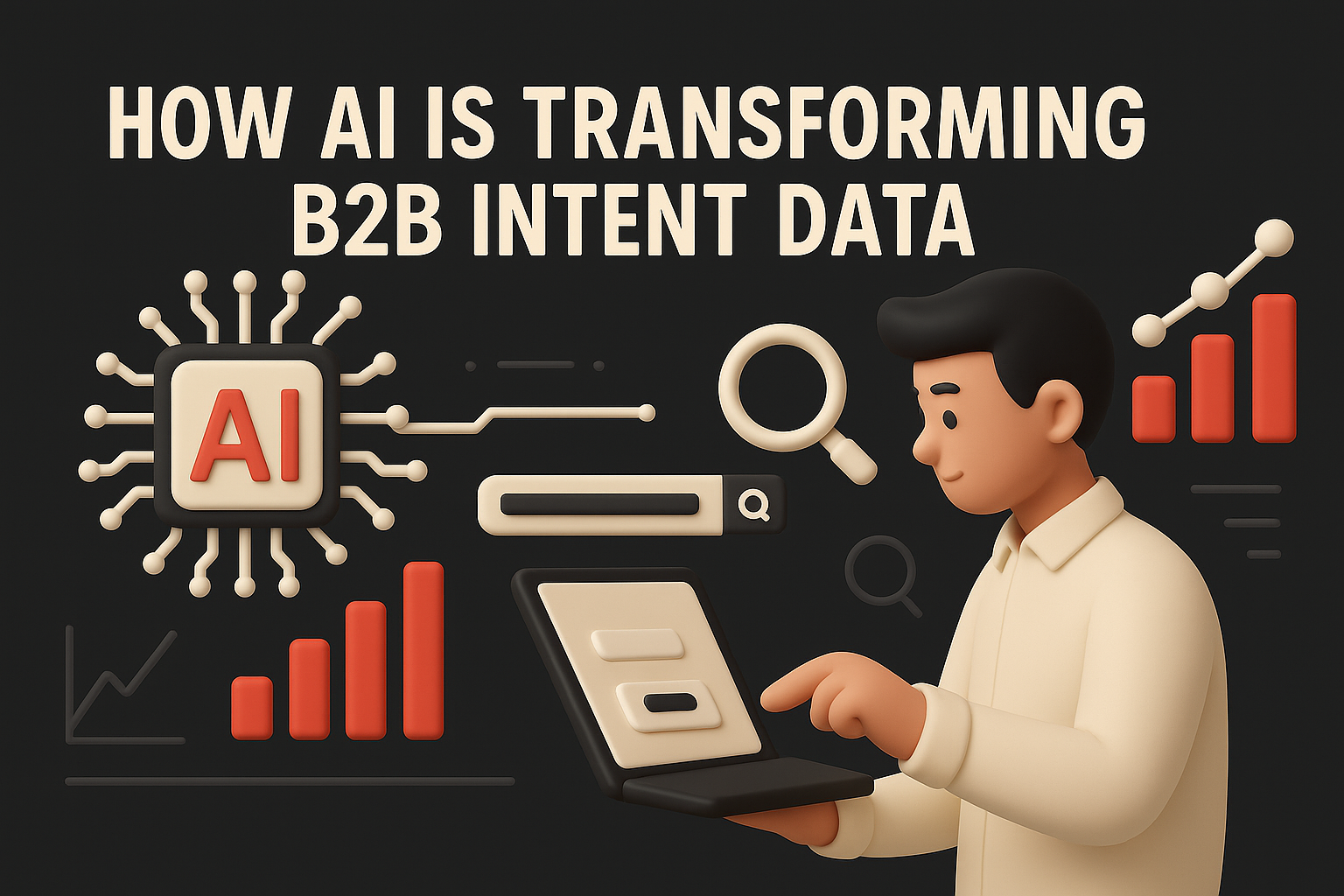
  • How can AI and LLMs help sales teams draft hyper-personalized LinkedIn messages?

    In the B2B world, LinkedIn has become the new sales floor—a space where relationships begin, deals are sparked, and thought leadership drives credibility. But with hundreds of outreach messages sent daily, most still fall flat. Why? Because they sound generic. The key to breaking through isn’t just automation—it’s authentic personalization at scale, and that’s where AI and large language models (LLMs) are redefining the game.
    Let’s explore how these technologies are helping sales teams craft LinkedIn messages that sound human, relevant, and relationship-driven—without the copy-paste feel.
    1. Intelligent Prospect Research in Seconds
    AI-powered tools can instantly analyze a prospect’s LinkedIn profile, recent posts, company news, and mutual connections to identify talking points. Instead of spending 10–15 minutes researching each lead, LLMs summarize insights like:
    • Shared interests or industry events attended
    • Common professional challenges based on their role
    • Company updates, funding news, or hiring trends
    2. Tone Adaptation and Brand Voice Alignment
    LLMs can mirror your company’s brand voice and adjust tone based on who you’re messaging—formal for executives, conversational for peers, or enthusiastic for startup founders. This adaptive tone modulation ensures outreach feels natural and aligned with both sender and recipient personality styles.
    Sales teams can even fine-tune prompts like “make this sound friendly but professional” or “add a touch of humor,” letting the AI craft messages that feel written by a real person, not a template.
    3. Hyper-Personalized Templates That Evolve
    Rather than static message templates, AI can create dynamic frameworks that evolve as it learns from engagement data. If a certain phrasing or intro gets better replies, the LLM adapts future drafts automatically.
    It can incorporate details such as:
    • Job title relevance (“As a RevOps leader…”)
    • Engagement cues (“Saw you commented on…” )
    • Industry-specific challenges (“AI adoption in logistics is accelerating fast—what’s your view?”)
    This kind of scalable personalization means every message feels handcrafted—at volume.
    4. Conversation Continuation and Follow-Up Drafting
    AI agents don’t just write first messages—they help sustain conversations. By analyzing tone, response history, and sentiment, LLMs can suggest natural follow-ups, reminders, or even content recommendations (like sharing a relevant case study or article).
    5. Data-Driven Optimization Across Campaigns
    By analyzing response rates, read times, and message sentiment, AI can recommend what’s working—and what’s not. It helps sales leaders identify which tone, structure, or topics resonate best across industries, enabling continuous improvement of outreach strategies.
    The Bottom Line
    AI and LLMs are revolutionizing LinkedIn outreach by combining contextual intelligence, tone sensitivity, and adaptive learning. They help sales teams move from generic automation to authentic personalization—building trust, not noise. The result? Fewer ignored messages, stronger connections, and higher conversion rates.
    Read More: https://intentamplify.com/lead-generation/
    How can AI and LLMs help sales teams draft hyper-personalized LinkedIn messages? In the B2B world, LinkedIn has become the new sales floor—a space where relationships begin, deals are sparked, and thought leadership drives credibility. But with hundreds of outreach messages sent daily, most still fall flat. Why? Because they sound generic. The key to breaking through isn’t just automation—it’s authentic personalization at scale, and that’s where AI and large language models (LLMs) are redefining the game. Let’s explore how these technologies are helping sales teams craft LinkedIn messages that sound human, relevant, and relationship-driven—without the copy-paste feel. 1. Intelligent Prospect Research in Seconds AI-powered tools can instantly analyze a prospect’s LinkedIn profile, recent posts, company news, and mutual connections to identify talking points. Instead of spending 10–15 minutes researching each lead, LLMs summarize insights like: • Shared interests or industry events attended • Common professional challenges based on their role • Company updates, funding news, or hiring trends 2. Tone Adaptation and Brand Voice Alignment LLMs can mirror your company’s brand voice and adjust tone based on who you’re messaging—formal for executives, conversational for peers, or enthusiastic for startup founders. This adaptive tone modulation ensures outreach feels natural and aligned with both sender and recipient personality styles. Sales teams can even fine-tune prompts like “make this sound friendly but professional” or “add a touch of humor,” letting the AI craft messages that feel written by a real person, not a template. 3. Hyper-Personalized Templates That Evolve Rather than static message templates, AI can create dynamic frameworks that evolve as it learns from engagement data. If a certain phrasing or intro gets better replies, the LLM adapts future drafts automatically. It can incorporate details such as: • Job title relevance (“As a RevOps leader…”) • Engagement cues (“Saw you commented on…” ) • Industry-specific challenges (“AI adoption in logistics is accelerating fast—what’s your view?”) This kind of scalable personalization means every message feels handcrafted—at volume. 4. Conversation Continuation and Follow-Up Drafting AI agents don’t just write first messages—they help sustain conversations. By analyzing tone, response history, and sentiment, LLMs can suggest natural follow-ups, reminders, or even content recommendations (like sharing a relevant case study or article). 5. Data-Driven Optimization Across Campaigns By analyzing response rates, read times, and message sentiment, AI can recommend what’s working—and what’s not. It helps sales leaders identify which tone, structure, or topics resonate best across industries, enabling continuous improvement of outreach strategies. The Bottom Line AI and LLMs are revolutionizing LinkedIn outreach by combining contextual intelligence, tone sensitivity, and adaptive learning. They help sales teams move from generic automation to authentic personalization—building trust, not noise. The result? Fewer ignored messages, stronger connections, and higher conversion rates. Read More: https://intentamplify.com/lead-generation/
    0 Комментарии 0 Поделились
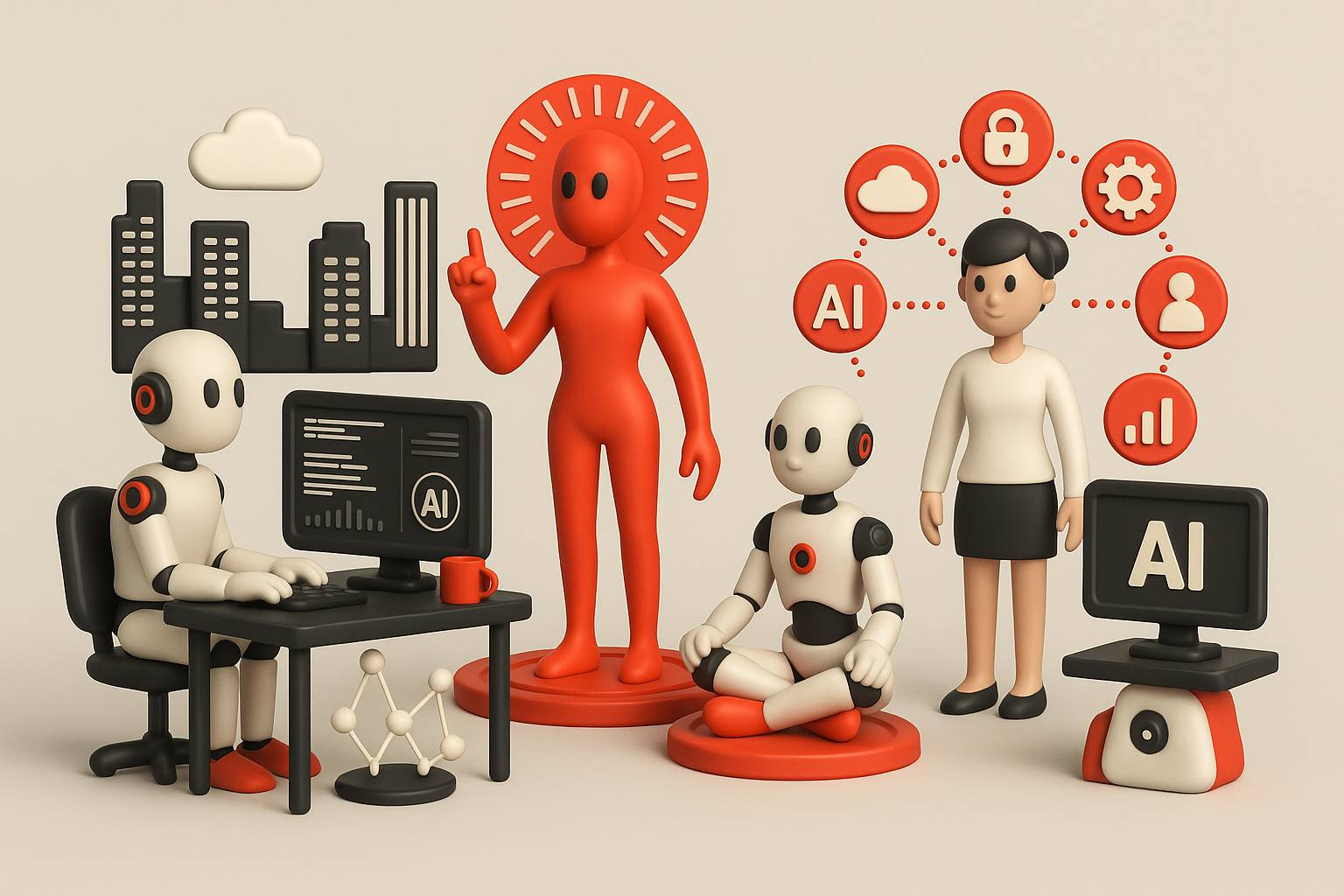
  • Where is predictive AI being used to identify high-intent B2B prospects before they enter the funnel?

    Artificial Intelligence (AI) is rapidly transforming how B2B companies attract, qualify, and convert leads. Gone are the days of static CRM workflows and manual outreach—today, AI agents are emerging as intelligent digital teammates capable of automating the entire front end of the sales process. From identifying high-intent prospects to initiating personalized conversations, these agents are reshaping B2B lead generation into a smarter, data-driven, and highly scalable process.
    Here’s how AI agents are redefining lead qualification and outreach in the B2B space.
    1. Automating Lead Qualification with Real-Time Intelligence
    AI agents can now analyze millions of data points—website visits, email engagement, social activity, and firmographic data—to qualify leads in real time. Unlike traditional scoring models that rely on static attributes, AI-driven systems use predictive intent modeling to understand buyer readiness.
    They:
    • Rank leads based on behavioral patterns (e.g., frequency of visits, content engagement).
    • Detect intent signals like searches for specific solutions or pricing pages.
    • Continuously learn from closed deals to improve accuracy over time.
    This means sales teams spend less time on unqualified prospects and more time nurturing those who are genuinely ready to convert.
    2. Hyper-Personalized Outreach at Scale
    AI agents are revolutionizing outreach by combining automation with personalization. They use NLP (Natural Language Processing) to understand tone, context, and buyer intent—crafting tailored messages for each contact.
    For example, an AI sales assistant can:
    • Write customized outreach emails based on a prospect’s job title, industry, and recent activity.
    • Engage in two-way conversations through chat or email, responding intelligently to questions.
    • Schedule follow-ups automatically, adapting communication frequency to the lead’s responsiveness.
    Instead of bulk, impersonal outreach, AI agents make every interaction feel human and relevant—at scale.
    3. Integrating Seamlessly with CRM and Marketing Automation Systems
    AI agents don’t just sit on the sidelines—they integrate directly with CRMs like Salesforce, HubSpot, and Zoho to update contact records, qualify leads, and trigger workflows automatically.
    They can even collaborate across departments: marketing teams get insights into top-performing campaigns, while sales teams receive prioritized lists of leads with complete engagement histories.
    This unified, AI-powered ecosystem bridges the traditional gap between marketing and sales, making lead flow more efficient and measurable.
    4. Predictive Outreach and Timing Optimization
    Using predictive analytics, AI agents can determine when a lead is most likely to engage—whether that’s the best day, time, or channel. By analyzing patterns in open rates, responses, and conversion data, AI fine-tunes outreach timing to maximize engagement and minimize fatigue.
    This proactive, always-learning approach ensures that outreach isn’t just automated—it’s intelligently timed for conversion.
    The Future: Fully Autonomous B2B Pipelines
    In the near future, AI agents will evolve from assistants to autonomous revenue operators—handling everything from data enrichment to scheduling discovery calls. With generative AI and RPA (Robotic Process Automation), they’ll dynamically adapt to buyer behavior, refining messaging, scoring, and targeting with minimal human input.
    The result? B2B sales teams that are leaner, faster, and infinitely scalable.
    The Bottom Line:
    AI agents are not replacing B2B marketers and sales reps—they’re amplifying them. By automating repetitive processes, analyzing intent data in real time, and delivering hyper-personalized outreach, these agents enable teams to focus on what truly matters: building relationships and closing deals.
    Read More: https://intentamplify.com/lead-generation/
    Where is predictive AI being used to identify high-intent B2B prospects before they enter the funnel? Artificial Intelligence (AI) is rapidly transforming how B2B companies attract, qualify, and convert leads. Gone are the days of static CRM workflows and manual outreach—today, AI agents are emerging as intelligent digital teammates capable of automating the entire front end of the sales process. From identifying high-intent prospects to initiating personalized conversations, these agents are reshaping B2B lead generation into a smarter, data-driven, and highly scalable process. Here’s how AI agents are redefining lead qualification and outreach in the B2B space. 1. Automating Lead Qualification with Real-Time Intelligence AI agents can now analyze millions of data points—website visits, email engagement, social activity, and firmographic data—to qualify leads in real time. Unlike traditional scoring models that rely on static attributes, AI-driven systems use predictive intent modeling to understand buyer readiness. They: • Rank leads based on behavioral patterns (e.g., frequency of visits, content engagement). • Detect intent signals like searches for specific solutions or pricing pages. • Continuously learn from closed deals to improve accuracy over time. This means sales teams spend less time on unqualified prospects and more time nurturing those who are genuinely ready to convert. 2. Hyper-Personalized Outreach at Scale AI agents are revolutionizing outreach by combining automation with personalization. They use NLP (Natural Language Processing) to understand tone, context, and buyer intent—crafting tailored messages for each contact. For example, an AI sales assistant can: • Write customized outreach emails based on a prospect’s job title, industry, and recent activity. • Engage in two-way conversations through chat or email, responding intelligently to questions. • Schedule follow-ups automatically, adapting communication frequency to the lead’s responsiveness. Instead of bulk, impersonal outreach, AI agents make every interaction feel human and relevant—at scale. 3. Integrating Seamlessly with CRM and Marketing Automation Systems AI agents don’t just sit on the sidelines—they integrate directly with CRMs like Salesforce, HubSpot, and Zoho to update contact records, qualify leads, and trigger workflows automatically. They can even collaborate across departments: marketing teams get insights into top-performing campaigns, while sales teams receive prioritized lists of leads with complete engagement histories. This unified, AI-powered ecosystem bridges the traditional gap between marketing and sales, making lead flow more efficient and measurable. 4. Predictive Outreach and Timing Optimization Using predictive analytics, AI agents can determine when a lead is most likely to engage—whether that’s the best day, time, or channel. By analyzing patterns in open rates, responses, and conversion data, AI fine-tunes outreach timing to maximize engagement and minimize fatigue. This proactive, always-learning approach ensures that outreach isn’t just automated—it’s intelligently timed for conversion. The Future: Fully Autonomous B2B Pipelines In the near future, AI agents will evolve from assistants to autonomous revenue operators—handling everything from data enrichment to scheduling discovery calls. With generative AI and RPA (Robotic Process Automation), they’ll dynamically adapt to buyer behavior, refining messaging, scoring, and targeting with minimal human input. The result? B2B sales teams that are leaner, faster, and infinitely scalable. The Bottom Line: AI agents are not replacing B2B marketers and sales reps—they’re amplifying them. By automating repetitive processes, analyzing intent data in real time, and delivering hyper-personalized outreach, these agents enable teams to focus on what truly matters: building relationships and closing deals. Read More: https://intentamplify.com/lead-generation/

    0 Комментарии 0 Поделились
  • What role will AI agents play in automating B2B lead qualification and outreach?

    Artificial Intelligence (AI) is rapidly transforming how B2B companies attract, qualify, and convert leads. Gone are the days of static CRM workflows and manual outreach—today, AI agents are emerging as intelligent digital teammates capable of automating the entire front end of the sales process. From identifying high-intent prospects to initiating personalized conversations, these agents are reshaping B2B lead generation into a smarter, data-driven, and highly scalable process.
    Here’s how AI agents are redefining lead qualification and outreach in the B2B space.
    1. Automating Lead Qualification with Real-Time Intelligence
    AI agents can now analyze millions of data points—website visits, email engagement, social activity, and firmographic data—to qualify leads in real time. Unlike traditional scoring models that rely on static attributes, AI-driven systems use predictive intent modeling to understand buyer readiness.
    They:
    • Rank leads based on behavioral patterns (e.g., frequency of visits, content engagement).
    • Detect intent signals like searches for specific solutions or pricing pages.
    • Continuously learn from closed deals to improve accuracy over time.
    This means sales teams spend less time on unqualified prospects and more time nurturing those who are genuinely ready to convert.
    2. Hyper-Personalized Outreach at Scale
    AI agents are revolutionizing outreach by combining automation with personalization. They use NLP (Natural Language Processing) to understand tone, context, and buyer intent—crafting tailored messages for each contact.
    For example, an AI sales assistant can:
    • Write customized outreach emails based on a prospect’s job title, industry, and recent activity.
    • Engage in two-way conversations through chat or email, responding intelligently to questions.
    • Schedule follow-ups automatically, adapting communication frequency to the lead’s responsiveness.
    Instead of bulk, impersonal outreach, AI agents make every interaction feel human and relevant—at scale.
    3. Integrating Seamlessly with CRM and Marketing Automation Systems
    AI agents don’t just sit on the sidelines—they integrate directly with CRMs like Salesforce, HubSpot, and Zoho to update contact records, qualify leads, and trigger workflows automatically.
    They can even collaborate across departments: marketing teams get insights into top-performing campaigns, while sales teams receive prioritized lists of leads with complete engagement histories.
    This unified, AI-powered ecosystem bridges the traditional gap between marketing and sales, making lead flow more efficient and measurable.
    4. Predictive Outreach and Timing Optimization
    Using predictive analytics, AI agents can determine when a lead is most likely to engage—whether that’s the best day, time, or channel. By analyzing patterns in open rates, responses, and conversion data, AI fine-tunes outreach timing to maximize engagement and minimize fatigue.
    This proactive, always-learning approach ensures that outreach isn’t just automated—it’s intelligently timed for conversion.
    The Future: Fully Autonomous B2B Pipelines
    In the near future, AI agents will evolve from assistants to autonomous revenue operators—handling everything from data enrichment to scheduling discovery calls. With generative AI and RPA (Robotic Process Automation), they’ll dynamically adapt to buyer behavior, refining messaging, scoring, and targeting with minimal human input.
    The result? B2B sales teams that are leaner, faster, and infinitely scalable.
    The Bottom Line:
    AI agents are not replacing B2B marketers and sales reps—they’re amplifying them. By automating repetitive processes, analyzing intent data in real time, and delivering hyper-personalized outreach, these agents enable teams to focus on what truly matters: building relationships and closing deals.

    Read More: https://intentamplify.com/lead-generation/
    What role will AI agents play in automating B2B lead qualification and outreach? Artificial Intelligence (AI) is rapidly transforming how B2B companies attract, qualify, and convert leads. Gone are the days of static CRM workflows and manual outreach—today, AI agents are emerging as intelligent digital teammates capable of automating the entire front end of the sales process. From identifying high-intent prospects to initiating personalized conversations, these agents are reshaping B2B lead generation into a smarter, data-driven, and highly scalable process. Here’s how AI agents are redefining lead qualification and outreach in the B2B space. 1. Automating Lead Qualification with Real-Time Intelligence AI agents can now analyze millions of data points—website visits, email engagement, social activity, and firmographic data—to qualify leads in real time. Unlike traditional scoring models that rely on static attributes, AI-driven systems use predictive intent modeling to understand buyer readiness. They: • Rank leads based on behavioral patterns (e.g., frequency of visits, content engagement). • Detect intent signals like searches for specific solutions or pricing pages. • Continuously learn from closed deals to improve accuracy over time. This means sales teams spend less time on unqualified prospects and more time nurturing those who are genuinely ready to convert. 2. Hyper-Personalized Outreach at Scale AI agents are revolutionizing outreach by combining automation with personalization. They use NLP (Natural Language Processing) to understand tone, context, and buyer intent—crafting tailored messages for each contact. For example, an AI sales assistant can: • Write customized outreach emails based on a prospect’s job title, industry, and recent activity. • Engage in two-way conversations through chat or email, responding intelligently to questions. • Schedule follow-ups automatically, adapting communication frequency to the lead’s responsiveness. Instead of bulk, impersonal outreach, AI agents make every interaction feel human and relevant—at scale. 3. Integrating Seamlessly with CRM and Marketing Automation Systems AI agents don’t just sit on the sidelines—they integrate directly with CRMs like Salesforce, HubSpot, and Zoho to update contact records, qualify leads, and trigger workflows automatically. They can even collaborate across departments: marketing teams get insights into top-performing campaigns, while sales teams receive prioritized lists of leads with complete engagement histories. This unified, AI-powered ecosystem bridges the traditional gap between marketing and sales, making lead flow more efficient and measurable. 4. Predictive Outreach and Timing Optimization Using predictive analytics, AI agents can determine when a lead is most likely to engage—whether that’s the best day, time, or channel. By analyzing patterns in open rates, responses, and conversion data, AI fine-tunes outreach timing to maximize engagement and minimize fatigue. This proactive, always-learning approach ensures that outreach isn’t just automated—it’s intelligently timed for conversion. The Future: Fully Autonomous B2B Pipelines In the near future, AI agents will evolve from assistants to autonomous revenue operators—handling everything from data enrichment to scheduling discovery calls. With generative AI and RPA (Robotic Process Automation), they’ll dynamically adapt to buyer behavior, refining messaging, scoring, and targeting with minimal human input. The result? B2B sales teams that are leaner, faster, and infinitely scalable. The Bottom Line: AI agents are not replacing B2B marketers and sales reps—they’re amplifying them. By automating repetitive processes, analyzing intent data in real time, and delivering hyper-personalized outreach, these agents enable teams to focus on what truly matters: building relationships and closing deals. Read More: https://intentamplify.com/lead-generation/
    0 Комментарии 0 Поделились
  • Autonomous AI Agents in Online Collaboration: Redefining Digital Workspaces

    Digital collaboration is entering a new era—not just humans on Zoom or Slack, but autonomous AI agents working alongside us. These agents don’t just automate tasks; they coordinate projects, summarize discussions, draft content, manage deadlines, and even negotiate priorities—acting like team members in their own right.
    🤝 Instead of passively waiting for commands, these agents proactively analyze context, surface insights, and suggest next actions—bridging human creativity with machine efficiency.
    🔍 𝐇𝐨𝐰 𝐀𝐮𝐭𝐨𝐧𝐨𝐦𝐨𝐮𝐬 𝐀𝐈 𝐢𝐬 𝐫𝐞𝐝𝐞𝐟𝐢𝐧𝐢𝐧𝐠 𝐝𝐢𝐠𝐢𝐭𝐚𝐥 𝐰𝐨𝐫𝐤𝐬𝐩𝐚𝐜𝐞𝐬:
    ✅ 𝐀𝐈 𝐏𝐫𝐨𝐣𝐞𝐜𝐭 𝐌𝐚𝐧𝐚𝐠𝐞𝐫𝐬
    Agents automatically assign tasks, track dependencies, and flag bottlenecks—reducing friction in team workflows.
    ✅ 𝐌𝐞𝐞𝐭𝐢𝐧𝐠 𝐒𝐮𝐦𝐦𝐚𝐫𝐲 + 𝐀𝐜𝐭𝐢𝐨𝐧 𝐈𝐭𝐞𝐦 𝐆𝐞𝐧𝐞𝐫𝐚𝐭𝐨𝐫𝐬
    No more endless notes—AI captures key takeaways, deadlines, and responsibilities, instantly syncing with collaboration platforms.
    ✅ 𝐂𝐫𝐨𝐬𝐬-𝐓𝐞𝐚𝐦 𝐂𝐨𝐨𝐫𝐝𝐢𝐧𝐚𝐭𝐢𝐨𝐧
    AI agents can mediate between departments—marketing, engineering, sales—aligning goals without constant human oversight.
    ✅ 𝐏𝐞𝐫𝐬𝐨𝐧𝐚𝐥𝐢𝐳𝐞𝐝 𝐖𝐨𝐫𝐤 𝐒𝐭𝐫𝐞𝐚𝐦𝐬
    By learning individual preferences, agents adapt communication, alerts, and priorities to reduce noise and boost productivity.
    ✅ 𝐂𝐨-𝐂𝐫𝐞𝐚𝐭𝐢𝐯𝐞 𝐂𝐨𝐥𝐥𝐚𝐛𝐨𝐫𝐚𝐭𝐢𝐨𝐧
    From drafting documents to brainstorming campaign ideas, AI contributes not just execution but also innovation.
    📌 𝐓𝐡𝐞 𝐁𝐢𝐠 𝐏𝐢𝐜𝐭𝐮𝐫𝐞:
    Autonomous AI agents are moving collaboration beyond messaging and file-sharing. They’re shaping a future where workspaces are self-organizing, adaptive, and intelligent—allowing humans to focus on strategy, creativity, and relationships.
    🔗 Read More: https://technologyaiinsights.com/
    📣 About AI Technology Insights (AITin):
    AITin explores how AI reshapes industries, teams, and workflows—highlighting innovations that make organizations smarter and more agile.
    📍 Address: 1846 E Innovation Park DR, Ste 100, Oro Valley, AZ 85755
    📧 Email: sales@intentamplify.com
    📲 Call: +1 (520) 350-7212
    Autonomous AI Agents in Online Collaboration: Redefining Digital Workspaces Digital collaboration is entering a new era—not just humans on Zoom or Slack, but autonomous AI agents working alongside us. These agents don’t just automate tasks; they coordinate projects, summarize discussions, draft content, manage deadlines, and even negotiate priorities—acting like team members in their own right. 🤝 Instead of passively waiting for commands, these agents proactively analyze context, surface insights, and suggest next actions—bridging human creativity with machine efficiency. 🔍 𝐇𝐨𝐰 𝐀𝐮𝐭𝐨𝐧𝐨𝐦𝐨𝐮𝐬 𝐀𝐈 𝐢𝐬 𝐫𝐞𝐝𝐞𝐟𝐢𝐧𝐢𝐧𝐠 𝐝𝐢𝐠𝐢𝐭𝐚𝐥 𝐰𝐨𝐫𝐤𝐬𝐩𝐚𝐜𝐞𝐬: ✅ 𝐀𝐈 𝐏𝐫𝐨𝐣𝐞𝐜𝐭 𝐌𝐚𝐧𝐚𝐠𝐞𝐫𝐬 Agents automatically assign tasks, track dependencies, and flag bottlenecks—reducing friction in team workflows. ✅ 𝐌𝐞𝐞𝐭𝐢𝐧𝐠 𝐒𝐮𝐦𝐦𝐚𝐫𝐲 + 𝐀𝐜𝐭𝐢𝐨𝐧 𝐈𝐭𝐞𝐦 𝐆𝐞𝐧𝐞𝐫𝐚𝐭𝐨𝐫𝐬 No more endless notes—AI captures key takeaways, deadlines, and responsibilities, instantly syncing with collaboration platforms. ✅ 𝐂𝐫𝐨𝐬𝐬-𝐓𝐞𝐚𝐦 𝐂𝐨𝐨𝐫𝐝𝐢𝐧𝐚𝐭𝐢𝐨𝐧 AI agents can mediate between departments—marketing, engineering, sales—aligning goals without constant human oversight. ✅ 𝐏𝐞𝐫𝐬𝐨𝐧𝐚𝐥𝐢𝐳𝐞𝐝 𝐖𝐨𝐫𝐤 𝐒𝐭𝐫𝐞𝐚𝐦𝐬 By learning individual preferences, agents adapt communication, alerts, and priorities to reduce noise and boost productivity. ✅ 𝐂𝐨-𝐂𝐫𝐞𝐚𝐭𝐢𝐯𝐞 𝐂𝐨𝐥𝐥𝐚𝐛𝐨𝐫𝐚𝐭𝐢𝐨𝐧 From drafting documents to brainstorming campaign ideas, AI contributes not just execution but also innovation. 📌 𝐓𝐡𝐞 𝐁𝐢𝐠 𝐏𝐢𝐜𝐭𝐮𝐫𝐞: Autonomous AI agents are moving collaboration beyond messaging and file-sharing. They’re shaping a future where workspaces are self-organizing, adaptive, and intelligent—allowing humans to focus on strategy, creativity, and relationships. 🔗 Read More: https://technologyaiinsights.com/ 📣 About AI Technology Insights (AITin): AITin explores how AI reshapes industries, teams, and workflows—highlighting innovations that make organizations smarter and more agile. 📍 Address: 1846 E Innovation Park DR, Ste 100, Oro Valley, AZ 85755 📧 Email: sales@intentamplify.com 📲 Call: +1 (520) 350-7212
    0 Комментарии 0 Поделились
  • Reinforcement Learning: The Hidden Engine Behind Smart AI Agents

    Behind the scenes of today's smartest AI agents—autonomous drones, trading bots, game-playing champions, and even warehouse robots—is a learning method that mimics how humans and animals learn: trial and error. That’s reinforcement learning (RL), and it’s quietly redefining the frontiers of autonomy.
    👾 RL isn't new, but it's evolved dramatically. With the help of deep learning, it now powers agents that learn complex behaviors, make real-time decisions, and adapt to dynamic environments—all with minimal human input.
    🔍 𝐇𝐞𝐫𝐞’𝐬 𝐡𝐨𝐰 𝐑𝐋 𝐢𝐬 𝐬𝐡𝐚𝐩𝐢𝐧𝐠 𝐚𝐝𝐯𝐚𝐧𝐜𝐞𝐝 𝐀𝐈 𝐬𝐲𝐬𝐭𝐞𝐦𝐬:
    ✅ 𝐋𝐞𝐚𝐫𝐧𝐢𝐧𝐠 𝐛𝐲 𝐃𝐨𝐢𝐧𝐠 (𝐚𝐧𝐝 𝐅𝐚𝐢𝐥𝐢𝐧𝐠)
    Agents improve through feedback—rewarded for success, penalized for mistakes. Over time, they learn to optimize outcomes in unpredictable settings.
    ✅ 𝐀𝐠𝐞𝐧𝐭𝐬 𝐰𝐢𝐭𝐡 𝐆𝐨𝐚𝐥𝐬, 𝐍𝐨𝐭 𝐒𝐜𝐫𝐢𝐩𝐭𝐬
    Unlike rule-based systems, RL agents aren’t hardcoded—they explore, innovate, and sometimes surprise even their creators with novel strategies.
    ✅ 𝐑𝐋 + 𝐒𝐢𝐦𝐮𝐥𝐚𝐭𝐢𝐨𝐧 = 𝐒𝐮𝐩𝐞𝐫𝐜𝐡𝐚𝐫𝐠𝐞𝐝 𝐋𝐞𝐚𝐫𝐧𝐢𝐧𝐠
    Thanks to simulated environments, agents can train millions of times faster than in the real world—perfecting skills before deployment.
    ✅ 𝐅𝐫𝐨𝐦 𝐆𝐚𝐦𝐞𝐬 𝐭𝐨 𝐑𝐞𝐚𝐥 𝐖𝐨𝐫𝐥𝐝
    Techniques used in AlphaGo or Dota 2 are now making their way into robotics, logistics, self-driving systems, and autonomous finance.
    ✅ 𝐒𝐞𝐥𝐟 𝐈𝐦𝐩𝐫𝐨𝐯𝐢𝐧𝐠 𝐒𝐲𝐬𝐭𝐞𝐦𝐬
    RL enables agents to adapt over time, meaning they don’t just work—they get better the more they’re used.
    📌 𝐓𝐡𝐞 𝐁𝐢𝐠 𝐏𝐢𝐜𝐭𝐮𝐫𝐞:
    Reinforcement learning is the unsung hero of AI. As we move toward agents that reason, explore, and collaborate, RL will be the foundation that empowers them to act intelligently in the real world.
    🔗 Read More: https://technologyaiinsights.com/
    📣 About AI Technology Insights (AITin):
    AI Technology Insights (AITin) is the fastest-growing global community of thought leaders, influencers, and researchers specializing in AI, Big Data, Analytics, Robotics, Cloud Computing, and related technologies. Through its platform, AITin offers valuable insights from industry executives and pioneers who share their journeys, expertise, success stories, and strategies for building profitable, forward-thinking businesses.

    📍 𝐀𝐝𝐝𝐫𝐞𝐬𝐬: 1846 E Innovation Park DR, Ste 100, Oro Valley, AZ 85755
    📧 𝐄𝐦𝐚𝐢𝐥: sales@intentamplify.com
    📲 𝐂𝐚𝐥𝐥: +1 (845) 347-8894
    Reinforcement Learning: The Hidden Engine Behind Smart AI Agents Behind the scenes of today's smartest AI agents—autonomous drones, trading bots, game-playing champions, and even warehouse robots—is a learning method that mimics how humans and animals learn: trial and error. That’s reinforcement learning (RL), and it’s quietly redefining the frontiers of autonomy. 👾 RL isn't new, but it's evolved dramatically. With the help of deep learning, it now powers agents that learn complex behaviors, make real-time decisions, and adapt to dynamic environments—all with minimal human input. 🔍 𝐇𝐞𝐫𝐞’𝐬 𝐡𝐨𝐰 𝐑𝐋 𝐢𝐬 𝐬𝐡𝐚𝐩𝐢𝐧𝐠 𝐚𝐝𝐯𝐚𝐧𝐜𝐞𝐝 𝐀𝐈 𝐬𝐲𝐬𝐭𝐞𝐦𝐬: ✅ 𝐋𝐞𝐚𝐫𝐧𝐢𝐧𝐠 𝐛𝐲 𝐃𝐨𝐢𝐧𝐠 (𝐚𝐧𝐝 𝐅𝐚𝐢𝐥𝐢𝐧𝐠) Agents improve through feedback—rewarded for success, penalized for mistakes. Over time, they learn to optimize outcomes in unpredictable settings. ✅ 𝐀𝐠𝐞𝐧𝐭𝐬 𝐰𝐢𝐭𝐡 𝐆𝐨𝐚𝐥𝐬, 𝐍𝐨𝐭 𝐒𝐜𝐫𝐢𝐩𝐭𝐬 Unlike rule-based systems, RL agents aren’t hardcoded—they explore, innovate, and sometimes surprise even their creators with novel strategies. ✅ 𝐑𝐋 + 𝐒𝐢𝐦𝐮𝐥𝐚𝐭𝐢𝐨𝐧 = 𝐒𝐮𝐩𝐞𝐫𝐜𝐡𝐚𝐫𝐠𝐞𝐝 𝐋𝐞𝐚𝐫𝐧𝐢𝐧𝐠 Thanks to simulated environments, agents can train millions of times faster than in the real world—perfecting skills before deployment. ✅ 𝐅𝐫𝐨𝐦 𝐆𝐚𝐦𝐞𝐬 𝐭𝐨 𝐑𝐞𝐚𝐥 𝐖𝐨𝐫𝐥𝐝 Techniques used in AlphaGo or Dota 2 are now making their way into robotics, logistics, self-driving systems, and autonomous finance. ✅ 𝐒𝐞𝐥𝐟 𝐈𝐦𝐩𝐫𝐨𝐯𝐢𝐧𝐠 𝐒𝐲𝐬𝐭𝐞𝐦𝐬 RL enables agents to adapt over time, meaning they don’t just work—they get better the more they’re used. 📌 𝐓𝐡𝐞 𝐁𝐢𝐠 𝐏𝐢𝐜𝐭𝐮𝐫𝐞: Reinforcement learning is the unsung hero of AI. As we move toward agents that reason, explore, and collaborate, RL will be the foundation that empowers them to act intelligently in the real world. 🔗 Read More: https://technologyaiinsights.com/ 📣 About AI Technology Insights (AITin): AI Technology Insights (AITin) is the fastest-growing global community of thought leaders, influencers, and researchers specializing in AI, Big Data, Analytics, Robotics, Cloud Computing, and related technologies. Through its platform, AITin offers valuable insights from industry executives and pioneers who share their journeys, expertise, success stories, and strategies for building profitable, forward-thinking businesses. 📍 𝐀𝐝𝐝𝐫𝐞𝐬𝐬: 1846 E Innovation Park DR, Ste 100, Oro Valley, AZ 85755 📧 𝐄𝐦𝐚𝐢𝐥: sales@intentamplify.com 📲 𝐂𝐚𝐥𝐥: +1 (845) 347-8894
    0 Комментарии 0 Поделились
  • The Next Generation of Machine Intelligence

    Large Language Models (LLMs) like GPT, Claude, and Gemini have dominated the AI spotlight—but we’re already standing on the edge of what comes after. The future isn’t just bigger models. It’s smarter, faster, more integrated AI systems designed to reason, adapt, and act in the real world.
    🧩 From prediction machines to thinking machines, here’s what’s on the horizon.
    🚀 𝐇𝐞𝐫𝐞’𝐬 𝐰𝐡𝐚𝐭’𝐬 𝐧𝐞𝐱𝐭 𝐚𝐟𝐭𝐞𝐫 𝐋𝐋𝐌𝐬:
    ✅ 𝐌𝐮𝐥𝐭𝐢 𝐌𝐨𝐝𝐚𝐥 𝐀𝐈 (𝐌𝐌𝐀𝐈)
    The future is not text-only. Next-gen models understand and generate across images, audio, video, and code, enabling richer, more human-like interactions.
    ✅ 𝐀𝐠𝐞𝐧𝐭𝐢𝐜 𝐀𝐈
    LLMs are evolving into AI agents—tools that plan, execute tasks, use tools, and learn from outcomes. Think AI that books trips, runs experiments, or writes code without human prompting.
    ✅ 𝐑𝐞𝐚𝐥 𝐓𝐢𝐦𝐞 + 𝐒𝐞𝐧𝐬𝐨𝐫 𝐈𝐧𝐩𝐮𝐭𝐬
    Next-gen systems will process live data—from cameras, microphones, and IoT sensors—reacting in real-time and powering robots, drones, and smart environments.
    ✅ 𝐒𝐦𝐚𝐥𝐥 + 𝐄𝐟𝐟𝐢𝐜𝐢𝐞𝐧𝐭 𝐌𝐨𝐝𝐞𝐥𝐬
    The race is on to build tiny, fast, energy-efficient AI that runs on edge devices, not cloud servers—ideal for privacy-first applications.
    ✅ 𝐁𝐢𝐨 𝐈𝐧𝐬𝐩𝐢𝐫𝐞𝐝 𝐈𝐧𝐭𝐞𝐥𝐥𝐢𝐠𝐞𝐧𝐜𝐞
    Neuroscience is guiding the future—models that simulate memory, attention, and even emotions, leading to more adaptive and explainable systems.
    📌 𝐓𝐡𝐞 𝐁𝐢𝐠 𝐏𝐢𝐜𝐭𝐮𝐫𝐞:
    LLMs were just the opening act. The next era of AI will be embodied, goal-directed, multimodal, and personalized—shaping not just how we work, but how we live.
    🔗 Read More: https://technologyaiinsights.com/
    📣 About AI Technology Insights (AITin):
    AI Technology Insights (AITin) is the fastest-growing global community of thought leaders, influencers, and researchers specializing in AI, Big Data, Analytics, Robotics, Cloud Computing, and related technologies. Through its platform, AITin offers valuable insights from industry executives and pioneers who share their journeys, expertise, success stories, and strategies for building profitable, forward-thinking businesses.

    📍 𝐀𝐝𝐝𝐫𝐞𝐬𝐬: 1846 E Innovation Park DR, Ste 100, Oro Valley, AZ 85755
    📧 𝐄𝐦𝐚𝐢𝐥: sales@intentamplify.com
    📲 𝐂𝐚𝐥𝐥: +1 (845) 347-8894

    The Next Generation of Machine Intelligence Large Language Models (LLMs) like GPT, Claude, and Gemini have dominated the AI spotlight—but we’re already standing on the edge of what comes after. The future isn’t just bigger models. It’s smarter, faster, more integrated AI systems designed to reason, adapt, and act in the real world. 🧩 From prediction machines to thinking machines, here’s what’s on the horizon. 🚀 𝐇𝐞𝐫𝐞’𝐬 𝐰𝐡𝐚𝐭’𝐬 𝐧𝐞𝐱𝐭 𝐚𝐟𝐭𝐞𝐫 𝐋𝐋𝐌𝐬: ✅ 𝐌𝐮𝐥𝐭𝐢 𝐌𝐨𝐝𝐚𝐥 𝐀𝐈 (𝐌𝐌𝐀𝐈) The future is not text-only. Next-gen models understand and generate across images, audio, video, and code, enabling richer, more human-like interactions. ✅ 𝐀𝐠𝐞𝐧𝐭𝐢𝐜 𝐀𝐈 LLMs are evolving into AI agents—tools that plan, execute tasks, use tools, and learn from outcomes. Think AI that books trips, runs experiments, or writes code without human prompting. ✅ 𝐑𝐞𝐚𝐥 𝐓𝐢𝐦𝐞 + 𝐒𝐞𝐧𝐬𝐨𝐫 𝐈𝐧𝐩𝐮𝐭𝐬 Next-gen systems will process live data—from cameras, microphones, and IoT sensors—reacting in real-time and powering robots, drones, and smart environments. ✅ 𝐒𝐦𝐚𝐥𝐥 + 𝐄𝐟𝐟𝐢𝐜𝐢𝐞𝐧𝐭 𝐌𝐨𝐝𝐞𝐥𝐬 The race is on to build tiny, fast, energy-efficient AI that runs on edge devices, not cloud servers—ideal for privacy-first applications. ✅ 𝐁𝐢𝐨 𝐈𝐧𝐬𝐩𝐢𝐫𝐞𝐝 𝐈𝐧𝐭𝐞𝐥𝐥𝐢𝐠𝐞𝐧𝐜𝐞 Neuroscience is guiding the future—models that simulate memory, attention, and even emotions, leading to more adaptive and explainable systems. 📌 𝐓𝐡𝐞 𝐁𝐢𝐠 𝐏𝐢𝐜𝐭𝐮𝐫𝐞: LLMs were just the opening act. The next era of AI will be embodied, goal-directed, multimodal, and personalized—shaping not just how we work, but how we live. 🔗 Read More: https://technologyaiinsights.com/ 📣 About AI Technology Insights (AITin): AI Technology Insights (AITin) is the fastest-growing global community of thought leaders, influencers, and researchers specializing in AI, Big Data, Analytics, Robotics, Cloud Computing, and related technologies. Through its platform, AITin offers valuable insights from industry executives and pioneers who share their journeys, expertise, success stories, and strategies for building profitable, forward-thinking businesses. 📍 𝐀𝐝𝐝𝐫𝐞𝐬𝐬: 1846 E Innovation Park DR, Ste 100, Oro Valley, AZ 85755 📧 𝐄𝐦𝐚𝐢𝐥: sales@intentamplify.com 📲 𝐂𝐚𝐥𝐥: +1 (845) 347-8894
    0 Комментарии 0 Поделились
Нет данных для отображения