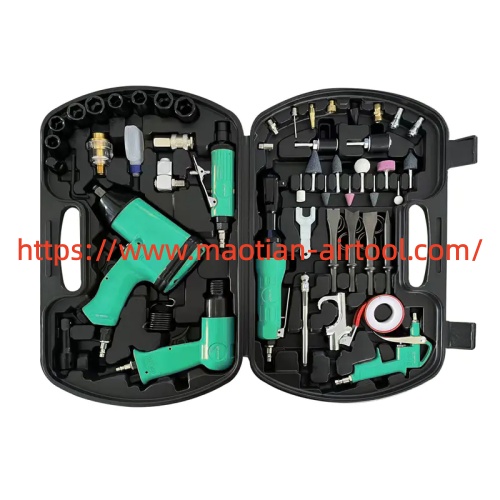
Straight Air Die Grinder selection starts with a clear review of the tasks that fill each workday. Matching equipment features to regular demands keeps progress steady on metal surfaces edge cleanup and detailed shaping jobs while helping operators stay comfortable through longer sessions.
Begin by listing the materials and operations that appear most often. Soft alloys respond well to moderate speeds while harder steels call for higher free speed ratings so the cutting or abrasive accessory removes material at a controlled rate. Check the free speed range printed on the housing and confirm it overlaps with the ratings of the bits or mounted points already stocked in the shop. A mismatch here can slow work or cause premature wear on accessories.
Next examine the power output and the volume of compressed media the unit draws. Every compressor has a limited capacity measured in cubic feet per minute. If the equipment demands more flow than the compressor can supply the spindle slows under load and the finish becomes uneven. Measure the actual output of the existing compressor at the working pressure then compare that figure with the consumption rating of the candidate unit. Leave a modest reserve so other devices can run at the same time without pressure drops.
Weight and overall length also influence daily comfort. A lighter body reduces arm fatigue during overhead or extended reach positions. An ergonomic grip with a soft surface further lowers vibration transmitted to the hand. Operators who spend several hours on continuous tasks notice the difference quickly. Test the balance by holding the unit in the normal working stance and confirm that the center of mass sits close to the palm.
Exhaust direction deserves attention as well. Rear exhaust keeps the stream of spent media away from the work surface and from the operators face. Some models allow the exhaust sleeve to rotate so the flow can be aimed in any convenient direction. This small adjustment improves visibility and keeps the immediate area cleaner.
Safety features such as a lock off lever prevent accidental starts when the unit is set down or carried between stations. A responsive throttle lets the operator feather the speed for delicate passes near finished edges. These elements reduce the chance of unwanted contact with the workpiece and support consistent results across a full shift.
Collet size determines which accessories can be fitted. Common sizes accept a wide range of carbide burs mounted stones and abrasive cartridges. Verify that the collet supplied with the unit matches the shank diameter of the accessories already in use or plan to stock the required adapters. Quick change systems if available cut the time spent swapping bits during mixed operations.
Maintenance routines extend service life. A few drops of pneumatic oil at the start of each day keep internal parts moving freely. Drain moisture from the supply line regularly and keep the inlet filter clean. Store the unit in a dry place and protect the collet threads from impact. These simple steps preserve performance and limit unexpected downtime.
When the daily mix includes both open area work and occasional tight access the same unit can handle most of the load provided the free speed and power remain adequate. For shops that already own a compressor of suitable capacity the main decision centers on matching speed weight and grip comfort to the most frequent tasks.
Products from Maotian are built with these practical considerations in mind. The design focuses on reliable output stable balance and straightforward maintenance so the equipment can integrate into existing workflows without major changes to the air supply or accessory inventory.
Review the free speed power draw weight and collet options against a short list of the jobs performed every day. A unit that aligns with those real demands delivers steady results and keeps operators productive from the first pass to the last.
Visit https://www.maotian-airtool.com/product/ to examine the current range and identify the configuration that fits the workload profile of the shop.