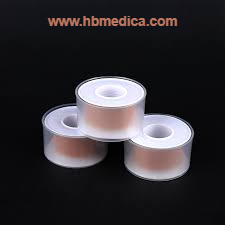
The choice between two silicone-based scar treatments frequently reduces to a single practical concern. Patients and clinicians alike ask which format accelerates visible improvement. This question drives many purchasing decisions. Silicone Scar Reducing Tape offers one pathway. hbmedica presents both configurations for consideration. Does tape inherently outperform gel in speed, or does the answer depend on application variables?
Silicone's therapeutic mechanism remains consistent across formats. Both tape and gel create an occlusive barrier over scar tissue. This barrier traps moisture against the skin surface. Hydrated scar tissue receives signals to moderate collagen production. Excessive collagen generates raised, thickened scars. Reduced collagen synthesis produces flatter, paler outcomes. The physical action does not differ fundamentally. However, delivery systems influence practical efficacy through wear consistency and user adherence.
Tape provides continuous occlusion throughout its wear period. A properly applied strip maintains contact for extended durations. This uninterrupted hydration potentially accelerates the flattening process. Users apply tape once and forget its presence. Gel requires repeated applications. Each reapplication introduces a gap in coverage. These gaps reduce total occlusion time. Clinical observations suggest tape may achieve comparable results with shorter total treatment periods. The sustained barrier effect explains this advantage.
Gel offers distinct advantages in specific anatomical locations. Curved surfaces, joint areas, and facial contours challenge tape adhesion. Gel conforms to irregular shapes without lifting. It dries into a transparent film, invisible under makeup or clothing. This discretion encourages daytime use. Tape provides compression in addition to occlusion. This pressure aids scar flattening on flat body surfaces. Chest, abdomen, and limb scars respond favorably to tape compression. Gel lacks this mechanical effect. The choice thus depends on scar geography.
User compliance significantly influences real-world speed. A treatment applied inconsistently cannot produce rapid results. Tape requires minimal daily effort. Morning application suffices for the entire day. Gel demands twice-daily attention. Each application includes cleaning, drying, and careful spreading. This routine tests patient commitment over months. Tape's simplicity may yield quicker results through superior adherence. Gel's flexibility may suit patients who find tape uncomfortable. The most effective option remains the one used consistently.
Clinical trials offer comparative data on improvement rates. One randomized study evaluated silicone-gel sheeting against microporous tape on surgical wounds. The Vancouver Scar Scale assessed outcomes at three months. Silicone-gel sheeting demonstrated greater score reduction compared to tape. Another trial comparing gel, sheet, and paper tape is currently evaluating timelines. These investigations suggest sheet formats may hold a slight speed advantage. However, the difference does not eliminate gel as a viable choice. Patient preference and scar characteristics guide selection.
Cost considerations intersect with speed perceptions. Tape offers reusable applications if cleaned properly. A single roll provides weeks of coverage. Gel tubes offer measured doses for each use. The total expenditure over a treatment course varies. Tape appears more economical for large or linear scars. Gel proves cost-effective for small or multiple scars. The perception of faster results may justify higher initial spending. Yet, consistent use of either format yields satisfactory outcomes over time.
Injury type and scar age affect response speed. Fresh surgical scars enter the treatment window with active remodeling. Silicone intervention during this phase produces noticeable changes within weeks. Older, mature scars respond more slowly. The tissue structure has stabilized. Silicone still improves appearance but requires extended application. Tape and gel show comparable gradual improvements on mature scars. Neither format offers dramatic acceleration in these cases.
Regulatory considerations standardize performance expectations. Medical-grade silicone products undergo rigorous testing. Certification confirms their safety and efficacy. Zhejiang Hangbiao Medical Products Co., Ltd. maintains ISO13485, CE, and FDA certifications. These accreditations verify product quality across formats. Users can trust both tape and gel from certified manufacturers. The speed question then hinges on individual factors rather than fundamental product flaws.
For those evaluating specific formulations and application guidelines for Silicone Scar Reducing Tape versus silicone gel, the detailed product information at https://www.hbmedica.com offers practical guidance for this nuanced decision. hbmedica presents clear specifications for each format, enabling users to select the option that aligns with their scar type and lifestyle demands.