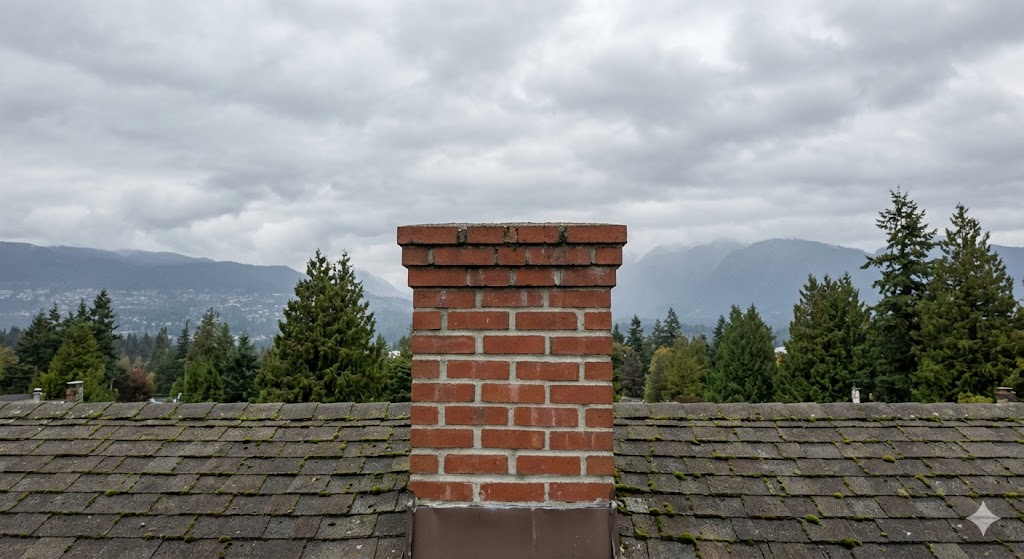
A chimney is more than an architectural feature—it plays an important role in safely directing smoke, gases, and combustion byproducts away from your home. Over time, exposure to rain, snow, freezing temperatures, moisture, and changing weather conditions can cause serious deterioration. Small cracks, damaged mortar, loose bricks, and chimney leaks may seem minor at first, but they can develop into expensive structural and safety concerns. Regular chimney inspections and timely chimney repair can help homeowners identify problems early and keep their chimney functioning safely.
Why Chimney Inspections Matter
Many chimney problems are difficult to spot from the ground. A chimney may appear perfectly fine from the outside while hidden damage is developing inside the flue or masonry. Professional chimney inspections provide an opportunity to identify potential issues before they become major repairs.
During an inspection, professionals can examine areas such as the chimney crown, flashing, masonry, mortar joints, cap, liner, and interior flue. They may also look for signs of moisture intrusion, creosote buildup, cracks, blockages, and structural deterioration.
Scheduling inspections regularly is especially important for homeowners who frequently use their fireplace or wood-burning appliance. An inspection can provide peace of mind and help determine whether maintenance or chimney repair is necessary.
Common Signs Your Chimney Needs Repair
Knowing the warning signs can help you take action before a small problem becomes expensive. Some common indicators that your chimney may require professional attention include:
Cracked or missing bricks: Damaged masonry can allow water to penetrate deeper into the chimney structure.
Deteriorating mortar: Crumbling or missing mortar joints can weaken the masonry and may eventually affect chimney stability.
Water stains: Moisture around the fireplace, ceiling, attic, or walls near the chimney may indicate a leak.
White staining on bricks: White powdery deposits, known as efflorescence, can indicate that moisture is moving through the masonry.
Damaged chimney crown: Cracks or deterioration at the top of the chimney can allow water to enter.
Loose chimney cap: A damaged or improperly installed cap can expose the flue to rain, snow, debris, and animals.
Rust or damaged flashing: Flashing creates a seal where the chimney meets the roof. If it fails, water can enter the home and cause roof or interior damage.
If you notice any of these signs, arranging professional chimney inspections is a smart first step.
Chimney Repair Can Prevent Bigger Problems
Delaying chimney repair may turn a relatively simple maintenance issue into a significant structural project. For example, a small mortar crack can allow moisture into the masonry. During freezing temperatures, trapped water can expand and cause bricks and mortar to deteriorate further.
Professional repairs may include tuckpointing or mortar joint restoration, brick replacement, crown repair, flashing repair, chimney cap replacement, waterproofing, or rebuilding sections of damaged masonry. The appropriate solution depends on the chimney's condition and the source of the problem.
The goal of quality chimney repair is not simply to improve appearance. Proper repairs can help protect the chimney from moisture, maintain structural integrity, and extend its service life.
How Weather Affects Chimneys
Chimneys are constantly exposed to the elements. Rain and snow can penetrate porous masonry, while temperature changes can cause materials to expand and contract. Repeated freeze-thaw cycles can be particularly damaging because water trapped inside small cracks expands when it freezes.
Over time, these conditions can contribute to spalling bricks, deteriorating mortar, cracked crowns, and leaking flashing. Regular chimney inspections can help detect weather-related damage before it spreads throughout the structure.
Homeowners in regions with harsh winters or frequent rainfall should be particularly attentive to chimney maintenance. Preventive care can often be less costly than repairing extensive water or structural damage.
The Connection Between Chimney Inspections and Home Safety
Chimney maintenance isn't only about protecting bricks and mortar. A properly maintained chimney also supports the safe operation of fireplaces and heating appliances.
Blockages, damaged liners, excessive creosote, or other internal issues can interfere with proper ventilation. Creosote buildup, in particular, can become a fire hazard when fireplaces and wood-burning appliances are used regularly.
Professional chimney inspections can help identify conditions that may affect ventilation and safe operation. If an inspection identifies a problem, prompt chimney repair or cleaning can help restore the system to proper working condition.
How Often Should You Schedule Chimney Inspections?
The ideal inspection schedule depends on factors such as how often the chimney is used, the type of fireplace or heating appliance, the chimney's age, and its overall condition. As a general maintenance practice, homeowners should consider having their chimney professionally inspected at least periodically and whenever they notice unusual odors, leaks, masonry damage, or changes in fireplace performance.
An inspection is also worthwhile when purchasing a home with an existing fireplace. Understanding the chimney's condition before relying on it can help you plan maintenance and avoid unexpected repair expenses.
Don't Ignore Small Chimney Problems
One of the biggest mistakes homeowners can make is assuming that a small crack or loose brick isn't important. Chimney damage can progress gradually, and moisture often makes existing problems worse.
Instead of waiting for visible deterioration to become severe, schedule professional chimney inspections when concerns arise. Early detection allows homeowners to address problems while they are still manageable. When repairs are recommended, timely chimney repair can help prevent further deterioration and protect the surrounding roof and home.
Protect Your Chimney With Professional Care
A well-maintained chimney can provide years of reliable service, but it requires regular attention. From damaged masonry and leaking flashing to crown deterioration and interior concerns, many chimney problems can be addressed more effectively when discovered early.
Regular chimney inspections provide valuable insight into the condition of your chimney, while professional chimney repair helps address damage before it develops into a larger issue. Whether your chimney is showing visible signs of deterioration or you simply want to stay ahead of maintenance, professional evaluation is a practical investment in your home's safety, comfort, and long-term value.