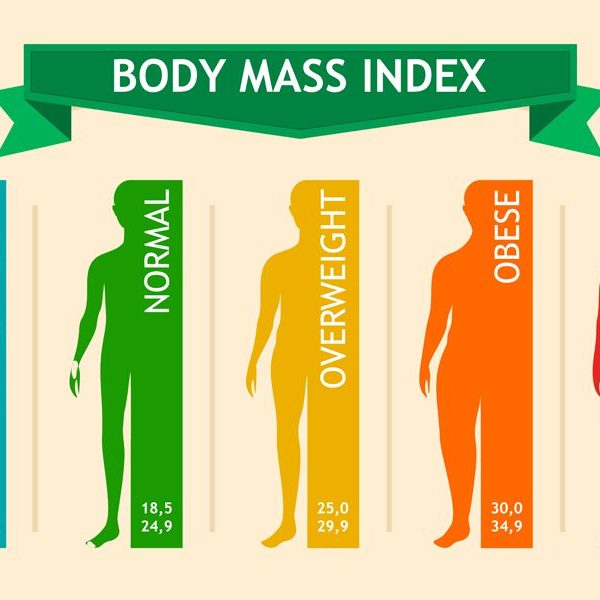
A BMI calculator for women is a simple tool for estimating body mass index based on height and weight. It can help adult women understand their general BMI category and provide a starting point for conversations about weight management, nutrition, fitness, and overall wellness.
BMI can be useful as a screening measurement, but it does not provide a complete picture of an individual's health. Body composition, muscle mass, age, waist circumference, lifestyle, and medical history can all provide important context.
What Is BMI?
BMI stands for body mass index. It is a numerical measurement calculated using a person's weight and height.
For most nonpregnant adults, the commonly used BMI categories are:
-
Underweight: Below 18.5
-
Healthy weight: 18.5 to 24.9
-
Overweight: 25.0 to 29.9
-
Obesity: 30.0 or higher
These categories are intended for general screening and should not be considered a diagnosis by themselves.
How Does a BMI Calculator for Women Work?
A BMI calculator uses your height and weight to estimate your body mass index.
Using kilograms and meters, the standard formula is:
BMI = Weight (kg) ÷ Height (m)²
For example, a woman weighing 65 kilograms and measuring 1.65 meters tall would have a BMI of approximately 23.9.
An online calculator makes the process convenient by performing the calculation automatically once you enter your measurements.
Is BMI Different for Women?
The standard adult BMI categories generally apply to both men and women. However, BMI does not account for individual differences in muscle mass, body composition, or fat distribution.
Women may also experience changes in body composition during different stages of life. Pregnancy, aging, menopause, physical activity, and hormonal changes can all influence weight and body composition.
Because of these factors, BMI should be considered alongside other health information rather than viewed on its own.
What Does BMI Not Measure?
BMI does not directly measure body fat percentage, muscle mass, or where fat is stored. It also cannot account for every factor that affects a person's health.
A broader health assessment may consider:
-
Waist circumference
-
Blood pressure
-
Blood glucose
-
Cholesterol levels
-
Physical activity
-
Nutrition
-
Sleep
-
Medical history
-
Family health history
These factors can provide a more complete understanding of health and potential weight-related risks.
BMI and Weight Management for Women
A BMI calculator for women can be a useful first step for understanding weight status. However, healthy weight management should not be based solely on reaching a particular BMI.
A sustainable approach may include:
-
Eating balanced, nutrient-rich meals
-
Staying physically active
-
Maintaining muscle strength
-
Getting adequate sleep
-
Managing stress
-
Staying hydrated
-
Monitoring relevant health measurements
-
Seeking professional guidance when appropriate
Individual goals should reflect personal health needs rather than a single number on a calculator.
BMI During Pregnancy
Standard adult BMI categories should not be used to evaluate weight during pregnancy. Pregnancy requires a different approach that considers factors such as pre-pregnancy weight and the stage of pregnancy.
Women who are pregnant or planning pregnancy should discuss weight-related questions with their healthcare provider for individualized guidance.
When Should Women Discuss BMI With a Doctor?
Consider speaking with a healthcare professional if you are concerned about your BMI, experience unexplained changes in weight, or are having difficulty managing your weight.
A provider can evaluate BMI alongside your medical history, lifestyle, body composition, and other health measurements to provide personalized recommendations.
Final Thoughts
A BMI calculator for women offers a convenient way to estimate body mass index from height and weight. Although BMI can be helpful for general screening, it does not measure every aspect of body composition or overall health.
For a more complete assessment, consider BMI alongside other health indicators and your individual circumstances. A qualified healthcare professional can help you understand your results and determine appropriate goals for long-term health and wellness.