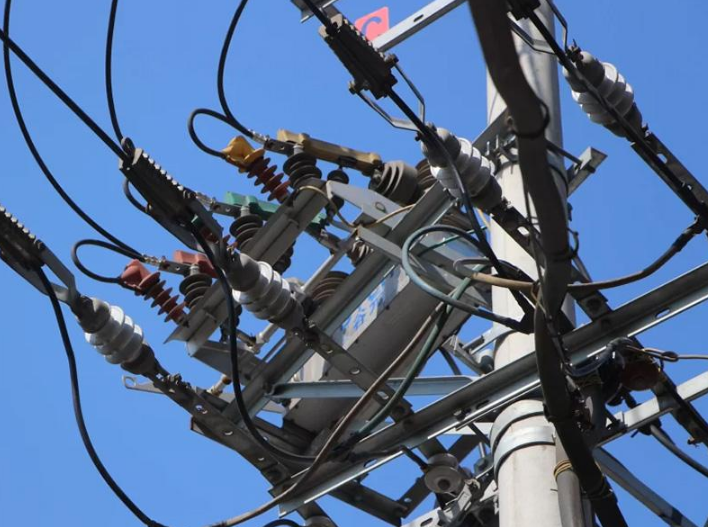
Traditional overhead lines have been widely used in electrical distribution networks for decades. However, increasing demands for safer, more reliable, and cost-effective power systems have encouraged utilities and contractors to explore better alternatives. ABC Cable (Aerial Bundled Cable) has become a preferred solution for upgrading overhead distribution networks due to its improved safety, compact design, and strong environmental performance.
Unlike conventional bare conductors that require large clearance distances and are vulnerable to external conditions, ABC Cable combines multiple insulated conductors into a single bundled structure. This design reduces installation complexity while improving reliability in residential areas, industrial facilities, and urban power networks.
As electricity demand continues to grow, replacing traditional overhead lines with ABC Cable provides utilities with a smarter approach to building modern distribution infrastructure.
Advantages of ABC Cable in Modern Distribution Systems
The main advantage of ABC Cable is its ability to improve safety and reliability compared with traditional overhead conductors. By using insulated aluminum conductors bundled together, ABC systems minimize many common problems associated with exposed overhead lines.
1. Improved Electrical Safety
Traditional overhead lines use bare conductors that can create risks when contacting trees, buildings, or other objects. ABC Cable uses insulation layers around conductors, significantly reducing the possibility of accidental contact and short circuits.
This makes ABC Cable especially suitable for:
- Residential communities
- Crowded urban areas
- Industrial zones
- Areas with frequent vegetation growth
For example, utilities installing distribution networks near roads or residential buildings can reduce safety risks because ABC Cable requires less clearance from surrounding structures.
2. Better Reliability in Harsh Environments
Weather conditions such as strong winds, heavy rain, and storms can damage conventional overhead lines. The bundled structure of Aerial Bundled Cable provides better mechanical stability and reduces conductor movement.
Compared with traditional systems, ABC Cable can effectively reduce:
- Phase-to-phase contact
- Power interruptions caused by external objects
- Maintenance caused by conductor damage
This makes it an ideal choice for regions with challenging environmental conditions.
3. Reduced Installation Requirements
One important reason many contractors choose ABC Cable is its simplified installation process. Because the conductors are bundled together, fewer supporting structures and accessories are required.
Benefits include:
- Faster installation
- Lower construction costs
- Reduced requirement for large right-of-way areas
- Easier network expansion
For distribution projects in urban environments where space is limited, ABC Cable provides a practical alternative to traditional overhead lines.
Technical Specifications of ABC Cable
Understanding the technical performance of ABC Cable is essential when selecting the correct solution for a distribution project.
Typical specifications include:
| Parameter | Typical Range |
|---|---|
| Conductor Material | Aluminum |
| Voltage Level | 0.6/1kV low voltage distribution |
| Insulation Material | XLPE (Cross-linked Polyethylene) |
| Structure | Multiple insulated conductors bundled together |
| Installation Method | Aerial installation on poles |
| Standards | IEC 60502, NFC 33-209, ASTM related standards |
The aluminum conductor provides excellent conductivity while maintaining a lightweight structure. XLPE insulation offers strong resistance against heat, moisture, and environmental exposure.
Depending on project requirements, ABC Cable can be customized with different conductor sizes, neutral configurations, and mechanical strength levels.
Durability and Maintenance Benefits of ABC Cable
Long service life is one of the most important factors when upgrading electrical infrastructure. ABC Cable is designed to withstand outdoor operating conditions while maintaining stable electrical performance.
The insulation system provides resistance against:
- UV radiation
- Moisture penetration
- Temperature fluctuations
- Mechanical stress
In practical applications, properly installed ABC Cable systems can provide decades of reliable operation with limited maintenance requirements.
Compared with traditional overhead lines, maintenance teams spend less time dealing with conductor spacing issues, accidental contact, and vegetation interference.
For utilities managing large distribution networks, reducing maintenance frequency directly improves operational efficiency and lowers long-term costs.
Applications of ABC Cable in Power Distribution Projects
The flexibility of ABC Cable allows it to be used across various electrical distribution applications.
Residential Distribution Networks
Many cities use ABC Cable for supplying electricity to residential buildings because it improves safety in densely populated areas.
Rural Electrification Projects
In rural regions, ABC Cable helps extend reliable power access without requiring complicated infrastructure.
Industrial Power Distribution
Factories and industrial parks often require stable low voltage distribution systems. ABC Cable provides reliable power delivery while reducing installation challenges.
Renewable Energy Connections
With the growth of distributed solar and renewable energy projects, ABC Cable is increasingly used for connecting generation systems to local distribution networks.
For example, a solar farm located near a village may use ABC Cable to transfer generated electricity safely through overhead distribution routes.
Frequently Asked Questions About ABC Cable
1. What is ABC Cable used for?
ABC Cable is mainly used for low voltage overhead power distribution systems. It provides a safer alternative to traditional bare overhead conductors.
2. Why choose ABC Cable instead of traditional overhead lines?
ABC Cable offers improved safety, better environmental resistance, easier installation, and reduced maintenance requirements compared with conventional overhead lines.
3. Is ABC Cable suitable for outdoor installation?
Yes. ABC Cable is specifically designed for outdoor applications and uses durable insulation materials such as XLPE to withstand weather conditions.
4. How long can ABC Cable last?
With proper installation and operating conditions, ABC Cable can typically provide several decades of reliable service.
5. Does ABC Cable reduce installation costs?
In many projects, ABC Cable can reduce overall costs by simplifying installation, decreasing required accessories, and lowering maintenance needs.
6. What standards does ABC Cable comply with?
ABC Cable can be manufactured according to international standards such as IEC and other regional specifications depending on project requirements.
7. Can ABC Cable be used in urban areas?
Yes. Its compact design and insulated structure make it highly suitable for urban and densely populated environments.
Conclusion: ABC Cable Provides a Smarter Future for Distribution Networks
Replacing traditional overhead lines with ABC Cable represents an important step toward safer and more efficient electrical distribution systems. Its insulated structure, reliable performance, and reduced maintenance requirements make it an attractive choice for utilities, contractors, and engineers.
As power networks continue to modernize, ABC Cable will play an increasingly important role in improving distribution reliability while meeting the growing demands of modern electrical infrastructure.
Choosing the right cable solution today helps create safer, more efficient, and more sustainable power networks for the future.