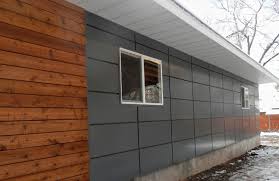
Metal wall panels are a practical and versatile option for protecting and improving the exterior or interior of a building. They are widely used in commercial buildings, warehouses, agricultural structures, industrial facilities, offices, and modern residential projects. Available in different profiles, finishes, colors, and materials, metal wall panels can provide both functional performance and a clean architectural appearance.
Choosing the right panel system depends on factors such as building design, climate, insulation requirements, installation method, budget, and long-term maintenance needs.
What Are Metal Wall Panels?
Metal wall panels are manufactured panels designed to cover exterior or interior walls. They are commonly made from steel or aluminum and can be produced in different shapes and finishes.
Depending on the system, panels may be attached directly to wall framing or installed as part of a larger insulated wall assembly. Some designs emphasize durability and weather protection, while others are selected primarily for appearance or thermal performance.
Common Types of Metal Wall Panels
Different building projects require different panel configurations. Some of the most common options include:
Exposed Fastener Panels
Exposed fastener panels are secured to the structure using screws that remain visible on the panel surface. They are often selected for warehouses, agricultural buildings, workshops, and other projects where affordability and straightforward installation are priorities.
Concealed Fastener Panels
Concealed fastener systems hide the attachment points beneath or between the panels. This creates a cleaner appearance and can provide a more refined architectural finish.
These systems are frequently used on commercial buildings, offices, retail spaces, and contemporary structures.
Insulated Metal Panels
Insulated metal panels combine metal exterior and interior surfaces with an insulating core. They can help create a more energy-efficient building envelope by reducing heat transfer through the wall assembly.
They are commonly considered for temperature-controlled facilities, industrial buildings, warehouses, and commercial construction.
Architectural Metal Panels
Architectural panels are designed with greater emphasis on visual appearance. They are available in various profiles, textures, colors, and finishes, making them useful for modern commercial and residential designs.
Benefits of Metal Wall Panels
Metal wall panels offer several advantages when properly selected and installed.
Durability
Steel and aluminum panels can provide strong resistance to everyday weather exposure. The appropriate coating and material selection can also help protect panels against corrosion and surface deterioration.
Low Maintenance
Compared with some traditional exterior materials, metal panels can require relatively little routine maintenance. Regular inspections, cleaning, and attention to damaged areas can help maintain their appearance and performance.
Design Flexibility
Metal panels are available in numerous colors, profiles, textures, and finishes. This allows architects, builders, and property owners to create everything from simple industrial exteriors to contemporary architectural facades.
Fast Installation
Many metal panel systems are designed for efficient installation. Properly prepared panels and compatible fastening systems can help contractors maintain a consistent installation process.
Lightweight Construction
Metal panels can offer a relatively lightweight wall-covering solution. This can make material handling and installation more manageable, depending on the specific panel design and building structure.
Where Are Metal Wall Panels Used?
Metal wall panels are suitable for many types of construction, including:
-
Commercial buildings
-
Warehouses and distribution centers
-
Manufacturing facilities
-
Agricultural buildings
-
Workshops and garages
-
Retail properties
-
Office buildings
-
Schools and institutional facilities
-
Modern residential structures
-
Interior feature walls
Their versatility makes them useful for both practical building envelopes and decorative applications.
What to Consider Before Choosing Metal Wall Panels
Selecting a panel based only on appearance can lead to problems later. Several technical and project-specific factors should be evaluated.
Material
Steel is widely used because of its strength and availability, while aluminum may be preferred for certain applications where corrosion resistance and lighter weight are important.
Panel Profile
The profile affects both appearance and performance. Ribbed, corrugated, flat, and architectural profiles can create very different results.
Coating and Finish
The finish should be appropriate for the building's environment. Factors such as sunlight, moisture, temperature changes, and exposure to pollutants can influence coating performance.
Insulation
For conditioned buildings, insulation is an important consideration. An insulated panel system may help improve thermal performance, but the entire wall assembly should be evaluated rather than looking at the panel alone.
Installation Method
Different systems have specific requirements for framing, fasteners, flashing, joints, and weatherproofing. Following the manufacturer's installation instructions is essential for achieving the intended performance.
How Are Metal Wall Panels Installed?
Installation varies depending on the panel system, but a typical project may involve several stages:
-
Prepare the wall structure: The framing or substrate should be properly aligned and ready for panel installation.
-
Install required insulation or underlayment: This depends on the wall assembly and project specifications.
-
Position the first panel: Accurate placement is important because it establishes the alignment for subsequent panels.
-
Secure the panels: Approved fasteners or clips are used according to the selected system.
-
Complete joints and flashing: Corners, openings, transitions, and panel seams require appropriate detailing.
-
Inspect the finished wall: The installation should be checked for alignment, fastening, gaps, and visible damage.
Professional installation can be especially important for complex commercial or insulated panel systems.
Metal Wall Panels vs. Traditional Wall Materials
Metal wall panels can offer a different combination of durability, appearance, installation speed, and maintenance compared with materials such as brick, wood, stucco, or fiber cement.
However, there is no single best material for every project. Building location, design requirements, insulation goals, structural conditions, and budget should all be considered before making a decision.
Maintenance Tips for Metal Wall Panels
Although metal panels are generally designed for durability, basic maintenance remains important.
-
Inspect panels periodically for scratches, dents, or corrosion.
-
Keep drainage paths and surrounding areas clear.
-
Clean accumulated dirt and debris when necessary.
-
Check flashing and joints for signs of deterioration.
-
Repair damaged coatings according to the manufacturer's recommendations.
-
Address loose or damaged fasteners promptly.
Early attention to minor problems can help prevent more extensive repairs.
Final Thoughts
Metal wall panels combine practical performance with design flexibility, making them suitable for a wide range of commercial, industrial, agricultural, and residential applications. With options ranging from exposed fastener panels to insulated and architectural systems, buyers can select a solution based on the building's specific needs.