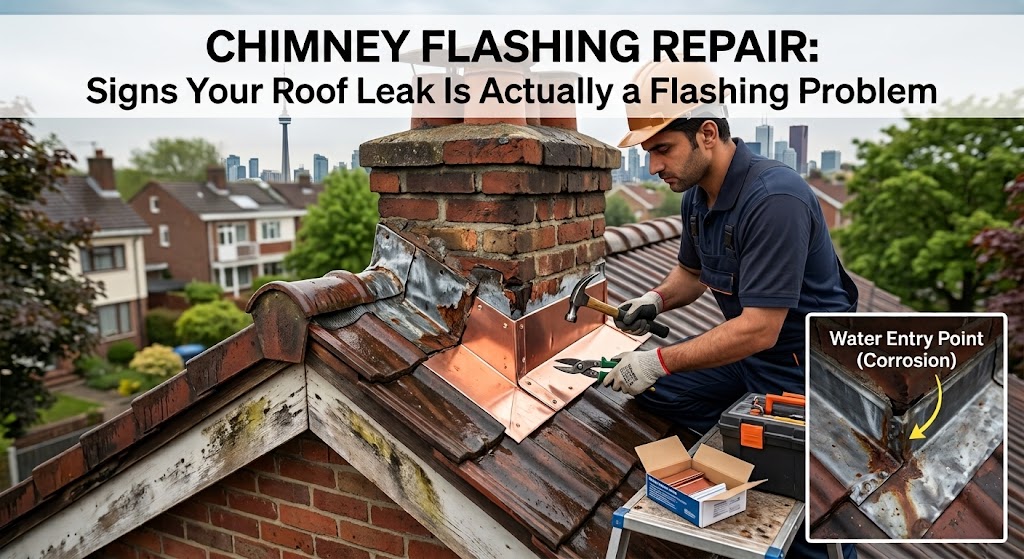
A chimney does more than add traditional charm to a home. It helps vent smoke and combustion gases while providing an important connection between the fireplace or heating system and the outdoors. However, because a chimney extends through the roof, it is particularly vulnerable to rain, snow, ice, wind, and temperature changes. Over time, damaged masonry and failing flashing can lead to water leaks and expensive property damage.
Understanding chimney repair cost and knowing when chimney flashing repair is necessary can help homeowners protect their property and avoid larger problems in the future.
Why Chimney Maintenance Matters
Chimneys are exposed to the weather throughout the year. Moisture can enter through cracked bricks, deteriorating mortar, damaged chimney crowns, or gaps around the flashing. Once water gets into the masonry or roof structure, repeated exposure can accelerate deterioration.
During freezing weather, water trapped in small cracks can freeze and expand. This repeated freeze-thaw process can cause bricks to crack or break apart and can weaken mortar joints.
Common causes of chimney damage include:
- Aging bricks and mortar
- Heavy rain and snowfall
- Freeze-thaw cycles
- Damaged chimney caps
- Cracked chimney crowns
- Poorly installed flashing
- Corrosion
- Strong winds
- Lack of regular maintenance
Addressing these issues early can help extend the life of the chimney and reduce the likelihood of major restoration work.
What Is Chimney Flashing?
Chimney flashing is a protective material installed around the point where the chimney meets the roof. Its main purpose is to prevent water from entering the joint between the masonry and roofing materials.
A properly installed flashing system directs rainwater away from the chimney and toward the roof drainage system. Because the chimney and roof respond differently to temperature changes, flashing must be correctly installed and maintained to remain effective.
Over time, flashing can become loose, cracked, corroded, or separated from surrounding materials. When this happens, water can enter beneath the roofing materials or around the chimney.
Signs You May Need Chimney Flashing Repair
Flashing problems are not always immediately visible. Sometimes the first indication is a water stain inside the home. Other signs may appear around the attic, roof, or chimney itself.
You may need chimney flashing repair if you notice:
- Water stains on ceilings or walls
- Moisture around the chimney in the attic
- Rust or corrosion on metal flashing
- Cracked or deteriorated sealant
- Gaps between flashing and masonry
- Loose roofing materials near the chimney
- Water leaks during heavy rain
- Damaged mortar around flashing
Ignoring these signs can allow water to reach roof decking, insulation, framing, and interior finishes.
What Does Chimney Flashing Repair Involve?
The repair process depends on the severity of the problem. Minor deterioration may require resealing certain joints, while severely damaged flashing may need partial or complete replacement.
A professional typically begins by examining the chimney and roof intersection to determine where water is entering. Damaged sealants or flashing materials may then be removed before the affected area is repaired.
A typical repair may include:
- Inspecting the chimney and surrounding roof.
- Locating the source of the leak.
- Removing failed sealant or damaged flashing.
- Repairing surrounding masonry or roofing if required.
- Installing or repairing flashing.
- Sealing appropriate joints and transitions.
- Checking the completed work for potential water entry.
The objective is not simply to cover a visible crack but to restore effective water protection around the chimney.
Understanding Chimney Repair Cost
The chimney repair cost varies from one property to another because every chimney has different materials, dimensions, accessibility, and levels of damage. A small repair involving a few bricks or a minor flashing issue will generally require less work than extensive masonry restoration.
Several factors can influence the overall cost.
Extent of Damage
The more extensive the deterioration, the more labor and materials may be required. Minor cracks may be relatively straightforward to address, while widespread masonry damage could require rebuilding.
Type of Repair
Different chimney problems require different solutions. Brick replacement, mortar repointing, crown repair, flashing replacement, and structural rebuilding each involve different processes.
Flashing Condition
If flashing only has minor sealant deterioration, the repair may be relatively limited. Severely corroded or improperly installed flashing may require more extensive work.
Accessibility
A tall chimney or a chimney located in a difficult-to-access area may require additional safety equipment and labor. This can affect the total chimney repair cost.
Materials
The type of brick, mortar, flashing, and other materials required can also influence the project price. Older homes may require specially matched masonry materials.
Related Water Damage
If a chimney leak has been present for a long time, water may have damaged roofing materials, attic structures, or interior finishes. Addressing these additional problems can increase the overall project cost.
Because so many factors affect pricing, homeowners should arrange a professional inspection and request a detailed estimate rather than relying solely on generic online prices.
Why Delaying Repairs Can Be Expensive
A small chimney leak may appear to be a minor inconvenience, but continued moisture exposure can create much larger problems. Water can deteriorate masonry, damage roof components, encourage wood deterioration, and affect interior surfaces.
Timely chimney flashing repair can help stop water before it spreads into surrounding structures. Similarly, addressing damaged bricks and mortar early can prevent deterioration from becoming more extensive.
Preventative repairs are often easier to manage than emergency restoration after significant water damage has occurred.
How to Reduce Future Chimney Repair Costs
Regular maintenance is one of the best ways to manage long-term chimney expenses. Homeowners should periodically inspect the visible masonry and pay attention to signs of moisture intrusion.
Keeping the chimney cap and crown in good condition can help reduce water exposure. Gutters and roof drainage systems should also be kept clear so that rainwater can move away from the structure properly.
Professional chimney inspections can identify developing problems that may not be obvious from ground level. Finding deteriorating flashing, mortar, or masonry early can help homeowners plan repairs before they become urgent.
Choose Professional Chimney Repair
When dealing with chimney leaks or masonry deterioration, choosing a qualified professional is important. A reliable contractor should identify the underlying cause of the problem and explain the recommended repair instead of simply treating visible symptoms.
Before approving work, homeowners should ask what the estimate includes, such as labor, materials, access equipment, cleanup, and related repairs. This makes it easier to understand the actual chimney repair cost and compare estimates fairly.
Protect Your Home With Timely Repairs
Your chimney and roof form an important protective barrier against the elements. Damaged flashing can compromise that barrier and allow water to enter areas where it can cause significant damage.
Understanding the factors behind chimney repair cost helps homeowners plan maintenance and make informed decisions. At the same time, prompt chimney flashing repair can address leaks and protect the surrounding roof and masonry from continued moisture exposure.
With regular inspections, proper maintenance, and professional repairs, homeowners can preserve their chimney's condition and avoid unnecessary expenses. Acting early is one of the simplest ways to keep your chimney durable, watertight, and ready to perform through every season.