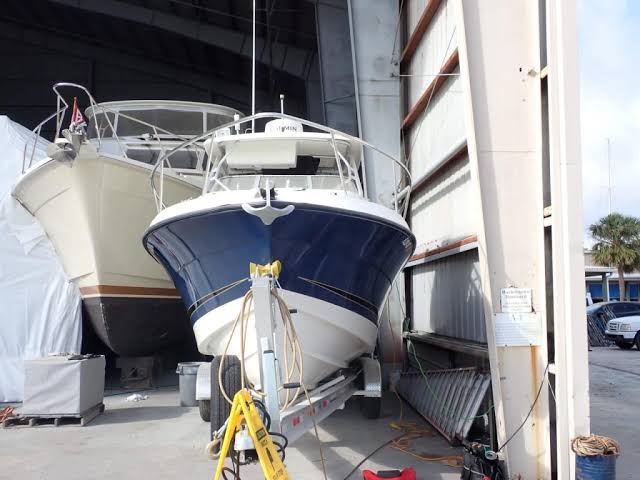
Barges are used for transportation, construction, dredging, and many other commercial marine activities. Because these vessels often work in demanding environments, understanding their condition is important for owners and operators.
A survey provides an opportunity to examine important parts of the vessel and document visible conditions. However, the exact scope can vary depending on the type of barge, its age, use, and the reason for the inspection.
Structural Condition
The hull and structural components are among the most important areas of a barge survey. A surveyor may examine accessible sections for visible corrosion, cracking, deformation, damage, and other signs of deterioration.
Decks, bulkheads, frames, supports, and related structural areas may also be reviewed. Any significant observations can be documented for the owner's consideration.
Hull and Deck Areas
The condition of the hull can provide important information about the vessel's overall state. Surveyors may look at accessible exterior and interior areas, depending on the inspection scope.
Deck surfaces should also be checked for visible damage, deterioration, or conditions that could affect normal operations.
If certain areas cannot be accessed, these limitations should be clearly mentioned in the final report.
Mechanical Equipment
Depending on the purpose of the inspection, mechanical equipment may also be considered. This can include accessible machinery, pumps, engines, or other equipment associated with the barge.
A survey does not necessarily involve complete mechanical testing or dismantling. Additional evaluation may be recommended when a specific equipment problem requires specialist attention.
Electrical Systems
Electrical components can also form part of the inspection when they fall within the agreed scope.
Surveyors may document visible conditions involving wiring, connections, panels, lighting, or other accessible electrical equipment. More detailed electrical testing may require a qualified specialist.
Safety Equipment
Safety-related equipment and conditions are another important consideration. Accessible safety equipment, deck conditions, fittings, and other relevant areas may be reviewed.
Owners should make sure that equipment and inspection areas are accessible before the survey begins.
Onboard Systems and Fittings
Barges can contain different systems and fittings depending on their intended purpose. These may include tanks, piping, winches, pumps, cargo-related equipment, or other installations.
The surveyor considers these areas according to the agreed inspection scope. For owners looking to understand what is normally included in a professional survey, reviewing the expected scope beforehand can help avoid confusion about what will be examined.
Maintenance and Previous Repairs
Previous maintenance and repair records can provide useful background information. They may help explain current conditions and show how earlier problems were addressed.
Owners should provide relevant records when available, particularly when major repairs or modifications have been completed.
The Final Survey Report
After the inspection, the surveyor prepares a report outlining the findings. Depending on the assignment, it may include photographs, descriptions of observed conditions, areas of concern, and recommendations.
A clear report should also identify inspection limitations so the owner understands which areas were and were not accessible.
Final Thoughts
A professional barge survey should provide a practical overview of the vessel's observed condition. Structural areas, hull and deck condition, equipment, electrical systems, safety items, and relevant onboard systems may all be considered depending on the survey's purpose.
Understanding the scope before the inspection helps owners know what to expect and makes the final report more useful for maintenance, insurance, purchasing, or operational decisions.