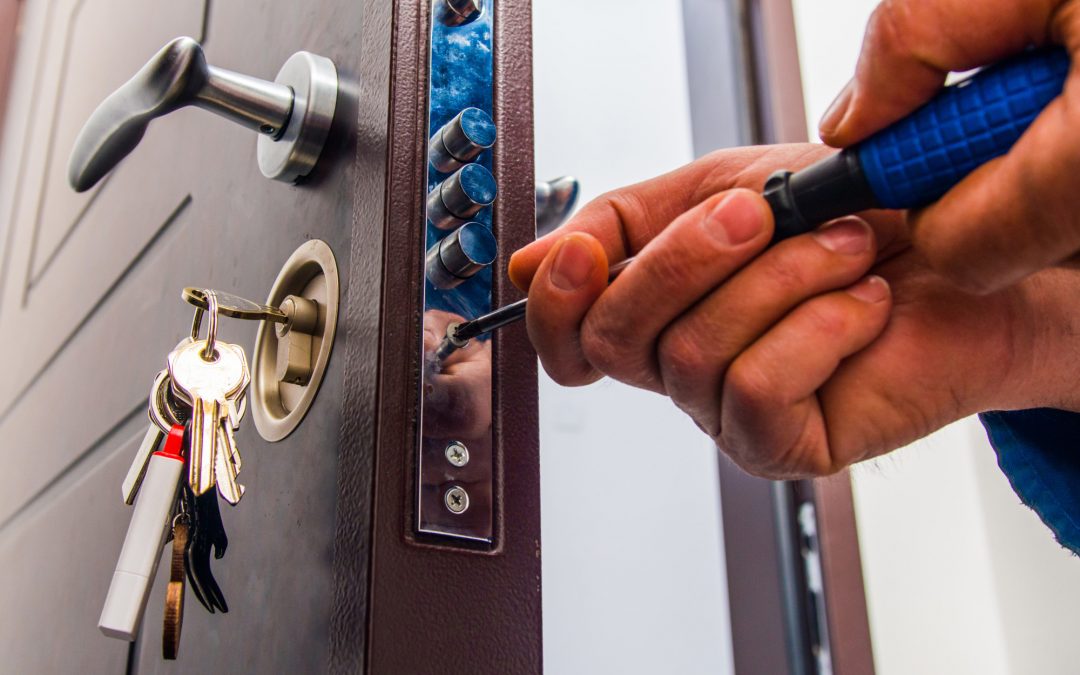
An office lockout can bring normal business activity to a standstill within minutes. Employees may arrive for work and discover that the main entrance will not open, a key has broken inside the lock, an access card is no longer working, or a door lock has suddenly failed. When this happens, the priority is to restore safe access without causing unnecessary damage to the door or locking system.
For businesses in Dubai, an office lockout can be particularly disruptive because employees, customers, suppliers, and scheduled appointments may all depend on access to the premises. The situation can become even more difficult when the problem happens outside normal working hours or involves a restricted office, storage room, or commercial unit.
The good news is that an office lockout does not always mean the lock needs to be replaced. The correct response depends on what caused the problem and what type of access system the business uses. This guide explains what businesses should do when employees cannot get into an office and when professional assistance may be necessary.
What Is an Office Lockout?
An office lockout occurs when authorised employees cannot access a workplace or a particular area of the workplace. It can happen for several reasons, including lost keys, broken keys, damaged locks, failed access cards, forgotten codes, or malfunctioning electronic locking systems.
The problem may affect the entire office or only one restricted area. For example, employees may be able to enter the building but remain unable to access a server room, storage area, manager's office, or another secured room.
Understanding exactly where the access problem exists is the first step toward finding an appropriate solution.
Common Reasons Employees Get Locked Out of an Office
Office lockouts are not always caused by human error. Mechanical and electronic components can also fail unexpectedly.
Common causes include:
- Lost or misplaced office keys
- A broken key inside the lock
- A key that has become too worn to operate correctly
- A damaged door lock
- Door and frame alignment problems
- A forgotten access code
- A failed access card or credential
- A depleted smart-lock battery
- An electronic access-system malfunction
Identifying the likely cause can help determine whether the situation can be resolved internally or requires professional assistance.
First: Confirm That the Person Is Authorised to Enter
Before attempting to open a locked office, businesses should confirm that the person requesting access is authorised to enter the premises or the particular room.
This is especially important in offices with restricted departments, shared buildings, warehouses, financial areas, or rooms containing confidential information.
The business may have an internal access policy that determines who can approve emergency access. Following that procedure helps protect the company while resolving the lockout.
Check Whether Another Authorised Access Method Is Available
Some offices have more than one method of entry. Before arranging emergency assistance, check whether an authorised alternative is available.
Depending on the workplace, this could include:
- A spare physical key
- A secondary entrance
- An authorised access card
- A backup access code
- A building management access procedure
- An authorised manager or facilities contact
The alternative should only be used when the employee has permission to access the relevant area.
Do Not Force the Office Door
One of the most important things employees should avoid during a lockout is forcing the door. Pushing aggressively, kicking the door, repeatedly twisting a key, or attempting to dismantle the lock without suitable knowledge can create additional damage.
A key that is already difficult to turn can break inside the cylinder if excessive force is applied. Similarly, forcing the door can damage the frame, latch, handle, or surrounding hardware.
What initially appears to be a simple lockout can therefore become a more complicated repair.
What If the Key Is Stuck Inside the Lock?
A broken or stuck key is a common reason for office access problems. If the key is still intact but will not turn, employees should avoid repeatedly forcing it.
If part of the key has broken inside the cylinder, trying to remove it with unsuitable tools can push the broken section deeper or damage the mechanism.
In this situation, professional assistance may be the safer option. Once the key has been removed, the lock and key can be assessed to determine whether the problem was caused by wear, damage, or another issue.
What If the Office Key Has Been Lost?
A lost key creates two separate concerns: access and security.
From an access perspective, employees may need another authorised key to enter the office. From a security perspective, management should consider whether the missing key could potentially be used by someone else.
The appropriate response depends on the circumstances. If the lost key cannot be associated with the property and there is little security concern, obtaining another key may be sufficient.
If the key could identify or provide access to a sensitive workplace, the business may need to consider rekeying or replacing the affected lock.
What If the Lock Suddenly Stops Working?
Sometimes employees have the correct key but the lock simply stops operating. This can happen when internal components wear out or when the door becomes misaligned.
One useful observation is whether the key works when the door is open but not when it is closed. If this happens, the issue may involve the door or frame rather than the locking cylinder itself.
Other warning signs can include a loose handle, a latch that does not fully engage, unusual resistance, or a key that suddenly becomes difficult to turn.
A professional assessment can help determine whether the lock can be repaired or whether replacement is more appropriate.
Electronic Office Lockouts
Modern offices may use digital locks, access cards, smart locks, keypads, or other electronic access systems. These can provide greater control over access but can also create different types of lockout situations.
For example, an electronic lock may stop responding because of a depleted battery, a failed credential, a technical issue, or another system problem.
Businesses should follow the manufacturer's recommended emergency procedure rather than attempting to dismantle the electronic lock.
If a backup access method is available, an authorised person should use it. If there is no practical backup, professional assistance may be required.
What Should Businesses Do During an After-Hours Lockout?
An office lockout outside normal business hours can be particularly inconvenient. Employees may arrive early for work, remain at the office late, or need access during weekends or holidays.
The first step should still be to confirm authorisation and check whether a building manager, security team, facilities department, or authorised manager can provide access.
If no internal option is available and the business needs urgent access, an emergency locksmith service may be considered.
When contacting a professional, provide the exact location and explain the type of lockout. This can help the service understand the situation before attending.
Information to Give a Locksmith
Clear information can make an emergency visit more efficient. Businesses should provide as much relevant information as they can without guessing about technical details.
Useful information includes:
- The location of the office
- The type of property
- Whether the problem affects an entrance or internal room
- Whether the key is lost or broken
- Whether the lock is mechanical or electronic
- Whether the door is currently locked
- Whether there is visible damage
If photographs can be provided safely and without exposing sensitive information, they may also help explain the type of lock involved.
When Should a Business Call an Emergency Locksmith?
Professional assistance may be appropriate when employees cannot access the office and no authorised alternative access method is available.
It can also be useful when:
- A key has broken inside the lock
- The only office key has been lost
- The lock has stopped working
- The door cannot be secured properly
- An electronic lock has failed
- A commercial entrance needs urgent attention
Businesses looking for a locksmith in Dubai should explain the exact situation rather than simply requesting a general lockout service. This allows the provider to understand whether the issue involves a key, lock, door, or electronic access system.
Does an Office Lockout Mean the Lock Must Be Replaced?
No. An office lockout does not automatically mean that the entire lock needs replacement.
The cause may be something relatively simple, such as a damaged key or door alignment issue. In other cases, the internal mechanism may be worn or damaged and replacement may be more practical.
The best solution should be based on the condition of the lock and the business's security requirements.
Repair vs Replacement After a Lockout
Repair may be suitable when the existing lock remains structurally sound and the problem can be corrected without compromising its reliability.
Replacement may be more appropriate when the mechanism is heavily worn, physically damaged, repeatedly failing, or no longer suitable for the property's security needs.
A lockout can therefore be an opportunity to identify a problem that may otherwise have gone unnoticed.
Should Businesses Consider Rekeying?
Rekeying can be considered when a business wants to change which existing keys operate a lock without necessarily replacing the complete hardware.
This can be relevant after a key has been lost or when employee access needs to be changed.
Whether rekeying is suitable depends on the type and condition of the lock. Businesses should also consider their broader access-control arrangements.
How to Prevent Future Office Lockouts
Preventing every possible lockout is difficult, but businesses can reduce the likelihood and impact of access problems through basic planning.
Useful measures include:
- Keep authorised spare keys in a secure location.
- Maintain a record of who has important physical keys.
- Replace heavily worn keys before they fail.
- Address difficult locks before they stop working.
- Keep access credentials updated.
- Monitor batteries in electronic locks.
- Have a clear emergency access procedure.
- Keep relevant facilities or property-management contacts available.
These measures can reduce disruption when an unexpected access problem occurs.
Why Businesses Should Have an Emergency Access Plan
An emergency access plan can save valuable time during a lockout. Employees should know who is authorised to approve access, where backup keys are stored, and who should be contacted if the normal access system fails.
For larger businesses, different departments may also have different access requirements. The plan should therefore account for restricted rooms and areas containing sensitive information.
Having these procedures established before an emergency occurs is generally easier than trying to create them while employees are standing outside a locked office.
Professional Locksmith Services for Office Lockouts
When a business needs urgent assistance, the right service should be able to assess the particular lockout rather than treating every situation in exactly the same way.
The appropriate solution may involve non-destructive access, key extraction, key replacement, lock repair, lock replacement, or assistance with another access problem. The actual service depends on the cause of the lockout and the type of locking system.
Businesses can learn more about available Emergency locksmith assistance in Dubai here:
https://www.keymakerdubai.com/locksmith-dubai
Frequently Asked Questions
What should employees do if they cannot get into the office?
Employees should first confirm that they are authorised to enter and check whether an approved spare key, alternative entrance, building manager, or internal access procedure is available. If no authorised option exists, professional assistance may be required.
Should I force an office door during a lockout?
No. Forcing the door can damage the lock, frame, latch, handle, or key. It is safer to identify the cause of the problem and use an appropriate access procedure.
What if the office key breaks inside the lock?
Avoid pushing or twisting the broken section further. Professional key extraction may be required, after which the lock and key can be assessed to determine whether repair or replacement is necessary.
Can a locksmith help with commercial office lockouts?
A professional locksmith may be able to assist with different types of commercial lockouts, including traditional locks and certain specialised systems. The available service depends on the locking system and the nature of the problem.
Does losing an office key mean the locks should be changed?
Not automatically. The business should consider who may find or use the key and what areas it can access. Depending on the security risk, rekeying or replacement may be considered.
What if an electronic office lock stops working?
Check the manufacturer's recommended backup procedure and confirm whether the issue could be related to the battery or access credential. If the system remains inaccessible, professional assistance may be required.
Can a lockout reveal a bigger security problem?
Yes. A lockout may reveal worn hardware, poor door alignment, outdated locks, uncontrolled key access, or an access system that no longer suits the business.
How can a business reduce future lockouts?
Businesses can maintain spare keys securely, replace worn keys, address faulty locks early, manage electronic credentials, monitor smart-lock batteries, and maintain a clear emergency access procedure.
Final Thoughts
An office lockout in Dubai can interrupt an entire working day, but the situation does not need to become more complicated than necessary. The first priority should be confirming authorised access and checking whether an approved backup method is available.
Employees should avoid forcing doors, keys, or electronic locks because doing so can turn an access problem into a more expensive repair. If the problem involves a broken key, failed lock, lost key, or malfunctioning access system, professional assessment may be the most practical option.
It is also important to look beyond the immediate lockout. A failed lock can reveal wear, alignment issues, outdated security hardware, or weaknesses in the way a business manages physical access.
By keeping spare access options secure, maintaining locks and keys, reviewing employee access, and having an emergency procedure in place, businesses can reduce both the frequency and impact of office lockouts. When an unexpected problem does occur, understanding the type of lock and the reason for the failure can make it much easier to choose between repair, replacement, rekeying, or another appropriate solution.