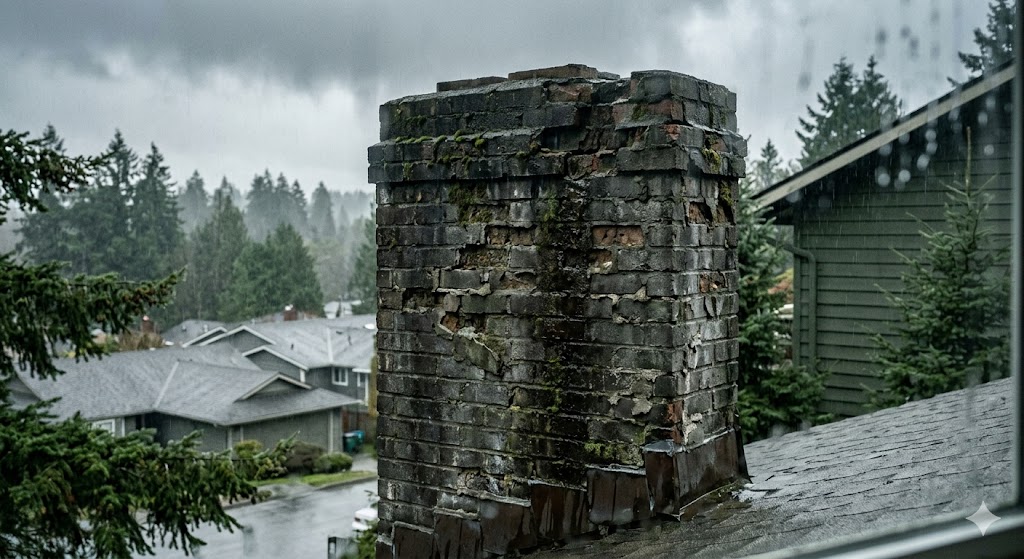
A chimney is an important structural and functional feature of many homes. It helps direct smoke and combustion gases away from living spaces while adding character to the exterior of the property. However, years of exposure to rain, moisture, wind, temperature fluctuations, and general wear can gradually weaken brick and mortar. Cracked bricks, deteriorating joints, loose masonry, and water damage are signs that should not be overlooked. Professional chimney masonry repair can restore damaged areas, improve the durability of the structure, and help prevent small problems from developing into costly repairs.
Why Chimney Masonry Deteriorates
Masonry chimneys are designed to withstand outdoor conditions, but constant exposure to the elements eventually takes a toll. Moisture is one of the most common causes of deterioration. Water can enter through cracks in bricks, damaged mortar joints, chimney crowns, or faulty flashing.
Once moisture enters the masonry, repeated wet and dry cycles can gradually weaken the structure. Bricks may begin to crack or flake, while mortar joints can crumble and become recessed. Over time, these problems may affect larger sections of the chimney.
Age also plays an important role. Older chimneys may have materials that have naturally deteriorated over decades and require specialized restoration techniques.
Common Signs of Chimney Masonry Damage
Recognizing early warning signs can help homeowners arrange repairs before extensive deterioration occurs.
Cracked Bricks
Cracks can appear because of moisture, temperature changes, aging, structural movement, or other environmental factors. Even small cracks can provide an entry point for water.
Crumbling Mortar
Mortar joints help hold bricks together and protect the interior of the masonry from moisture. When mortar begins to crumble, crack, or disappear, the chimney becomes more vulnerable to further deterioration.
Spalling
Spalling occurs when the surface of a brick begins to chip, flake, or break away. This can happen when moisture enters the brick and contributes to deterioration. Severely damaged bricks may need to be replaced.
Loose Bricks
Loose bricks can indicate weakened mortar or movement within the masonry. They should be evaluated promptly because additional bricks may become unstable if the underlying issue is not addressed.
White Staining
White or chalky deposits on brick surfaces can sometimes indicate moisture movement through the masonry. Although the staining may appear cosmetic, it can be a useful warning sign that water is entering the structure.
What Does Chimney Masonry Repair Include?
Chimney masonry repair can involve several different restoration techniques depending on the extent of the damage.
Mortar Repointing
When mortar joints deteriorate but the bricks remain in good condition, repointing may be appropriate. The damaged mortar is carefully removed and replaced with new mortar.
Proper repointing can improve the stability of the masonry and reduce opportunities for water penetration.
Brick Replacement
Individual bricks that are severely cracked, broken, or deteriorated may need to be removed and replaced. Whenever possible, replacement bricks should be selected to complement the existing masonry.
Sectional Rebuilding
If deterioration affects a larger portion of the chimney, rebuilding a section may be necessary. This approach can restore areas that are too damaged for simple repointing or individual brick replacement.
Crown and Flashing Repairs
Masonry problems can sometimes be connected to water entering from the top or around the roof connection. Repairing a damaged chimney crown or flashing may therefore be an important part of protecting newly restored masonry.
Why Professional Repair Is Important
Chimney repairs require more than replacing visible damaged bricks. A professional needs to understand how the masonry, roof, flashing, crown, and ventilation components work together.
Incorrect mortar or repair techniques can potentially cause additional damage. This is especially important when working on older chimneys, where existing bricks may require a compatible mortar that allows the masonry to perform properly.
A professional can also identify the underlying source of deterioration instead of simply covering visible cracks.
The Role of Moisture Prevention
Keeping moisture away from the masonry is one of the most important aspects of chimney maintenance. Even high-quality repairs can deteriorate again if water continues entering the structure.
A chimney inspections should therefore consider the condition of the cap, crown, flashing, mortar joints, and surrounding roof area.
Proper drainage and effective protection can help reduce the amount of water reaching vulnerable masonry. Addressing leaks quickly can also prevent damage from spreading into the roof or interior areas of the home.
When Should You Schedule a Repair?
Homeowners should consider professional chimney masonry repair when they notice visible deterioration or changes in the condition of the chimney.
Some situations that deserve attention include:
- Cracked or missing bricks
- Deteriorating mortar joints
- Loose masonry
- Spalling bricks
- Water stains near the chimney
- Cracks in the chimney crown
- Damaged flashing
- Masonry debris on the roof or ground
- A chimney that appears to lean
Even when damage appears minor, an inspection can help determine whether the issue is isolated or part of a larger structural problem.
Repairing Small Problems Can Save Money
One of the biggest advantages of early maintenance is the opportunity to address deterioration before it spreads. A few damaged mortar joints may be relatively straightforward to repair, while extensive masonry deterioration could require significant rebuilding.
Moisture can accelerate the process by repeatedly entering damaged areas. Timely repairs can help interrupt this cycle and protect the remaining masonry.
Rather than waiting until bricks become loose or large sections begin deteriorating, homeowners can take a proactive approach with periodic inspections and maintenance.
Choosing the Right Chimney Professional
When selecting a contractor, look for experience with brick masonry and chimney restoration. A qualified professional should inspect the structure carefully and explain what is causing the damage.
Ask for details about the recommended repair method, materials, and expected scope of work. A reliable contractor should also be willing to explain whether additional issues, such as flashing or crown deterioration, need attention.
Choosing experienced professionals can help ensure that repairs are performed correctly and that the restored masonry blends naturally with the existing structure.
Protect Your Chimney for the Long Term
A chimney can remain a durable and attractive part of your home when it receives the right care. Regular inspections, moisture prevention, and timely chimney masonry repair can help preserve the strength of brick and mortar while reducing the risk of extensive deterioration.
Whether your chimney needs mortar repointing, brick replacement, sectional rebuilding, or related water-protection work, addressing problems early is a smart approach to home maintenance. Instead of allowing small cracks or deteriorating mortar to develop into major structural concerns, have the chimney assessed and repaired by an experienced professional.
With proper maintenance and quality workmanship, homeowners can protect their chimney's appearance, stability, and longevity while maintaining an important part of their property's structure for years to come.