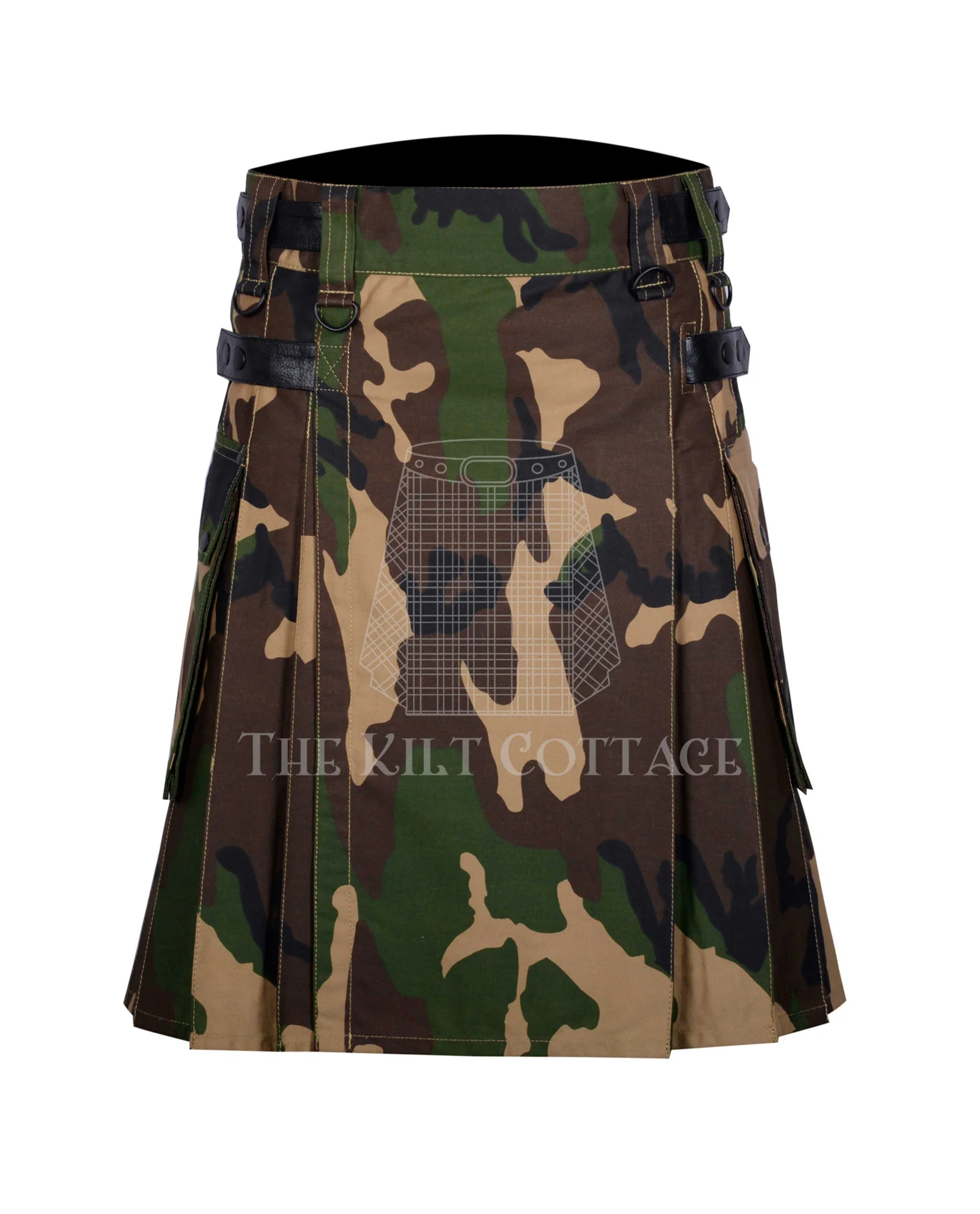
Cotton kilts are prized for their comfort and easy-going nature compared to heavier wool alternatives, but that does not mean they can be treated carelessly when it comes to cleaning. Proper washing and maintenance are essential to preserve the pleats, colour, and overall structure of the garment. Understanding the right care routine helps ensure that cotton kilts stay looking sharp and last for years of regular wear.
1. Check the Fabric and Care Label First:
Before washing any cotton kilt, it is important to check the specific care instructions provided by the manufacturer, as blends and finishes can vary between retailers. Some cotton kilts are made from pure cotton, while others may include reinforced stitching or blended fibres that affect how they respond to washing. Taking a moment to review these details helps avoid mistakes that could shrink the fabric or loosen the pleats.
2. Hand Washing for Maximum Care:
Hand washing is generally the safest method for cleaning cotton kilts, particularly those with structured pleating. Using cool or lukewarm water with a mild detergent helps remove dirt and odor without breaking down the fibres or causing colours to fade. Gently working the fabric rather than scrubbing or wringing it protects the pleats and prevents unnecessary stress on the seams.
3. Machine Washing Precautions:
For those who prefer machine washing, using a gentle or delicate cycle is essential to avoid damaging the kilt. Placing the kilt inside a mesh laundry bag adds an extra layer of protection against friction from other items in the wash. Cold water settings are recommended, as hot water can cause shrinkage and weaken the fabric over repeated washes.
4. Drying Without Losing Shape:
Proper drying is just as important as washing when it comes to maintaining a cotton kilt's structure. Air drying is the preferred method, as tumble dryers can generate excessive heat that distorts pleats and shortens the fabric's lifespan. Laying the kilt flat or hanging it properly, with pleats gently reshaped by hand, helps it dry evenly while retaining its original form.
5. Ironing and Pleat Maintenance:
Once dry, cotton kilts may need light ironing to keep the pleats crisp and well defined. Using a low to medium heat setting, along with a pressing cloth, protects the fabric from scorching while still smoothing out wrinkles. Taking care to iron in the direction of the pleats, rather than across them, helps maintain the traditional silhouette that defines a well-kept kilt.
6. Storing Cotton Kilts Between Wears:
How a cotton kilt is stored between uses plays a major role in preventing long-term damage. Hanging the kilt on a proper hanger, rather than folding it into a drawer, helps preserve the pleats and prevents deep creasing. Keeping it in a cool, dry space away from direct sunlight also protects the fabric from fading and weakening over time.
7. Choosing Quality Cotton Kilts That Are Easier to Maintain:
Investing in a well-constructed cotton kilt from the start makes ongoing care significantly easier. Retailers like Kilt Cottage focus on quality stitching and durable cotton fabric, which means the kilt is better equipped to handle regular washing and wear without losing its shape. Starting with a high-quality garment reduces the risk of damage and ensures that proper care routines are enough to keep the kilt looking its best for years to come.