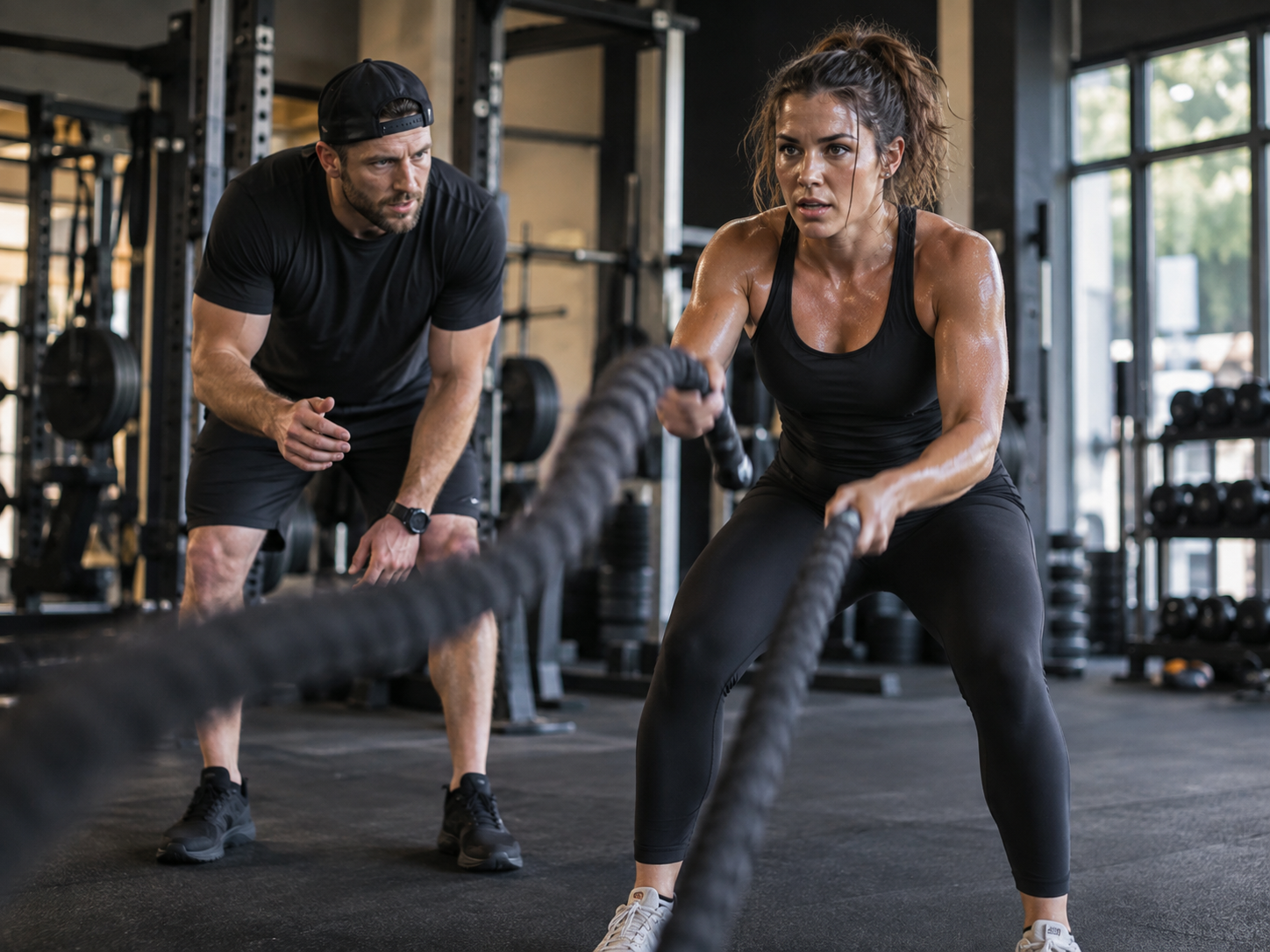
Walking into a gym for the first time can feel uncomfortable. The equipment may be unfamiliar, other people may seem more experienced, and it can be difficult to know where to begin.
That feeling is normal. Confidence in the gym usually does not appear before you start. It develops through repetition, familiarity, and learning a few basic habits that make each visit easier.
Beginners do not need to understand everything immediately. They simply need a starting point that feels manageable.
Learn the Layout Before Your First Full Workout
One of the easiest ways to reduce uncertainty is to become familiar with the space.
Before trying to complete a full routine, spend a few minutes learning where the main areas are located. Find the cardio equipment, resistance machines, free weights, stretching space, changing areas, and water stations.
Knowing where things are removes a surprising amount of stress.
Instead of walking around wondering what to do next, you can move through your workout with a clearer plan.
Start with a Simple Routine
Complicated workouts often make beginners feel less confident.
For beginners exploring personal training, starting with a simple, manageable workout can make learning exercises and building confidence feel less overwhelming. You do not need a long list of exercises during your first few weeks.
A basic strength session might include a squat movement, a pushing exercise, a pulling exercise, a hip-focused movement, and some simple core work.
Starting with a small number of exercises gives you time to learn each movement.
Once those exercises feel familiar, you can gradually add more variety.
Visit During a Quieter Time
Crowded gyms can feel intimate when you are still learning.
If your schedule allows it, try visiting at a less busy time during your first few sessions.
This can give you more space to understand the equipment without feeling rushed.
Once you become familiar with the gym and your routine, busier periods may feel much easier to manage.
You may discover that crowd levels matter much less than they did during your first visit.
Remember That Most People Are Focused on Themselves
Beginners sometimes worry that everyone else is watching them.
In reality, most people in a gym are thinking about their own workout.
They may be counting repetitions, checking their form, listening to music, or simply trying to finish before heading home.
You don't need to perform perfectly.
Everyone who looks experienced today had a first workout at some point.
Giving yourself permission to learn can remove much of the pressure.
Choose an Environment Where You Feel Comfortable
The atmosphere of a gym can make a difference in how quickly confidence develops.
Some people prefer energetic spaces. Others feel more comfortable in quieter environments with less activity.
Neither preference is wrong.
For someone living or working around Richardson, choosing a comfortable place to train can also mean considering location, crowd levels, operating hours, and how naturally the gym fits into the rest of the day.
A training environment that feels practical and familiar can make it easier to keep returning.
Learn How a Few Machines Work
You do not need to understand every piece of equipment in the building.
Choose a few machines or exercises that fit your routine and learn those first.
Many resistance machines include instructions showing how the movement should be performed and which muscles it targets.
If you are unsure, ask someone qualified for help rather than guessing.
Once you become comfortable with several basic exercises, the rest of the gym usually begins to feel much less complicated.
Use Lighter Resistance While Learning
Beginners sometimes feel pressure to lift heavier weights than they are ready for.
There is no need.
Using lighter resistance gives you more time to learn movement patterns and understand how exercises should feel.
As your control improves, resistance can gradually increase.
Progress does not need to happen quickly.
A well controlled movement is usually a better starting point than trying to lift more simply because someone nearby is using heavier weight.
Write Down Your Workout Before You Arrive
Confidence improves when you know what you are going to do.
Before leaving for the gym, write down a simple workout.
For example, you might plan five exercises and decide how many sets you want to complete.
This removes the need to make constant decisions while you are there.
You can enter the gym, follow the plan, and leave knowing that you completed what you intended.
That feeling of structure can make the experience much more comfortable.
Ask Questions When You Need Help
Not knowing how something works is not a problem.
Pretending you understand something experience when you do not can make the harder.
If you are unsure how to adjust a machine or perform an exercise, ask for guidance.
A short explanation may save you several confusing workouts.
Learning is part of being a beginner.
The faster you become comfortable asking useful questions, the faster the gym begins to feel familiar.
Track Small Signs of Progress
Confidence often grows when you can see that you are improving.
Keep simple notes about your workouts.
You might record the exercises you completed, the resistance used, the number of repetitions, or how comfortable the movements felt.
Progress may appear in small ways.
An exercise may feel easier. You may need less time to adjust equipment. You may walk into the gym already knowing exactly where to go.
Those changes are worth noticing.
Avoid Comparing Yourself With Experienced Members
Comparison can quickly make a beginner feel behind.
Someone lifting heavier weights may have been training for several years.
Another person may have different goals, experience, or physical abilities.
Their workout tells you very little about what your own training should look like.
Measure your progress against where you started.
If you are becoming stronger, more comfortable, or more consistent, your routine is moving in the right direction.
Wear Something You Can Move Comfortably In
Workout clothing does not need to be fashionable or expensive.
It should simply allow you to move comfortably.
Wear shoes and clothing suitable for the type of exercise you plan to do.
When you are not constantly adjusting uncomfortable clothes or worrying about how you look, it becomes easier to focus on the workout.
Small practical choices like this can make a new environment feel less distracting.
Give Yourself Time to Become Familiar
Confidence is usually built through repeated exposure.
The first visit may feel strange.
The third may feel easier.
After several weeks, you may know exactly where your preferred equipment is, what your normal warm up looks like, and how long your usual workout takes.
That familiarity is what makes the gym begin to feel normal.
Do not expect yourself to feel completely comfortable immediately.
Focus on Showing Up
The biggest early goal does not need to be lifting a certain amount of weight or completing an advanced program.
It can simply be developing the habit of going.
Regular visits give you opportunities to practice movements, learn the environment, and become more comfortable.
Confidence follows experience.
The gym becomes much less intimate once you know what to expect and have a routine you understand.
Start small, keep your workouts simple, ask questions when necessary, and give yourself enough time to learn.
The environment that once felt unfamiliar can eventually become just another normal part of your week.