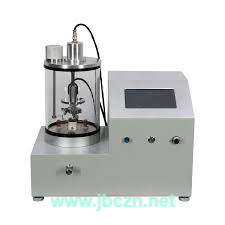
Production efficiency in surface treatment is not determined by coating speed alone. A complete workflow includes loading, cleaning, chamber evacuation, material evaporation, deposition, cooling, unloading, inspection, and preparation for the next cycle. When one stage creates unnecessary waiting or repeated adjustment, the entire production rhythm can be affected. For manufacturers handling decorative plastic parts, automotive components, electronic housings, sanitary products, or other substrates,PVD evaporation coating equipment can influence how these stages are coordinated. At jbczn, equipment design is developed around different coating applications and production requirements, but how does this technology actually affect manufacturing efficiency?
One important factor is chamber organization. The internal dimensions, fixture arrangement, material source position, and movement system determine how workpieces are positioned during deposition. A suitable arrangement allows available chamber space to be used according to the shape and quantity of the components being processed. When fixtures are designed around the product geometry, operators can establish a repeatable loading method instead of changing the arrangement from one batch to another.
Workpiece movement can also influence coating distribution. Flat pieces, curved components, and products with recessed sections may receive vapor differently if they remain stationary. Rotation systems allow surfaces to change their orientation during deposition, helping the coating material reach different areas of the substrate. JBCZN's horizontal vacuum evaporation equipment for plastic products is described with a multi-axis rotation system intended to support production and coating distribution.
Vacuum preparation is another part of the production cycle. Before evaporation begins, the chamber needs to reach a suitable vacuum condition so that the vaporized material can travel toward the substrate with limited interference from residual gases. Stable pumping performance can therefore influence cycle organization. If evacuation is inconsistent, operators may need additional waiting time or process adjustments, which can disturb the planned production sequence.
Automation provides another route for improving workflow. A coating system can integrate automatic, semi-automatic, or manual control depending on the production arrangement. PLC touchscreen controls can help operators manage programmed process stages and monitor equipment conditions through a centralized interface. This type of control can reduce the need for repeated manual intervention during routine cycles while still allowing process settings to be adjusted when a particular product requires a different treatment.
Material preparation also has a connection with efficiency. Evaporation sources may include materials such as aluminum, copper, chromium, or tungsten wire depending on the intended coating process. When source materials are prepared according to a defined production plan, operators can reduce interruptions caused by unsuitable loading or unexpected material changes. A clear material schedule can also make it easier to organize batches according to color, finish, or substrate type.
Product preparation should not be overlooked. Dust, oil, residues, and surface contamination can interfere with adhesion and visual quality. If poorly prepared components enter the chamber, a coating cycle may need to be repeated or rejected parts may require additional processing. Cleaning, inspection, and fixture preparation before loading therefore have a direct relationship with production continuity. The manufacturer's published process guidance also emphasizes substrate preparation, chamber loading, vacuum pumping, material vaporization, deposition, cooling, and inspection as connected stages.
Coating consistency can influence production planning in another way. When film thickness, color, gloss, or surface appearance varies between batches, additional inspection and adjustment may become necessary. Consistent positioning, evaporation conditions, substrate movement, and source control can help create a repeatable process. For decorative components, this is particularly relevant because a slight visual difference can become noticeable when products are assembled together.
The range of surface effects can also affect how manufacturers organize production. The equipment listed by JBCZN supports finishes including bright, matte, semi-matte, brushed, wrinkle, and raindrop effects, along with a variety of decorative colors. When several finishes are part of the same product portfolio, production scheduling can be arranged around material preparation, chamber cleaning, fixture requirements, and color changes. Such planning can reduce unnecessary interruptions between different orders.
Substrate compatibility is another consideration. Plastic components may be produced from ABS, PS, PP, PC, PVC, TPU, nylon, and other materials, while the broader equipment range can also address glass, ceramics, and metals. Since each substrate can have its own preparation and processing requirements, production efficiency depends on matching the equipment configuration with the products being manufactured rather than relying on a single generic cycle.
Maintenance has a direct relationship with operating continuity as well. Vacuum pumps, seals, cooling circuits, electrical connections, fixtures, evaporation sources, and sensors require regular inspection. Preventive maintenance can help identify wear before it develops into an unexpected stoppage. JBCZN's technical information recommends attention to vacuum components, source parts, cooling systems, electrical controls, deposition monitoring, and fixture conditions as part of equipment upkeep.
Operator experience also matters. A highly automated machine still requires personnel who understand loading methods, substrate preparation, process settings, safety procedures, and basic troubleshooting. When operators follow a defined workflow, production data and process conditions can be recorded in a consistent manner, making it easier to identify the source of an abnormal result instead of adjusting several variables at once.
Customization can become important when production requirements differ from standard equipment configurations. Chamber dimensions, door structure, coating method, control mode, fixture arrangement, and special requirements can vary according to product type and factory layout. JBCZN states that its R&D team can develop and produce equipment according to special requirements or customer samples, which gives manufacturers a way to discuss the machine around their actual production conditions.
For a manufacturer considering a new coating line, the evaluation should therefore begin with the product rather than the machine name. Product dimensions, substrate material, expected batch arrangement, surface finish, coating material, required automation, chamber capacity, loading method, maintenance resources, and factory space can all influence the final configuration. A machine that matches these conditions can create a workflow in which preparation, deposition, inspection, and subsequent handling fit together naturally.
Production efficiency is ultimately connected to how well the equipment, process, people, and products work as one system. A vacuum coating machine is not simply a chamber for depositing metal vapor; its fixtures, rotation system, vacuum structure, heating method, controls, cooling arrangement, and maintenance design all participate in the production cycle. Manufacturers exploring plastic surface finishing can review https://www.jbczn.net to examine a horizontal evaporation solution, while PVD evaporation coating equipment from JBCZN can be discussed according to product characteristics, coating objectives, factory layout, and planned production workflow.