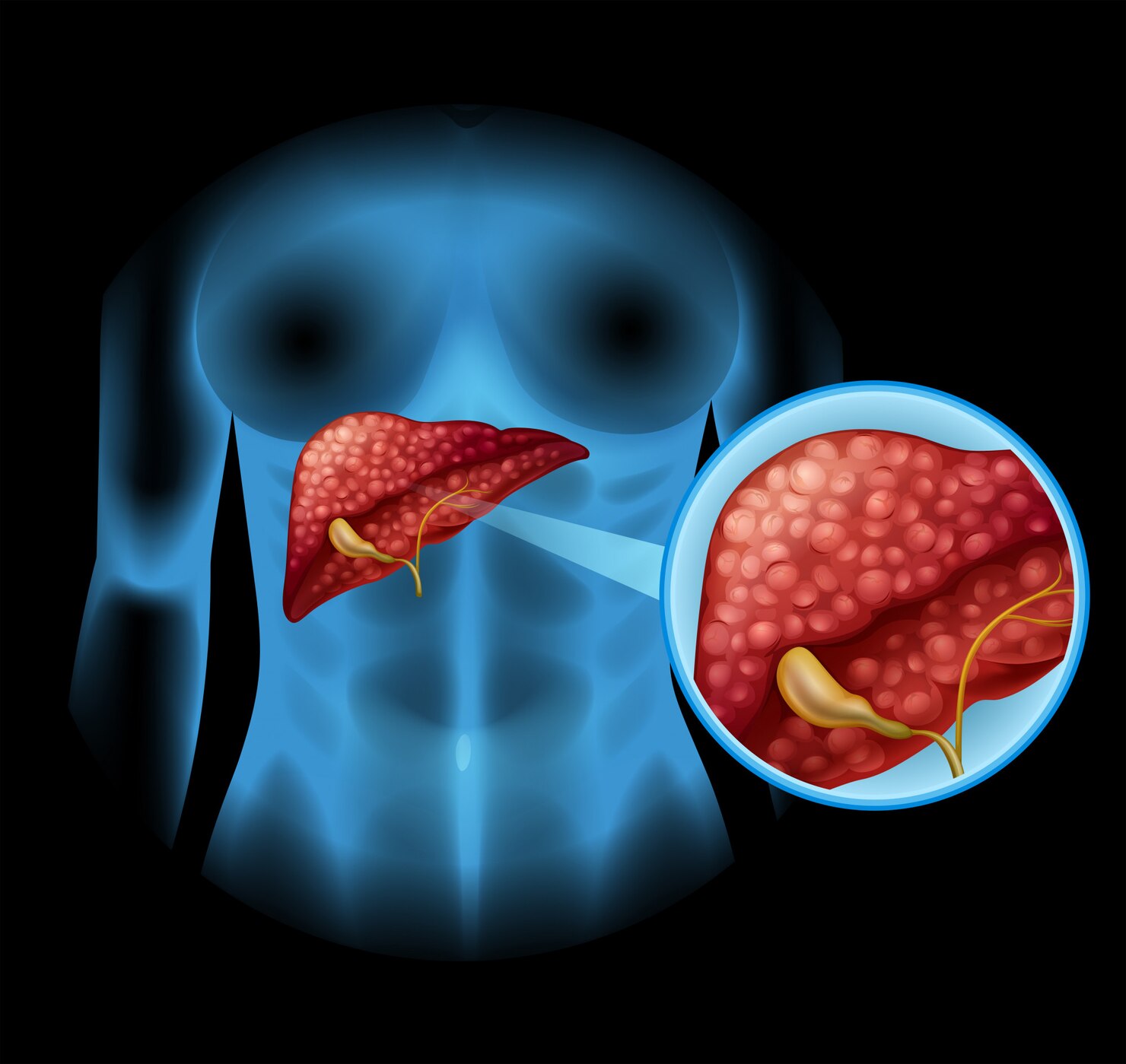
Fatty liver disease can develop quietly, and many people may have few or no noticeable symptoms in its early stages. This is one reason questions such as “What are the symptoms of fatty liver?”, “Where is fatty liver located?”, and “How do I know if I have a fatty liver?” are so common.
Fatty liver means that excess fat has accumulated in the liver. Depending on the underlying cause and severity, it can range from a condition with little immediate impact to liver disease involving inflammation and scarring.
Understanding the signs of fatty liver, where the liver is located, possible causes, and how fatty liver is evaluated can help you know when to seek medical guidance.
Medical note: This article is for educational purposes and does not diagnose fatty liver disease. Symptoms can have many possible causes. If you are concerned about your liver health, speak with a qualified healthcare professional.
Where Is the Fatty Liver Located in the Body?
The liver is located primarily in the upper-right portion of the abdomen, underneath the right side of the rib cage. A smaller portion extends toward the upper middle area of the abdomen.
When someone asks “where is fatty liver located?”, it is important to understand that fatty liver does not mean that the fat is located somewhere separate from the liver.
Instead, fat accumulates within liver cells.
The location of the liver explains why some people with liver problems may notice discomfort or fullness in the upper-right abdomen. However, abdominal pain is not specific to fatty liver and can occur for many other reasons.
What Is Fatty Liver?
Fatty liver occurs when excess fat builds up in liver cells.
A commonly discussed form is metabolic dysfunction-associated steatotic liver disease (MASLD), previously called nonalcoholic fatty liver disease (NAFLD). Fatty liver can also be associated with alcohol use and other medical conditions.
Fat accumulation does not automatically mean that someone has severe liver damage. The important question is whether there is associated inflammation, liver injury, or fibrosis.
Conscious Medicine's 7-Day Liver Detox Diet Plan also discusses fatty liver, nutrition, physical activity, and lifestyle approaches for supporting liver health.
What Are the Symptoms of Fatty Liver?
One of the most important things to understand about fatty liver is that many people have no obvious symptoms, particularly during earlier stages.
When symptoms do occur, they may include:
-
Fatigue or low energy
-
General weakness
-
A feeling of fullness or discomfort in the upper-right abdomen
-
Abdominal discomfort
-
Unexplained changes in overall well-being
-
Symptoms related to an underlying metabolic condition
Because these symptoms are nonspecific, having fatigue or abdominal discomfort does not necessarily mean you have fatty liver.
This is why medical evaluation may be important when there are risk factors or persistent symptoms.
Early Signs of Fatty Liver
The early signs of fatty liver can be subtle or completely absent.
Some people may report:
Fatigue
Persistent tiredness can occur in people with liver disease, but fatigue has many possible causes, including poor sleep, anemia, thyroid problems, nutritional deficiencies, medications, and other health conditions.
Upper-Right Abdominal Discomfort
Some people experience mild discomfort or fullness under the right rib cage.
A mild pain in the upper-right abdomen that comes and goes should not automatically be attributed to fatty liver. Gallbladder, digestive, muscular, and other conditions can produce similar symptoms.
Few or No Symptoms
This is particularly important. You cannot reliably determine whether your liver is fatty simply by looking for symptoms.
A person can have fatty liver without obvious pain or other warning signs.
Signs of a Fatty Liver in Women
The basic features of fatty liver are not completely different simply because someone is a woman.
Women may experience symptoms such as:
-
Fatigue
-
Abdominal discomfort
-
Changes in metabolic health
-
Weight-related concerns
-
Few or no noticeable symptoms
Hormonal changes, menopause, insulin resistance, thyroid problems, medications, and other factors can also influence metabolic health.
If you are experiencing unexplained weight changes or hormonal symptoms alongside concerns about liver health, a broader evaluation may be useful.
Conscious Medicine also discusses metabolic and hormone-aware wellness through its SheFASTS™ Energy Support & Metabolic Wellness Program.
What Causes a Fatty Liver?
Fatty liver can have multiple contributing factors.
Common factors may include:
-
Overweight or obesity
-
Insulin resistance
-
Type 2 diabetes
-
Metabolic syndrome
-
High triglycerides or other lipid abnormalities
-
Excessive alcohol use
-
Certain medications
-
Some medical conditions
-
Dietary and lifestyle factors
Importantly, fatty liver is not simply a condition caused by eating one particular food.
The overall metabolic picture matters.
What Does Fatty Liver Inflammation Mean?
Fat accumulation and liver inflammation are not exactly the same thing.
A person can have fat accumulation in the liver without significant inflammation. In some people, however, liver fat is associated with inflammation and liver-cell injury.
Persistent inflammation can increase the risk of fibrosis, or scarring.
This is why fatty liver inflammation symptoms deserve medical attention rather than being treated as a simple digestive problem.
Symptoms alone cannot tell you whether inflammation or fibrosis is present.
Blood tests, imaging, and sometimes specialized liver testing may be needed.
What Are the Effects of Fatty Liver Disease?
The effects of fatty liver disease vary considerably.
Some people have fat accumulation without significant progression. In others, liver injury can develop over time.
Potential complications can include:
-
Liver inflammation
-
Fibrosis or scarring
-
Cirrhosis
-
Increased risk of liver-related complications
The risk depends on factors such as the underlying cause, metabolic health, alcohol exposure, and whether significant inflammation or fibrosis develops.
How Do You Know If Your Liver Is Fatty?
You cannot reliably diagnose fatty liver from symptoms alone.
A healthcare professional may consider:
Medical History
Your clinician may ask about:
-
Weight changes
-
Alcohol use
-
Diabetes
-
Cholesterol and triglycerides
-
Medications
-
Family history
-
Existing liver conditions
-
Other metabolic health factors
Blood Tests
Liver enzymes such as ALT and AST may be checked, along with other laboratory markers.
However, normal liver enzymes do not necessarily rule out fatty liver.
Imaging
Depending on the situation, healthcare professionals may use imaging such as ultrasound or other tests to evaluate the liver.
FibroScan
A FibroScan can provide information about liver stiffness and liver fat.
Our guide, FibroScan Liver Test: How It Works and What to Expect, explains how the test evaluates liver stiffness and fat and what patients can expect during the procedure.
What Does a Fatty Liver Look Like?
You cannot determine whether you have fatty liver simply by looking at your abdomen.
The liver itself cannot be visually assessed from outside the body.
Medical imaging can provide information about liver appearance and fat accumulation. Depending on the clinical situation, a healthcare professional may recommend ultrasound, FibroScan, or another appropriate test.
Can Fatty Liver Cause Pain?
Fatty liver does not always cause pain.
When discomfort occurs, some people may describe it as:
-
Mild pressure
-
Fullness
-
Aching
-
Discomfort beneath the right ribs
But fatty liver pain is not a specific symptom.
If you have persistent, severe, or worsening abdominal pain, it is important not to assume that fatty liver is the cause.
Can Fatty Liver Cause Fatigue?
Fatigue is one of the symptoms people commonly search for when researching fatty liver.
However, fatigue is extremely nonspecific.
It can also be associated with:
-
Poor sleep
-
Stress
-
Anemia
-
Thyroid conditions
-
Nutritional deficiencies
-
Infections
-
Medication effects
-
Metabolic problems
-
Many other health conditions
Therefore, fatty liver fatigue treatment should begin with identifying the underlying cause rather than assuming that liver fat is responsible.
What Can You Do About Fatty Liver?
Management depends on the underlying cause and severity.
For many people with metabolic fatty liver disease, lifestyle measures can play an important role.
These may include:
1. Improve Overall Diet Quality
Focus on nutrient-dense foods such as:
-
Vegetables
-
Fruits
-
Whole grains
-
Beans and legumes
-
Fish
-
Lean proteins
-
Nuts and seeds
-
Healthy fats
Reducing excessive added sugar and highly processed foods may also be helpful.
2. Maintain a Healthy Weight
If you have overweight or obesity, gradual weight loss may help reduce liver fat.
The appropriate target varies from person to person, so avoid extreme diets or rapid weight-loss programs without professional guidance.
3. Stay Physically Active
Regular physical activity can support metabolic health and may benefit liver health.
A combination of aerobic activity and resistance training can be appropriate for many adults, depending on individual health status.
4. Limit or Avoid Alcohol When Appropriate
Alcohol can contribute to liver injury. If you already have liver disease, discuss alcohol use with your healthcare professional.
5. Manage Related Conditions
Conditions such as diabetes, high cholesterol, high blood pressure, and obesity can be closely connected with metabolic liver health.
Managing these conditions can be an important part of protecting the liver.
For more information, see Conscious Medicine's 7-Day Liver Cleanse Diet Guide, which discusses whole-food nutrition, Mediterranean-style eating, weight management, and liver health.
Is a Fatty Liver Serious?
A fatty liver should not automatically be viewed as an emergency, but it should not always be ignored either.
The severity depends on whether there is:
-
Significant inflammation
-
Liver-cell injury
-
Fibrosis
-
Cirrhosis
-
An underlying medical condition contributing to liver disease
A person with simple fat accumulation may have a very different outlook from someone with significant fibrosis.
This is why proper evaluation is more useful than trying to determine severity from symptoms alone.
Signs That Fatty Liver May Be Getting Worse
Symptoms are not a reliable way to measure liver disease progression.
More advanced liver disease can sometimes produce signs such as:
-
Yellowing of the skin or eyes
-
Abdominal swelling
-
Leg swelling
-
Dark urine
-
Pale stools
-
Easy bruising or bleeding
-
Significant weakness or fatigue
-
Confusion or changes in alertness
These symptoms can indicate serious liver problems and require prompt medical evaluation.
When Should You See a Doctor?
Consider speaking with a healthcare professional if:
-
You have persistent upper-right abdominal discomfort.
-
You have unexplained fatigue.
-
Blood tests show abnormal liver enzymes.
-
Imaging has shown liver fat.
-
You have diabetes or significant metabolic risk factors.
-
You have a history of heavy alcohol use.
-
You have been told you have liver inflammation or fibrosis.
-
You develop yellow skin or eyes, abdominal swelling, confusion, or other concerning symptoms.
Severe abdominal pain, vomiting blood, significant confusion, or yellowing accompanied by other acute symptoms warrants urgent medical evaluation.
Fatty Liver and Gut Health
Liver health does not exist in isolation from the rest of the body.
Digestive health, nutrition, metabolic health, and lifestyle factors can all be relevant when evaluating overall wellness.
Conscious Medicine's Gut Health & Digestive Wellness approach discusses nutrition, digestive function, liver and bile support, and broader metabolic and wellness factors.
However, having digestive symptoms does not automatically mean that someone has fatty liver, and fatty liver should be evaluated independently when clinically appropriate.
Fatty Liver: Key Takeaways
If you are searching for fatty liver symptoms, remember these important points:
-
The liver is located mainly in the upper-right abdomen.
-
Fatty liver can occur with few or no noticeable symptoms.
-
Fatigue and upper-right abdominal discomfort can occur but are not specific to fatty liver.
-
Fatty liver and liver inflammation are not the same thing.
-
Symptoms alone cannot determine whether fibrosis is present.
-
Blood tests and imaging may be used to evaluate liver health.
-
Nutrition, physical activity, weight management, and addressing underlying metabolic conditions can be important.
-
Persistent or concerning symptoms should be evaluated by a healthcare professional.
Frequently Asked Questions
What are the most common symptoms of fatty liver?
Many people have no symptoms. When symptoms occur, they may include fatigue or discomfort/fullness in the upper-right abdomen, but these symptoms can have many other causes.
Where is fatty liver located?
Fatty liver refers to fat accumulating within the liver. The liver itself is located primarily in the upper-right portion of the abdomen beneath the rib cage.
What are the early signs of fatty liver?
Early fatty liver may have no noticeable signs. Some people report fatigue or mild abdominal discomfort, but symptoms alone cannot diagnose the condition.
Can fatty liver cause inflammation?
Fat accumulation can be associated with liver inflammation and injury in some people. Persistent inflammation may contribute to fibrosis and other complications.
Can women have different fatty liver symptoms?
The basic symptoms are generally similar, but women may have additional metabolic or hormonal factors that influence their overall health picture.
How do I know if I have fatty liver?
Symptoms alone cannot confirm fatty liver. A healthcare professional may use medical history, blood tests, imaging, or specialized liver testing such as FibroScan.
Is mild fatty liver dangerous?
Mild fatty liver does not necessarily mean severe liver damage, but it is worth discussing with a healthcare professional because the risk of progression varies between individuals.
Can fatty liver be improved?
Depending on the cause and severity, lifestyle changes and appropriate medical management can improve liver fat and metabolic health. The right approach should be individualized.
Final Thoughts
If you are searching for “where is fatty liver located,” “what are the symptoms of fatty liver,” or “signs of fatty liver,” remember that the condition can be surprisingly silent.
Rather than trying to diagnose fatty liver based on fatigue, abdominal discomfort, or other isolated symptoms, consider the complete health picture. Appropriate testing can help determine whether liver fat is present and whether inflammation or fibrosis needs further evaluation.
Supporting metabolic health through nutritious eating, regular physical activity, healthy weight management, and appropriate medical care can be an important part of long-term liver health.