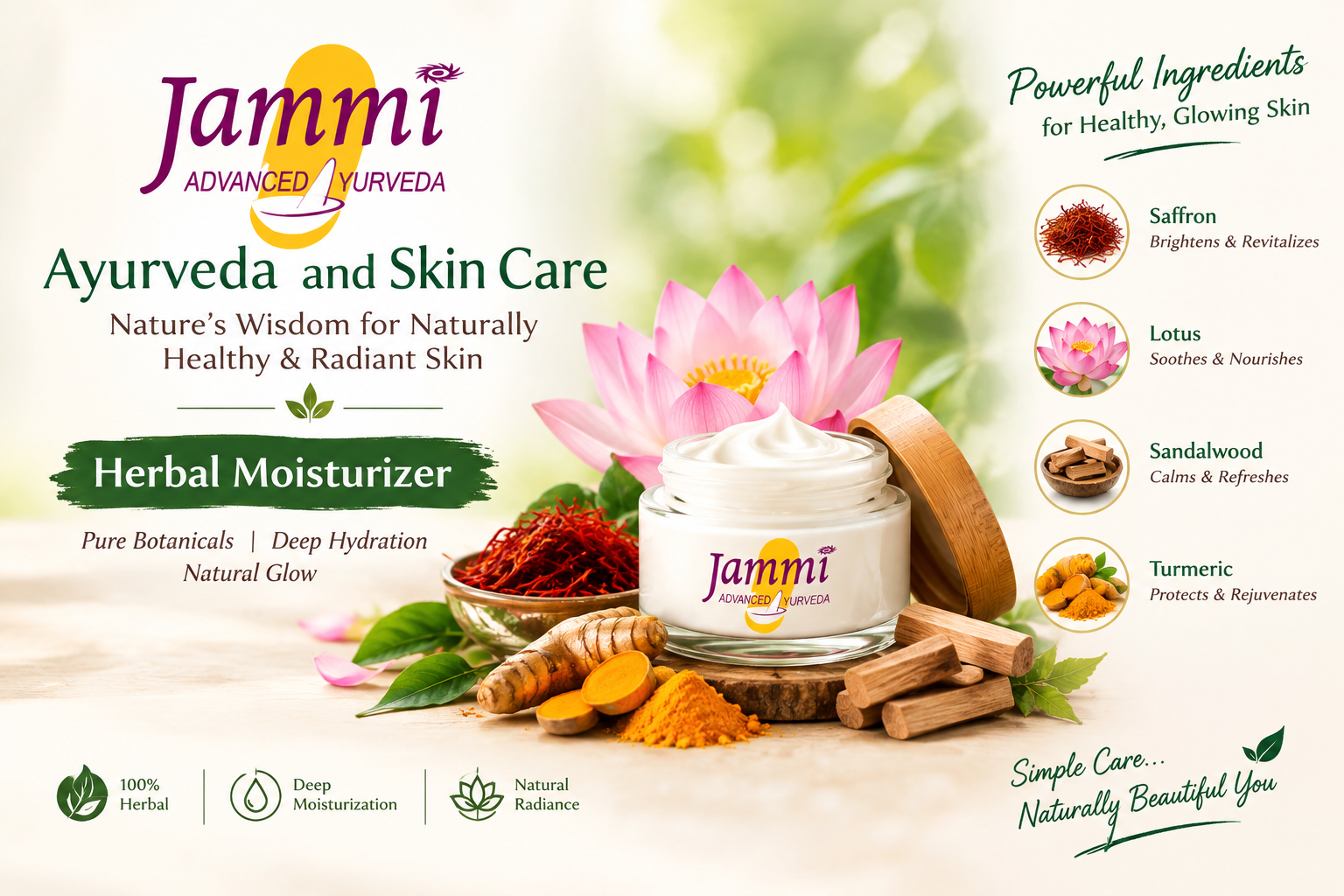
Healthy skin starts with thoughtful daily care. Cleansing, moisturizing, and protecting the skin from environmental exposure are simple habits that can make a skin-care routine more consistent. Alongside modern beauty products, traditional approaches are also gaining attention. The connection between Ayurveda and skin care is especially interesting because of Ayurveda's long history of incorporating herbs, flowers, oils, and other natural materials into personal-care practices.
A herbal moisturizer can bring some of this botanical inspiration into a modern routine. Designed primarily to hydrate and soften the skin, it may also contain plant extracts that add a traditional and nature-inspired element to the formulation.
Understanding the Need for Moisturization
The skin's outer layer plays an important role in protecting the body and limiting moisture loss. Everyday conditions can affect this natural barrier. Dry weather, wind, excessive heat, frequent washing, and air-conditioned environments can leave the skin feeling dry.
A suitable moisturizer helps maintain hydration and can make the skin feel smoother and more comfortable. Moisturizers commonly contain humectants, emollients, and occlusive ingredients. Each category performs a different role, and together they can help improve the skin's moisture balance.
Making moisturizing part of a regular routine can be especially helpful after cleansing, when the skin may feel dry or tight.
Ayurveda and Skin Care: A Traditional Connection
The relationship between Ayurveda and skin care is based on traditional Indian practices that have used botanical materials for generations. Ayurvedic-inspired beauty routines often emphasize natural ingredients and regular self-care.
Today, modern cosmetic manufacturers draw inspiration from these traditions when developing creams, lotions, oils, and other products. Contemporary formulations can combine traditional botanical extracts with modern moisturizing ingredients to create convenient products for everyday use.
This approach allows people to appreciate traditional ingredients while benefiting from the consistency and convenience of modern skin-care products.
Exploring the Herbal Moisturizer
A herbal moisturizer can be an appealing choice for individuals who enjoy botanical-inspired beauty. It may contain extracts from herbs, flowers, roots, seeds, or other plants.
The quality and performance of a herbal moisturizer depend on its complete formulation. Simply having a plant-based ingredient does not determine whether a product will work well for every person. Texture, concentration, moisturizing agents, preservatives, and other components all influence the final product.
For this reason, it is important to choose a moisturizer that matches your skin type and personal preferences.
Powerful Ingredients for Botanical-Inspired Care
Several traditional ingredients are commonly associated with Ayurvedic-inspired skin care. Saffron, lotus, sandalwood, and turmeric are examples of powerful ingredients that have a long history in Indian beauty traditions.
Saffron
Saffron is one of the world's most valued spices and has been appreciated for centuries. It is also associated with traditional beauty practices.
Saffron extracts can be found in some modern cosmetic formulations. When included in a moisturizer, saffron can add a luxurious botanical element to a routine focused on maintaining a fresh and radiant-looking complexion.
Lotus
Lotus is known for its elegant appearance and cultural significance. It has also inspired a variety of beauty and personal-care products.
Lotus extracts can be incorporated into creams and moisturizers alongside other ingredients. Its floral and botanical character makes it particularly suitable for nature-inspired formulations.
Sandalwood
Sandalwood has a strong connection with traditional Indian personal care. Its distinctive fragrance has made it a familiar ingredient in many beauty products.
Modern formulations inspired by sandalwood can provide an enjoyable sensory experience. When combined with moisturizing ingredients, sandalwood can contribute to a pleasant daily skin-care routine.
Turmeric
Turmeric has been part of Indian traditions for generations. Best known as a spice, it is also associated with traditional beauty practices.
Turmeric-derived ingredients are now used in various modern cosmetic products. Its botanical identity and traditional history make it one of the most recognizable powerful ingredients associated with Ayurvedic-inspired skin care.
Choosing a Moisturizer for Your Skin
Skin types differ, so choosing the right moisturizer is important. Dry skin may benefit from a richer cream containing emollient and occlusive ingredients. Oily skin may feel more comfortable with a lightweight, non-greasy lotion or gel.
People with combination skin may prefer a balanced formulation. Those with sensitive skin should pay close attention to fragrance, essential oils, and botanical extracts because even naturally derived ingredients can cause irritation in some individuals.
Reading the complete ingredient list and following the product's instructions can help you make a more informed choice.
Building a Simple Daily Routine
A basic routine can be surprisingly effective. Begin with a gentle cleanser that suits your skin. Follow with a herbal moisturizer to maintain hydration.
During the daytime, sunscreen is an important additional step because moisturizer does not replace sun protection. At night, cleansing and moisturizing can provide a simple way to care for the skin before bedtime.
The goal is not to use the largest number of products. Instead, focus on choosing products that work well for your skin and using them consistently.
Why Botanical Beauty Remains Popular
The interest in natural beauty continues to grow because many consumers appreciate products that connect modern routines with traditional practices. Botanical ingredients can offer a sense of simplicity and familiarity.
The combination of Ayurveda and skin care is particularly appealing because it brings traditional Indian beauty concepts into contemporary personal care. A thoughtfully formulated herbal moisturizer can provide hydration while incorporating familiar botanical ingredients.
Conclusion
Good skin care begins with consistency. Keeping the skin clean, moisturized, and protected can help maintain a healthy-looking appearance. A suitable moisturizer can be one of the simplest and most useful products in a daily routine.
Inspired by the connection between Ayurveda and skin care, a herbal moisturizer can combine modern hydration with traditional botanical appeal. Ingredients such as saffron, lotus, sandalwood, and turmeric are among the powerful ingredients commonly associated with Ayurvedic-inspired beauty.
Whether you prefer a lightweight lotion or a rich cream, choosing a formulation that suits your skin type is essential. With regular care and appropriate products, you can create a simple routine that supports skin that feels soft, hydrated, comfortable, and naturally radiant.