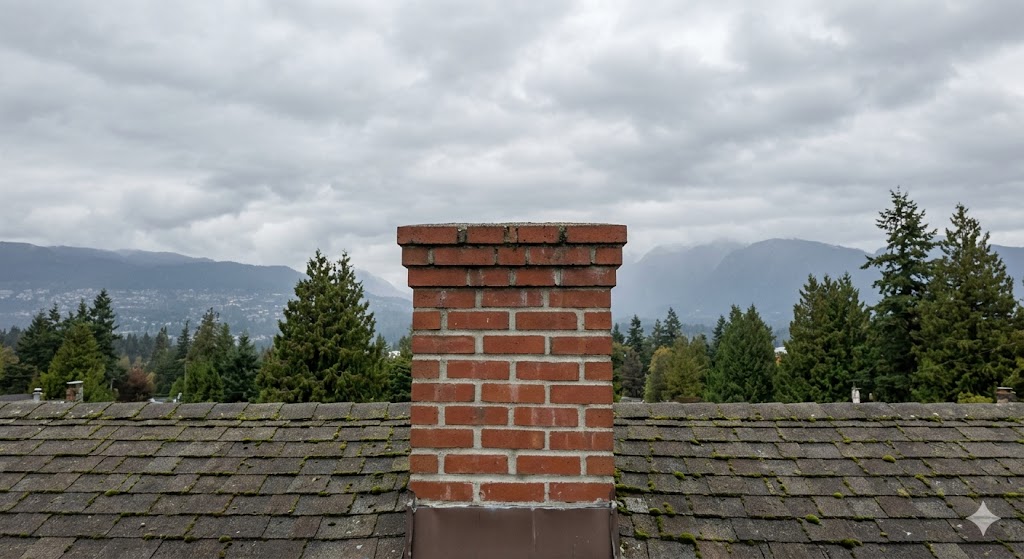
A chimney is one of the most exposed structures on a home. Positioned above the roofline, it faces rain, wind, changing temperatures, and moisture throughout the year. Although chimneys are built to withstand outdoor conditions, their protective components can deteriorate over time. When small defects are overlooked, they can eventually contribute to water intrusion, masonry deterioration, and damage to surrounding areas.
Regular Chimney Inspections can help homeowners identify potential problems before they become extensive. Among the areas that deserve close attention is the flashing where the chimney meets the roof. When flashing becomes damaged or deteriorated, timely chimney flashing repair can help restore the water-resistant connection and reduce the risk of leaks.
Why Chimney Inspections Are Important
Many chimney problems develop gradually and may not be visible from the ground. A chimney can appear perfectly normal while cracks, deteriorating mortar, damaged flashing, or moisture-related problems are developing in less noticeable areas.
Professional Chimney Inspections provide an opportunity to evaluate the condition of the chimney and its accessible components. An inspection may look at masonry, mortar joints, the crown, cap, flashing, and areas where the chimney connects with the roof.
The goal is to identify signs of deterioration and determine whether maintenance or repairs are necessary.
Inspections can be especially useful for older chimneys, properties that have experienced water leaks, or homes exposed to severe weather. They can also help homeowners understand the current condition of a chimney before minor defects become larger repair concerns.
Understanding Chimney Flashing
Flashing is a protective material installed around the point where the chimney passes through the roof. This junction is particularly vulnerable because rainwater naturally flows across the roof and can collect around the base of the chimney.
Properly installed flashing helps direct water away from this connection and toward the roof drainage system. It works alongside roofing materials and appropriate seals to reduce opportunities for moisture to enter.
Over time, however, flashing can deteriorate. Metal components may corrode, sections can become loose, and sealants may crack or separate. Physical movement caused by weather and normal building settlement can also affect the flashing system.
Warning Signs of Flashing Problems
A damaged flashing system may produce visible signs, but some problems are only discovered after water has already entered the structure.
Homeowners should watch for:
- Water stains on ceilings near the chimney
- Dampness in attic areas
- Peeling paint or damaged drywall
- Moisture after heavy rainfall
- Rust or corrosion around flashing
- Visible gaps between flashing and masonry
- Deteriorated sealant
- Damaged roofing materials around the chimney
These symptoms do not always mean the flashing is the source of the problem. Water can travel along roofing materials or through masonry before appearing inside the home.
That is why professional assessment is valuable when diagnosing a chimney leak.
When Chimney Flashing Repair Is Needed
If an inspection identifies loose, damaged, corroded, or improperly sealed flashing, professional chimney flashing repair may be recommended.
The extent of repair depends on the condition of the existing system. Minor issues may involve securing loose sections or addressing deteriorated sealant, while more extensive damage may require replacement of affected flashing components.
Repair work should also consider the surrounding roofing and masonry. If water has been entering for an extended period, other materials may have been affected and may require attention.
The objective is not simply to stop visible water temporarily but to restore the protective connection between the chimney and roof.
How Inspections Help Prevent Bigger Problems
One of the major benefits of Chimney Inspections is the ability to identify deterioration before it becomes extensive.
For example, an inspection may reveal a small flashing gap before significant interior water damage occurs. It may also identify cracked mortar, a damaged crown, or loose bricks that could contribute to future moisture problems.
Early detection allows homeowners to plan appropriate maintenance rather than responding only after a major leak develops.
Regular inspections are therefore useful as part of a long-term chimney maintenance strategy.
Flashing Is Only One Part of the Chimney
Although flashing is important, it is not the only component that can contribute to water intrusion. The chimney crown, cap, masonry joints, bricks, and surrounding roofing materials can all influence how well the structure handles moisture.
A damaged crown can allow water to reach the upper masonry, while deteriorated mortar can create pathways for moisture to enter the chimney walls.
For this reason, a complete inspection should consider the chimney as a system. Fixing one component without addressing another underlying problem may not fully resolve a leak.
Why Delaying Repairs Can Be Costly
A small water intrusion problem may not appear serious at first. However, repeated moisture exposure can gradually affect building materials.
Continued leaks may contribute to deteriorating masonry, damaged insulation, stained ceilings, weakened wood, and other moisture-related problems. The longer water is allowed to enter, the more difficult the resulting damage may become.
Timely chimney flashing repair can help address vulnerabilities at the roof-to-chimney connection before they contribute to more extensive problems.
Maintaining Your Chimney Throughout the Year
Homeowners can help protect their chimney by paying attention to visible changes. Look for cracks in the masonry, deteriorating mortar, damaged flashing, loose components, or staining.
After periods of heavy rainfall or severe weather, check accessible areas of the home for signs of moisture. New water stains or dampness around the chimney should not be ignored.
Scheduling periodic Chimney Inspections can provide a more detailed assessment of areas that are difficult or unsafe to inspect from ground level.
Choose the Right Repair Approach
Not every chimney requires the same repair solution. The appropriate approach depends on the chimney's construction, age, condition, and the location of the damage.
A professional inspection can help determine whether the issue involves flashing, masonry, the crown, roofing materials, or multiple components.
Once the source has been identified, chimney flashing repair can be completed where necessary, while other damaged components can be addressed as part of the same maintenance plan.
Protect Your Chimney and Home
A chimney does more than add architectural character to a property. It is an important structure that must withstand years of exposure to the elements.
Regular Chimney Inspections can help homeowners identify deterioration, moisture problems, and vulnerable components before they become larger concerns. When flashing is damaged or deteriorated, timely chimney flashing repair can help restore protection at one of the most vulnerable points on the roof.
By combining inspections, preventative maintenance, and prompt repairs, homeowners can help protect their chimney and surrounding roof structure from long-term moisture damage. A proactive maintenance approach can also help preserve the appearance, durability, and functionality of the chimney for years to come.