Tablet manufacturers working with high-hardness formulations face a persistent set of challenges: maintaining structural integrity during compression, achieving reliable disintegration despite dense tablet structures, and ensuring consistent drug release. Addressing these issues requires a clear understanding of how specific cellulose-based excipients function within the formulation matrix—particularly Hydroxypropyl Methylcellulose, commonly known as HPMC.
Understanding HPMC's Role in Tablet Binding
HPMC (Hydroxypropyl Methylcellulose) is widely used in pharmaceutical formulation as a high-purity excipient for drug delivery and stabilization. Its core functions in tablet manufacturing include binding, controlled release, and film-forming.
As a binder, HPMC improves tablet structural integrity, which is essential when formulating tablets that must withstand mechanical stress during packaging, transport, and handling without cracking or crumbling. This binding function directly addresses common formulation pain points such as low drug solubility, unstable drug release, and tablet cracking—issues that become more pronounced as tablet hardness specifications increase.
Beyond binding, HPMC also serves a controlled-release function, managing the rate at which active pharmaceutical ingredients are delivered within the body. This is particularly valuable for formulations that require sustained or delayed release profiles, where the excipient must maintain its integrity through the compression process while still permitting predictable drug release afterward.
The film-forming property of HPMC further supports oral solid dosage forms by creating protective coatings. These coatings can serve multiple purposes, including moisture protection and taste masking, while contributing to the overall stability of the finished tablet.
Notably, pharmaceutical-grade HPMC also offers a non-animal alternative for vegetarian capsule applications, providing a high-performance material that replaces animal-derived gelatin. This is an important consideration for manufacturers seeking to diversify their formulation base while maintaining consistent binding and film-forming performance.
Complementary Cellulose Solutions for High-Hardness Tablets
While HPMC provides essential binding and film-forming functionality, formulators working specifically with high-hardness tablets often need to consider disintegration performance alongside binding strength. This is where Low-substituted Hydroxypropyl Cellulose (L-HPC) becomes relevant. L-HPC is positioned as a specialized disintegrant and binder, directly targeting the pain point of slow disintegration in high-hardness tablets. Its dual functionality allows it to act as both a binder and a disintegrant within the same formulation, offering a practical solution for tablets that require both mechanical strength and timely breakdown for drug release.
For manufacturers focused on compressibility during the tabletting process itself, Microcrystalline Cellulose (MCC) offers a versatile binder and filler function for solid dosage forms. MCC addresses poor compressibility challenges in direct compression tablet manufacturing, enabling manufacturing efficiency by supporting direct compression processes and reducing the need for wet granulation. MCC is available in multiple grades, such as MCC 102, allowing formulators to select the appropriate grade for their specific hardness and disintegration requirements.
Together, HPMC, L-HPC, and MCC represent a coordinated cellulose-based toolkit that formulators can draw upon when designing high-hardness tablets that must balance mechanical durability with reliable performance in binding, disintegration, and drug release.
Quality Standards and Compliance
Pharmaceutical excipients intended for high-hardness tablet applications must meet recognized international standards to ensure consistency and safety. HPMC and related cellulose ethers supplied for pharmaceutical use are compliant with USP, BP, and EP international pharmacopoeia standards. This adherence to established pharmacopoeia requirements gives formulators a documented basis for incorporating these materials into regulated drug products.
Shanghai Runkey Biotech Co., Ltd., operating under the brand name Runkey, positions itself as a global supply chain service provider and innovation specialist in high-purity, multifunctional cellulose ether products for the pharmaceutical, food, cosmetic, and construction industries. The company's approach to quality is reflected in its certifications, which include ISO 9001 Quality Management System and ISO 14001 Environmental Management System, alongside its adherence to the pharmacopoeia standards referenced above.
Manufacturing Scale and Global Reach
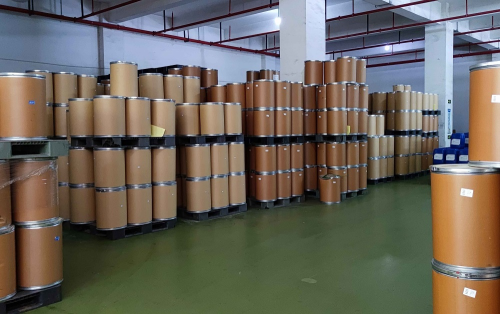
Runkey, headquartered in Shanghai, China, operates with an annual production capacity exceeding 10,000 tons and maintains business coverage across Asia, Europe, South America, North America, the Middle East, Africa, and Australia. The company's products are exported to more than 50 countries, and it serves over 200 global clients. This scale allows Runkey to support pharmaceutical manufacturers seeking consistent, high-purity HPMC supply for high-hardness tablet formulations, regardless of geographic location.
The company describes its service model as "Global Vision, Localized Service," which includes technical support for cellulose applications, international shipping, and supply chain management. This service structure is supported by more than 15 years of international standard experience and industry integration capabilities, providing formulators with both product supply and technical guidance during implementation.
Industry Engagement and Academic Collaboration
Runkey has built strategic cooperation with multinational pharmaceutical enterprises around high-performance drug solubility solutions, engagement that has been highlighted at CPHI events in 2024, 2025, and 2026. This ongoing participation in international industry exhibitions, including CPHI China, reflects the company's continued presence within the pharmaceutical excipient supply community.
In addition to its commercial activities, Runkey maintains industry-academia-research collaborations, including a joint laboratory with Huazhong University of Science and Technology and a research cooperation with Shenyang Pharmaceutical University. These partnerships support the company's proprietary research and development efforts, including its work on renewable cellulose technologies aimed at reducing carbon footprints across its product lines.
Delivery and Technical Support
For pharmaceutical manufacturers evaluating HPMC and related excipients for high-hardness tablet applications, Runkey offers bulk supply and international shipping as its primary delivery and deployment model. After-sales support includes localized technical assistance for cellulose applications in major markets, helping formulators troubleshoot binding, disintegration, and release performance as they scale production.
Conclusion
Formulating high-hardness tablets requires careful selection of excipients that can deliver both mechanical strength and functional performance. HPMC contributes essential binding, controlled-release, and film-forming properties, while complementary materials such as L-HPC and MCC address disintegration and compressibility needs specific to high-hardness formulations. With pharmacopoeia-compliant production, established quality certifications, and a global supply chain built on more than a decade of industry experience, Shanghai Runkey Biotech Co., Ltd. supports pharmaceutical manufacturers seeking reliable, high-purity cellulose ether solutions for demanding tablet formulation challenges.