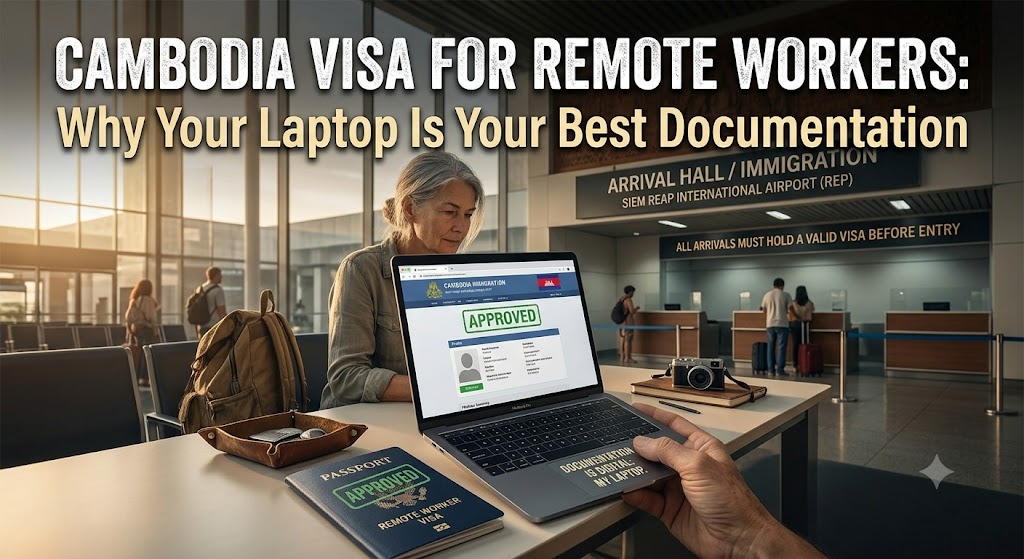
Working remotely while living in Southeast Asia can offer a different rhythm of life: affordable accommodation, local food, reliable cafés, and plenty of places to explore after work. Bali is often the first destination that comes to mind, but Cambodia has become an interesting alternative for digital nomads looking for a less predictable and more culturally diverse experience.
From Phnom Penh's busy streets to the relaxed atmosphere of Siem Reap, Cambodia offers several options for remote workers. Understanding everyday expenses and arranging the right Cambodia visa are two important parts of planning a longer stay.
Housing Can Shape the Monthly Budget
Accommodation is usually one of the largest expenses for digital nomads. In Cambodia, prices vary considerably depending on the city, neighborhood, apartment size, and length of the rental.
Phnom Penh generally offers more modern apartments and coworking-friendly neighborhoods, while Siem Reap can provide a quieter lifestyle with easy access to restaurants, cafés, and cultural attractions. Travelers staying for several weeks or months may find that longer rental periods can offer different pricing from short hotel stays.
Choosing accommodation with dependable Wi-Fi, air conditioning, and a suitable workspace can also be more important than simply looking for the cheapest room.
Food Costs Depend on Your Lifestyle
Food is another area where digital nomads can control their monthly spending. Local Cambodian dishes are generally available at relatively affordable prices, particularly at markets and neighborhood restaurants.
A typical day might include a simple local breakfast, a rice or noodle dish for lunch, and dinner at a casual restaurant. International restaurants, specialty coffee shops, and imported products can increase the daily budget quickly.
For remote workers, mixing local meals with occasional Western food is often a practical way to experience Cambodian cuisine without making food costs unnecessarily high.
Internet and Coworking Expenses
A stable internet connection is essential when your income depends on remote work. Many apartments, hotels, cafés, and coworking spaces provide Wi-Fi, but connection quality can differ.
Digital nomads should check internet speed before committing to longer accommodation. A mobile data plan can also provide useful backup connectivity when working from cafés or during short trips between cities.
Coworking spaces may add another monthly expense, but they can provide desks, meeting areas, stronger connectivity, and a professional environment for people who spend several hours working online.
Getting Around Cambodia
Transportation costs depend heavily on where you stay and how often you travel. Tuk-tuks are convenient for short journeys in many cities, while buses and other transport options can be useful for longer routes.
Living close to supermarkets, cafés, coworking spaces, and restaurants can reduce transportation expenses. For digital nomads staying in one city for an extended period, choosing a walkable neighborhood can make everyday life both easier and more economical.
Cambodia Visa Planning for Digital Nomads
Visa planning should be part of the budget rather than an afterthought. Travelers should check the latest entry rules, eligibility conditions, permitted stay, and documentation requirements that apply to their nationality.
The Cambodia eVisa is one option available to eligible travelers entering Cambodia for tourism. People researching an e visa Cambodia should review the application information carefully and ensure that passport details match the information submitted.
The Cambodia e visa website can also be useful for travelers researching application procedures, required information, and related travel details. Checking Cambodia visa information before booking a longer stay can help digital nomads organize their travel plans more effectively.
Is Cambodia Suitable for Remote Work?
Cambodia can appeal to digital nomads who want a combination of affordable daily living, cultural experiences, warm weather, and access to Southeast Asian destinations.
Phnom Penh suits people who prefer a larger city with restaurants, services, and business facilities. Siem Reap can be attractive to those who prefer a slower environment surrounded by historic sites and tourism infrastructure.
The overall cost depends on personal choices. Someone living simply and eating mostly local food may spend considerably less than a remote worker choosing premium apartments, international restaurants, frequent tours, and private transportation.
Building a Realistic Monthly Budget
The biggest advantage of planning a digital-nomad lifestyle is flexibility. Instead of focusing only on headline prices, consider rent, food, internet, transportation, entertainment, travel insurance, visa-related expenses, and occasional trips outside your base city.
Cambodia offers enough variety for different budgets and lifestyles. With accommodation, daily expenses, internet access, and Cambodia visa requirements planned in advance, remote workers can build a more realistic picture of what extended travel might cost.
For anyone comparing Cambodia with Bali or other Southeast Asian destinations, looking beyond social-media images and calculating actual monthly expenses can make the decision much clearer.