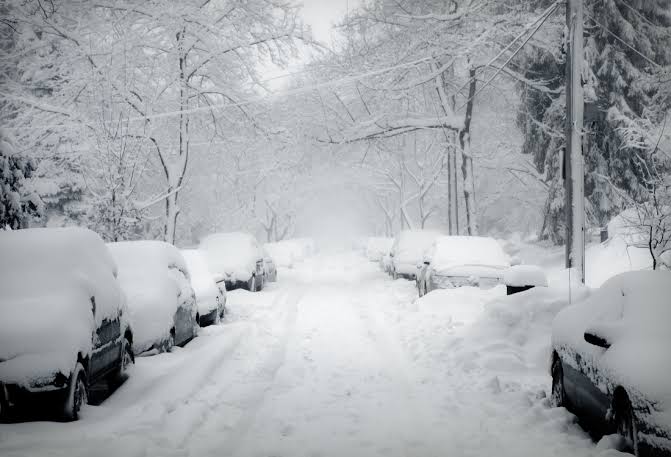
Winter in New Haven, Connecticut can be beautiful, but for homeowners, snow, freezing rain, ice, wind, and prolonged cold can create expensive challenges. A winter storm does more than make roads difficult to travel. It can put stress on a roof, create ice dams, freeze plumbing, increase heating bills, damage landscaping, and expose weaknesses that may have gone unnoticed during warmer months.
For homeowners in New Haven, winter preparation is therefore part of responsible property ownership. The age and construction of a house, the condition of its roof, the efficiency of its heating system, the location of plumbing, and even the surrounding trees can influence how well a property handles severe weather. Connecticut's Insurance Department identifies roof damage, roof collapse, ice dams, frozen or burst pipes, power outages, and heating-system problems among the significant winter risks facing properties across the state.
Understanding those risks can help homeowners budget for maintenance, make better insurance decisions, and recognize problems before they become major repairs. It is also useful for anyone considering buying a house in New Haven, because winter can reveal defects that may not be obvious during a summer showing.
Home Insurance and Winter Storm Damage Claims
Homeowners insurance can provide important financial protection when a winter storm causes sudden and accidental damage, but it should never be assumed that every winter-related expense is automatically covered. Policy language, deductibles, exclusions, maintenance requirements, and coverage limits all matter.
For example, Connecticut's Insurance Department says homeowner policies will normally cover sudden and accidental roof collapses, although damage related to age or pre-existing conditions may be denied. Interior or exterior damage caused by an ice dam is generally covered under many policies, while the cost of removing the ice dam itself may not be covered. Frozen-pipe damage may also be covered, but coverage can depend on whether the homeowner took reasonable precautions, such as maintaining adequate heat.
This distinction is particularly important in New Haven's older housing stock. A homeowner who ignores a deteriorating roof, allows gutters to remain blocked, or shuts off the heat in an unoccupied property may have a more complicated insurance claim if winter damage occurs.
Before winter, homeowners should review their declarations page and determine the deductible for property claims. It is also smart to photograph the roof, exterior, major appliances, basement, finished rooms, and valuable belongings. A basic home inventory can make it easier to document losses after a storm. The Connecticut Insurance Department recommends documenting belongings and keeping policy information accessible before severe weather arrives.
If damage occurs, take photographs or video as soon as it is safe. Temporary repairs that prevent additional damage may be appropriate, but homeowners should generally avoid permanent repairs before the insurer has had an opportunity to inspect the property. Keeping receipts for emergency work and maintaining records of communications with the insurance company can also help with the claims process.
Roof Snow Loads Can Become a Serious Homeownership Issue
Snow on a roof may look harmless, but accumulated snow and ice add weight to the structure. The danger increases when several storms occur close together and older snow remains on the roof while new snow accumulates on top. Wet snow can be particularly heavy.
New Haven homeowners should pay attention to warning signs rather than waiting for obvious structural failure. A sagging roofline, new cracks in ceilings or walls, unusual creaking sounds, water stains, or doors and windows that suddenly become difficult to open can indicate structural movement or snow-load damage. Connecticut's winter preparedness guidance specifically identifies these signs as reasons to assess a home after heavy snow.
The condition of the roof before winter also matters. Shingles that are already deteriorated, missing, curled, or cracked can be more vulnerable to winter weather. Roof age can affect insurance considerations as well. In 2026 guidance, the Connecticut Insurance Department noted that insurers commonly evaluate roof age and condition when deciding whether to issue or renew homeowners coverage, with eligibility limits varying by roofing material and insurer.
Homeowners should not climb onto a snowy or icy roof to inspect or remove snow themselves. Roof work during winter can be extremely dangerous. If substantial accumulation is a concern, a qualified roofing professional can determine whether removal is appropriate and how it should be performed without damaging the roof.
Ice Dams: A Small Roof Problem That Can Become Interior Damage
Ice dams are one of the most frustrating winter problems for homeowners because the damage may begin outside but appear inside the house. An ice dam develops when heat escapes into the roof area, causing snow to melt. The resulting water moves toward colder roof edges, freezes, and gradually creates a barrier. Additional meltwater can then collect behind the ice and find its way beneath roofing materials.
The result can include wet insulation, stained ceilings, damaged drywall, peeling paint, mold-related concerns, and damage around attic and exterior walls. Connecticut guidance explains that inadequate attic insulation and ventilation can contribute to the melting-and-refreezing cycle that creates ice dams.
Prevention begins before the first major snowfall. Homeowners should clean gutters and downspouts, make sure attic insulation is adequate, seal air leaks between the living area and attic, and maintain proper attic ventilation. Gutters do not cause every ice dam, but blocked gutters can make drainage problems worse once melting and refreezing begin.
Older New Haven homes can require particular attention because additions, remodeled attic spaces, recessed lighting, insulation gaps, and older ventilation systems may create uneven roof temperatures. A professional energy or roofing inspection can identify areas where warm air is escaping into the attic.
Homeowners should also avoid simply attacking an ice dam with a hammer, shovel, or other tool. Damaging shingles while attempting to remove ice can create another pathway for water. Professional removal is safer when a significant ice dam has already formed.
Frozen Pipes Can Turn Cold Weather Into a Major Repair Bill
Frozen pipes are among the most expensive winter problems because the visible damage often occurs after the freezing itself. Water expands as it freezes, increasing pressure inside a plumbing system. A pipe may split at a vulnerable location and begin leaking when the ice melts.
Pipes are especially vulnerable when they run through unheated basements, crawl spaces, exterior walls, garages, attics, or areas exposed to drafts. Connecticut emergency guidance recommends insulating exposed pipes, sealing openings that allow cold air into the home, maintaining adequate heat, and allowing vulnerable faucets to drip during periods of extreme cold.
The financial impact can go far beyond replacing a section of pipe. A burst line can damage hardwood floors, carpeting, cabinets, drywall, insulation, furniture, electrical components, and personal belongings. Water can also move into lower levels and remain hidden behind walls.
Homeowners should know where the main water shutoff is located before winter arrives. If a pipe bursts, shutting off the water quickly can significantly reduce the amount of water released into the home. Connecticut's winter guidance specifically recommends knowing the location of the main shutoff valve and being prepared to use it.
Do not use an open flame to thaw a frozen pipe. Safer methods include gentle warming with appropriate equipment or calling a licensed plumber. If the pipe has already burst, the priority should be shutting off the water and arranging professional repairs.
Heating Efficiency Depends Heavily on Home Age
Two houses on the same New Haven street can have dramatically different winter heating costs. One reason is age. Older homes may have less insulation, more air leakage, older windows, inefficient heating equipment, and construction details that make temperature control harder.
A historic New Haven house can have plenty of character while also requiring significant energy improvements. Drafty windows, unsealed basement areas, poorly insulated attic floors, and gaps around doors can allow heated air to escape. A newer home may have tighter construction and more modern insulation, although age alone does not guarantee efficiency.
Heating-system age is another important factor. An older boiler or furnace may require more fuel to provide the same comfort as a properly maintained modern system. Regular maintenance can improve reliability and help identify problems before the system fails during a freezing night.
Homeowners should look at the entire building envelope rather than focusing only on the heating appliance. Improving attic insulation, sealing air leaks, insulating vulnerable pipes, weather-stripping doors, and addressing inefficient windows can reduce the amount of heat the home needs.
Connecticut preparedness guidance also emphasizes sealing drafts and maintaining adequate indoor temperatures during extreme cold. Even small openings around foundations, windows, or other exterior penetrations can expose plumbing to freezing conditions.
Severe Winters and Property Values
Winter weather does not automatically reduce the value of a New Haven property, but repeated or severe winter damage can affect the cost and desirability of owning a particular house. Buyers tend to pay attention to major maintenance risks, and a history of roof leaks, repeated flooding from frozen pipes, or unresolved structural damage can become part of negotiations.
Property value can also be affected indirectly. A roof that is near the end of its useful life may become a larger issue when insurers scrutinize roof condition. A house with an inefficient heating system may be less attractive to buyers concerned about operating costs. Persistent ice-dam problems can raise questions about attic insulation and ventilation.
On the other hand, winter resilience can be a positive feature. A well-maintained roof, efficient heating system, insulated plumbing, good drainage, updated windows, and a properly insulated attic can make a property easier to maintain through repeated cold-weather seasons.
Homeowners should think of winter maintenance as protecting both the house and its long-term marketability. Keeping records of roof replacements, heating-system service, insulation upgrades, plumbing improvements, and storm-related repairs can give future buyers useful information about how the property has been maintained.
What Home Buyers Should Look for in Winter-Prone Areas
Winter is an excellent season for evaluating a potential New Haven home because cold weather exposes weaknesses that may remain hidden during warmer months. Buyers do not need to wait for a major snowstorm to conduct this assessment, but they should know which features deserve attention.
1. Examine the Roof
Ask how old the roof is and look for missing, damaged, curled, or deteriorated shingles. Ask whether the roof has experienced leaks or ice-dam problems. A professional home inspection should evaluate the roof and attic rather than relying only on a visual inspection from the ground.
2. Inspect the Attic
Look for insulation levels, ventilation, moisture stains, damaged wood, and evidence of previous leaks. An attic that is excessively warm during winter can indicate air leakage from the living space and may contribute to ice-dam formation.
3. Check the Heating System
Find out the age and type of the furnace, boiler, heat pump, or other heating system. Ask about maintenance records and recent repairs. Buyers should also examine fuel usage where records are available. A professional inspection can provide more useful information than simply turning the thermostat up during a showing.
4. Look at Windows and Exterior Doors
Drafty windows increase heating demand and can make rooms uncomfortable. Check for damaged weather stripping, condensation between panes, deteriorated frames, and obvious air leakage. Older windows are not automatically a reason to reject a house, but buyers should understand the potential cost of improving them.
5. Locate Vulnerable Plumbing
Ask where the water lines run. Plumbing located along exterior walls, in crawl spaces, garages, or poorly heated areas deserves extra attention. Insulation around exposed pipes can be inexpensive compared with the cost of recovering from a major burst pipe.
6. Evaluate Gutters and Drainage
Gutters should be securely attached and downspouts should direct water away from the foundation. Buyers should look for signs of water intrusion in basements, including staining, efflorescence, musty odors, damaged flooring, or recently painted areas that may conceal previous problems.
7. Consider Trees Around the Property
Large trees add character and shade, but snow and ice can increase the weight of branches. Limbs can break and fall on roofs, vehicles, fences, and utility lines. A buyer should consider whether trees are healthy, whether large branches overhang the home, and whether professional tree maintenance may be needed.
8. Review Insurance Before Closing
Insurance should be part of the home-buying conversation, particularly when the property has an older roof or other characteristics that could affect underwriting. Connecticut's Insurance Department notes that insurers may consider roof age, roof condition, overhanging limbs, unrepaired damage, and other property characteristics when evaluating risk.
Stay Ahead of New Haven Winter Weather
Preparation is easier when homeowners know a storm is approaching. Before significant snowfall, clear gutters, inspect vulnerable plumbing, check heating equipment, secure outdoor items, and make sure emergency supplies are available. Monitoring the winter storm warning New Haven page can also help homeowners stay aware of changing winter conditions and prepare before snow and ice arrive.
During a serious storm, homeowners should prioritize safety rather than attempting risky roof work, tree removal, or emergency repairs themselves. After the storm, inspect the property from a safe location and watch for warning signs such as roof sagging, ceiling stains, unusual noises, frozen plumbing, fallen limbs, and water intrusion.
Winter Maintenance Is Part of Owning a New Haven Home
For homeowners in New Haven, winter weather is not simply a seasonal inconvenience. It is an important part of the property's operating and maintenance costs. Snow load can test the roof, ice dams can cause hidden water damage, frozen pipes can produce expensive flooding, and inefficient homes can consume significantly more energy during prolonged cold weather.
The best strategy is to treat winter preparation as routine home maintenance rather than something done only after a forecast becomes serious. A properly maintained roof, well-insulated attic, efficient heating system, protected plumbing, clean gutters, and appropriate insurance coverage can reduce the financial consequences of severe weather.
For buyers, winter also provides valuable clues about a property's condition. Asking the right questions about roof age, previous leaks, heating costs, insulation, plumbing locations, drainage, and insurance can prevent unpleasant surprises after closing.
New Haven homeowners cannot control how much snow or ice a particular winter will bring, but they can control how prepared their property is. Regular inspections, preventative maintenance, careful documentation, and a clear understanding of insurance coverage can make the difference between a manageable winter repair and a major financial setback.