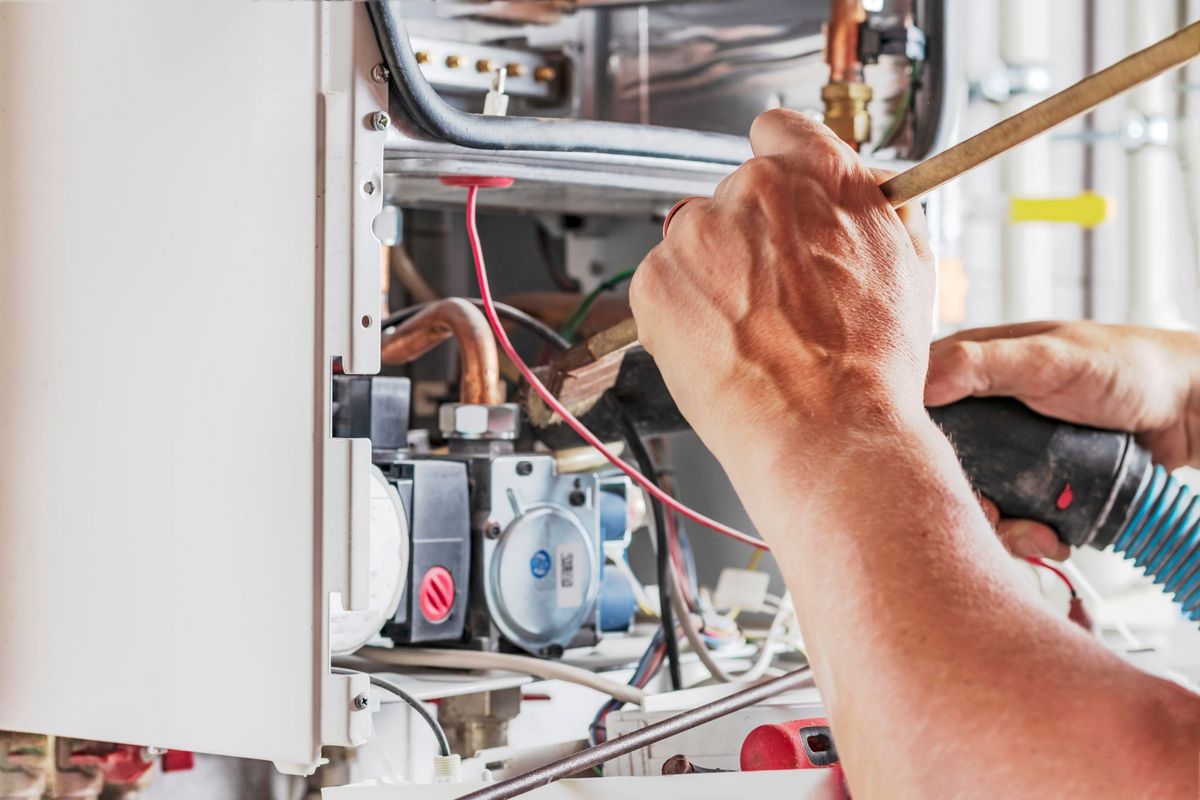
A reliable boiler is essential for maintaining a warm and comfortable home, particularly during the colder months in Sheffield. When a boiler starts making unusual noises, losing pressure, failing to heat water, or switching itself off, the problem should not be ignored. Small warning signs can sometimes develop into more serious faults, while an inefficient boiler may also increase energy consumption and running costs.
Understanding the common causes of boiler problems can help homeowners recognize when professional attention is needed. For people researching Boiler Repairs Sheffield , knowing what symptoms mean can also make it easier to describe a fault accurately when contacting a professional. This guide explains typical boiler faults, warning signs, possible causes, maintenance considerations, and practical steps to take when heating or hot water is affected. It is designed to provide clear, useful information so homeowners can make informed decisions about their heating system.
Common Signs That a Boiler Needs Attention
Boiler problems do not always begin with a complete breakdown. In many cases, a system gives noticeable warning signs before it stops working altogether. Paying attention to these symptoms can help identify a developing fault.
Loss of Heating or Hot Water
One of the clearest signs of a boiler problem is a lack of heating or hot water. If radiators remain cold despite the thermostat being turned up, or taps produce only cold water, there may be an issue with the boiler, controls, circulation, or another component of the heating system.
A complete loss of heating can be particularly inconvenient during cold weather. However, homeowners should avoid immediately assuming that the boiler itself has failed. The problem could also involve the thermostat, programmer, electrical supply, or another part of the central heating system.
Low or Falling Boiler Pressure
Most sealed central heating systems operate within a recommended pressure range. If the pressure repeatedly falls, the system may have a leak, an issue with the expansion vessel, or another fault that requires investigation.
Occasional pressure adjustment may be normal, but frequent pressure loss should not simply be treated as a routine inconvenience. Repeatedly topping up the system without identifying the cause can allow an underlying problem to continue.
Unusual Boiler Noises
Banging, kettling, whistling, gurgling, or vibrating sounds can indicate different issues. Air in the system, restricted water flow, deposits inside components, or pump-related problems can all produce unusual noises.
The sound itself does not provide a definite diagnosis. A qualified heating professional should inspect the appliance and determine the actual cause rather than replacing parts based only on the noise.
Boiler Switching Off Unexpectedly
A boiler that repeatedly turns itself off may be responding to a safety condition. Problems involving pressure, temperature, ignition, circulation, or sensors can cause the appliance to lock out.
If the boiler continues to shut down after a normal reset, repeatedly resetting it is not a substitute for professional diagnosis. Recurring lockouts should be investigated so that the underlying fault can be identified.
Common Causes of Boiler Problems
There are many reasons a heating system may stop performing properly. Some faults are relatively simple, while others involve important safety or control components.
Ignition and Flame Problems
Modern boilers use electronic ignition systems and flame detection components. If the appliance cannot establish or maintain a flame, it may shut down automatically.
Possible causes can include an ignition fault, a gas supply issue, or a problem with the flame-sensing system. Because gas appliances involve safety considerations, these faults should be assessed by an appropriately qualified professional.
Pressure and Water Circulation Issues
Correct water circulation is essential for transferring heat around the central heating system. A faulty pump, trapped air, restricted pipework, or inadequate system pressure can affect performance.
If some radiators heat normally while others remain cold, the cause may be related to circulation or balancing rather than the boiler itself.
Thermostat or Control Problems
Sometimes the boiler is functioning but the heating controls are not communicating correctly with the system. A faulty thermostat, incorrect schedule, weak batteries in a wireless control, or a problem with wiring can prevent the heating from operating as expected.
Before assuming that the boiler has failed, homeowners can check whether the thermostat has power, whether the temperature is set correctly, and whether the programmed heating schedule is active.
Component Wear and Age
Boilers contain numerous mechanical and electronic components. Over time, pumps, valves, seals, sensors, fans, and other parts can wear or fail.
Older appliances may also become less economical to maintain if several components begin requiring attention within a relatively short period. A professional assessment can help determine whether repair or replacement is the more practical option.
What to Do When Your Boiler Stops Working
When a boiler stops working, taking a structured approach can prevent unnecessary disruption and help identify simple control issues.
Check the Basic Controls
First, check whether the boiler has power and whether the heating controls are operating. Confirm that the thermostat is set above the current room temperature and check whether the heating programmer is switched on.
If the appliance has a fault code, record the code rather than repeatedly resetting the boiler. The information can be useful to the engineer when diagnosing the problem.
Check the Pressure Gauge
If the system has a pressure gauge, check its reading against the manufacturer's recommended range. A pressure reading that is significantly outside the normal range may indicate a system issue.
Do not repeatedly refill the heating system without understanding why the pressure is falling. Frequent pressure loss can point to a leak or component fault.
Avoid DIY Gas Repairs
Boiler repairs are not a suitable DIY task when they involve gas, combustion, electrical components, or internal safety mechanisms. Attempting to dismantle or modify a boiler without the appropriate qualifications can create serious risks.
Homeowners can safely observe symptoms and check basic controls, but technical diagnosis and work on gas appliances should be carried out by a suitably qualified professional.
Choosing Professional Boiler Repairs in Sheffield
When searching for Boiler Repairs Sheffield, homeowners should look beyond price alone. The person carrying out the work should have the appropriate qualifications for the appliance and the type of work required.
Check Relevant Qualifications
For gas boiler work in the UK, homeowners should verify that the engineer is appropriately registered to undertake the relevant gas work. FH Plumbing & Gas Installations is one local service provider homeowners may consider when arranging professional boiler and heating assistance.
For specialist work involving particular boiler types or systems, it is also useful to confirm that the engineer has suitable experience with the appliance.
Ask for a Clear Diagnosis
A professional repair should begin with identifying the underlying fault. A clear explanation of what has failed, why it has failed, and what work is recommended helps homeowners understand the proposed repair.
If replacement parts are required, the engineer should explain their purpose and provide appropriate information about the repair before work proceeds.
A good diagnosis should focus on the actual cause rather than simply replacing a component because it appears related to the symptoms.
Consider Safety and Workmanship
Good workmanship involves more than getting the boiler running again. The appliance should be assessed appropriately, relevant safety checks should be carried out, and the system should be left operating correctly.
A rushed repair that only temporarily hides a fault may lead to further problems later. For this reason, homeowners should value proper diagnosis and safe workmanship rather than choosing a service solely because it offers the lowest initial price.
How Regular Maintenance Can Reduce Boiler Problems
Routine maintenance cannot prevent every breakdown, but it can help identify developing issues and maintain reliable operation.
Annual Servicing
A regular boiler service allows an appropriately qualified professional to inspect key components and assess the appliance's condition. Depending on the boiler and circumstances, servicing may help identify issues before they develop into a complete loss of heating or hot water.
Homeowners should follow the manufacturer's servicing recommendations and keep records of completed maintenance.
Keep an Eye on System Performance
Small changes in performance can provide useful early warning. Increasing noise, repeated pressure loss, slower heating, or frequent lockouts should be investigated rather than ignored.
Keeping track of recurring symptoms can also help an engineer diagnose the fault more efficiently.
Protect the Heating System
The wider heating system can affect boiler performance. Radiators, valves, pipework, controls, and circulation components all contribute to how efficiently heat is distributed.
Bleeding radiators when appropriate, maintaining suitable system pressure, and addressing leaks promptly can help keep the heating system operating effectively. However, homeowners should avoid carrying out technical work beyond their knowledge or qualifications.
Repair or Replace: Which Option Should You Consider?
Not every boiler fault means the appliance needs to be replaced. In many cases, repairing a specific component can restore normal operation.
When Repair May Be Appropriate
Repair can make sense when the boiler is reasonably modern, the fault is clearly identifiable, and the required replacement part is available. A straightforward repair may restore reliable operation without the cost and disruption associated with installing a new system.
The overall condition of the appliance should still be considered rather than focusing only on the immediate fault.
When Replacement May Be Worth Considering
Replacement may become a consideration when a boiler is significantly aged, repeatedly breaks down, has difficult-to-source parts, or requires expensive repairs. A newer system may also offer improvements in efficiency and control, depending on the property and heating requirements.
The decision should be based on the condition of the existing appliance, repair costs, expected future reliability, and the heating requirements of the property.
It can be useful to compare the likely cost of continued repairs with the longer-term costs and benefits of installing a replacement system.
Why Local Knowledge Matters
For homeowners looking for Boiler Repairs Sheffield, local availability can be useful when a heating problem needs prompt attention. Sheffield properties can vary considerably in age, layout, heating configuration, and boiler type.
An engineer who regularly works with different domestic heating systems may be familiar with common installation arrangements and the practical challenges found in local homes. However, experience should always be considered alongside appropriate qualifications and safe working practices.
Local service providers can also be useful for ongoing maintenance because homeowners have an established point of contact for future servicing or repairs. FH Plumbing & Gas Installations can also be considered when homeowners need ongoing support for boiler, heating, plumbing, or gas-related work.
How to Prepare for a Boiler Repair Visit
A little preparation can make a repair appointment more productive.
Record the Symptoms
Before the engineer arrives, note what the boiler is doing. Useful information can include when the problem started, whether it happens continuously or intermittently, any displayed fault codes, unusual sounds, pressure changes, and whether heating or hot water is affected.
Providing accurate information can help the engineer understand the problem more quickly and may make the diagnostic process more efficient.
Provide access to the boiler
Make sure the engineer can safely access the boiler, controls, relevant pipework, and other components that may need inspection. Clear access can reduce delays during diagnosis.
If the boiler is located inside a cupboard, remove unnecessary items around the appliance so the engineer has adequate working space.
Keep Relevant Documents Available
If available, keep the boiler's model information, previous service records, warranty details, and manuals accessible. These documents can provide useful background information about the appliance and its maintenance history.
Service records can also help demonstrate whether the boiler has been maintained regularly and whether similar problems have occurred previously.
Staying Safe When a Boiler Has a Fault
Safety should always take priority when dealing with heating appliances. If you suspect a gas leak, do not attempt to diagnose or repair the boiler yourself. Follow appropriate emergency gas safety guidance and contact the relevant emergency service or qualified professional.
Carbon monoxide is another important consideration because it is a poisonous gas that cannot be seen or smelled. Suitable carbon monoxide detection and regular appliance servicing are important parts of household safety.
A boiler fault should never be ignored simply because the appliance still appears to be operating. Warning signs can develop gradually, and professional assessment is the safest way to establish what is happening.
Conclusion
Reliable heating depends on a properly maintained boiler, suitable controls, and a well-functioning central heating system. Recognizing warning signs such as pressure loss, unusual noises, repeated shutdowns, inconsistent heating, or a lack of hot water can help homeowners respond before a minor issue becomes a larger disruption.
When professional help is required, choosing a suitably qualified engineer, asking for a clear diagnosis, and considering the condition of the entire heating system can make the repair process more straightforward. Regular servicing and attention to changes in performance can also support long-term reliability.
For homeowners seeking dependable Boiler Repairs Sheffield, FH Plumbing & Gas Installations can provide professional assistance with boiler faults, heating issues, and related plumbing and gas services while focusing on safe, practical solutions for each property.