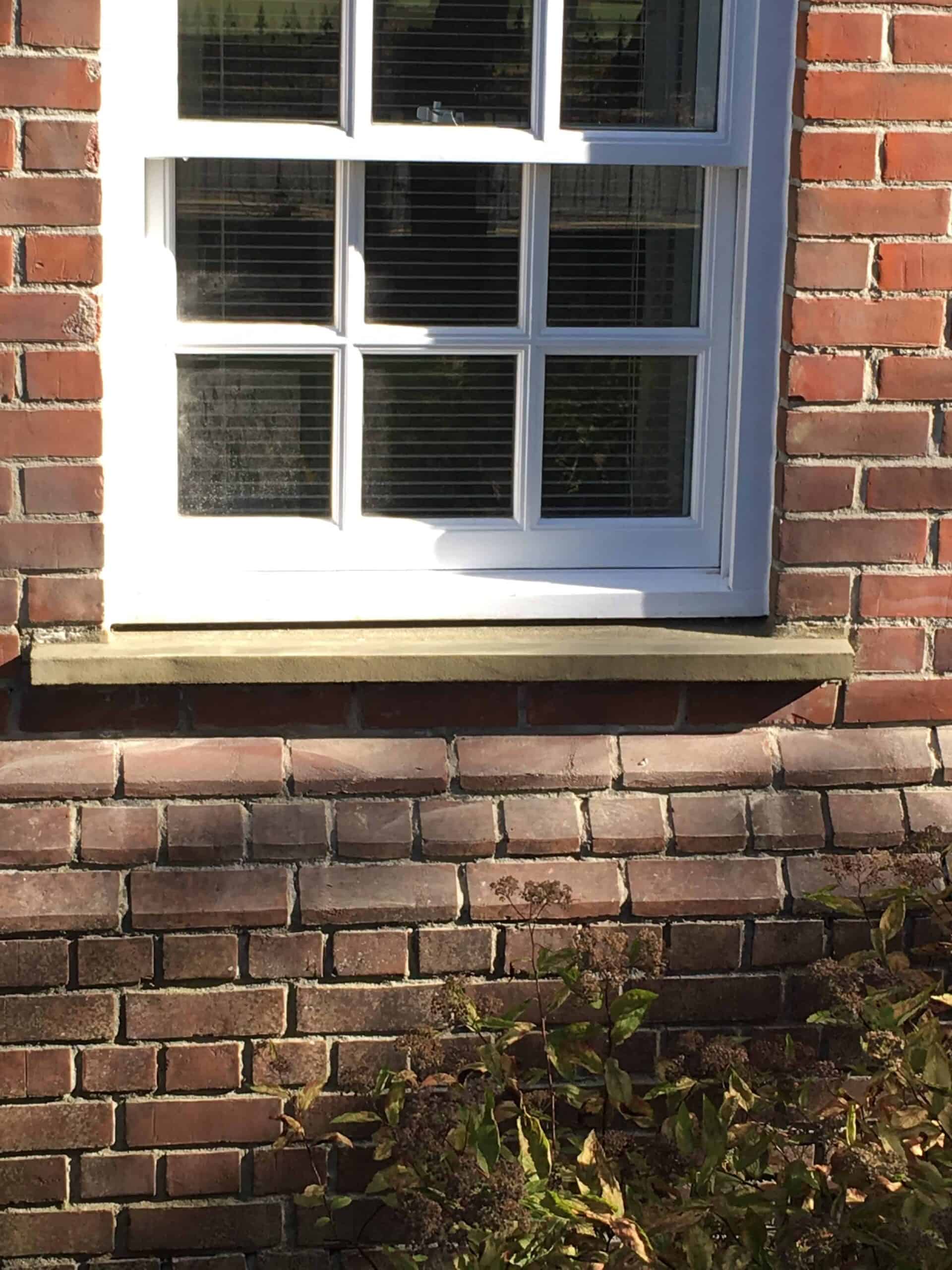
Restoring older concrete surfaces and windows can make a significant difference to the appearance, functionality and durability of a property. Over time, exposure to rain, frost, temperature changes, moisture, pollution and everyday use can cause visible deterioration. Concrete may develop cracks, staining, surface damage or areas of spalling, while windows can suffer from peeling finishes, damaged frames, worn seals, drafts and moisture-related problems. Addressing these issues early can help prevent minor defects from becoming more expensive structural or maintenance concerns.
A well-planned restoration project is not simply about making a building look newer. It involves understanding the condition of each surface, identifying the underlying cause of deterioration and selecting appropriate repair and finishing methods. This is particularly important for older properties where original materials, architectural details and construction methods need to be considered carefully.
Professional Concrete and Window Restoration can therefore combine practical repairs with careful surface preparation and protective treatments. Whether the property is residential, commercial or part of an older building, a properly managed restoration can improve both visual appeal and long-term performance.
Understanding Concrete Deterioration
Concrete is widely used for steps, walls, paths, structural elements, paving, balconies, foundations and other parts of buildings. Although it is a durable material, it is not completely resistant to deterioration. Weather exposure, water penetration, physical impact and aging can gradually affect its surface and, in some circumstances, the material beneath it.
Common Signs of Concrete Damage
Cracks are among the most noticeable signs of deterioration. Small surface cracks may develop because of shrinkage or environmental movement, while larger or recurring cracks can have more complex causes. Other warning signs include flaking, crumbling edges, exposed aggregate, discolouration and areas where the surface has begun to break away.
Moisture can also contribute to deterioration. Water entering cracks or porous areas may expand during freezing conditions and place additional pressure on the surrounding material. In reinforced concrete, moisture can contribute to corrosion of embedded metal reinforcement, which may eventually cause surrounding concrete to crack or detach.
Why Early Repairs Matter
Ignoring damaged concrete can allow deterioration to spread. A small crack can become wider when exposed to repeated weather changes, while damaged surfaces can allow more moisture to enter the material. Consequently, early assessment can make future repairs more manageable.
The appropriate solution depends on the severity and cause of the damage. Surface repairs may be suitable for minor deterioration, whereas deeper defects may require more extensive preparation and repair techniques.
The Importance of Window Restoration
Windows are exposed to changing weather conditions throughout the year. Rain, sunlight, wind, condensation and temperature fluctuations can gradually affect frames, seals, coatings and surrounding areas.
Older windows can also lose some of their original performance. Gaps around frames may allow draughts to enter, damaged seals can contribute to moisture penetration and deteriorating paintwork can expose vulnerable materials to the elements.
Window restoration focuses on repairing and preserving existing components wherever practical rather than automatically replacing the entire installation.
Problems Commonly Found Around Windows
Several issues can indicate that windows require attention. These may include:
- Cracked or peeling paint
- Deteriorated timber or frame surfaces
- Damaged sealant
- Draughts around the frame
- Water staining
- Condensation
- Loose or damaged fittings
- Small cracks around surrounding masonry
- Failing external finishes
The presence of one problem does not necessarily mean the entire window needs replacement. A detailed inspection can help establish whether repair, partial restoration or replacement is the most appropriate approach.
Restoring Existing Window Features
Where original windows have architectural or historical value, restoration can help retain the character of the property. Careful preparation, repair and refinishing can improve their appearance while maintaining important design features.
For timber windows, this may involve removing failing coatings, repairing damaged sections, preparing the surface and applying suitable protective finishes. For other window materials, restoration may involve cleaning, sealing, repairing surrounding surfaces or replacing individual components.
Assessing the Property Before Restoration
Before work begins, the condition of the affected areas should be assessed carefully. A visual inspection can identify obvious problems, but a thorough assessment should also consider moisture, movement, previous repairs and the condition of surrounding materials.
Identifying the Cause of Damage
Treating the visible symptom without addressing its cause may lead to repeated problems. For example, repairing a crack without investigating ongoing water penetration may provide only a temporary improvement.
Similarly, applying a new coating to a deteriorating window frame without preparing the surface properly can result in premature failure.
Understanding why deterioration occurred allows restoration work to be planned more effectively. Factors such as poor drainage, damaged seals, persistent dampness, inadequate previous repairs and environmental exposure should all be considered.
Checking Adjacent Surfaces
Concrete and windows rarely exist in isolation. Window openings may meet masonry, render or concrete surfaces, while concrete paths and steps may connect directly to walls and drainage systems.
For this reason, surrounding areas should also be examined. Water may enter through one damaged section and appear elsewhere, making the original source difficult to identify without a wider inspection.
Preparing Surfaces for Restoration
Surface preparation is one of the most important stages of any restoration project. Even high-quality repair materials and coatings can perform poorly when applied to dirty, unstable or contaminated surfaces.
Cleaning and Removing Loose Material
Damaged concrete may need to be cleaned and cleared of loose or unstable material before repairs are carried out. Depending on the surface and condition, appropriate cleaning methods can remove dirt, algae, old coatings and other contaminants.
Window surfaces may similarly require preparation before repainting, sealing or refinishing. Loose coatings should be removed carefully without unnecessarily damaging the original material.
Repairing Defective Areas
Once the surface has been prepared, suitable repairs can be undertaken. Concrete repairs may involve filling cracks, rebuilding damaged sections or treating surface deterioration. Window repairs can involve filling minor defects, replacing damaged components or improving seals.
The repair method should always be appropriate for the material and the nature of the defect. Using an unsuitable product can create compatibility problems or cause the repair to deteriorate prematurely.
Concrete Repair and Surface Finishing
Restoring concrete is not limited to filling visible cracks. A successful project should consider the overall condition of the surface and the appearance of the completed repair.
Repairing Cracks
Different cracks can have different causes and characteristics. Fine surface cracks may require a different approach from wider or deeper cracks. Before repairing them, it is important to determine whether they are stable or associated with ongoing movement.
Once the cause and extent of the damage have been considered, the appropriate repair material can be selected. The repaired area should then be finished so that it integrates as closely as practical with the surrounding surface.
Restoring Worn Surfaces
Concrete surfaces can become worn, stained or uneven over time. Restoration may improve their appearance through cleaning, localised repairs and suitable finishing treatments.
Where appropriate, protective finishes can also help reduce the effect of weather exposure and surface contamination. However, the selected treatment should be compatible with the existing concrete and suitable for its intended environment.
Window Repair, Sealing and Finishing
Windows require careful attention because they combine several components that work together to protect the building interior.
Improving Seals
Damaged or deteriorated seals can allow water and air to pass through gaps around the frame. Replacing unsuitable or failing sealant can improve weather resistance and reduce draughts.
However, sealing should not be used to hide underlying defects. If moisture is entering because of damaged surrounding materials or drainage problems, those issues should also be addressed.
Refinishing Window Frames
A suitable finish can provide both aesthetic and protective benefits. Before refinishing, the existing surface needs to be stable, clean and properly prepared.
For painted frames, preparation may include removing loose paint, repairing imperfections and applying suitable preparation coats where required. The final finish should be appropriate for the material and expected exposure.
Protecting Restored Surfaces
Restoration should aim to provide more than an immediate visual improvement. Appropriate protection can help restored surfaces remain in good condition for longer.
Managing Moisture
Moisture is a major contributor to deterioration in many building materials. Effective drainage, functioning gutters, sound seals and appropriate surface treatments can all help reduce unnecessary water exposure.
After restoration, regular inspections can identify developing moisture problems before they become extensive.
Protecting Against Weather Exposure
Exterior surfaces experience repeated changes in temperature, rainfall, sunlight and wind. Protective finishes and properly maintained surfaces can help reduce the effects of these environmental conditions.
Nevertheless, no coating eliminates the need for maintenance. Periodic inspection remains important because even well-maintained surfaces can eventually require attention.
Benefits of Professional Restoration
Professional Concrete and Window Restoration can provide several practical benefits when the work is properly assessed and carried out.
First, restoration can improve the appearance of tired or deteriorated areas. Clean, repaired concrete and well-maintained windows can make a property look more presentable without requiring unnecessary replacement.
Second, restoration can help extend the usable life of existing materials. Repairing defects at an early stage may reduce the likelihood of more extensive deterioration.
Third, maintaining existing architectural features can help preserve the character of older buildings. This can be particularly valuable where original windows, decorative details or established surface finishes contribute to the property's appearance.
Finally, proper restoration can support ongoing maintenance by addressing defects and improving the condition of vulnerable areas.
Choosing Appropriate Restoration Materials
The materials used during restoration should be selected according to the existing substrate, environmental conditions and intended use.
Compatibility Is Important
A repair material should work appropriately with the surface to which it is being applied. Differences in movement, moisture behaviour or hardness can potentially create problems if incompatible products are used.
For this reason, restoration should not be approached as a simple process of applying the strongest available product. The right material is one that suits the specific application.
Considering the Finished Appearance
Colour, texture and finish can also affect the quality of the final result. A repair that is structurally sound may still appear obvious if it does not blend with the surrounding surface.
Careful preparation and finishing can help create a more consistent appearance while retaining the character of the original material.
Maintaining Restored Concrete and Windows
Maintenance is essential after restoration. Even high-quality repairs can deteriorate if underlying problems return or surfaces are neglected.
Regular Visual Inspections
Property owners should periodically check for new cracks, peeling finishes, water staining, damaged sealant and other visible changes.
Small defects are generally easier to investigate and address than widespread deterioration. Regular inspections can therefore form an important part of a property's long-term maintenance plan.
Keeping Drainage Systems Clear
Blocked gutters and poor drainage can expose walls, windows and concrete surfaces to unnecessary moisture. Keeping drainage channels and rainwater systems clear can help direct water away from vulnerable areas.
Where persistent dampness is noticed, the source should be investigated rather than repeatedly treating the visible stain.
Recoating When Necessary
Exterior finishes do not last indefinitely. Their lifespan depends on the material, exposure and quality of preparation. Recoating or refinishing may eventually be required to maintain protection and appearance.
When Restoration May Be Preferable to Replacement
Replacement is not always the only solution when a surface or window appears old or damaged. In many situations, restoration can retain usable materials while addressing specific defects.
The decision should depend on the condition of the existing installation, the extent of deterioration, safety considerations, expected lifespan and the cost of different approaches.
For example, a window with deteriorated paint and minor local damage may be suitable for repair, while a severely damaged frame with extensive structural deterioration may require more substantial intervention.
Likewise, damaged concrete may be repairable when deterioration is localised, but extensive structural problems require a more detailed assessment before deciding on the appropriate solution.
Planning a Restoration Project
Good planning can help ensure that restoration work is completed efficiently and consistently.
The process should begin with an assessment of the property and identification of the areas requiring attention. Next, the causes of deterioration should be considered before repair methods and materials are selected.
Surface preparation should then be carefully completed, followed by repairs, finishing and protective treatments where appropriate. Finally, the restored areas should be inspected and a maintenance routine established.
A planned approach helps prevent cosmetic treatments from being used as substitutes for necessary repairs.
Final Thoughts
Effective Concrete and Window Restoration involves much more than improving the appearance of an aging property. It requires careful assessment, suitable preparation, compatible repair materials, attention to moisture and weather exposure, and ongoing maintenance. By identifying deterioration early and addressing its underlying causes, property owners can help protect existing surfaces and extend their useful life.
For homeowners and property owners looking to improve damaged concrete, aging windows or other worn exterior features, a carefully planned restoration approach can provide practical and lasting improvements. Ultimate Painters and Renovations can assist with restoration and renovation requirements while focusing on appropriate preparation, detailed workmanship and results that complement the existing property.