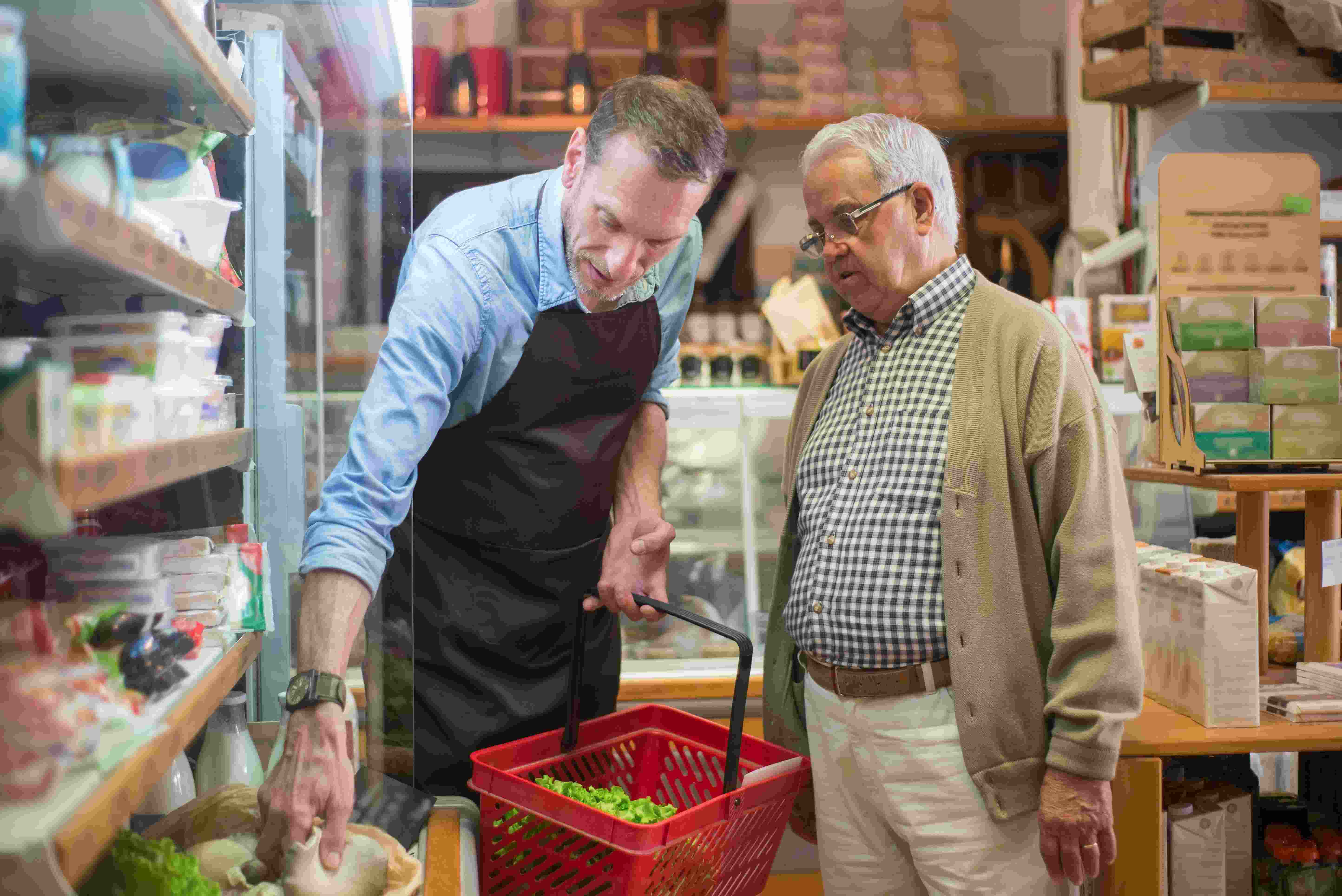
Grocery delivery has transformed the way consumers purchase everyday essentials, but successful fulfillment depends on more than picking and transporting products. Deliveries can fail because of incorrect addresses, unavailable customers, damaged products, traffic delays, inventory shortages, or communication gaps. Each failed delivery can create additional costs while frustrating customers and placing pressure on delivery teams. Customer support plays an important role in preventing these situations by identifying potential problems early, keeping customers informed, and coordinating solutions across the delivery process.
1. Confirming Delivery Details Before Dispatch
A significant number of delivery problems can be reduced when customer information is verified before an order leaves the fulfillment facility. Customer service food and beverage teams can help confirm delivery addresses, preferred delivery windows, contact numbers, and special instructions. Support agents can also identify unclear apartment numbers, incomplete directions, or other details that could make a delivery difficult. Addressing these issues early gives delivery personnel better information and reduces the likelihood of unsuccessful delivery attempts.
2. Communicating Real-Time Delivery Updates
Customers may be unavailable when a driver arrives if they do not receive accurate information about the expected delivery time. Customer support teams can provide updates when an order is dispatched, delayed, or approaching its destination. Notifications through text messages, email, mobile applications, or other channels can help customers plan accordingly. When delays occur, proactive communication is particularly valuable because customers can adjust their schedules or contact support before the delivery window expires.
3. Handling Inventory-Related Problems
Grocery orders often contain products with rapidly changing inventory levels. An item that appears available when an order is placed may become unavailable during picking. If customers are not informed about substitutions or missing products, dissatisfaction can increase and orders may require additional intervention. Support teams can communicate available alternatives, confirm substitution preferences, and explain refund procedures. This coordination helps prevent inventory issues from turning into broader delivery problems.
4. Coordinating With Delivery Teams
Customer support acts as an important communication link between shoppers and delivery personnel. When a driver encounters a locked entrance, incorrect address, unreachable customer, or other obstacle, support agents can help determine the next step. They may contact the customer, provide additional instructions to the driver, or coordinate a suitable resolution according to company policies. Clear escalation procedures enable delivery teams to receive assistance quickly instead of abandoning an order unnecessarily.
5. Managing Time-Sensitive Grocery Orders
Unlike many non-perishable retail products, groceries may include fresh produce, dairy, frozen items, meat, and other temperature-sensitive products. Delays can therefore have a greater impact on order quality. Customer support teams can monitor exceptions and prioritize cases where delivery timing is particularly important. If a delay occurs, agents can communicate revised expectations and coordinate appropriate actions. This helps businesses protect product quality while giving customers greater visibility into their orders.
6. Reducing Failed Deliveries Through Customer Self-Service
Technology can help customers resolve simple delivery-related questions without waiting for an agent. Order tracking pages, automated notifications, frequently asked questions, and self-service options can provide information about delivery status, rescheduling, substitutions, and refunds. When customers have easy access to relevant information, unnecessary contacts can be reduced. At the same time, support teams can concentrate on complicated delivery exceptions that require human intervention and coordination.
7. Learning From Failed Delivery Patterns
Every unsuccessful delivery can provide useful information for improving future operations. Customer support teams can categorize failed deliveries according to reasons such as address errors, customer unavailability, delivery delays, inventory problems, or communication failures. Managers can then examine these patterns to identify recurring weaknesses. For example, frequent address-related failures may indicate a need for better checkout validation, while repeated missed deliveries could suggest improvements to delivery-window notifications. Using support data in this way helps businesses move from reactive problem-solving toward preventive action.
8. Creating Connected Support Across the Delivery Journey
Grocery customers may interact with a retailer before placing an order, during fulfillment, while waiting for delivery, and after receiving their products. Omnichannel grocery delivery customer service helps connect these interactions so that customers can receive consistent information across phone, chat, email, and digital channels. Service providers such as ServeRetail can support retailers by organizing customer communication, delivery exception handling, and escalation workflows. A connected support model makes it easier to identify risks, communicate changes, and coordinate timely resolutions throughout the order lifecycle.
Conclusion: Turning Delivery Challenges Into Better Experiences
Failed grocery deliveries can affect customer satisfaction, operating costs, product quality, and brand trust. Customer support can help reduce these challenges by verifying delivery information, communicating proactively, coordinating with drivers, managing inventory issues, and analyzing recurring failure patterns. When support teams work closely with fulfillment and delivery operations, businesses can address problems before they become failed deliveries. Ultimately, combining responsive customer care with strong processes and technology helps grocery retailers deliver a more predictable, transparent, and convenient experience.