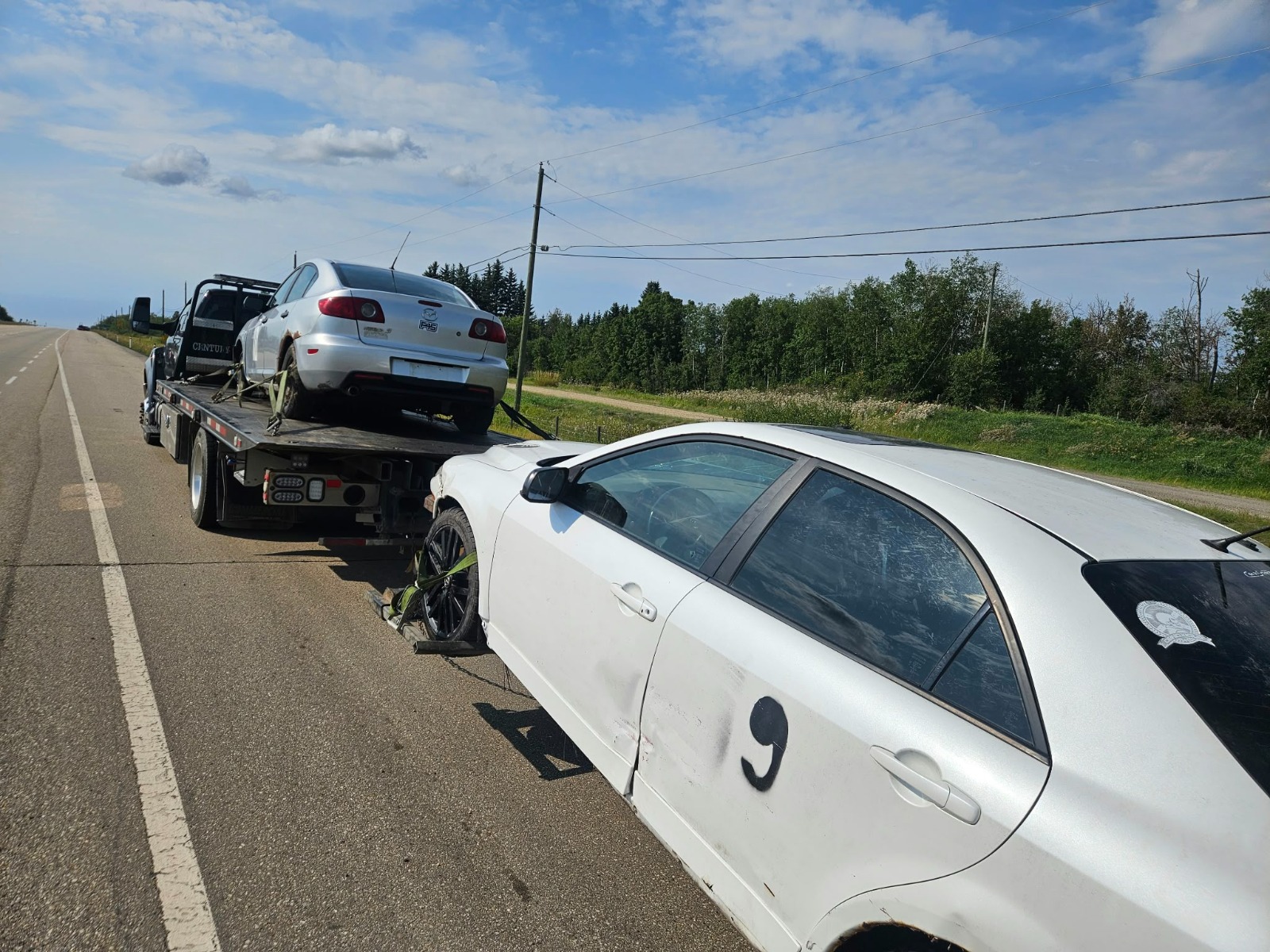
Having one unwanted vehicle sitting on your property can be frustrating. Having three, four, or even more can turn an ordinary driveway, backyard, garage, or private lot into a storage problem. Old project cars, non-running vehicles, inherited cars, abandoned vehicles, and unwanted trucks can quickly consume space that could be used for something more practical.
For Edmonton homeowners, the good news is that multiple unwanted vehicles do not necessarily have to be handled one at a time. A coordinated removal can make the process easier, but it requires some preparation. Before calling for pickup, you need to know which vehicles you can legally sell, what condition each one is in, and whether the property provides enough access for removal equipment.
Start by Making a Vehicle-by-Vehicle List
When several cars are sitting on the same property, it is easy to treat them as one large cleanup job. However, each vehicle may have a different ownership history, condition, and removal requirement.
Create a simple list for every vehicle and record:
- Make and model
- Approximate year
- VIN, if available
- Licence plate information
- Whether it runs
- Whether it rolls
- Tire condition
- Major missing parts
- Current location on the property
- Ownership or registration status
This information makes it easier to explain the job accurately when requesting a quote.
It can also prevent confusion if one vehicle is roadworthy while another has been sitting unused for years.
Confirm Which Vehicles You Are Allowed to Sell
This is one of the most important steps when clearing multiple vehicles.
A vehicle being parked on your property does not automatically make it yours. For example, a previous tenant may have left a car behind, a family member may have stored a vehicle on your land, or an old project car may technically belong to someone else.
Separate the vehicles into two groups: vehicles you own and vehicles with unclear ownership.
For vehicles registered to you, gather the relevant ownership documents and identification. For vehicles that belong to someone else, resolve the ownership issue before arranging a sale or disposal.
This becomes particularly important when several vehicles have accumulated over many years and their paperwork is incomplete.
Decide Whether Everything Should Be Removed at Once
If several vehicles are unwanted, removing them during one coordinated pickup may be more convenient than arranging separate appointments.
Some Edmonton junk-car services specifically advertise multiple-vehicle removal, so homeowners should mention the number of vehicles when requesting a quote rather than asking about only one car.
There can also be a practical advantage to planning the entire property cleanup together. The removal provider can understand the overall layout, determine what equipment may be required, and plan the pickup around the location of each vehicle.
However, do not assume every company handles large multi-vehicle jobs in exactly the same way. Confirm the details before scheduling.
Check Access Before the Tow Truck Arrives
Multiple vehicles can create an access puzzle.
Imagine an Edmonton homeowner has two cars parked in the driveway, another behind the garage, and a fourth vehicle sitting in the backyard. The cars may individually be easy to remove, but the order in which they are collected could make a major difference.
Before pickup, check:
- Driveway width
- Gate width
- Overhead clearance
- Fence locations
- Other parked vehicles
- Trees or branches
- Soft ground
- Snow or ice
- Whether another car blocks the vehicle being removed
If one vehicle is behind another, tell the removal company before the appointment.
A towing operator may need to remove the outer vehicle first to reach the one farther inside.
What If Some Vehicles Do Not Run?
That is not necessarily a reason to abandon the cleanup plan.
Junk and scrap vehicle services commonly handle vehicles that do not start, although the exact removal method depends on accessibility and condition. Some Edmonton providers state that they remove non-running and even non-rolling vehicles.
The important thing is to describe the problem accurately.
There is a major difference between saying “the car doesn't run” and explaining that:
The engine does not start, the tires are flat, and the vehicle has been sitting behind the garage for five years.
The second description gives the removal company much more useful information.
Deal With the Easiest Vehicles First
If you have several vehicles in different conditions, consider organizing them by accessibility.
A practical order might be:
- Vehicle blocking other vehicles
- Easily accessible driveway vehicles
- Vehicles with working wheels
- Non-running vehicles
- Partially dismantled or difficult-to-access vehicles
This is not a universal rule, but it can help prevent one difficult vehicle from blocking access to several others.
The removal provider may recommend a different sequence after seeing the property.
Remove Personal Belongings Before Pickup
When multiple cars have been sitting around for years, homeowners often forget how much can accumulate inside them.
Check the:
- Glove compartment
- Centre console
- Door pockets
- Under the seats
- Trunk
- Tool compartments
- Spare-tire area
Look for personal documents, keys, tools, photographs, and other belongings.
Do this separately for every vehicle. It is surprisingly easy to empty one car and forget about the others.
Do Not Dismantle Every Vehicle Before Removal
It can be tempting to strip several old cars before having them removed, especially when you believe individual components might be worth money.
However, dismantling vehicles can make removal more complicated. Missing wheels, suspension components, engines, or other major parts can affect how a vehicle is moved and may also affect its value.
If your main goal is to clear the property, ask about the removal process before removing major components.
In some cases, leaving the vehicle intact can make the entire cleanup simpler.
What About Vehicles Left by Tenants or Previous Owners?
This situation requires additional care.
If a previous tenant left several vehicles behind, you should not automatically treat them as scrap cars that you can sell. Ownership and disposal rights need to be clarified first.
Keep records showing how the vehicles came to be on your property. If necessary, contact the appropriate authority or seek legal guidance about the correct procedure.
The same principle applies to vehicles left behind after a property changes ownership. Physical possession and legal ownership are not necessarily the same thing.
Prepare the Property for a Multi-Car Pickup
Once the vehicles are ready for removal, make the pickup area as clear as possible.
Move bins, trailers, loose equipment, and other unnecessary obstacles away from the access route. If there is snow or ice around the vehicles, clear enough space for safe access.
For vehicles located behind gates or fences, confirm whether the removal team needs access before arriving.
Taking a few photographs of the property and vehicle locations can also help the provider understand the job before the appointment.
Can Multiple Unwanted Vehicles Be Removed in One Appointment?
Often, yes, but the provider needs accurate information beforehand.
Edmonton services advertise the ability to handle multiple vehicles from one property, with some specifically asking customers to provide the number of cars and information about each vehicle when requesting a quote.
The more complicated the property, the more important this becomes.
Instead of saying, “I have several junk cars,” explain exactly how many vehicles there are, where each one is located, which ones run, and which ones are difficult to access.
That allows the removal company to determine whether one appointment is practical and what equipment may be necessary.
A Simple Checklist for Edmonton Homeowners
Before scheduling the pickup, work through this checklist:
Ownership: Confirm that you have the right to sell or dispose of each vehicle.
Documents: Gather available registration and ownership information.
Condition: Identify which vehicles run, roll, have flat tires, or are partially dismantled.
Access: Check driveways, gates, fences, overhead clearance, and vehicle positioning.
Personal items: Empty every vehicle completely.
Pickup plan: Tell the removal company exactly how many vehicles are involved.
Property preparation: Clear the route before the truck arrives.
This small amount of preparation can prevent major delays.
Final Thoughts
Clearing multiple unwanted vehicles from an Edmonton property is much easier when the job is treated as one organized project rather than several unrelated towing appointments.
Start by establishing ownership, document the condition of every vehicle, check access around the property, and tell the removal provider exactly what you are dealing with. Vehicles that do not run may still be removable, but difficult access, missing parts, and blocked vehicles should always be disclosed beforehand.
Most importantly, do not wait until pickup day to reveal that there are several cars scattered around the property. The more accurate information you provide upfront, the easier it is to create a realistic removal plan and finally reclaim the space those unwanted vehicles have been occupying.