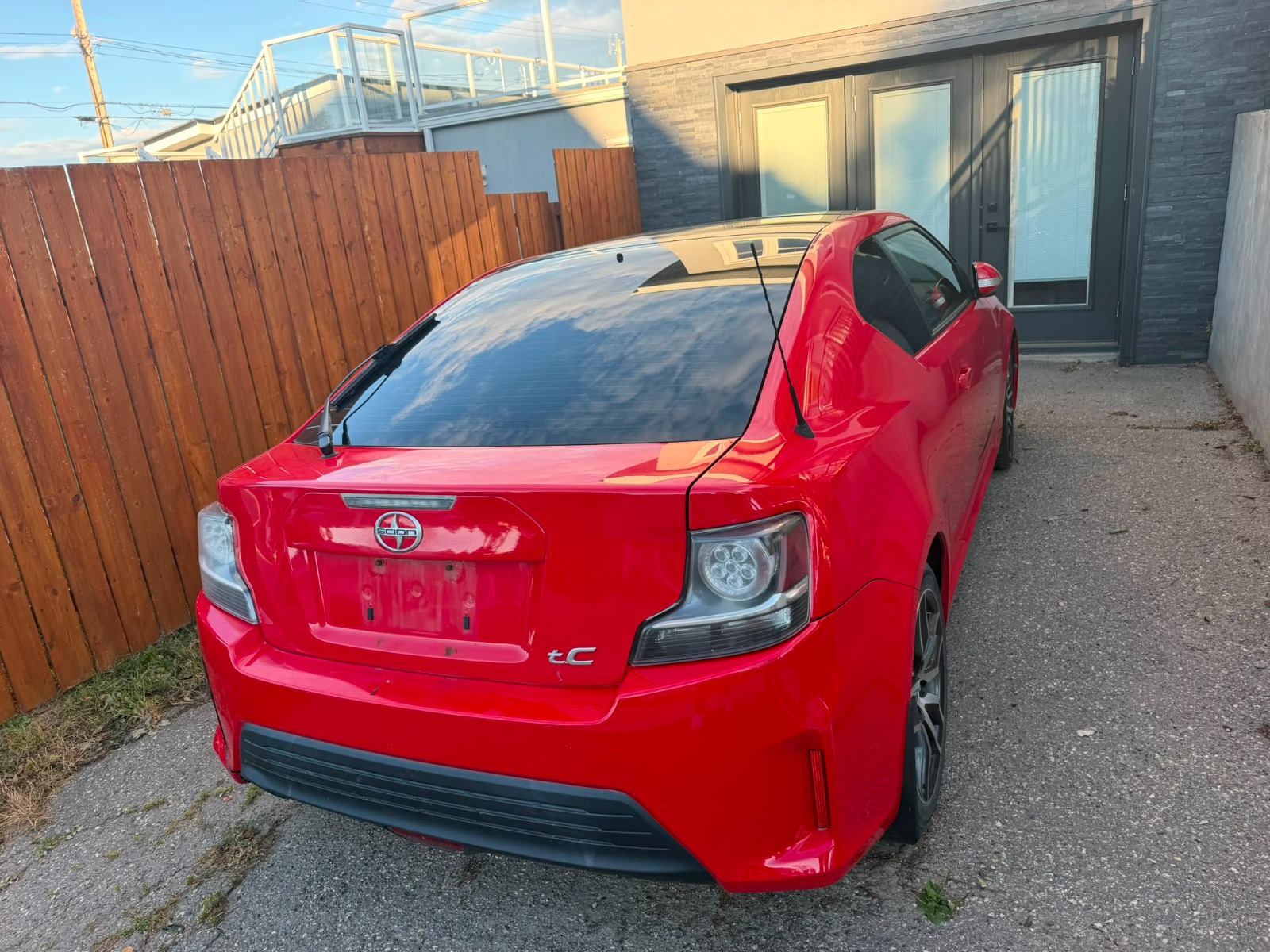
When Edmonton vehicle owners prepare to sell an unwanted car, they often focus on the things that obviously affect value: age, mileage, mechanical condition, accident history, and missing parts. But there is another detail that can influence how a vehicle is perceived—the color.
A common question is whether a red, black, white, silver, or less common-colored vehicle can bring more cash than the same vehicle in another color. The answer depends heavily on what type of buyer you are selling to and what condition the vehicle is in.
For a conventional used-car sale, color can influence buyer interest and marketability. For a scrap or junk vehicle, however, mechanical condition, usable parts, metal content, completeness, and accessibility generally become much more important.
Does Car Color Actually Affect Value?
It can, but color is rarely the only factor determining what a vehicle is worth.
A popular factory color may appeal to more potential buyers, making a vehicle easier to market. A less common color can have a smaller audience, although some buyers may specifically want something distinctive.
This means color can affect market demand, but it does not automatically create a higher cash offer.
For example, two otherwise identical vehicles could have different appeal because one has a neutral exterior color that attracts a broader range of buyers. But if one of those vehicles has a failed transmission or extensive body damage, its mechanical condition may matter much more than its paint color.
What Matters More for a Scrap Vehicle?
When an Edmonton seller is dealing with an old or unwanted vehicle, color usually becomes a secondary consideration.
A scrap or junk vehicle may be evaluated based on factors such as:
- Vehicle weight
- Metal content
- Make and model
- Year
- Overall condition
- Engine and transmission condition
- Catalytic converter
- Usable parts
- Missing components
- Tires and wheels
- Vehicle accessibility
- Current demand for specific parts
For Edmonton owners, an Edmonton scrap car removal service can assess these factors when determining the vehicle's potential cash value.
A faded blue vehicle with a valuable engine or desirable components may therefore be worth more than a perfectly maintained car in a popular color.
The important lesson is simple: do not judge a junk vehicle's cash value by its paint alone.
Why Popular Colors Can Help With a Regular Used-Car Sale
Color can become more relevant when you are selling a functioning vehicle to a private buyer.
A buyer may have strong preferences about exterior appearance. Some people prefer neutral colors such as black, white, silver, or grey because they consider them easier to live with or easier to resell.
Other buyers actively look for unusual colors because they want something different.
Because preferences vary, it is difficult to say that one color is universally worth more than another.
The vehicle's condition, service history, mileage, trim level, and overall presentation can all interact with color when determining buyer interest.
What If the Paint Is Faded?
The original color and the current condition of the paint are two different issues.
A vehicle may technically have a desirable factory color, but years of Edmonton weather can leave the paint faded, oxidized, scratched, or damaged.
In that situation, the condition of the exterior may matter more than the original color.
Before listing the vehicle, examine the paint from different angles. Look for:
- Fading
- Peeling clear coat
- Rust
- Scratches
- Dents
- Mismatched panels
- Previous paintwork
If you are selling to a conventional buyer, a clean and presentable exterior may make a better impression than simply advertising the vehicle's color.
Does a Rare Color Make an Old Car Worth More?
Not necessarily.
A rare factory color can make a particular vehicle interesting to collectors or enthusiasts, but rarity alone does not guarantee additional value.
The vehicle would generally need other characteristics that make it desirable, such as a sought-after model, original condition, limited production, special trim, or strong enthusiast demand.
For an ordinary high-mileage vehicle being sold for scrap, a rare paint color is unlikely to be the main factor determining the offer.
This is why sellers should avoid assuming that an unusual color automatically means a higher cash price.
What About Black Cars in Edmonton?
Black is a common vehicle color, but it also tends to show certain exterior imperfections more clearly.
Dust, scratches, water spots, and swirl marks can become noticeable on a black vehicle. If the car is being sold as a normal used vehicle, keeping the exterior reasonably clean can help its presentation.
But if the vehicle is severely damaged, no longer runs, or is being sold primarily for scrap, spending significant money on cosmetic improvements simply because the car is black may not make financial sense.
The right preparation depends on the type of sale you are making.
Does Color Matter When a Car Has Major Mechanical Problems?
Usually, the mechanical condition becomes much more important.
Imagine two Edmonton vehicles with identical dark-blue paint. One has a healthy engine and transmission, while the other has a failed engine, missing parts, and four flat tires.
The fact that both vehicles have the same color tells you very little about their likely cash offers.
A vehicle's color can influence appearance and buyer appeal, but major mechanical problems can change the entire category of the sale.
Instead of comparing paint colors, sellers should first determine whether the vehicle is being sold as a functioning used car, a repair project, a parts vehicle, or scrap.
Can Color Affect the Value of Individual Parts?
Usually, the color of the vehicle itself does not determine the value of most mechanical components.
An engine, transmission, alternator, starter, catalytic converter, or other mechanical component has value based on its compatibility, condition, demand, and usability.
Body panels are different.
If someone is looking for a replacement door, fender, hood, or bumper, matching paint color can make that component more attractive because it may require less cosmetic work.
Even then, the exact make, model, year, trim, condition, and availability of the part matter.
Should You Repaint a Vehicle Before Selling It?
For most unwanted vehicles, repainting is unlikely to be the first improvement to consider.
A complete paint job can cost substantial money, and there is no guarantee that the additional sale price will recover that expense.
If the vehicle is otherwise desirable and the paint is its main weakness, cosmetic improvement might be worth considering.
But if the car has major mechanical issues, high mileage, extensive rust, or significant damage, repainting it may simply add an expense without solving the underlying problem.
Before spending money on appearance, consider the vehicle's overall condition and likely buyer.
How Edmonton Weather Can Affect the Equation
Edmonton vehicles experience conditions that can be hard on exterior finishes.
Winter road salt, snow, ice, temperature changes, sunlight, and moisture can contribute to rust and paint deterioration over time.
As a result, sellers should look beyond color when assessing an older vehicle.
Check the wheel arches, rocker panels, doors, trunk area, hood, and underbody for corrosion or damage.
For a vehicle being sold as scrap, the presence and severity of rust can be much more relevant than whether the car is red or silver.
What Information Should You Give When Requesting a Cash Offer?
If you are contacting a buyer or removal company, provide more than just the vehicle's color.
If you're considering scrap car removal in Edmonton, providing accurate details about the vehicle can help the removal company understand its condition before pickup.
Useful information includes:
Make and model: Helps identify the vehicle and its potential parts.
Year: Gives context about age and compatibility.
Condition: Explain whether it runs, starts, or moves.
Mileage: Provide the known mileage when available.
Damage: Mention major body or mechanical problems.
Missing parts: Identify removed or missing components.
Location: Explain where the vehicle is parked and whether access is difficult.
Color: Include it as part of the vehicle description, especially if the body is complete.
Giving accurate information helps the buyer understand what they are evaluating before arranging an inspection or pickup.
Should You Choose a Vehicle Based on Color Alone?
If you are buying a vehicle as a normal daily driver, color can certainly be part of your personal preference.
But when you are selling an unwanted vehicle for cash, it is better to think about the complete package.
A clean, popular color cannot compensate for severe mechanical damage. Likewise, an unusual color does not automatically make an old vehicle worthless.
The vehicle's age, condition, demand, usable components, and overall completeness provide much more useful information about its potential value.
Final Thoughts
Vehicle color can affect cash value, particularly when a functioning vehicle is being sold to a private buyer. However, color is only one part of the overall picture.
For Edmonton owners selling older, damaged, non-running, or junk vehicles, factors such as mechanical condition, usable parts, weight, missing components, accessibility, and overall demand can have a much greater influence on the offer.
So before spending money on repainting or cosmetic improvements, determine what type of sale you are actually making. If the vehicle is already destined for scrap or parts, its color may be far less important than what is underneath the paint.
The smartest preparation is to provide an accurate description of the vehicle and let its condition, components, and market demand do the talking.