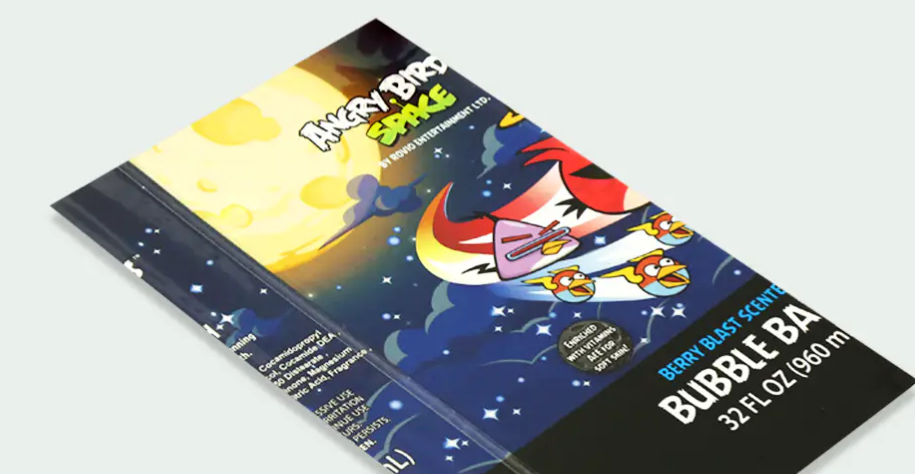
A Shrink film label is made from a flexible film material that responds to controlled heat. During the labeling process, the film contracts and fits closely around the package. This feature makes it useful for bottles, jars, tubes, and containers that have curved bodies or unusual outlines. Instead of leaving gaps around the surface, the label can create a neat sleeve-like appearance.
One practical benefit is design freedom. A package may have a narrow neck, rounded shoulder, or wider lower section. Traditional paper labels can be difficult to position neatly on such shapes. Shrink film labeling offers another approach. Graphics can extend around the entire container, giving designers more space for product information, patterns, images, and brand elements.
The visual effect also changes how packaging communicates. A label covering a larger surface can create a stronger connection between the container and its printed design. Different finishes, colors, and graphic layouts can produce very different impressions even when the package shape stays the same.
For manufacturers and packaging buyers, material selection is also worth considering. Film thickness, shrink behavior, printing requirements, and container geometry all affect the final result. A suitable combination helps the label sit closely around the package without distracting folds or uneven areas.
Another interesting point is application efficiency. A sleeve-style label can combine decoration with package coverage in one component. Depending on the packaging structure, this may reduce the need to manage several separate printed pieces during production.
Shrink film label technology is therefore not simply about putting information onto a container. It connects packaging shape, printing, visual presentation, and application method. When a package has curves or requires graphics across several sides, this labeling format provides a practical way to turn the container itself into part of the design.