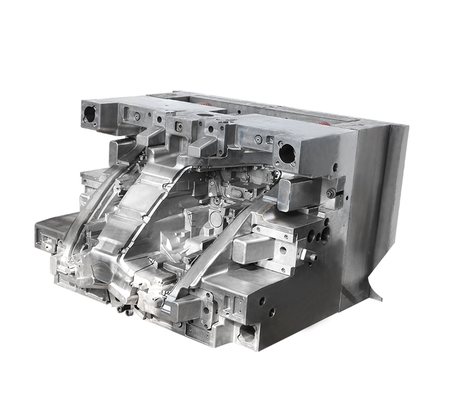
Automotive plastic mould plays a central role in producing many components found in modern vehicles. These specialized tools form plastic materials into precise shapes that meet the demands of car manufacturing. From interior panels to exterior trims, the process relies on carefully engineered moulds that deliver consistent results across large production runs.
The creation of an automotive plastic mould begins with detailed design work. Engineers study the required part geometry, material flow, and cooling needs before cutting the tool steel or aluminum. Injection moulding remains the primary method used. Molten plastic enters the closed mould under controlled pressure, fills every cavity, and solidifies into the final form. Once the part cools, the mould opens and ejects the finished component ready for assembly.
Different plastics suit different applications. Polypropylene works well for bumpers and interior trays because it balances impact resistance with flexibility. Acrylonitrile butadiene styrene appears in dashboards and console covers where surface quality and strength matter. Nylon and other engineering resins handle under-hood parts that face higher temperatures. The mould itself must accommodate the shrinkage and flow characteristics of each resin so that dimensions stay accurate.
Precision remains critical throughout the process. Tight tolerances ensure that mating parts fit correctly during vehicle assembly. Surface finishes on the mould cavity transfer directly to the plastic part, influencing both appearance and tactile feel. Features such as textured grain, high-gloss areas, or soft-touch regions are built into the tool surface. Multiple cavities in a single mould increase output while keeping unit costs reasonable for high-volume models.
Tool life depends on material selection and surface treatments. Hardened steel withstands repeated cycles of heat and pressure. Proper venting and cooling channels prevent defects such as warpage or incomplete fills. Regular inspection of the mould during production catches wear before it affects part quality. Operators monitor cycle times, injection pressure, and temperature to maintain stable conditions.
Automotive plastic mould also supports complex geometries that would be difficult or expensive to produce in metal. Thin walls, undercuts, and integrated fasteners reduce the number of separate pieces needed in a vehicle. This approach simplifies assembly lines and lowers overall vehicle weight, which contributes to improved fuel efficiency and handling.