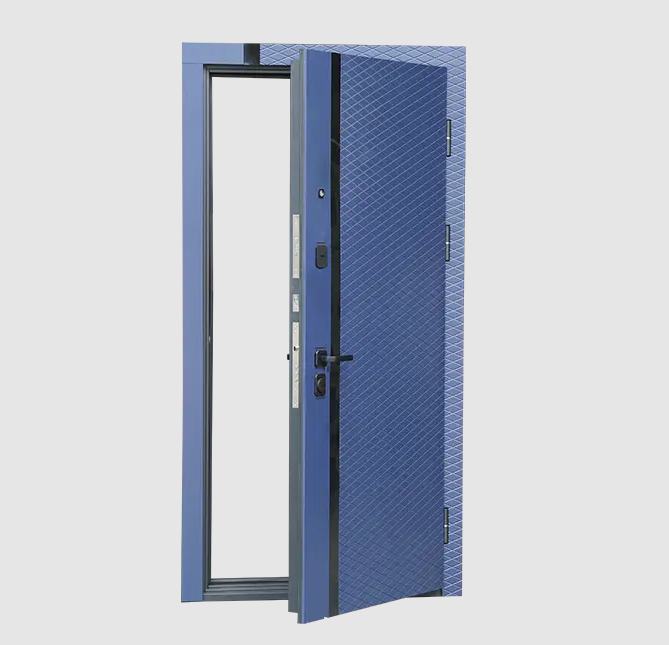
Walking through a steel wood door often feels different from a standard hollow-core version. The added density creates a quieter close and a more substantial presence in the doorway. This comes from the deliberate layering of steel and wood that forms the complete unit.
At the core sits steel, either as a full plate or as a rigid skeleton. This layer resists bending and keeps the overall shape true over time. Surrounding it, wood panels or thick veneers supply the tactile and visual qualities. Grain direction, knot patterns, and finish sheen all come from the wood choice. The two materials bond through adhesives and mechanical fasteners that prevent separation under normal conditions.
Surface treatments protect and enhance the wood. Clear lacquers preserve the natural color, while pigmented stains allow coordination with floors or cabinetry. Some steel wood door designs include recessed panels or applied mouldings that add depth without compromising the internal strength. Glass sidelights or upper panels can be framed within the same structure, bringing light into entry areas while maintaining security at the main leaf.
Hardware integration benefits from the solid core. Hinges attach firmly, and locksets sit securely without the wobble sometimes found in lighter doors. The latch engages cleanly, and the door stays aligned through repeated use. Sound dampening improves because the denser construction absorbs more noise than thinner alternatives.
Proportions affect the overall impression. Taller or wider openings accommodate larger steel wood door units that make a stronger architectural statement. Standard sizes fit existing frames with minimal adjustment. Either way, the finished appearance remains consistent across the face, with wood grain running uninterrupted and steel components concealed.
Daily interaction highlights the practical side. The door swings with controlled momentum rather than lightness. It closes with a solid sound that signals a secure seal. Temperature differences between rooms feel less noticeable when the door is shut. These qualities arise directly from the combined materials rather than from any single feature. In both residential entries and interior applications, the steel wood door delivers a reliable blend of appearance and structural presence.