Advertising is moving beyond static posters and traditional billboards. In 2026, brands are using digital display technology to deliver dynamic, relevant, and engaging experiences across retail stores, malls, offices, airports, restaurants, and public spaces. AI, real-time data, interactive screens, and programmatic advertising are making digital screens more responsive than ever.
Industry data also reflects this shift. The Out of Home Advertising Association of America reported that digital out-of-home advertising grew 18.5% year over year in Q2 2026, while the Interactive Advertising Bureau highlighted AI as a major focus area for advertisers in 2026.
So, what does the future of digital display advertising look like? Let's explore the major trends shaping 2026.
1. AI-Powered Digital Display Advertising
Artificial intelligence is becoming one of the biggest changes in advertising. Instead of displaying identical content throughout the day, AI can help businesses make content more relevant based on available data and predefined rules.
For example, a retail screen can promote different products depending on the time of day, while a restaurant can highlight breakfast, lunch, or dinner offers automatically. AI can also support content creation, campaign optimization, audience analysis, and personalization.
Intelisa already highlights AI-based personalization and smart content management as part of its digital signage capabilities.
2. Real-Time and Dynamic Content
One of the strongest advantages of a digital display is the ability to change content instantly. Businesses no longer need to print new posters whenever an offer changes.
Real-time content can include weather updates, live social media feeds, news, product availability, event information, traffic updates, and promotional campaigns. Brands can also schedule content according to time, location, or business requirements.
IAB's definition of DOOH specifically identifies dynamic content that can be tailored using factors such as demographics, location, and weather.
3. Interactive Screens Are Becoming More Common
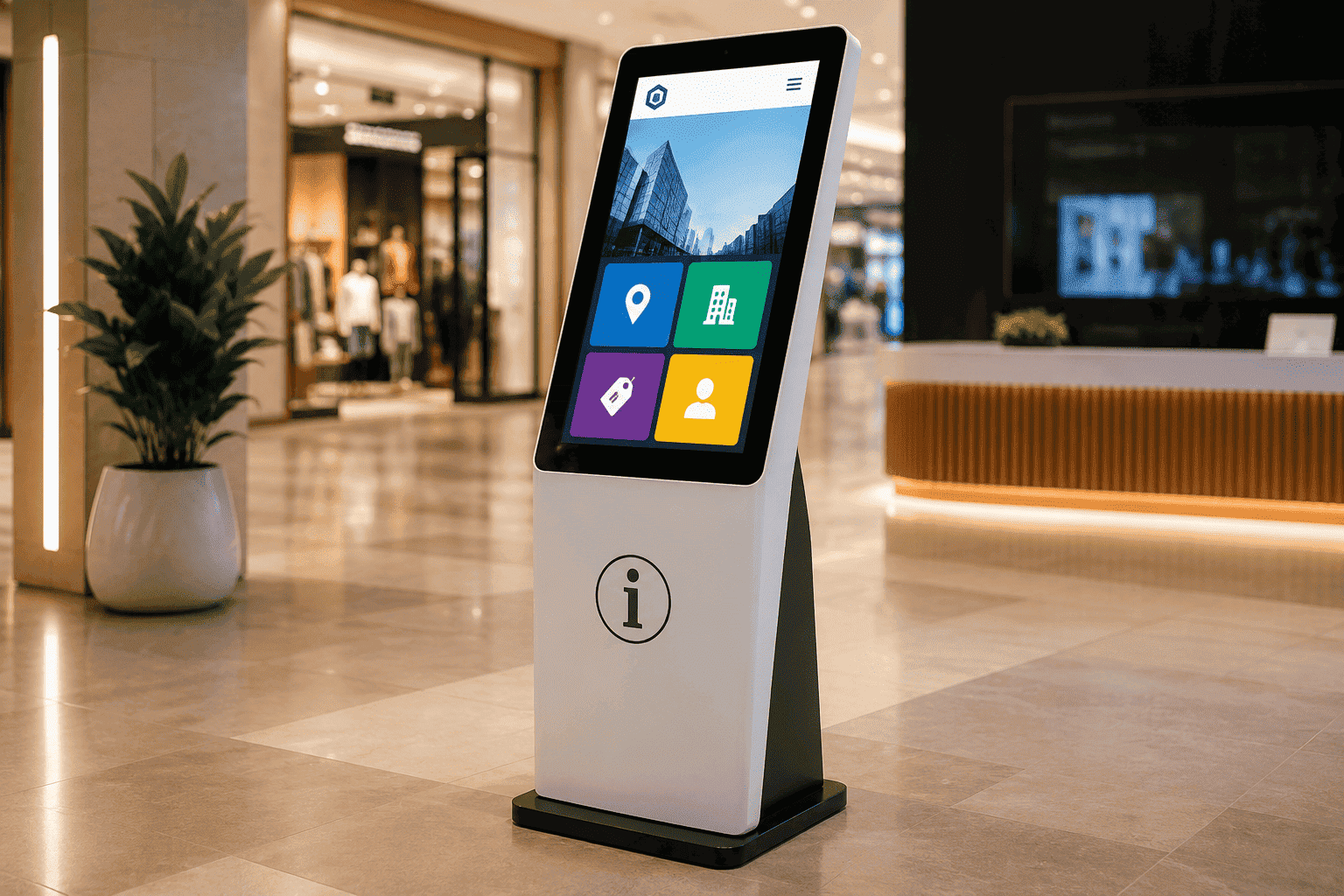
Digital advertising is becoming more participatory. Touchscreens, kiosks, gesture controls, QR codes, and interactive experiences allow customers to engage directly with content.
For example, a customer in a retail store can browse products on a touchscreen, scan a QR code to visit an online store, or explore additional product information.
This turns a screen from a simple advertising surface into a useful customer experience tool.
4. Programmatic DOOH and Automated Advertising
Programmatic digital out-of-home advertising is another important trend in 2026. Instead of manually managing every advertising slot, technology can automate campaign buying, scheduling, targeting, and optimization.
This gives advertisers greater flexibility when managing campaigns across multiple screens and locations.
Current industry research points to dynamic creative, real-time optimization, and audience-based buying as important developments in digital OOH advertising.
5. Personalization Based on Context
Consumers are exposed to advertisements throughout the day, so relevance matters. In 2026, brands are increasingly looking at context to make screen content more useful.
A digital display can be programmed to show different messages according to location, time, audience, weather, events, or business conditions. This can help brands move away from one-size-fits-all advertising.
For example, a fashion retailer could promote summer products during warmer weather and change its messaging during seasonal campaigns.
6. Digital Displays Are Becoming More Measurable
Traditional advertising can sometimes make it difficult to understand exactly how audiences interacted with a message. Modern digital signage and DOOH platforms are increasingly focused on measurement.
Businesses can monitor campaign schedules, screen activity, estimated impressions, content performance, and other available metrics.
This supports a more data-driven approach to advertising. OAAA has also highlighted the growing focus on measurable outcomes in OOH advertising.
7. Smarter Omnichannel Experiences
Another major trend is connecting physical screens with digital channels. A campaign may start with a digital display in a store or public location and continue through a website, social media page, mobile device, or QR code.
This creates a connected customer journey rather than treating physical advertising and online marketing as completely separate channels.
For brands, this can make campaigns more consistent while giving customers additional ways to interact with products and services.
8. Cloud-Based Screen Management
Managing hundreds or thousands of screens manually is difficult. Cloud-based platforms are therefore becoming increasingly important for businesses with multiple locations.
A centralized platform allows teams to schedule, update, monitor, and manage content remotely. This is particularly useful for retail chains, restaurants, corporate offices, healthcare organizations, and DOOH networks.
Intelisa describes its platform as a centralized cloud-based solution for managing content across screens and locations.
9. Better Visual Experiences With Advanced Displays
Display hardware is also evolving. Higher resolutions, larger LED walls, brighter screens, interactive surfaces, and specialized display formats are helping brands create more immersive experiences.
In busy locations, high-quality visuals can help advertising stand out from surrounding communication. Video walls and large-format LED displays are especially useful for branding, events, retail environments, and outdoor advertising.
10. AI Needs Transparency and Responsible Use
As AI becomes more involved in advertising, transparency is becoming increasingly important. AI can help businesses personalize content and automate campaigns, but brands also need to consider how AI-generated content is presented to audiences.
The IAB released an updated AI transparency and disclosure framework in 2026, reflecting the industry's growing focus on responsible AI use in advertising.
The future will therefore not be about using AI simply because it is available. Businesses need to use it thoughtfully, with clear objectives, appropriate data practices, and useful customer experiences.
Why Digital Display Matters for Businesses in 2026
The growth of connected screens, AI, programmatic advertising, and real-time content is changing how brands communicate with audiences. A digital display can be updated quickly, managed remotely, connected with other marketing channels, and used for both advertising and information.
For businesses operating across multiple locations, these capabilities can make communication easier and more flexible. For advertisers, they create opportunities to deliver campaigns that are more dynamic and contextually relevant.
Frequently Asked Questions
1. What is a digital display?
A digital display is an electronic screen used to show dynamic content such as advertisements, videos, offers, information, menus, and announcements.
2. How is AI changing digital display advertising?
AI helps personalize content, automate campaigns, analyze audiences, optimize messaging, and deliver more relevant advertising experiences across connected screens.
3. What are interactive digital displays?
Interactive displays allow audiences to engage directly through touchscreens, QR codes, gestures, kiosks, or other interactive technologies.
4. What is real-time digital display content?
Real-time content changes based on live information such as weather, news, social media, events, inventory, schedules, or business conditions.
5. What is programmatic DOOH advertising?
Programmatic DOOH uses technology to automate the buying, scheduling, targeting, and optimization of digital out-of-home advertising campaigns.
6. Can digital displays be managed remotely?
Yes. Cloud-based platforms allow businesses to update, schedule, monitor, and manage multiple screens remotely from a centralized dashboard.
7. Which industries use digital displays?
Retail, restaurants, healthcare, hospitality, corporate offices, transportation, education, manufacturing, and advertising networks commonly use digital displays.
8. How does Intelisa help businesses?
Intelisa provides cloud-based digital signage tools for content scheduling, screen management, real-time updates, monitoring, personalization, and multi-location deployments.
9. Can digital displays connect with social media?
Yes. Modern digital signage platforms can integrate social media feeds and display selected content dynamically across connected screens.
10. Why are digital displays important in 2026?
Digital displays offer flexible, dynamic, measurable, and remotely managed communication, making them increasingly useful for modern advertising and customer experiences.
Conclusion
The future of advertising is becoming more dynamic, interactive, personalized, and data-driven. AI and real-time technology are helping brands transform ordinary screens into smarter communication channels.
Intelisa is a digital signage and content management platform designed to help businesses manage connected displays from a centralized system. Its platform supports real-time content management, scheduling, screen monitoring, social media integration, AI-based personalization, and deployment across different business environments.
For businesses looking to modernize their communication strategy in 2026, Intelisa provides technology that connects digital display management with smarter, more flexible content experiences.