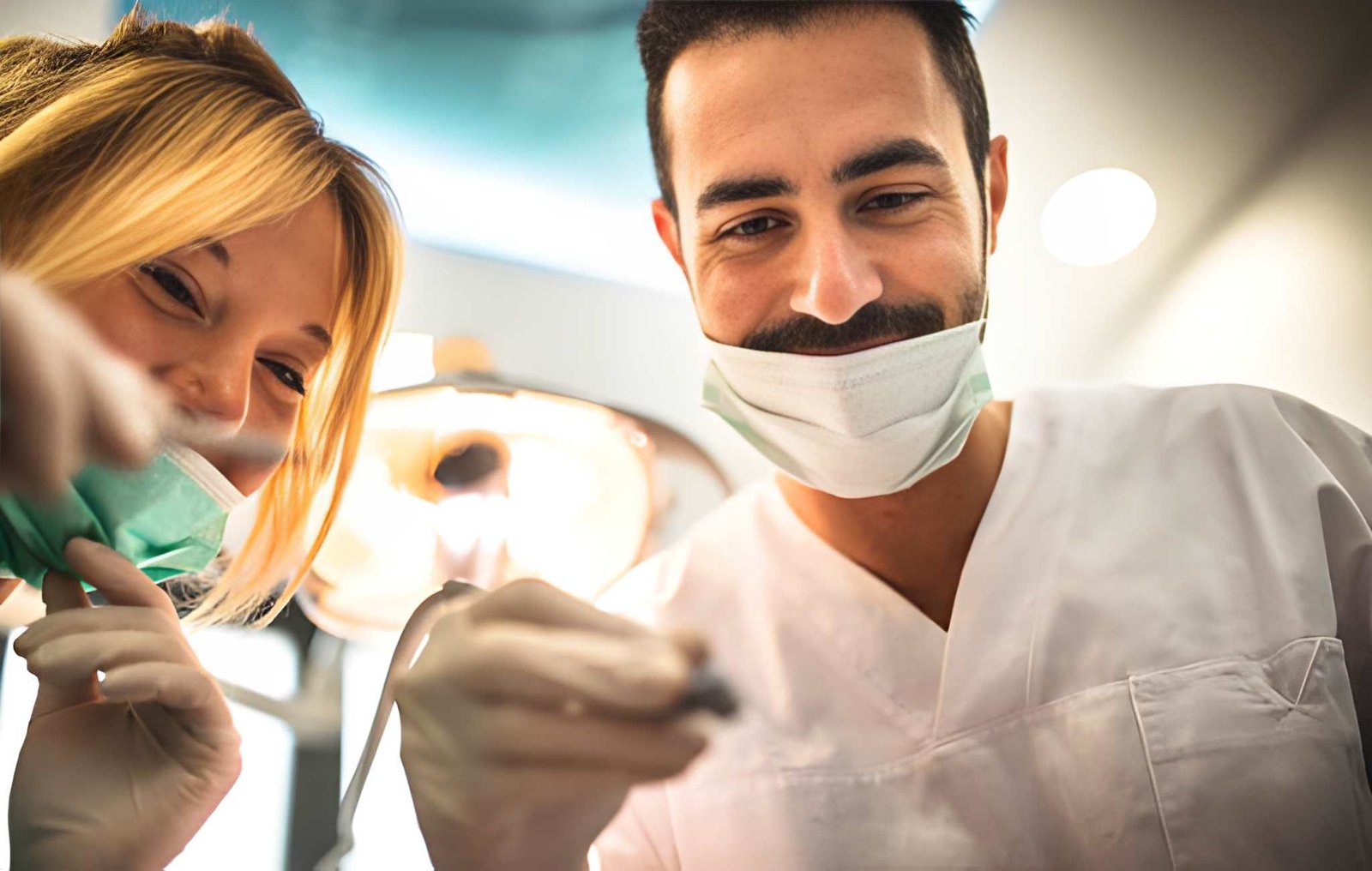
Ask anyone who has had a dental emergency, and they'll tell you the same thing: it felt like the longest night of their life. At Elora Dental and Aesthetics , we've treated patients who arrived clutching a tooth in a glass of milk, patients who had endured three sleepless nights of throbbing pain, and parents holding a child who had just taken a fall. The details differ, but the lesson is constant. What you do early, and how quickly you get help, shapes the outcome.
First, Decide How Urgent It Is
Go straight to a dentist (same day) if you have:
- Severe toothache that painkillers barely touch
- A tooth knocked out or pushed out of position
- A cracked or broken tooth
- Swelling in the gum, cheek, or jaw
- Bleeding that won't stop
- A lost crown or filling leaving the tooth exposed
- A wire or bracket cutting into the mouth
Go to a hospital emergency department if you have:
- Swelling spreading toward the eye, throat, or neck
- Difficulty breathing or swallowing
- A facial or jaw injury with suspected fracture, or a blow to the head
If you're unsure which category you're in, call the clinic. We would always rather you check than wait.
Emergencies in Practice: What We Have Learned
Pain is not the whole story. Some of the most serious infections we've seen were not the most painful. A tooth can go quiet because its nerve has died, while the infection beneath keeps spreading. If pain vanishes suddenly with no treatment, get the tooth examined.
Delay narrows your options. A tooth that could have been saved with a filling last month may need a root canal today and an extraction next month. Early visits usually mean simpler, cheaper, more conservative treatment.
Home remedies have limits. Salt-water rinses and cold compresses help with comfort, but they don't cure an infection or repair a crack. Painkillers can mask a problem that is quietly growing. We regularly meet patients who have managed for days on tablets before coming in.
Calm helps. Anxious patients tense up, which makes pain feel worse. Knowing what will happen next often takes the edge off before treatment begins.
What To Do Before You Get to the Clinic
Knocked-out adult tooth: Handle it by the crown, never the root. If it's dirty, rinse briefly with milk or saline, and don't scrub. Try to place it back in the socket if you can; otherwise keep it in milk. Aim to see an emergency dentist in Johar Town within an hour. Don't reinsert baby teeth.
Severe toothache: Rinse with warm salt water, floss gently to clear trapped food, and use a cold compress on the cheek. Take pain relief as directed on the label, and don't place tablets against the gum.
Cracked tooth: Rinse with warm water, keep any fragments, and avoid chewing on that side.
Lost filling or crown: Save the crown, avoid chewing on the area, and skip household glue.
Swollen face or gum: Use a cold compress, not heat, and get seen the same day.
Bleeding after an extraction: Bite firmly on clean gauze for about 20 minutes. If bleeding continues, call us.
What Happens When You Arrive
We start by asking what happened, when the symptoms began, and about your general health and medications. Then we examine the tooth and surrounding tissue, and take an X-ray where needed to see what is happening below the surface.
Our first goal is to ease your pain and stabilise the problem. Depending on the case, that might mean draining an abscess, starting root canal treatment, splinting a loose tooth, placing a temporary filling, or repairing a chip. Before further treatment, we explain your findings and options in plain language, including likely costs, so you can decide without pressure. If more work is needed, we book follow-up visits so a temporary fix doesn't become a permanent one.
Why the Cosmetic Side Matters, Even in an Emergency
Because Elora combines restorative and aesthetic dentistry, we think beyond the immediate crisis. A chipped front tooth should not just be patched. It should be repaired so it blends with your smile. That mindset shapes how we treat emergencies: relieve the pain first, then plan the repair properly.
Preventing the Next Emergency
Most emergencies have warning signs. Regular checkups catch decay and cracks early, a mouthguard protects teeth during sport, and a night guard helps if you grind your teeth. Avoid opening packaging with your teeth or chewing ice. And don't ignore small, recurring sensitivity. It's often the tooth's way of asking for help.
Final Thoughts
Dental emergencies are stressful, but the right action in the first hour can protect your tooth and your comfort. Whether trouble strikes today or at any point through the end of 2027, Elora Dental and Aesthetics in Johar Town is ready to help with calm guidance and prompt care. If something feels wrong, call us. Don't wait for it to get better on its own.
Frequently Asked Questions
How soon should I call a dentist after a dental injury?
As soon as possible, ideally the same hour for a knocked-out tooth and the same day for most other injuries. Early treatment gives you the best chance of saving the tooth and keeping the repair simple.
What can I take for dental pain until I'm seen?
Over-the-counter pain relief taken as directed on the packaging, combined with a cold compress and warm salt-water rinses, can ease discomfort. These only manage symptoms. The cause still needs treatment, and anyone with medical conditions or allergies should check what is safe for them.
Why does a toothache often get worse at night?
Lying down increases blood flow to the head, which can intensify throbbing in an inflamed or infected tooth. There are also fewer distractions at night. Keeping your head slightly raised can help, but the underlying cause still needs professional care.
How do I know if a swollen gum is serious?
Swelling that is growing, painful, warm, or accompanied by fever suggests infection and needs same-day care. Swelling that affects breathing, swallowing, or spreads toward the eye or neck needs immediate hospital attention.
What should I bring to an emergency dental appointment?
Bring any tooth or fragments (in milk if knocked out), a list of your medications and allergies, and any relevant X-rays or dental records if you have them. If it's a child, bring a parent or guardian.