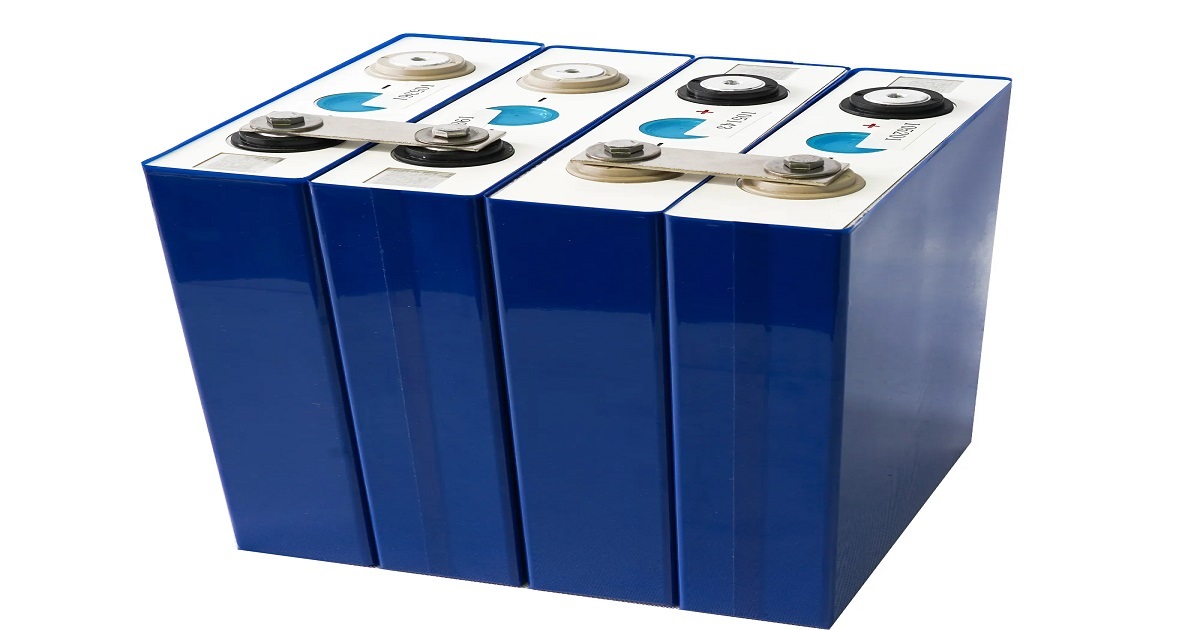
Load-shedding, rising fuel costs, and unpredictable grid supply have pushed millions of Pakistani households and businesses toward solar power and battery backup solutions. But if you checked battery prices a year or two ago and walked away discouraged, it's time to look again. The LiFePO4 battery price in Pakistan has been on a steady downward trend, and understanding why can help you make a smarter investment decision today rather than waiting for "the perfect time" that may never come.
At Alpine Industrial Con, we've watched LiFePO4 Battery Price in Pakistan shift firsthand — from importers to installers, everyone is noticing the same pattern. Lithium iron phosphate batteries, once considered a premium option reserved for large commercial setups, are now becoming accessible for homes, shops, and small industries across the country.
What's Driving Lower Lithium Iron Phosphate Costs Globally
Falling Raw Material and Manufacturing Costs
The biggest reason behind cheaper energy storage solutions worldwide is the drop in raw material costs, particularly lithium, iron phosphate, and graphite. As global mining output has expanded and manufacturing efficiency has improved, production costs for battery cells have fallen sharply compared to previous years.
Massive Global Manufacturing Capacity
China, which produces the vast majority of the world's LiFePO4 cells, has scaled up factory capacity dramatically. This oversupply has created healthy competition among manufacturers, pushing wholesale prices down — a benefit that eventually trickles down to consumers in markets like Pakistan.
Technology Maturity
LiFePO4 chemistry is no longer "new" technology. As production processes have been refined and standardized, defect rates have dropped and yields have improved, meaning manufacturers can produce more usable cells per batch at lower cost.
Why the Pakistani Market Specifically Is Seeing Price Drops
Growing Local Demand and Competition
As solar adoption has surged across Pakistan, more importers, assemblers, and local battery brands have entered the market. This increased competition among sellers has naturally pushed retail rates lower, since customers now have more options to compare before purchasing.
Currency and Import Trends
While the rupee's value against the dollar still affects import costs, bulk importing and improved supply chain relationships have allowed companies like Alpine Industrial Con to negotiate better rates with manufacturers, passing on savings to end users.
Shift Away from Lead-Acid Batteries
More Pakistani consumers are comparing the total cost of ownership between lead-acid and lithium options. Even though the upfront lithium iron phosphate cost in Pakistan may appear higher on paper, its longer lifespan, better efficiency, and lower maintenance needs are making it the smarter long-term choice — and demand for these advantages is reshaping the market.
How Much Are You Actually Saving Compared to Lead-Acid?
A standard lead-acid battery typically lasts 2–3 years under regular solar cycling, while a quality lithium iron phosphate unit can last 8–10 years or more with proper care. When you calculate the cost per year of usage rather than just the sticker price, the value proposition becomes obvious.
A few practical comparisons worth noting:
- Lead-acid batteries lose usable capacity faster as depth of discharge increases, while LiFePO4 units can be discharged deeper without damage.
- Charging cycles for lithium batteries are significantly higher — often 3,000 to 6,000 cycles versus 300–500 for lead-acid.
- Maintenance costs (water top-ups, corrosion issues, ventilation requirements) are virtually eliminated with lithium technology.
Is Now the Right Time to Buy?
Market Timing Considerations
Prices in this segment have been trending downward for a couple of years, but that doesn't mean they'll keep falling indefinitely at the same rate. Once global lithium costs stabilize and demand catches up with supply, the pace of price reductions typically slows. Buying during a downward trend — rather than waiting for an uncertain bottom — often works out better financially, especially when you factor in the electricity savings you start earning immediately.
Seasonal and Local Factors
In Pakistan, demand for solar and battery systems usually peaks during summer months when load-shedding intensifies. Buying during the off-peak season (typically late winter) can sometimes mean better deals, faster installation scheduling, and more attentive customer service from suppliers.
Key Insights and Practical Tips Before You Buy
- Compare cost per kWh, not just upfront price. A slightly more expensive battery with higher capacity and longer lifespan often works out cheaper over time.
- Check the Battery Management System (BMS) quality. A good BMS protects against overcharging, deep discharge, and overheating — critical for Pakistan's hot climate.
- Verify actual cycle life claims. Ask suppliers for test reports or certifications rather than relying on marketing numbers alone.
- Consider warranty terms carefully. Reputable suppliers, including Alpine Industrial Con, typically offer warranties of 5 years or more on genuine lithium iron phosphate units.
- Factor in installation and inverter compatibility. Not all inverters are optimized for lithium chemistry, so confirm compatibility before purchasing.
The downward trend in LiFePO4 battery price in Pakistan reflects a broader global shift toward affordable, efficient, and long-lasting energy storage. Falling raw material costs, increased manufacturing capacity, and growing local competition have combined to make lithium iron phosphate technology more accessible than ever for Pakistani households and businesses. While prices may continue to ease gradually, waiting indefinitely means missing out on years of savings, reliability, and independence from an unstable power grid. If you've been considering an upgrade from lead-acid to lithium, this is a genuinely favorable window to make that move — and working with an experienced supplier like Alpine Industrial Con can help you choose a system that fits your actual power needs and budget.
FAQs
- Why has the LiFePO4 battery price in Pakistan dropped recently?
Global raw material costs have decreased, manufacturing capacity has expanded significantly, and local market competition among importers and suppliers has increased — all contributing to lower retail prices.
- Is a lithium iron phosphate battery really worth it compared to lead-acid?
Yes, in most cases. Despite a higher initial cost, LiFePO4 batteries last significantly longer, require less maintenance, and offer better performance, making them more cost-effective over their lifespan.
- How long does a LiFePO4 battery typically last in Pakistani conditions?
With proper installation and a quality battery management system, these batteries can last 8 to 10 years or more, even accounting for Pakistan's hot climate and frequent charge cycles.
- Will lithium battery prices keep dropping in the future?
Prices may continue to ease slightly as manufacturing efficiency improves, but the sharp downward trend seen in recent years is expected to slow as global demand stabilizes.
- What should I check before buying a lithium battery in Pakistan?
Look at cycle life certifications, BMS quality, warranty length, inverter compatibility, and buy from an established supplier such as Alpine Industrial Con to ensure genuine, reliable products.