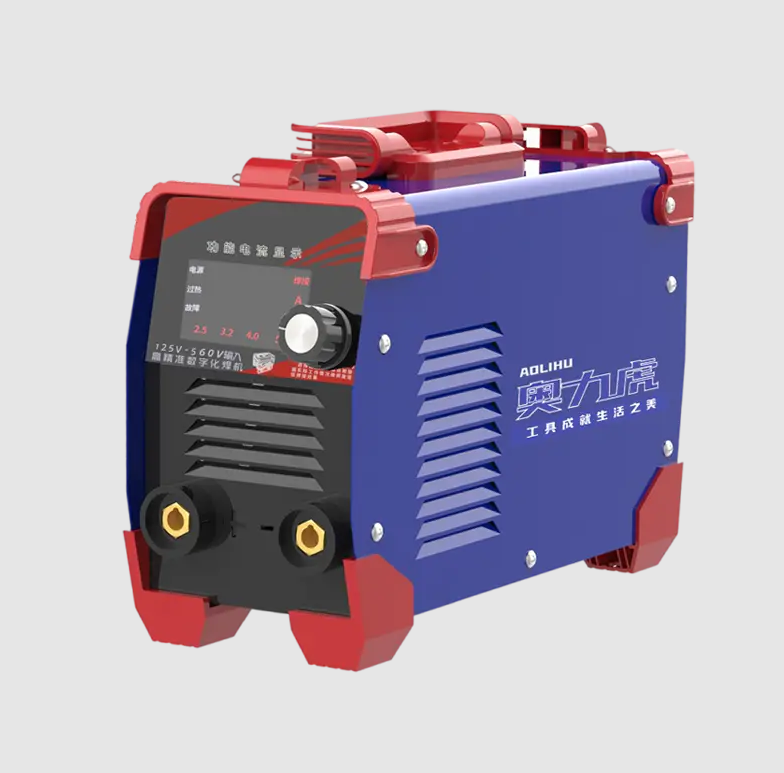
Joining two pieces of metal can involve heat, precision, and careful control. A MIG Welding Machine provides a practical approach by using an electric arc to melt a continuously fed wire electrode. The molten metal forms a weld pool that joins the workpieces as it cools.
MIG welding is commonly associated with a relatively straightforward operating process. The welding gun feeds the wire toward the joint while the machine supplies electrical current. Shielding gas is typically used to protect the weld area from unwanted reactions with surrounding air.
A MIG Welding Machine can be used for different fabrication tasks depending on its configuration, wire type, gas selection, and output range. Steel, stainless steel, and aluminum can be processed when suitable consumables and machine settings are selected.
One useful feature is the continuous wire feed. Instead of stopping frequently to replace a short electrode, the operator can maintain a steady welding process while the wire is supplied from the spool. This can be convenient for production work involving repeated joints.
Current and voltage settings influence the welding process. Thicker materials may require different settings from thin sheets, while wire diameter also affects the relationship between the machine and workpiece. A suitable combination helps control the weld pool and penetration.
The welding gun and wire feeder are also important parts of the system. A stable wire feed can contribute to consistent arc behavior, while gun design can influence how comfortably the operator positions the electrode along the joint.
For B2B buyers, machine specifications should be matched to actual fabrication requirements. Welding current range, duty cycle, wire diameter compatibility, wire feed speed, power supply, shielding gas options, and control functions are useful points to compare.
The intended workspace matters too. A compact MIG Welding Machine may suit small fabrication areas, while production environments can require equipment designed for longer welding cycles and greater output.
MIG welding can appear simple from the outside, but the final result depends on several factors working together. Machine settings, wire selection, gas flow, material thickness, joint design, and operator technique all influence the welding process.
A MIG Welding Machine brings these elements together in one system. For workshops, metal fabrication operations, equipment production, and construction-related work, it can provide a flexible method for creating welded joints across different applications.