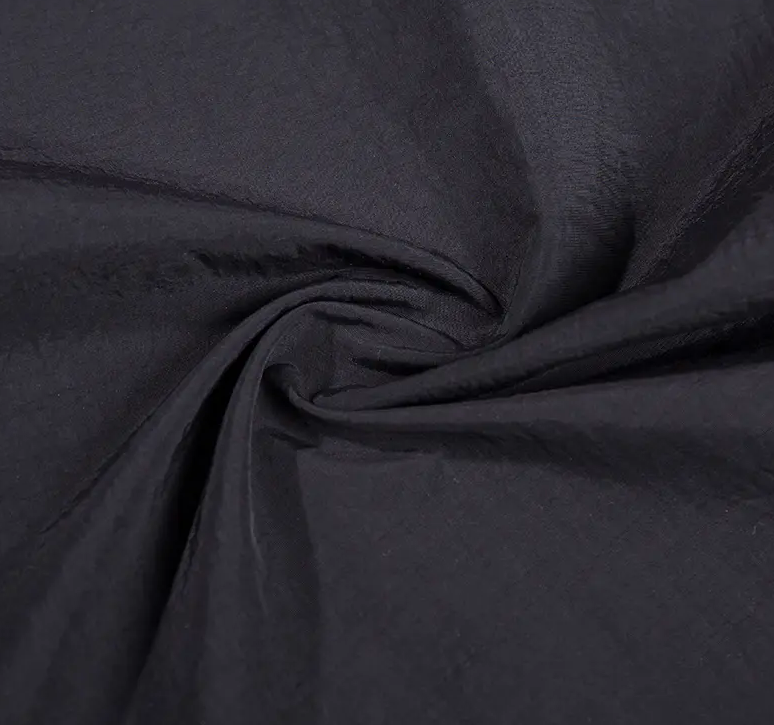
Sunlight feels friendly until the skin starts to sting. Ultraviolet rays travel invisibly, and they reach shoulders, necks, and arms long before anyone notices. That is the reason UV protection fabric has moved from specialty outdoor shops into everyday wardrobes. Shirts, hats, scarves, umbrellas, and even curtains now carry this quiet shield.
So how does UV protection fabric actually work? Two things matter: the yarn and the weave. Tightly woven cloth leaves fewer gaps for rays to slip through. Thicker yarns absorb more light than thin ones. Darker dyes soak up radiation, while pale shades let more of it pass. Some makers also add special compounds to the fibers, such as titanium dioxide or zinc oxide, which scatter and absorb the rays before they touch the skin. Others treat finished cloth with a coating that performs a similar job.
Shoppers often notice a rating printed on the label, known as UPF. A rating of 50 means the cloth lets only a small fraction of rays reach the body. Ordinary cotton in a white T-shirt may offer far less, and it can drop even lower once the fabric gets wet. Knowing that number helps buyers compare products at a glance instead of guessing.
Fiber choice shapes comfort. Polyester and nylon naturally resist rays and dry quickly, which suits runners, cyclists, and beach walkers. Blends with cotton feel softer for casual wear. Bamboo and linen options appeal to people who prefer natural textures, though weave density still decides how much protection arrives.
Where does UV protection fabric shine? Fishing trips come to mind, since hours on open water mean rays bounce up from the surface as well as beaming down from above. Hiking, gardening, and school sports days are other good matches. Parents like long-sleeve swim tops for children, because a rash guard lets kids splash for hours without constant reapplication of cream. Drivers benefit too, since side windows do not block every ray, and a light layer on the arms brings calm.
Design has improved as well. Early sun shirts looked stiff and boxy. Current versions stretch, breathe, and drape neatly. Vents under the arms, hoods with neck flaps, and thumb loops on sleeves add coverage without adding heat. Pale blues, warm coral, and forest green make these garments look like ordinary clothes rather than gear.
Choosing well takes only a few questions. What activity will fill the day? How hot will the air feel? Does the cloth carry a clear UPF label? Answer those, and the right piece is easy to find. UV protection fabric asks nothing of the wearer except putting it on, and that simplicity is exactly why so many people reach for it.