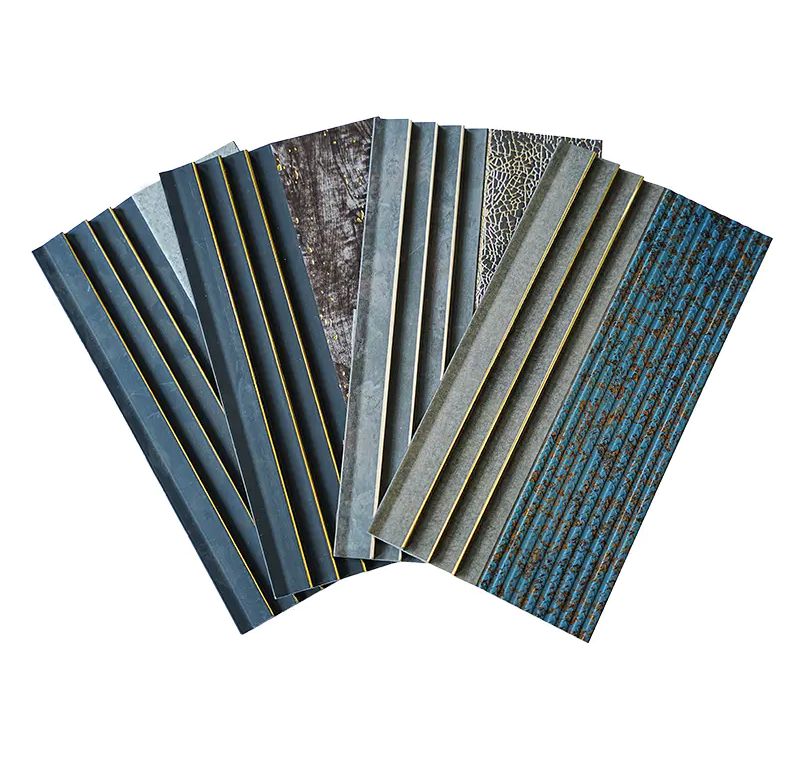
Paint has ruled walls for centuries, so why are so many shop owners, hotel managers, and interior contractors turning to a PS panel wall? The short answer is texture. Paint gives color; boards give color plus depth, rhythm, and a sense of craft. Step into a boutique with fluted panels behind the counter and the room feels planned, even before a single product catches the eye.
Commercial spaces reveal the material's strengths. Restaurants need walls that look warm under dim lighting. Salons need surfaces that wipe clean after spray and steam. Gyms need finishes that survive bumps from equipment bags. Hotels need corridors that feel welcoming across hundreds of identical rooms. A PS panel wall meets each of these briefs, because the boards come in repeating modules that install quickly and match neatly from one room to the next.
Buyers tend to ask the same handful of questions. Thickness comes first. Thinner boards bend gently around curved columns, which suits rounded reception desks and arched entrances. Thicker boards resist dents and feel more solid under a knock, making them better for high-traffic hallways. Width and length follow, since larger boards cover more area per piece and leave fewer seams. Then comes surface finish: matte hides fingerprints, gloss reflects light, and embossed grain hides small scuffs.
Fire behavior is another topic buyers raise, and it deserves honesty. Plastic boards should be selected in grades suited to the space, and local building requirements decide what is allowed. Ask your supplier for the grade details, and confirm with the project's designer before placing an order.
Compared with paint, a PS panel wall costs more time at the start but saves time later in the project. No primer, no drying between coats, no ladder marathon with a roller. Boards arrive finished, so the wall is ready the moment the last piece sits in place. Paint still wins for tiny budgets and quick touch-ups, while boards win when the goal is a statement wall that people photograph.
Wholesalers often bundle accessories alongside boards: corner trims, end caps, adhesive, and clips. Offering everything in one order spares contractors from hunting across several suppliers. Clear photos, sample chips, and accurate dimension tables help customers decide quickly, and repeat orders follow when the first project goes smoothly.
Designers enjoy mixing materials too. A PS panel wall beside glass, concrete, or brass looks crisp. Combined with plants and warm lamps, it softens hard edges. Whatever the setting, the idea stays simple: take an ordinary wall, give it structure, and let light do the rest.