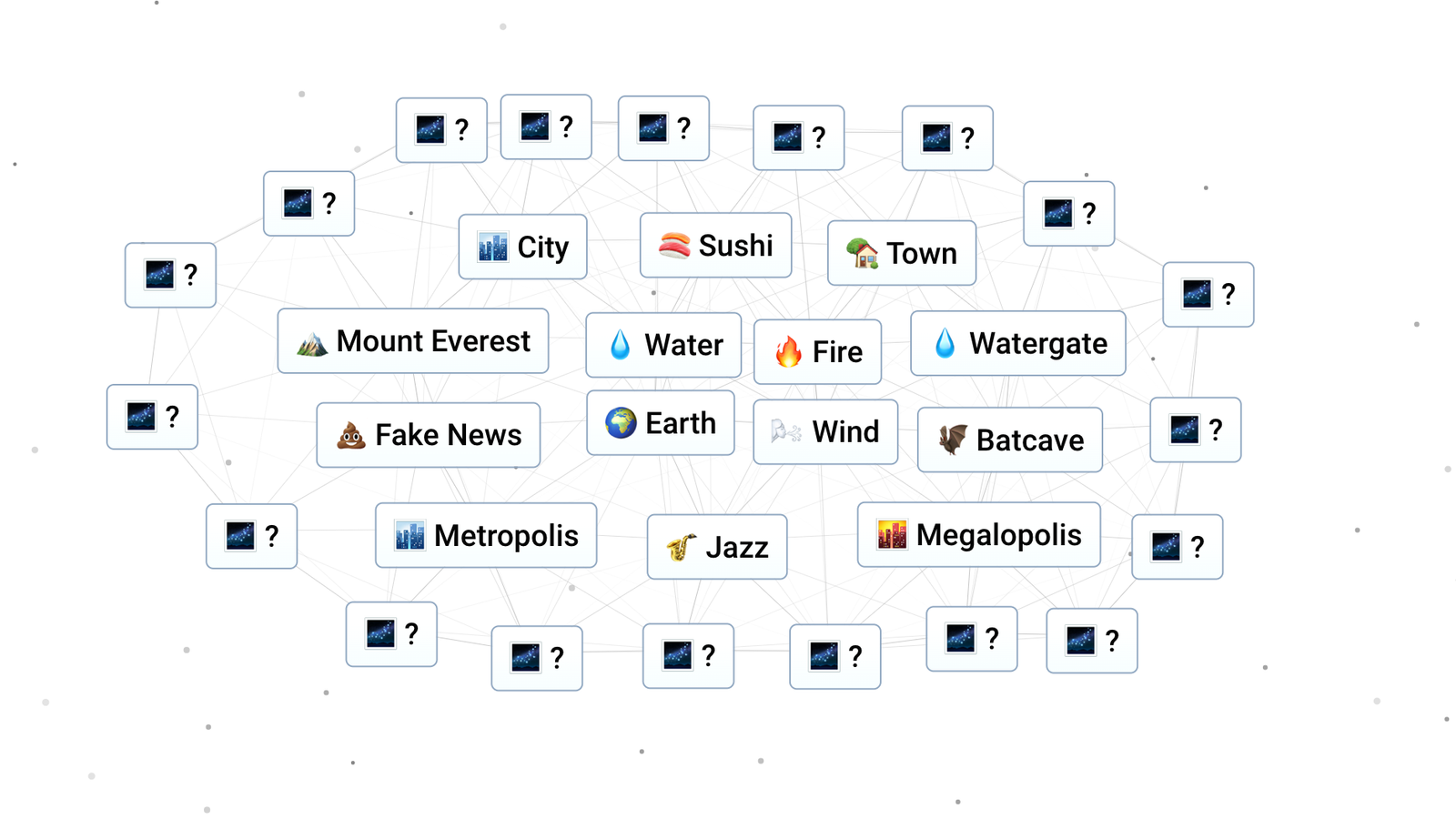
I honestly thought I’d play Infinite Craft for like five minutes. You know the vibe: open a browser game, click around, maybe mash a couple things together, then move on with my day.
But Infinite Craft hooked me fast. Not in a “do this, unlock that, check the box” kind of way. More like… I kept getting that itch behind my brain—what happens if I combine these two? And then the game would answer, not always with something obvious, but with something that made me want to try one more combination immediately after.
The moment I realized it wasn’t going to be “just a game”
Infinite Craft is a creative browser game built around element combinations. You start with Water, Fire, Earth, and Wind, and then you drag elements onto the crafting board to see what you can discover.
At first I was just treating it like a tiny chemistry doodle. I’d put down two elements, wait for the result, and feel smug when something made sense. Water + Fire? Probably something like steam, right? Earth + Wind? Maybe dust. I had this little mental checklist going.
Then I discovered how much the game refuses to be predictable.
In this browser version, repeating the same pair can sometimes produce a different result. So I couldn’t “solve” it once and move on. I’d get something new, but if I tried again later, I might get something else entirely. That little uncertainty made the whole thing feel alive. It also meant my brain kept leaning toward experimentation instead of memorizing.
The wild part is that the new discoveries don’t just sit there as a one-time pop-up. They get added to my collection—so every result becomes a tool for the next experiment.
And the collection itself starts to feel like my own personal cabinet of weird ideas. I could scroll through it, but honestly, I’d get impatient and use the search function a lot. There’s also a way to sort discoveries by emoji, which sounds silly until you realize it’s surprisingly helpful when you’re staring at a growing list of “what even is this?” entries.
Experimenting felt like building a chain of “what if?”
What really pulled me in wasn’t chasing a single goal. It was the loop: create a discovery → use that discovery in another combination → get something unexpected → immediately wonder what happens next.
The board is basically my playground. Two elements can be dragged together to create a new discovery, and then that result becomes part of the next round. It’s simple on paper, but emotionally it’s not simple at all—because you’re constantly testing tiny theories.
I probably spent way too long trying combinations that felt like they should produce something familiar. Like I’d see an element that sounded related and think, “Okay, surely this will connect.” Sometimes it did! And sometimes it very much did not. One time I combined two things expecting an obvious outcome, and instead I got something that felt completely off the trail—yet somehow that “wrong” result was exactly what made me go back and try again.
I kept thinking, “Wait… if that happened, what else could this lead to?” There’s no final objective you have to complete. Instead, I just kept finding new branches to explore, and the open-ended crafting system meant there was always another direction to try.
What surprised me most about Infinite Craft
The biggest surprise was how much personality the process has. Infinite Craft game mechanics aren’t about following one fixed path. It’s more like exploring a space where you don’t know the rules yet, but you can slowly notice patterns.
Also, the fact that I could retry a familiar combination and get a different result made it feel less like I was playing “a recipe game” and more like I was running little creative experiments. Even if I didn’t understand why the game did what it did, the outcome still felt meaningful because it expanded my collection.
And when my crafting board got cluttered with stuff I was done testing, I loved having options. The broom can clear the crafting board without deleting discoveries—so I could reset the workspace without losing my progress. And if I really wanted to remove something from my collection, the trash tool lets you delete a selected discovery. That balance made it easy to stay curious without feeling like my list was getting out of hand.
Casual tips I learned while getting way too invested
The main thing I learned: treat combinations like inspiration, not strict instructions. In this browser version, repeating the same pair can sometimes produce different results, so “I tried it once” shouldn’t end the idea.
When my collection got big, I relied on the search function to jump straight to the elements I needed instead of scrolling forever. And sorting by emoji helped me quickly group discoveries in a way that matched how my brain was working that day.
Finally: don’t be afraid to clear the board with the broom. It’s a nice reminder that you can experiment freely without permanently committing to a messy workspace.
Closing thoughts: come try Infinite Craft with me
If you like creative games, browser games, and that satisfying feeling of discovering something you didn’t plan for, Infinite Craft is honestly a great way to kill time that turns into “oops, I’ve been here a while.”
If you want, try Infinite Craft yourself and keep an eye out for those moments where a combination goes sideways—in my experience, that’s often where the best new experiments start. And if you end up with some unexpectedly cool discoveries, message me (or come play together) so we can compare what we found and see who can come up with the most unexpected element combinations.