Wisdom teeth are the last set of molars to develop and usually appear between the ages of 17 and 25. While some people have no problems with them, others may experience pain, swelling, infection, gum problems, or pressure on nearby teeth. When a wisdom tooth becomes impacted, grows sideways, or does not have enough room to erupt properly, Wisdom Tooth Extraction may be recommended to protect your oral health.
At Smylift Dental, patients receive personalized dental care supported by modern diagnostic technology, experienced oral surgeons, and comfortable treatment techniques. The clinic uses digital 3D imaging, advanced anesthesia options, and microsurgical techniques to help make the extraction process precise and comfortable.
What Is Wisdom Tooth Extraction?
Wisdom Tooth Extraction is a dental procedure used to remove one or more problematic third molars. Not every wisdom tooth needs to be removed. However, extraction may be considered when a tooth is impacted, partially erupted, repeatedly infected, or causing problems for surrounding teeth.
Common signs that may indicate a need for evaluation include:
- Pain or swelling at the back of the mouth
- Tender or infected gums
- Difficulty opening the mouth
- Food getting trapped around the wisdom tooth
- Persistent bad breath or unpleasant taste
Early evaluation can help identify potential problems before they become more complicated.
Why Choose Professional Wisdom Tooth Removal?
A problematic wisdom tooth can affect more than just your comfort. If left untreated, it may contribute to recurring infections, decay in neighboring molars, bone damage, cyst formation, or dental crowding.
Smylift Dental uses 3D imaging to assess the position of the tooth and plan treatment. The clinic also offers local anesthesia and conscious sedation options depending on the patient's needs and treatment plan.
The goal is simple: provide carefully planned treatment while prioritizing patient comfort and recovery.
Wisdom Tooth Extraction Process at Smylift Dental
1. Consultation and Digital Imaging
The dentist evaluates your teeth and uses digital 3D imaging to understand the position of the wisdom tooth and its relationship with surrounding structures.
2. Anesthesia and Comfort Management
Local anesthesia or conscious sedation may be used based on your procedure and comfort requirements. This helps make the treatment experience more relaxed.
3. Precise Extraction
Specialized instruments and microsurgical techniques are used to carefully loosen and remove the wisdom tooth. The complexity and duration of treatment can vary depending on the position of the tooth.
Wisdom Teeth and Orthodontic Treatment
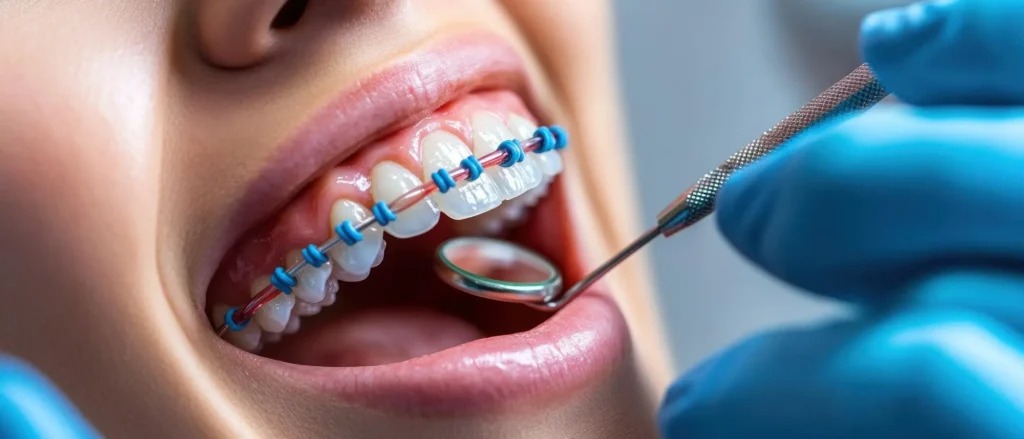
Wisdom teeth can sometimes be discussed alongside orthodontic treatments Dental Braces and Clear Aligners. Orthodontic treatment focuses on improving tooth alignment and bite, while wisdom tooth extraction addresses problematic third molars.
If you are considering braces or clear aligners, your dentist or orthodontist can evaluate your overall dental condition and determine whether your wisdom teeth require attention before, during, or after orthodontic treatment. Every patient's dental needs are different, so a professional examination is important before deciding on any treatment.
Conclusion
Wisdom teeth do not always need to be removed, but problematic or impacted teeth can cause pain, infection, and damage to surrounding teeth. Timely evaluation helps your dentist determine whether extraction is necessary. Whether you need Wisdom Tooth Extraction, or are considering Clear Aligners, professional dental guidance can help you choose the right approach for your smile. Ignoring recurring wisdom tooth pain may allow an underlying problem to continue. An impacted or improperly positioned wisdom tooth can potentially contribute to infection, damage to nearby teeth, decay, or other complications.