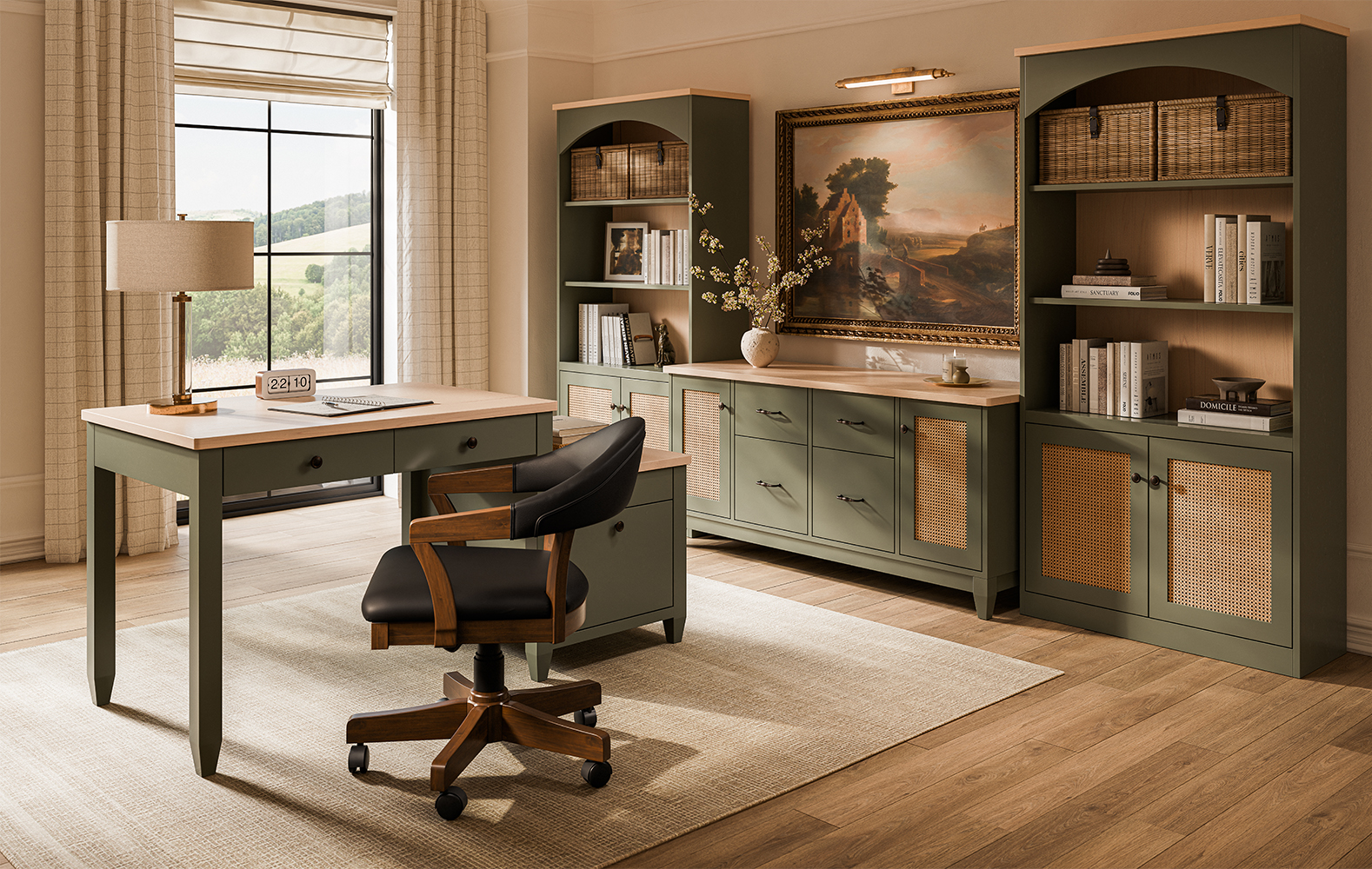
A well-designed home office should balance comfort, durability, functionality, and visual appeal. Choosing the best wood for home office furniture can make a major difference in how your workspace looks and performs over time. From desks and bookcases to filing cabinets and storage furniture, the type of wood affects strength, maintenance, appearance, and longevity. In American homes, where home offices are increasingly used for remote work, studying, creative projects, and business activities, selecting suitable wood is an important investment.
Different wood species offer different characteristics. Oak is known for strength and traditional appeal, walnut provides a rich and sophisticated appearance, maple offers a clean and modern look, while pine can be an affordable option for casual workspaces. Understanding these differences can help homeowners choose furniture that complements their interior design while meeting practical office needs.
Why Wood Matters for Home Office Furniture
Wood is one of the most popular materials for home office furniture because it combines durability with timeless style. A quality wooden desk can support computers, monitors, books, office equipment, and everyday accessories without compromising stability. Wooden shelving can also handle substantial storage demands when properly constructed.
The material influences more than just strength. Wood grain, color, texture, and finish contribute significantly to the atmosphere of a workspace. A warm oak desk can create a traditional environment, while walnut furniture can make an office feel refined and professional. Lighter woods such as maple can help create an airy appearance in smaller rooms.
For homeowners in cities such as Chicago, New York, Dallas, or Los Angeles, wood furniture can also complement a wide range of American interior styles. Whether the office is part of a dedicated room or a compact corner of a living space, choosing the right wood can help create a cohesive environment.
Oak for Strength and Everyday Use
Oak is one of the most reliable choices for home office furniture. It is a hardwood valued for its strength, attractive grain patterns, and ability to withstand regular use. Oak desks, bookcases, cabinets, and tables can remain functional for many years when properly maintained.
Red oak and white oak are two common varieties used in furniture manufacturing. Red oak generally has warmer reddish tones, while white oak often features a more neutral and subtle appearance. Both can work well in traditional, farmhouse, rustic, transitional, and contemporary interiors.
Oak is particularly suitable for people who want a durable home office desk. Its relatively hard surface can handle daily writing, computer equipment, and office accessories. It also responds well to different stains and finishes, allowing homeowners to coordinate furniture with existing décor.
Walnut for a Sophisticated Home Office
Walnut is an excellent choice for homeowners who prioritize elegance and distinctive appearance. Its deep brown tones and naturally attractive grain give furniture a luxurious character without requiring excessive decoration.
Walnut desks are particularly popular for executive-style home offices. The darker wood can create a professional atmosphere and pair beautifully with leather office chairs, metal hardware, neutral walls, and warm lighting.
Although walnut is generally more expensive than some other wood options, its appearance and durability can justify the investment for homeowners looking for premium furniture. A walnut bookcase, writing desk, or storage cabinet can also become a central design feature in a room.
Maple for a Clean and Modern Look
Maple is another hardwood that works well for home office furniture. It is recognized for its light color, relatively uniform grain, and smooth appearance. These characteristics make maple particularly suitable for modern and minimalist workspaces.
Because lighter furniture can make a room feel more open, maple can be a useful option for smaller home offices. It works well with white walls, neutral carpeting, contemporary lighting, and simple decorative elements.
Maple is also durable enough for everyday furniture applications. A maple desk can provide a sturdy work surface, while maple cabinets and shelving can offer practical storage without making the room appear visually heavy.
Cherry Wood for Warm Traditional Interiors
Cherry wood has long been associated with quality furniture and traditional American interiors. Its warm reddish-brown color and smooth grain give home office furniture an inviting and refined appearance.
Cherry naturally darkens with age and exposure to light, which can add character over time. It is an appealing choice for homeowners who appreciate furniture that develops a richer appearance rather than remaining exactly the same throughout its lifespan.
Cherry desks, bookcases, and filing cabinets can work particularly well in classic home offices. They can be paired with traditional office chairs, framed artwork, brass hardware, and warm lighting to create a comfortable professional environment.
Pine for Affordable Home Office Furniture
Pine is a softwood that can be an attractive option when budget is an important consideration. It is generally more affordable than premium hardwoods and has a naturally warm, casual appearance.
Pine furniture works particularly well in rustic, farmhouse, cottage, and informal home office settings. Its visible knots and natural character can give a workspace a relaxed feel.
Because pine is softer than hardwoods such as oak or maple, it can be more susceptible to dents and scratches. For this reason, it may be better suited to lighter office use or homeowners who appreciate the natural character that develops through everyday wear.
Reclaimed Wood for Character and Sustainability
Reclaimed wood can bring a distinctive character to a home office. Furniture made from reclaimed timber may feature visible grain variations, weathering, knots, and other natural details that make every piece visually unique.
This type of furniture can work especially well in rustic, industrial, farmhouse, and eclectic interiors. A reclaimed wood desk paired with metal legs can create a striking contemporary-industrial workspace.
For environmentally conscious homeowners, reclaimed wood may also be appealing because it gives previously used timber another purpose. However, quality and construction should always be considered when purchasing reclaimed furniture.
Solid Wood Versus Engineered Wood
When shopping for home office furniture, homeowners often encounter both solid wood and engineered wood products. Understanding the difference can make the purchasing decision easier.
Solid wood furniture is manufactured primarily from natural wood and is valued for durability, repairability, and distinctive grain patterns. High-quality solid wood desks and cabinets can potentially remain in use for generations with appropriate care.
Engineered wood includes materials such as plywood, MDF, and particleboard. These products are manufactured from wood fibers, layers, or particles and can provide consistent surfaces at different price points. Some engineered wood products are particularly useful for office furniture because they offer stability and predictable dimensions.
The best choice depends on budget, intended use, design preferences, and construction quality. A well-made piece of engineered wood furniture can be practical, while premium solid wood furniture may provide greater longevity and character.
Choosing Wood Based on Your Office Style
The best wood is not necessarily the most expensive wood. It should complement the room and support the way the space is used.
For a traditional office, oak, cherry, and walnut can provide warmth and timeless appeal. Contemporary offices may benefit from maple or lighter oak finishes. Rustic offices can incorporate pine or reclaimed wood, while sophisticated executive spaces often look excellent with walnut.
Color also matters. Dark furniture can create a dramatic and professional environment, while lighter wood can make a compact office feel more spacious. Before purchasing a desk or storage piece, consider the flooring, wall color, lighting, and other furniture already present in the room.
Selecting the Right Wood for a Home Office Desk
A desk is usually the most important piece of furniture in a home office, so its construction deserves careful attention. Consider how much equipment will be placed on the surface and how frequently the desk will be used.
Someone working remotely every day may benefit from a durable hardwood desk with enough room for multiple monitors, a keyboard, documents, and other equipment. A student may have different requirements and could prioritize affordability and storage.
The finish is also important. A properly finished wood surface can help protect against moisture, stains, and everyday wear. Homeowners should also consider whether the desk has sufficient legroom, storage, cable management, and workspace before focusing solely on the wood species.
Wood for Office Bookcases and Storage
Bookcases and storage cabinets need to support the weight of books, files, electronics, and decorative objects. Hardwood options such as oak and maple are excellent choices for heavy-duty storage.
For large bookcases, construction quality is just as important as the wood species. Strong joints, stable shelves, appropriate thickness, and secure backing can all influence performance.
Homeowners should also think about how the furniture will be positioned. Tall shelving should be properly secured, particularly in households with children or pets. Good storage design can help keep an office organized while allowing the natural beauty of wood to remain visible.
Caring for Wooden Home Office Furniture
Proper maintenance can extend the life of wooden furniture. Dust should be removed regularly using appropriate soft cleaning materials. Spills should be addressed promptly rather than allowing moisture to remain on the surface.
Direct sunlight can gradually affect certain wood finishes, so furniture should be positioned carefully when possible. Excessive humidity and very dry conditions can also affect natural wood over time.
Using desk mats, coasters, and protective accessories can reduce scratches and stains. Harsh cleaning chemicals should generally be avoided unless specifically recommended for the furniture's finish.
Where to Find Quality Wooden Office Furniture in the USA
American homeowners have many options when shopping for home office furniture, from local furniture stores and specialty retailers to custom furniture makers. Local shopping can make it easier to examine the wood grain, construction, finish, dimensions, and overall quality before making a purchase.
For shoppers in the Chicago area, including communities such as Oak Park, Western Springs, and Hinsdale, visiting a furniture showroom can be especially useful when comparing different wood styles. Seeing furniture in person allows buyers to evaluate details that may not be obvious in product photographs.
Making a Long-Term Furniture Investment
Home office furniture should be selected with both current and future needs in mind. A desk that works today may become inadequate if work equipment expands or the office begins serving multiple purposes.
Choosing durable wood and timeless styling can make furniture easier to keep for many years. Instead of following short-lived trends, homeowners can select pieces with versatile finishes and practical designs.
A well-made wooden desk or storage cabinet can also be refinished or updated in some cases, helping it adapt to changing décor. This can make quality wood furniture a worthwhile long-term investment.
Conclusion
Choosing the right wood for a home office involves balancing durability, appearance, budget, maintenance, and personal style. Oak is a dependable choice for everyday durability, walnut offers sophisticated character, maple provides a clean contemporary appearance, cherry brings traditional warmth, and pine can deliver affordability and rustic charm. Reclaimed wood offers another option for homeowners seeking distinctive character.
The ideal furniture should also match the size and purpose of the workspace. Whether furnishing a dedicated office in a Chicago-area home or creating a small workstation elsewhere in the USA, quality construction and practical design should remain priorities. With thoughtful selection, wooden office furniture can provide a comfortable, attractive, and productive workspace for years. Crafters and Weavers offers inspiration for homeowners looking to bring quality, character, and timeless furniture design into their living spaces.
Frequently Asked Questions
What is the best wood for a home office desk?
Oak, walnut, maple, and cherry are excellent choices because they offer durability and attractive finishes. The best option depends on your budget, office style, and expected daily use.
Is solid wood better than engineered wood?
Solid wood is valued for durability, natural character, and long-term repairability. Engineered wood can be more affordable and dimensionally stable, making it practical for many home office applications.
Is oak good for home office furniture?
Yes. Oak is strong, versatile, and widely used for desks, bookcases, cabinets, and tables. Its natural grain works with both traditional and contemporary interior designs.
Which wood is best for a small home office?
Lighter woods such as maple and light oak can help a small office feel brighter and more spacious. Furniture with a simple design can further reduce visual clutter.
How can wooden office furniture last longer?
Regular dusting, prompt spill cleanup, protection from excessive moisture and sunlight, and suitable cleaning products can help preserve wooden furniture. Using mats and coasters can also reduce everyday wear.