What's inside
- Why Oaxaca Is a Photographer's City
- Best Photo Spots
- Street Photography and Markets
- When to Go
- What to Pack
- Photographing People Respectfully
- Frequently Asked Questions
This guide covers the best photo spots, the right timing and the practical details that make the trip smoother. For a full location-by-location breakdown, the Oaxaca Photography Guide goes deeper on where to stand and what to bring.
Why Oaxaca Is a Photographer's City
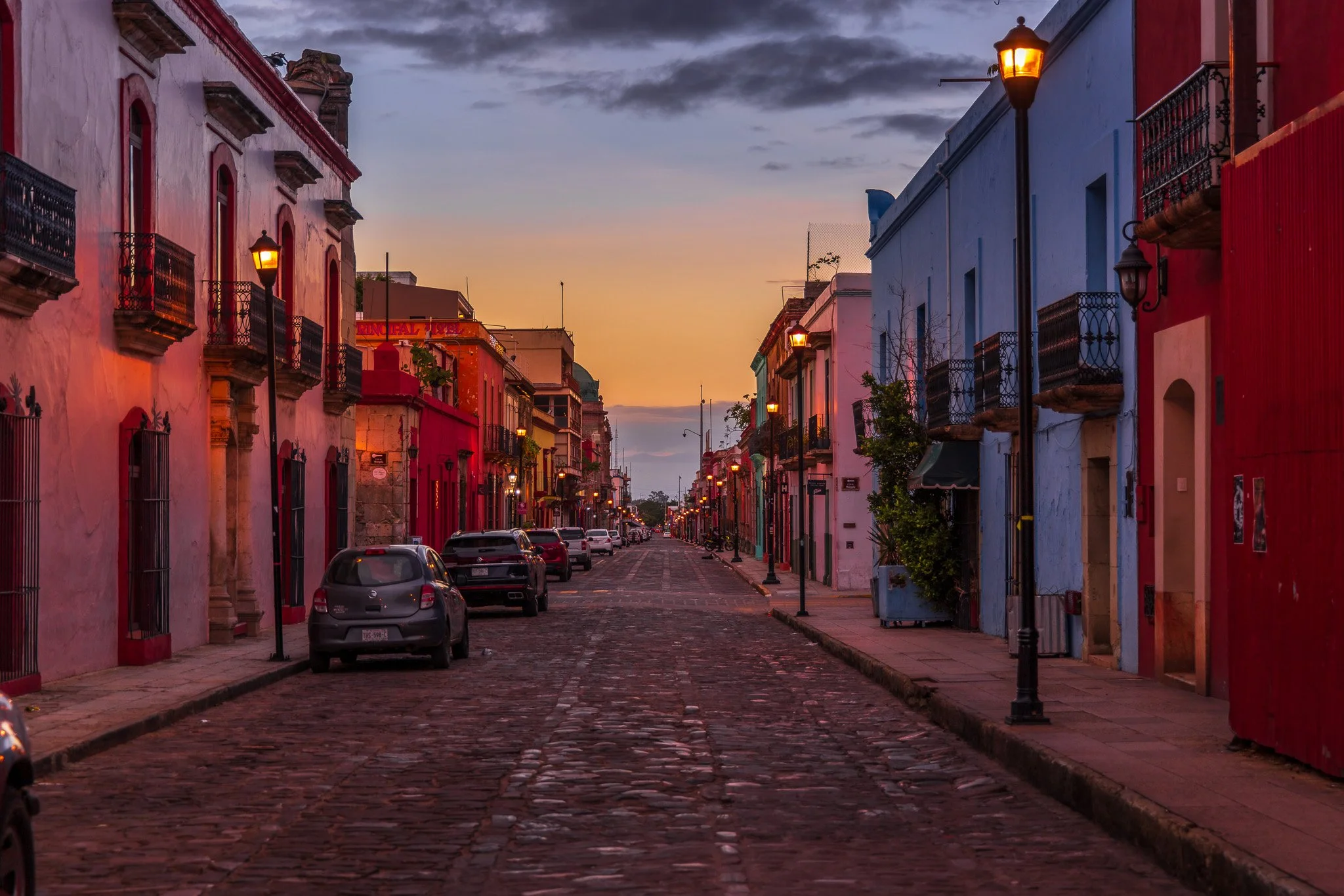
Oaxaca packs an unusual range into a compact area. The historic center is walkable and full of color, craft traditions are alive in nearby villages, and the food and festival culture give you constant subject matter. The city and the ruins of Monte Albán are together a UNESCO World Heritage site, so history is part of the frame wherever you point your camera.
Best Photo Spots
Monte Albán
This ancient Zapotec site sits on a hilltop above the city, with wide plazas, stepped platforms and long views across the valley. Arrive as early as you can, when the light is low and the stone looks warm. A wide-angle lens handles the scale, and people on the steps give a sense of size.
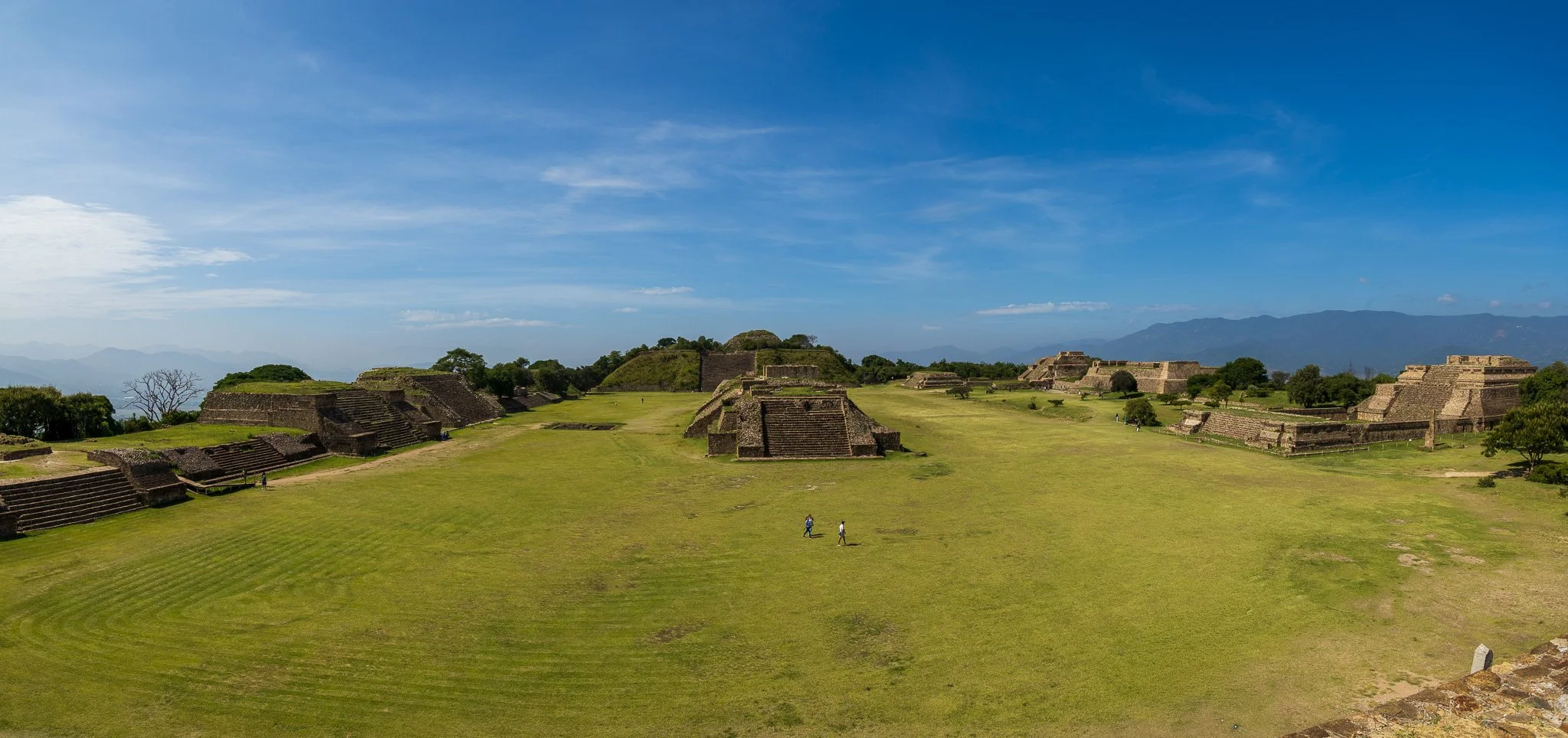 The plaza and pyramids at Monte Albán. Photo: Vito L. Tanzi / Chasing Hippoz
Churches and the historic center
Santo Domingo de Guzmán is the most photographed building in the city, and its gilded interior reward a steady hand and a fast lens. Exteriors look best in the soft light of early morning or just before sunset. Check whether photography or tripods are allowed inside before you set up.
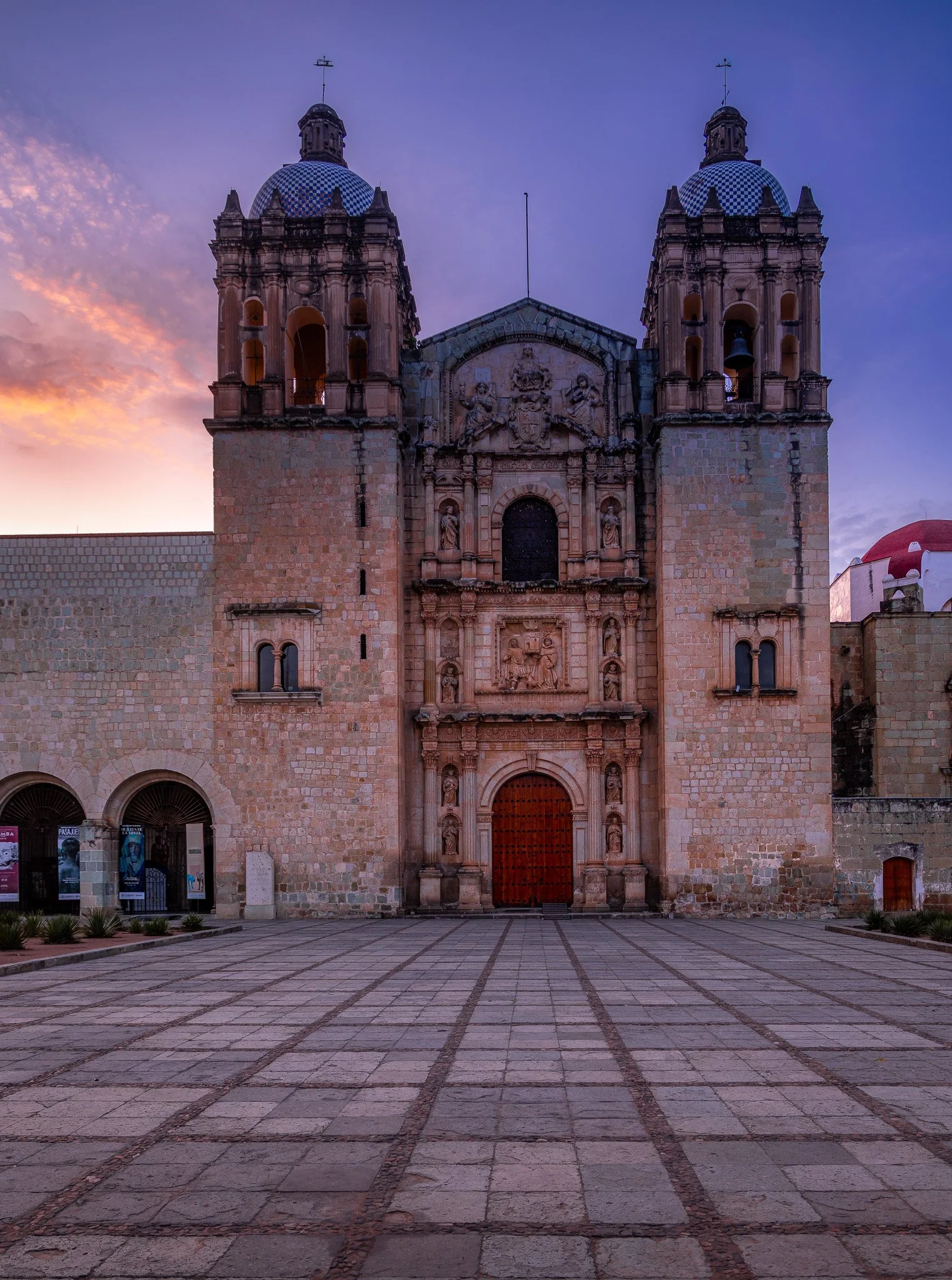 Santo Domingo de Guzmán, Oaxaca. Photo: Vito L. Tanzi / Chasing Hippoz
Gardens, courtyards and craft villages
The Jardín Etnobotánico behind Santo Domingo, tucked courtyards and nearby weaving villages offer quieter scenes away from the crowds. Entry to the botanical garden is usually by guided tour at set times, so check the schedule locally, and visit in the morning for gentler light, and plan a half day for a craft village if you want portraits and detail shots of traditional work.
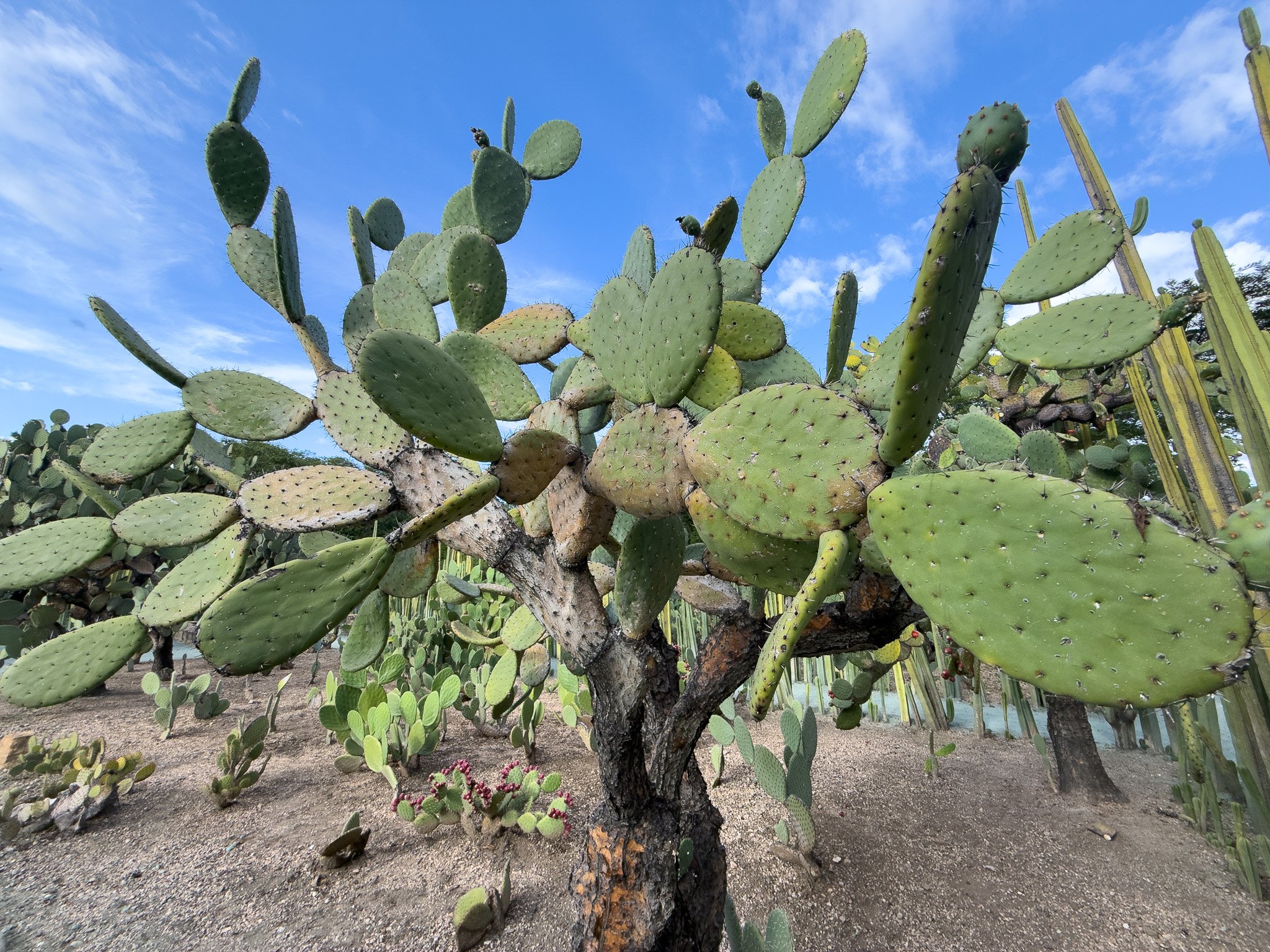 Cactus and native plants in the Jardín Etnobotánico. Photo: Vito L. Tanzi / Chasing Hippoz
Street Photography and Markets
Oaxaca is one of the easiest cities in Mexico for candid street photography. Vendors, musicians and families fill the plazas, and markets give you color, texture and character in every direction. Walk slowly, stay curious, and let scenes come to you rather than chasing them.
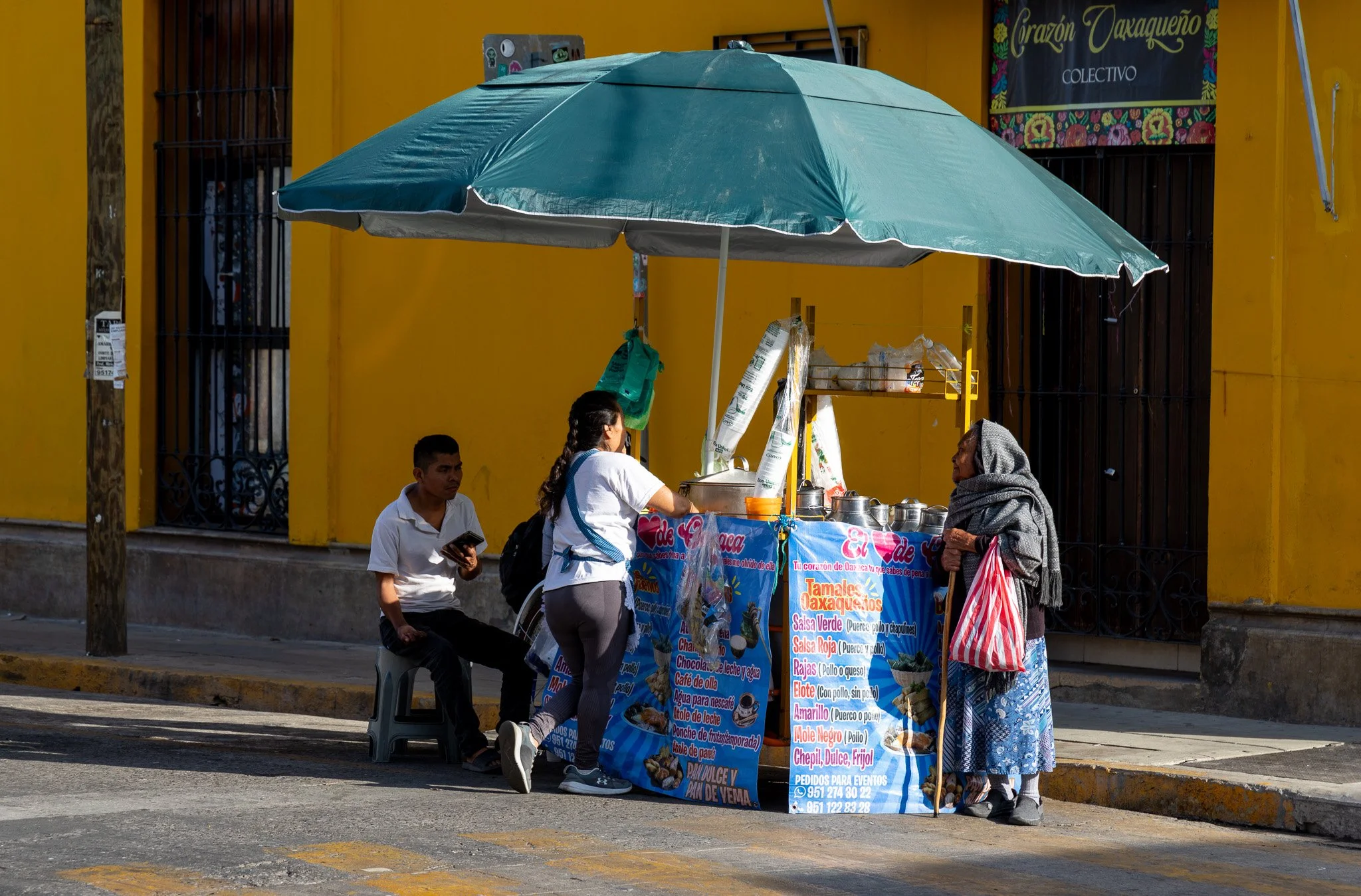 Market scenes are some of the richest subjects in the city. Photo: Vito L. Tanzi / Chasing Hippoz
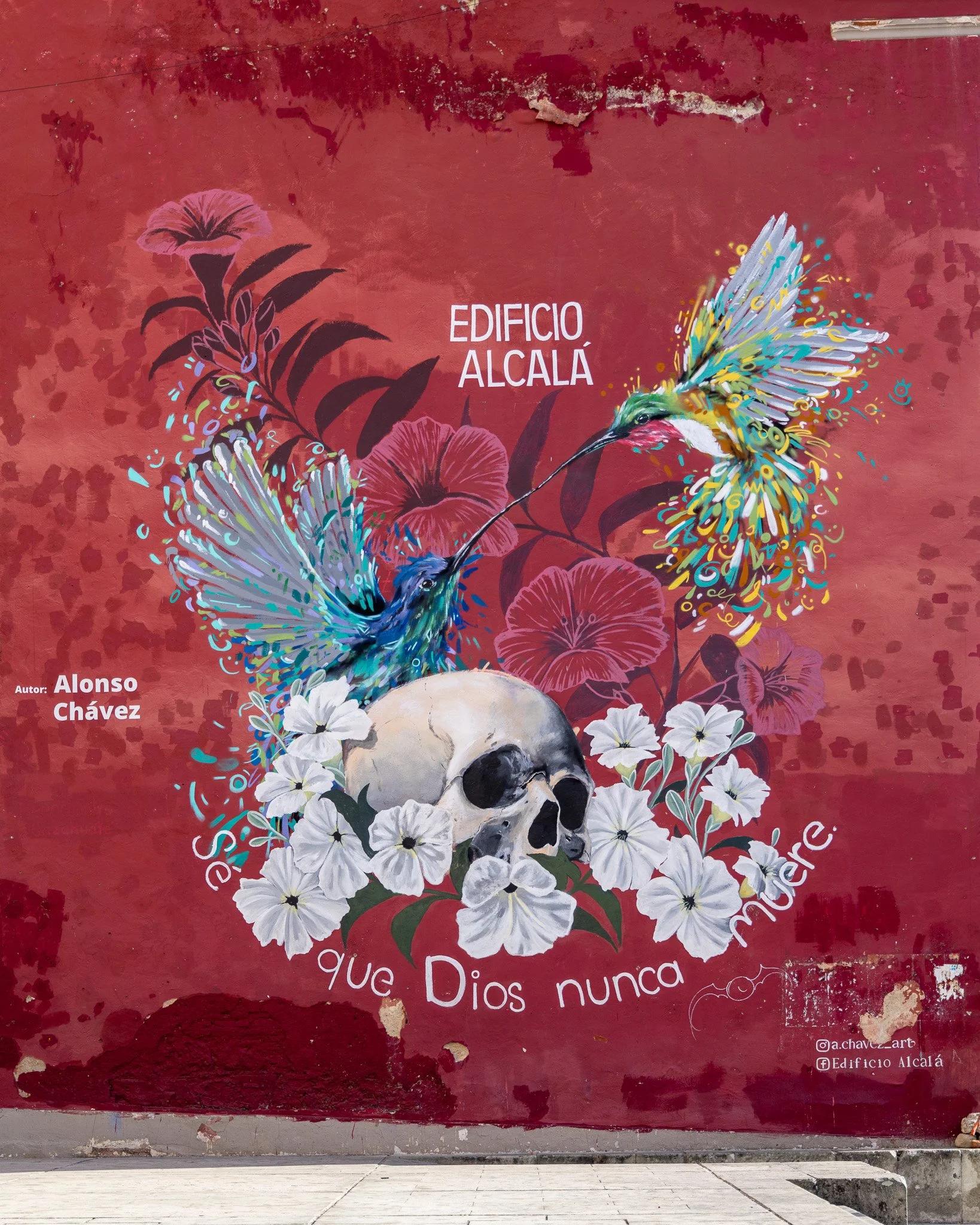 Street art in the historic center. Photo: Vito L. Tanzi / Chasing Hippoz
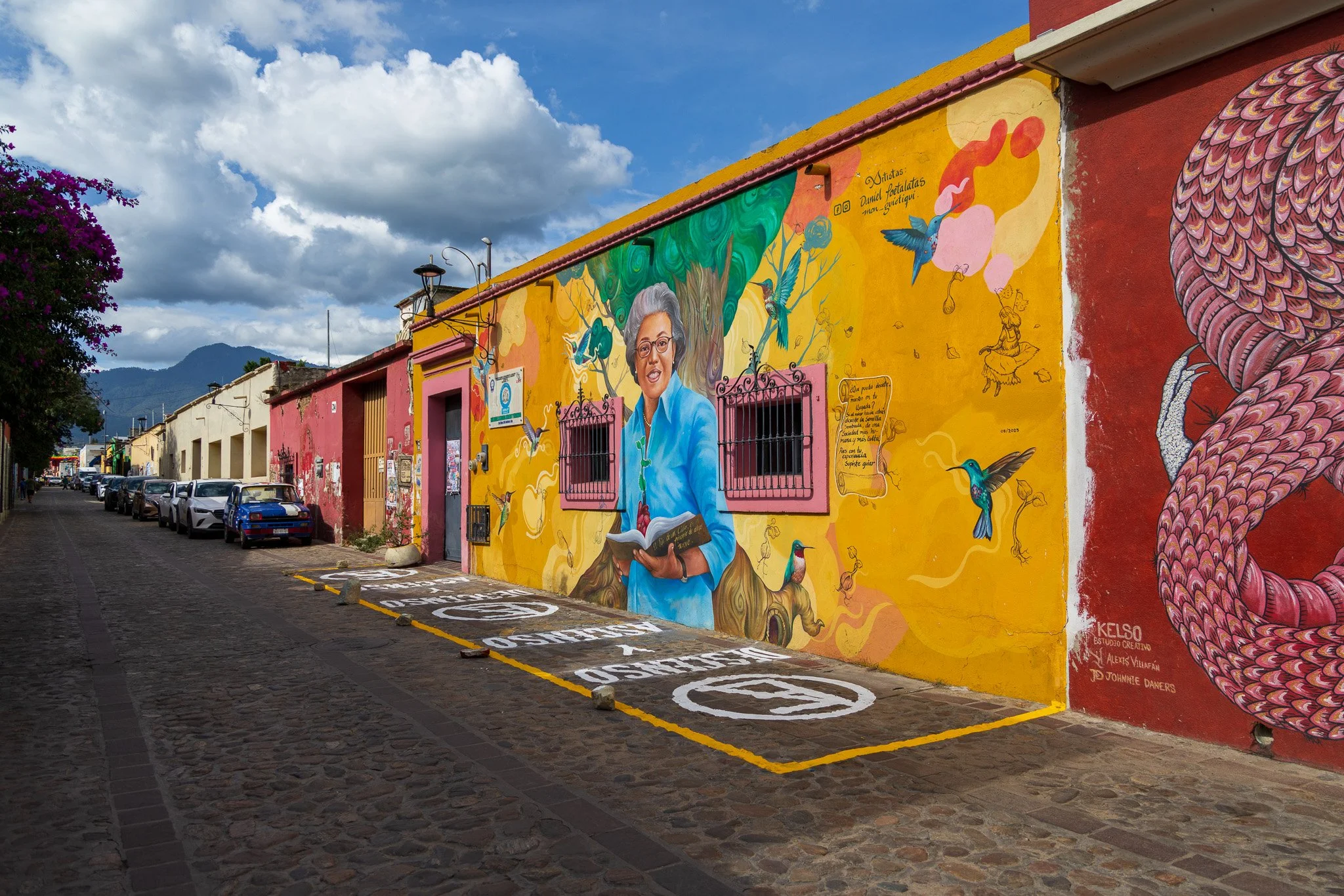 Jalatlaco, a quieter barrio with saturated colors. Photo: Vito L. Tanzi / Chasing Hippoz
Oaxaca at a glance
| Spot | Best for | Best time |
|---|---|---|
| Monte Albán | Ruins and valley views | Early morning |
| Historic churches | Architecture, golden interiors | Morning or near sunset |
| Markets | Color, food, candid portraits | Late morning |
| Main plaza | Street life, music | Evening |
| Craft villages | Traditional work, details | Morning |
When to Go
Oaxaca has memorable events through the year. July brings the Guelaguetza, a large cultural festival of dance and traditional dress that is superb for photography but needs booking months ahead. Late October and early November bring Day of the Dead, with altars, processions and decorated streets, which is also a busy period, so reserve lodging early.
The wetter months usually bring afternoon showers, which can make for dramatic skies and fewer crowds, while the drier season suits long days of walking. To compare timing with other places, browse the best places to go month by month.
What to Pack
Keep the kit simple. A versatile zoom covers streets, markets and ruins, a wide-angle suits Monte Albán and interiors, and a fast prime helps in dim churches. Bring spare batteries, a lens cloth and a light rain cover. If you are choosing equipment, these gear recommendations are a practical starting point.
Photographing People Respectfully
Oaxaca's people and traditions are the heart of the city, so photograph with care. Smile, make eye contact and ask permission for portraits, especially in markets and craft villages. Buying something from a vendor before or after a photo is a simple way to say thank you. A few words of Spanish go a long way.
Plan the light, pack light and leave time to wander. Oaxaca gives its best frames to photographers who slow down.
Frequently Asked Questions
What are the best places to photograph in Oaxaca?
Monte Albán, the historic churches, the markets, the main plaza and nearby craft villages are the strongest options, each suited to different light and subjects.
When is the best time to photograph Oaxaca?
It depends on what you want. July offers the Guelaguetza festival, late October to early November offers Day of the Dead, and the drier months suit long days of walking. Book early for any festival period.
Is Oaxaca good for street photography?
Yes. Plazas and markets are lively and photogenic, and the pace of the city makes candid photography relatively easy as long as you stay respectful.
What camera gear do I need for Oaxaca?
A versatile zoom, a wide-angle lens and a fast prime cover most situations. Add spare batteries, a lens cloth and a light rain cover.
Do I need permission to photograph people?
It is good practice to ask, especially for close portraits and during ceremonies. A friendly approach and a purchase from a vendor help build goodwill.
About this guide: Written for travelers who want to spend less time second-guessing and more time somewhere worth photographing. Follow the links in the text to go deeper on the places and techniques mentioned.