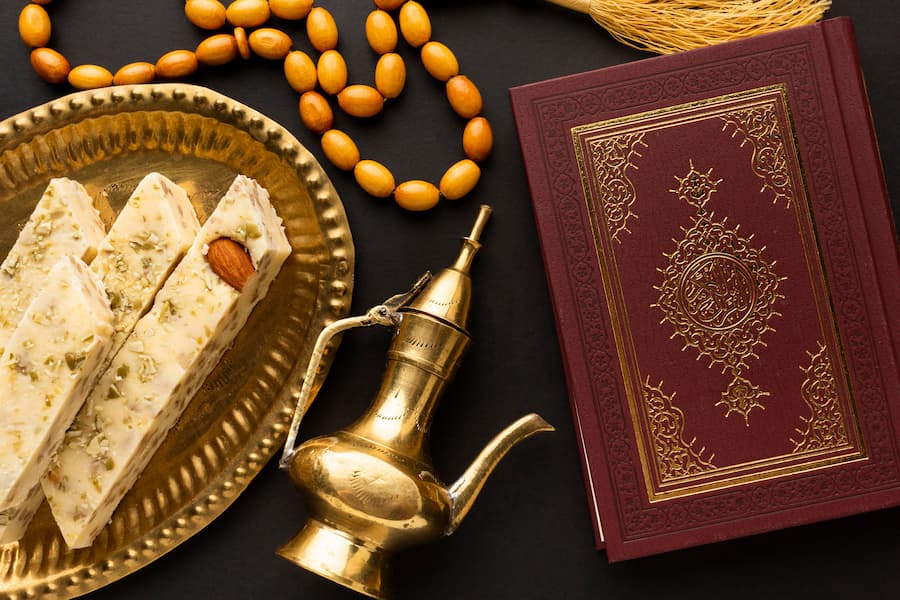
Learning about Islam is a lifelong journey. Whether you are beginning to explore Islamic teachings or already have some knowledge, reading can help you understand faith, worship, history, character, and the life of Prophet Muhammad ﷺ.
With thousands of Islamic books available, however, choosing where to begin can feel overwhelming. Some books focus on the Quran, while others explore Hadith, Seerah, Islamic history, spirituality, or everyday Muslim life.
The best approach is to build a balanced reading list based on your interests and level of understanding. Here are some areas to explore when choosing the Best Islamic Books to learn more about Islam.
Start With the Quran
The Quran is the foundation of Islamic faith, so it should be an important part of any Islamic reading journey.
Along with regular recitation, reading a reliable translation can help you understand the meanings of the verses. You can also explore books that explain Quranic themes and lessons in simple language.
Look for books that discuss topics such as faith, patience, gratitude, justice, forgiveness, worship, and accountability. These subjects are relevant to everyday life and can help you connect Quranic teachings with your own experiences.
If you are a beginner, start with accessible material rather than choosing a highly detailed academic work immediately.
Learn About the Life of Prophet Muhammad ﷺ
After developing a basic understanding of the Quran, Seerah is an excellent area to explore.
Books about the life of Prophet Muhammad ﷺ introduce readers to his childhood, prophethood, migration, relationships, leadership, struggles, and final years. More importantly, they demonstrate how Islamic values were practiced in real situations.
Seerah can teach lessons about patience, courage, mercy, forgiveness, honesty, and trust in Allah.
Choose a Seerah book that provides reliable information and presents historical events in a clear and organized way. A good introduction can later lead you toward more detailed works.
Explore Hadith
Hadith is another essential area for anyone who wants to understand Islam more deeply. Hadith literature records the sayings, actions, and practices of Prophet Muhammad ﷺ and provides important guidance for Muslim life.
Beginners can start with collections that focus on everyday matters such as manners, worship, family relationships, kindness, and personal conduct.
As your knowledge develops, you can explore more detailed Hadith collections and commentaries.
Because Hadith scholarship can be complex, it is important to choose reliable editions and books from trustworthy authors and publishers.
Read About Islamic Beliefs
Books about Islamic beliefs can help readers understand the foundations of faith. Topics may include belief in Allah, His angels, His books, His messengers, the Day of Judgment, and divine decree.
These books are especially useful for beginners who want a structured introduction to Islamic beliefs.
Look for books that explain concepts clearly and support their discussions with Quranic verses and authentic Hadith where appropriate.
A strong understanding of basic beliefs can make it easier to explore more advanced Islamic subjects later.
Discover Islamic Spirituality
Learning about Islam is not only an intellectual process. Faith also involves the heart, character, and relationship with Allah.
Books about Islamic spirituality can help readers reflect on sincerity, repentance, gratitude, patience, humility, remembrance of Allah, and trust in Him.
These books can be particularly valuable when you want to connect knowledge with personal development.
Instead of rushing through spiritual books, read slowly and consider how each lesson applies to your daily life.
Explore the Best Islamic Books Urdu Readers Can Enjoy
For Urdu-speaking readers, Best Islamic Books Urdu collections offer a valuable way to explore Islamic knowledge in a familiar language.
Urdu Islamic literature covers almost every major area of Islamic learning. Readers can find books on Quranic studies, Seerah, Hadith, Islamic history, spirituality, ethics, and contemporary issues.
Urdu translations also make many important works accessible to readers who are more comfortable studying Islamic subjects in Urdu.
When choosing an Urdu Islamic book, consider the author, publisher, references, and purpose of the book. A well-selected Urdu title can make complex concepts easier to understand and encourage a consistent reading habit.
Learn From Islamic History
Islamic history can help you understand how Muslim communities, scholars, institutions, and civilizations developed over time.
Books about the Sahabah, Muslim scholars, Islamic civilizations, and major historical events can provide valuable context. They can also introduce readers to people who made important contributions to education, science, literature, law, and Islamic scholarship.
History should not simply be about memorizing dates. Look for books that help you understand the lessons behind historical events and the choices made by individuals and communities.
Read About Islamic Character and Ethics
Islamic teachings place great importance on good character. For this reason, books about ethics and personal development deserve a place on your reading list.
You can explore topics such as honesty, patience, kindness, forgiveness, generosity, humility, and controlling anger.
These books can help you connect religious knowledge with everyday behavior. After reading about a particular quality, think about how you can practice it in your own relationships and daily routines.
A book becomes more beneficial when its lessons lead to meaningful changes in behavior.
Choose Books According to Your Reading Level
Not every Islamic book is suitable for every reader. Some books are written for beginners, while others assume prior knowledge of Arabic terminology, Hadith sciences, Islamic history, or jurisprudence.
If you are new to Islamic literature, begin with introductory books that explain concepts in simple language. Once you feel comfortable with the basics, gradually move toward more detailed works.
This approach prevents you from becoming overwhelmed and helps you build knowledge step by step.
Build a Balanced Islamic Reading List
Instead of reading only one type of Islamic book, create a balanced list. For example, you could include:
- One Quran translation or introductory Quran book
- One Seerah book
- One Hadith collection
- One book about Islamic beliefs
- One spirituality or character-building book
- One Islamic history book
- One Urdu Islamic book
- One book suitable for family or younger readers
This variety allows you to explore different dimensions of Islam while keeping your reading experience interesting.
Consider Books for Children and Families
Islamic learning can be a family activity. Parents can introduce children to age-appropriate books about Prophets, Islamic manners, Quranic stories, and the life of Prophet Muhammad ﷺ.
Teenagers may enjoy books that discuss Seerah, faith, identity, Islamic history, and character. Adults can explore more detailed works on Quran, Hadith, spirituality, and Islamic thought.
Having Islamic books at home also creates opportunities for family discussions and encourages children to develop a reading habit from an early age.
Islamic Books Can Make Meaningful Gifts
Books are also a thoughtful way to share beneficial knowledge. Islamic Gift Books can be given on occasions such as Ramadan, Eid, weddings, birthdays, graduations, or other special events.
The best gift depends on the recipient. Someone interested in history might appreciate a Seerah or Islamic history book, while someone focused on personal growth may prefer a book about spirituality or character.
You can also create a small themed collection. Combining a Quran-related book with a Seerah title or character-building book can make a meaningful gift set.
Check the Reliability of Your Sources
When learning about religion, the quality of your sources matters. Before buying or reading a book, research the author and publisher where possible.
Check whether the book provides appropriate references and whether it presents Islamic teachings responsibly. For subjects involving detailed religious rulings or differences of scholarly opinion, readers should choose reliable works and consult qualified scholars when necessary.
Popularity alone does not guarantee that a book is the right source for a particular topic.
Make Reading a Regular Habit
You do not need to read several books at once. Choose one book and give yourself enough time to understand it.
Even 10 to 20 minutes of reading each day can help you develop a consistent habit. Keep a notebook nearby and write down useful lessons, questions, or ideas you want to revisit.
You can also discuss what you learn with family and friends. Conversations can help you remember important ideas and see subjects from different perspectives.
Final Thoughts
There is no single book that can teach you everything about Islam. A meaningful Islamic reading journey develops gradually through different subjects and reliable sources.
Start with the Quran, learn about the life of Prophet Muhammad ﷺ, explore Hadith, and then expand into spirituality, Islamic history, beliefs, and character development. Choosing the Best Islamic Books for your needs will help you create a reading list that supports continuous learning.
For Urdu-speaking readers, Best Islamic Books Urdu can make valuable Islamic literature easier to understand. And when you want to share knowledge with family and friends, Islamic Gift Books can turn a special occasion into an opportunity for meaningful learning.
Most importantly, read with the intention of understanding and applying what you learn. The real value of Islamic books comes not simply from finishing them, but from allowing their beneficial lessons to shape your knowledge, character, and daily life.