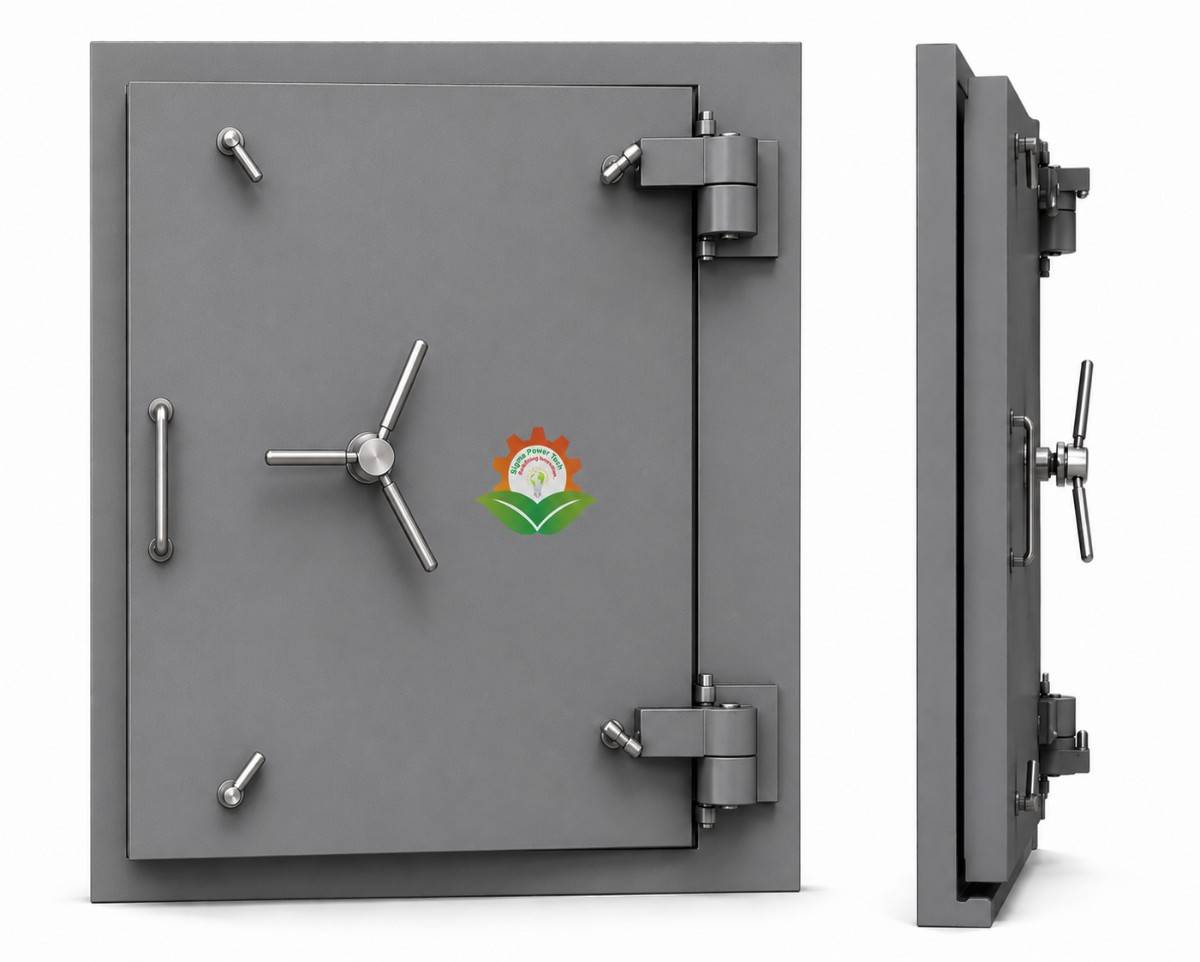
During a routine security audit at a petrochemical processing facility, engineers reviewed every protective barrier before approving the site for operation. While reinforced concrete structures and emergency systems met design requirements, the greatest attention was given to the Blast proof door protecting the control room. The inspection confirmed an important fact: surviving an explosion is not about installing the heaviest door possible, but about using a professionally engineered system capable of resisting blast pressure while remaining structurally secure. This raises a common question—are blast proof doors really explosion resistant?
The answer is yes, but only when a Blast proof door is correctly engineered, tested, certified, installed, and matched to the expected blast threat. These specialised doors are designed to resist explosive pressure waves, minimise structural damage, and protect occupants and critical equipment. However, no door offers unlimited protection, making proper engineering and blast assessment essential for long-term safety.
What is a Blast Proof Door and How Is It Engineered?
A blast proof door is a high-strength protective door designed to withstand the pressure generated by explosions without catastrophic structural failure. Unlike standard industrial security doors, it functions as part of an integrated protective system consisting of the door leaf, reinforced frame, heavy-duty hinges, multi-point locking mechanisms, anchors, seals, and surrounding structural wall.
Every blast door design begins with a detailed engineering study that evaluates the type of facility, possible explosion scenarios, stand-off distance, occupancy, and structural characteristics. These calculations determine the required blast rating, material thickness, reinforcement pattern, and frame configuration.
Rather than remaining completely rigid during an explosion, the door is engineered to absorb and distribute blast energy while maintaining its protective function.
Blast Pressure Ratings and Testing
The term "explosion resistant" should never be interpreted as indestructible. Instead, it refers to a door's ability to perform within its certified blast rating.
Professional blast resistant doors undergo structural analysis and performance testing that evaluates:
- Peak reflected pressure
- Blast impulse
- Permanent deformation
- Frame stability
- Locking system performance
- Hinge integrity
- Operational capability after blast loading
Testing is typically performed according to recognised IS/BIS requirements and internationally accepted blast engineering standards. Certification provides confidence that the door will perform under the conditions for which it was designed.
Structural Performance During an Explosion
When an explosion occurs, a high-speed pressure wave strikes the building envelope within milliseconds. The door experiences intense loading that can easily exceed the capacity of conventional steel doors.
An engineered Blast proof door manages these forces using reinforced steel plates, internal stiffeners, structural ribs, heavy-duty hinges, and high-capacity locking mechanisms. Instead of allowing uncontrolled failure, the system distributes blast loads through the frame and into the surrounding reinforced structure.
Properly designed blast resistant door systems reduce debris hazards, limit structural damage, and help preserve safe areas inside protected facilities.
Why Frame Anchoring Matters
Even the strongest blast-resistant door cannot perform correctly if the supporting frame is improperly installed.
Engineers carefully evaluate:
- Reinforced frame construction
- Structural anchor capacity
- Concrete strength
- Wall reinforcement
- Weld quality
- Installation tolerances
- Load transfer between the frame and surrounding structure
Poor anchoring can cause the entire assembly to fail despite the door itself meeting engineering specifications.
Fire Resistance and Multi-Hazard Protection
Many high-risk facilities face more than one hazard simultaneously.
Modern explosion proof doors and blast-resistant systems often combine multiple protective features, including:
- Fire resistance
- Smoke containment
- Corrosion-resistant coatings
- Airtight sealing
- Forced-entry resistance
- Weather protection
This multi-hazard approach increases operational resilience while reducing the need for separate protective systems.
Automation and Security Integration
Today's critical infrastructure relies on intelligent access management as well as structural protection.
Blast-resistant doors can integrate with:
- Biometric authentication
- RFID access control
- Building Management Systems
- Fire alarm systems
- Remote monitoring
- Emergency lockdown controls
- Automatic opening mechanisms
These technologies improve security without compromising structural performance.
Maintenance Is Essential for Reliable Performance
Even a certified blast-resistant system requires periodic maintenance.
Routine inspections should include hinges, locking systems, seals, anchors, protective coatings, frame alignment, and automation components. Preventive maintenance ensures the door continues to operate correctly throughout its service life and remains ready for emergency conditions.
Key Features of a High-Quality Blast Proof Door
Professionally engineered systems typically include:
- Reinforced structural construction
- Certified blast pressure rating
- Corrosion-resistant finishes
- Fire-resistant performance
- Airtight sealing systems
- Security-grade locking mechanisms
- Heavy-duty hinges
- Long operational lifespan
- Low maintenance requirements
- Compliance with recognised certification standards
These features work together to provide dependable protection in demanding environments.
Applications Across High-Risk Facilities
Blast-resistant doors are widely installed in facilities where explosion hazards or critical infrastructure protection is required, including:
- Defence and military installations
- Government and administrative buildings
- Embassies and consulates
- Oil & gas and petrochemical plants
- Power generation facilities
- Data centres
- Ammunition depots
- Industrial process units handling hazardous materials
Each project requires a site-specific engineering assessment to determine the appropriate blast rating.
Cost and Investment Factors
The overall blast door price depends on several technical considerations rather than simply door dimensions.
Major cost factors include:
- Required blast rating
- Door size and opening configuration
- Steel grade and plate thickness
- Frame and anchoring engineering
- Testing and certification
- Automation and locking systems
- Installation complexity
- Site-specific structural assessment
- Long-term maintenance planning
Although higher-rated systems require greater initial investment, they generally provide superior lifecycle value by improving operational safety and reducing structural risk.
Buyer's Guide: Selecting the Right Manufacturer
When comparing Blast proof door manufacturers in India, organisations should prioritise engineering capability instead of focusing only on purchase cost.
Important evaluation criteria include:
- Proven industry experience
- Blast engineering expertise
- Compliance with IS/BIS and recognised international blast standards
- Testing and certification credentials
- Customisation capability
- Precision manufacturing
- Technical support
- Professional installation services
- After-sales maintenance
- Demonstrated project reliability
A trusted Sigma Power Tech manufacturer and service provider delivers engineering, manufacturing, installation, testing, and lifecycle support for demanding infrastructure projects. Every Sigma Power Tech blast door is developed according to project-specific blast assessments rather than standard catalogue dimensions.
Common Mistakes to Avoid
Many procurement challenges arise from avoidable mistakes, including:
- Selecting doors based only on price
- Ignoring detailed blast pressure assessments
- Incorrect frame and wall integration
- Underestimating fire or corrosion exposure
- Failing to verify certification
- Skipping preventive maintenance
- Overlooking future automation and security upgrades
Avoiding these issues significantly improves long-term structural performance.
Conclusion
So, are Blast proof doors really explosion resistant? Yes—but only within their engineered blast rating and when supported by certified design, professional installation, and proper maintenance. True protection depends on much more than heavy steel construction. The correct blast rating, reinforced frame integration, verified testing, and ongoing maintenance determine whether a door performs during a real explosion. Rather than making decisions based solely on blast door price, organisations should invest in certified engineering, proven manufacturing quality, and reliable blast resistant door systems that provide long-term structural resilience and dependable protection for critical infrastructure.