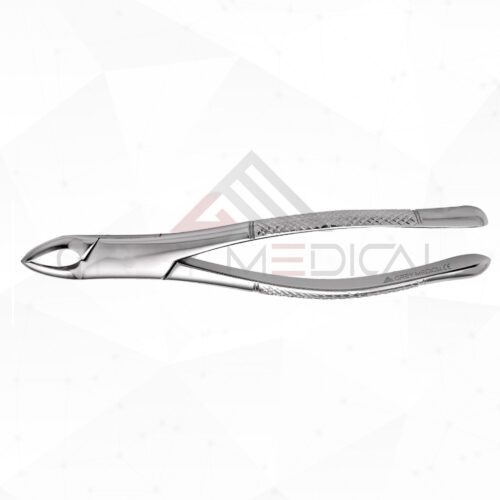
A tooth extractor tool plays an important role in dental procedures that require tooth removal. Dentists use specialized extraction instruments to loosen, grasp, and remove teeth safely and efficiently. The tooth extractor tool helps provide better control during extraction while supporting patient comfort and minimizing unnecessary trauma to surrounding tissues.
Dental professionals must select an appropriate tooth extractor tool according to the tooth's location, shape, condition, and root anatomy. Understanding these instruments can help dental practitioners choose the right equipment for different clinical situations.

What Is a Tooth Extractor Tool?
A tooth extractor tool refers to a specialized dental instrument designed to assist dentists during tooth extraction procedures. Dental extraction may require controlled force to remove a tooth from its socket, particularly when the tooth has damaged, decayed, or compromised structures.
Extraction instruments come in different shapes and configurations. Each design serves a particular purpose and provides access to specific areas of the mouth. Dentists may use extraction forceps, elevators, and other supporting instruments depending on the complexity of the procedure.
A well-designed instrument gives the dentist a secure grip and precise control. This control helps the practitioner work efficiently while reducing unnecessary pressure on surrounding oral structures.
Common Types of Tooth Extraction Instruments
Dentists use several types of instruments during tooth extraction. Dental extraction forceps represent one of the most common categories. Their beaks fit around the crown or remaining tooth structure, allowing the dentist to apply controlled movements during removal.
Dental elevators provide another important option. Dentists use elevators to loosen teeth and roots before or during extraction. Their design allows practitioners to apply leverage carefully and create space around the tooth.
Specialized forceps can also accommodate different teeth. For example, instruments designed for anterior teeth may differ from those used for molars because tooth shape and accessibility vary throughout the mouth.
How Does a Tooth Extractor Tool Work?
The extraction process depends on the instrument and clinical situation. Before using an extraction tool, the dentist evaluates the tooth and surrounding structures. After administering appropriate anesthesia, the practitioner positions the instrument securely around the tooth or uses an elevator to loosen it.
With forceps, the dentist generally uses controlled movements to expand the socket and separate the tooth from its supporting structures. The practitioner must avoid excessive or uncontrolled force because surrounding tissues and bone require careful protection.
The instrument's design supports this controlled approach. Properly sized handles, accurately formed working ends, and a secure grip can improve handling and precision throughout the procedure.
Key Features of a Quality Tooth Extractor Tool
A quality tooth extractor tool should combine strength, precision, durability, and ergonomic handling. Dental professionals rely on instruments that can withstand repeated clinical use without compromising performance.
Important features include:
- High-quality construction: Durable materials support long-term clinical use.
- Precise working ends: Properly shaped beaks or tips help provide a secure grip.
- Ergonomic handles: Comfortable handling can improve control during procedures.
- Reliable performance: Consistent manufacturing supports predictable instrument function.
- Corrosion resistance: Suitable stainless-steel construction can help maintain instrument quality when properly cleaned and sterilized.
- Easy maintenance: Smooth surfaces and appropriate finishes can simplify cleaning and sterilization.
These characteristics make an extraction instrument more practical for demanding dental environments.
Why Proper Instrument Selection Matters
Choosing the right dental instrument can significantly influence the efficiency of a dental extraction. Different teeth present different anatomical challenges. A tool that works effectively for one tooth may not provide the same level of control for another.
Dentists should consider factors such as tooth position, crown condition, root configuration, accessibility, and the planned extraction technique. Selecting the appropriate instrument allows the practitioner to maintain better control and apply force more precisely.
Proper instrument selection also supports an organized workflow. When dental professionals have suitable extraction instruments readily available, they can approach procedures with greater confidence and efficiency.
Care and Maintenance of Tooth Extraction Tools
Dental extraction instruments require proper care to maintain their performance and longevity. After each procedure, professionals should follow established cleaning, disinfection, inspection, packaging, and sterilization protocols appropriate for the instrument and clinical setting.
Dental teams should inspect instruments regularly for damage, corrosion, misalignment, or other signs of wear. A damaged instrument may affect handling and should be evaluated before further clinical use.
Proper maintenance also protects the investment made in professional dental instruments. Following the manufacturer's instructions and established infection-control procedures helps preserve instrument quality over time.
Choosing the Right Tooth Extractor Tool
Dental professionals should select extraction instruments based on clinical requirements rather than relying on a single general-purpose design. A comprehensive dental instrument collection can include different forceps and elevators to accommodate a variety of extraction situations.
When evaluating an instrument, consider its material, design, working-end shape, handle comfort, durability, and compatibility with your clinical workflow. High-quality manufacturing can also contribute to consistent handling and dependable performance.
Grey Medical® and Dental Instrument Excellence
Grey Medical® is a privately owned medical technology company dedicated to innovation and excellence in the craft of surgical instruments. Its commitment to quality and precision reflects the importance of dependable instrumentation in professional healthcare environments.
For dental professionals, selecting well-designed extraction instruments can support efficient procedures and better instrument control. A reliable tooth extractor tool should combine practical design with durable construction to meet the demands of modern dental practice.
Conclusion
A tooth extractor tool provides essential support during dental extraction procedures. From extraction forceps to elevators, each instrument serves a specific purpose and helps dentists manage different clinical requirements.
Choosing the appropriate instrument, using controlled technique, and following proper cleaning and sterilization procedures can help maintain instrument performance and support an efficient dental workflow. For dental professionals seeking dependable instrumentation, quality, precision, ergonomic design, and durability should remain key considerations when selecting extraction tools.