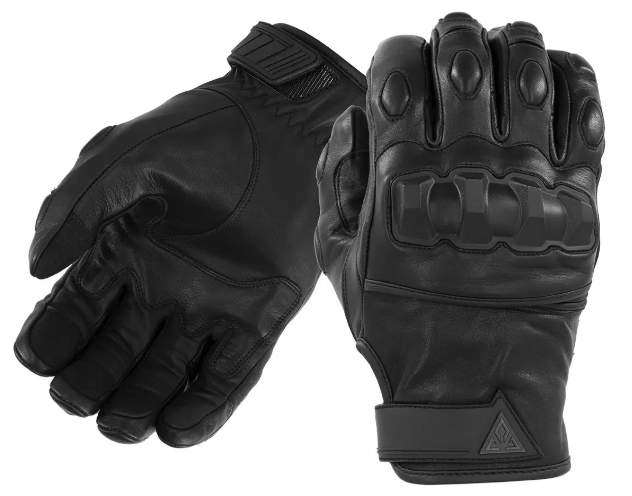
Tactical gloves are among the most demanding pieces of equipment a manufacturer can produce. They have to protect hands from abrasion, impact, heat, and cuts while still allowing the fine motor control needed to handle a weapon, a radio, or a set of keys. Whether you are a brand preparing to launch a glove line or a department outfitting officers and operators, the manufacturer you pick determines the quality, consistency, and reputation of everything that follows.
Finding the best tactical gloves manufacturer is less about the lowest quote and more about confirming that a supplier can deliver performance, reliability, and support over the long term.
1. Define Your Requirements Before You Start Searching:
The most common mistake buyers make is contacting manufacturers before they know precisely what they need. Begin by defining the intended use of the gloves. A patrol officer, a tactical entry team, a military unit, and a recreational shooter each need different things. Some users prioritize dexterity and trigger feel, others want knuckle protection and cut resistance, and others need insulation for cold weather or flame resistance for hazardous environments.
Once the use case is clear, decide on your target quantities, budget range, delivery timeline, and whether you need an existing catalog design or a fully custom product. Having these details written down lets you compare manufacturers on equal terms and makes it far easier for a supplier to give you an accurate quotation. The best tactical gloves manufacturer will also ask you thoughtful questions about these points, which is itself a sign of experience.
2. Evaluate Material Quality and Construction Expertise:
Materials are the foundation of glove performance, so a serious manufacturer should be able to explain exactly what goes into each product and why. Look for a supplier that works with proven materials such as full-grain or goatskin leather, high-quality synthetic leather, Kevlar and other aramid fibers for cut resistance, breathable stretch fabrics for the back of the hand, and durable hard or soft protective inserts for the knuckles.
Construction matters just as much as materials. Reinforced stitching at stress points, well-designed finger gussets, secure closures, and consistent pattern cutting all affect how long a glove lasts under hard use. Ask for samples and examine them closely. Check the seams, flex the fingers, test the closures, and wear them while handling the equipment your users rely on. A manufacturer confident in its craftsmanship will welcome that scrutiny.
3. Verify Certifications and Testing Standards:
For law enforcement, military, and industrial customers, performance claims need to be backed by recognized testing. Ask the manufacturer which standards its gloves are tested against, such as ANSI/ISEA cut-resistance ratings, EN 388 for mechanical risks, or flame-resistance standards where relevant. Request test reports or certificates rather than relying on marketing statements.
Beyond product testing, look at the manufacturer’s quality management practices. Certifications such as ISO 9001 indicate that the factory follows documented, repeatable processes. For buyers who supply government agencies, it is also worth confirming that the manufacturer understands procurement requirements, including labeling, documentation, and any material restrictions that may apply to your contracts.
4. Assess Customization and Private-Label Capabilities:
If you are building a brand, the ability to customize is often what separates an adequate supplier from the best tactical gloves manufacturer for your needs. Find out whether the factory offers in-house design support, pattern development, and prototyping, and how many revisions are included before production begins. Ask about branding options such as embroidered or printed logos, custom color palettes, and tailored packaging.
Departments have their own customization needs, including specific color requirements, sizing runs that cover the full range of officers, and features designed around particular duty equipment. A flexible manufacturer will help translate those requirements into a workable specification instead of pushing you toward whatever is already on the shelf.
5. Examine Production Capacity and Reliability:
A manufacturer can make excellent samples and still fail you at scale. Ask about monthly production capacity, typical lead times, and how the factory handles sudden increases in demand. A reliable supplier should be able to describe its production workflow, from cutting and sewing to inspection and packing, and explain where quality checks take place along the way.
Consistency between the first batch and the tenth is what protects your reputation. Ask how the manufacturer controls variation in sizing and materials, whether it performs inline and final inspections, and how it deals with defective units. If possible, visit the facility or arrange a video tour. Seeing the working environment, equipment, and workforce gives you a much clearer picture than any brochure.
6. Review Sizing, Fit, and Ergonomics:
Gloves that do not fit properly are a safety problem, not just a comfort issue. Loose gloves reduce control, and tight gloves restrict circulation and tire the hand. The best tactical gloves manufacturer invests in accurate sizing charts, well-researched hand patterns, and ergonomic features such as pre-curved fingers and flexible palm construction.
Ask whether the manufacturer offers a wide size range, including extra small and extra large, and whether women’s and narrow-fit options are available. Departments in particular should take fit seriously, since a single sizing standard rarely suits an entire team. Fit trials with a representative group of end users can reveal problems that are easy to fix before a large order is produced.
7. Compare Pricing in Terms of Total Value:
Price is always part of the decision, but the lowest quote can become the most expensive choice if the gloves wear out quickly, fail in the field, or arrive late. When comparing offers, look at the full picture, including minimum order quantities, unit pricing at different volumes, sampling costs, shipping, duties, and payment terms.
Think in terms of cost per month of useful service rather than cost per pair. A slightly higher price from a manufacturer with better materials and tighter quality control often delivers a lower real cost, fewer replacements, and fewer complaints from the people wearing the product. Be cautious of quotes that are dramatically below the rest, since they usually signal compromises in materials or workmanship.
8. Judge Communication, Transparency, and After-Sales Support:
How a manufacturer communicates before you place an order is a reliable preview of how it will behave afterward. Pay attention to response times, the clarity of answers, and willingness to share information openly. A professional supplier provides clear timelines, written specifications, and honest advice, even when that advice means telling you something you would rather not hear.
After-sales support matters as well. Ask about warranty terms, how defects and returns are handled, and whether the manufacturer will work with you to improve the product based on feedback from the field. Long-term partnerships are built on this kind of responsiveness, and the best tactical gloves manufacturer treats each order as the start of a relationship rather than a one-time transaction.
9. Check References, Reputation, and Track Record:
Finally, verify what the manufacturer says about itself. Ask for references from existing clients, ideally in your own sector, and take the time to contact them. Look at how long the company has been in business, what markets it serves, and whether it has experience exporting to your region. Online reviews, trade show presence, and industry reputation can add useful context, though direct conversations with past customers are the most valuable source.
Start with a small trial order before committing to large volumes. A pilot run lets you evaluate real-world quality, packaging, delivery performance, and communication under actual working conditions, and it limits your risk if something does not meet expectations.
10. Make Your Final Decision with Confidence:
Choosing a manufacturer is a strategic decision that affects your product quality, your customers or personnel, and your reputation. By defining your requirements clearly, examining materials and construction, verifying certifications, testing samples, and evaluating capacity, communication, and track record, you can compare suppliers on the factors that truly matter. The best tactical gloves manufacturer is the one that combines proven quality, dependable production, flexible customization, and honest partnership. Invest the time in careful evaluation now, and you will be rewarded with gloves that perform in the field and a supply relationship you can rely on for years.