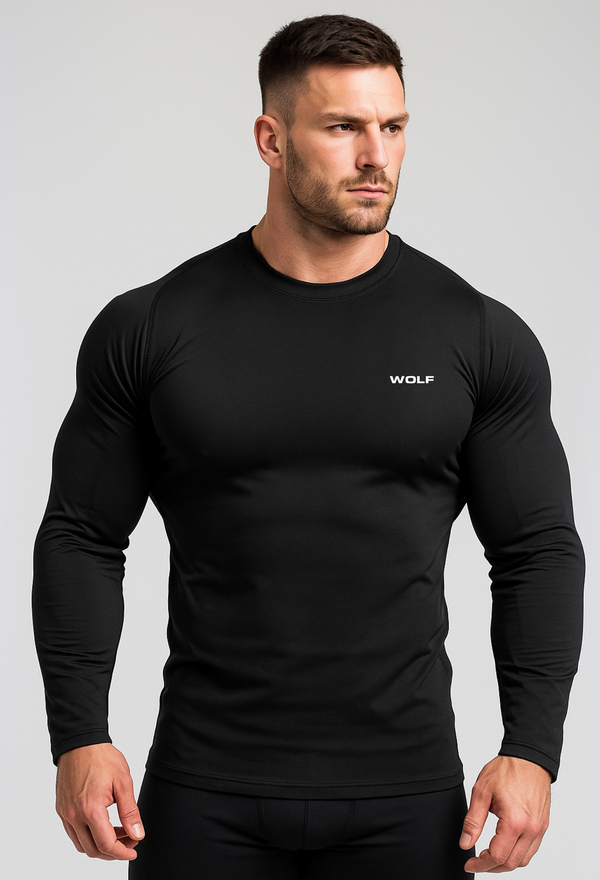
Walk through any gym, track, or locker room and you will notice the same thing: athletes at every level are wearing snug, second-skin tops under their gear. This is no passing trend. Performance Compression Shirts have become a staple of modern training because they solve real problems that athletes face every day, from sweat and chafing to muscle fatigue and temperature control.
This article explains what makes these shirts so valuable, what the research actually says, and how they can help you train and recover more comfortably.
1. What Makes Compression Wear Different:
A compression shirt is built from stretchy, moisture-wicking fabric, usually a blend of polyester or nylon with spandex. Instead of hanging loosely like a cotton tee, it hugs your torso, shoulders, and arms with gentle, even pressure. That constant contact is what separates it from ordinary athletic wear, and it is the source of most of its benefits.
2. Targeted Muscle Support:
During intense movement, large muscles vibrate and shift with every stride, jump, or swing. A compression shirt holds muscle tissue closer to the body, which can reduce that vibration and make movement feel more stable. Many athletes describe a feeling of being "held together," especially during long sessions when fatigue builds. This sense of support can help you stay focused on technique rather than on discomfort.
3. Better Moisture Management:
Sweat is one of the biggest obstacles to comfort during training. Performance Compression Shirts pull moisture away from the skin and spread it across the fabric surface, where it evaporates quickly. The result is a drier, lighter feel compared with cotton, which soaks up sweat and turns heavy. Staying dry also helps your body regulate its temperature more efficiently.
4. Temperature Control in Any Climate:
The right compression shirt works in both hot and cold conditions. In warm weather, a lightweight, breathable shirt helps sweat evaporate and keeps you cooler. In cold weather, a long-sleeve compression top works as a base layer that traps a thin layer of warmth against the skin without adding bulk. This versatility lets athletes train outdoors all year round with greater comfort.
5. Reduced Chafing and Irritation:
Repetitive motion rubs skin against skin and against clothing, and that friction leads to painful chafing. The snug fit and flatlock or seamless stitching used in quality compression shirts keep the fabric from sliding around. Runners, cyclists, swimmers, and lifters all benefit, because there is far less rubbing under the arms, across the shoulders, and along the sides of the torso.
6. Support for Recovery:
Many athletes wear compression after a hard session, and a lot of them report that their muscles feel less sore and heavy. Researchers have found that compression garments may modestly reduce perceived muscle soreness in the day or two after intense exercise. The evidence is mixed, however, and the effect on measurable performance is small. It is best to treat compression as a comfort and recovery aid rather than a guaranteed shortcut to faster results.
7. Improved Body Awareness and Confidence:
Compression gives constant, gentle feedback about where your body is in space. Some athletes find that this improves posture awareness and body control, particularly in sports that demand precise movement. Feeling secure and comfortable in your gear also carries a mental benefit. When you are not thinking about a flapping shirt or a clammy fabric, it is easier to concentrate on your performance.
8. Who Benefits Most:
Runners and cyclists enjoy the protection and moisture control over long distances, while weightlifters and CrossFit athletes appreciate a durable, stay-put layer that moves with them. Team-sport players such as footballers, basketball players, and soccer players use compression as a base layer under jerseys and pads. Even casual gym-goers and yoga practitioners benefit from the comfort and flexibility. Whatever your sport, there is a style and compression level that suits it.
9. Setting Realistic Expectations:
Performance Compression Shirts are helpful tools, but they are not magic. Research shows that they will not suddenly make you faster or stronger, and results vary from person to person. What they do reliably offer is comfort, moisture control, chafe protection, and a supportive feel. If a shirt is so tight that it restricts your breathing or causes numbness, it is the wrong size or the wrong compression level, and you should switch to something more suitable.
10. Tips for Getting the Most Out of Your Shirt:
Start by choosing the right size and compression level for your sport, and make sure the fabric is moisture-wicking rather than cotton-based. Look for quality stitching, ventilation panels, and a sleeve style that fits your climate. Then care for the shirt properly by washing it in cold water, skipping fabric softener, and air drying it, so the fabric keeps its stretch and support for longer.
11. Final Thoughts:
Performance Compression Shirts earn their reputation by combining support, dryness, temperature control, and comfort in a single layer. They may not transform your abilities overnight, but they remove many of the small frustrations that get in the way of a great workout. For athletes who want to train comfortably and recover well, a quality compression shirt is one of the smartest pieces of gear to own.