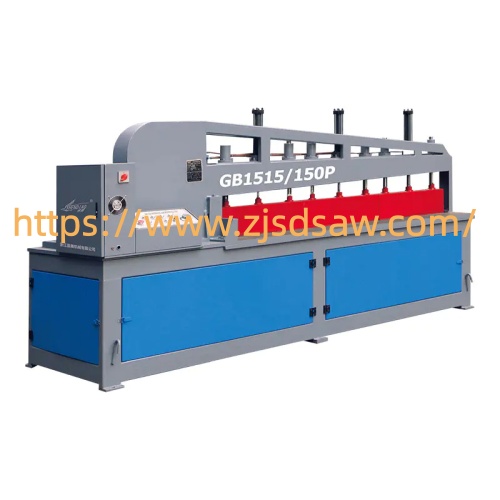
Semi-Automatic Metal Cutting Band Saw Machine selection requires buyers to assess production needs, material specifications, operating procedures, and long term maintenance requirements. For manufacturers, purchasing suitable equipment involves more than comparing prices or advertised cutting rates. The right configuration should match the workpieces being processed, the expected production volume, the available floor space, and the skills of the operators who will use it. Careful evaluation before purchase can help reduce avoidable costs and make installation planning easier.
One of the first factors to check is cutting capacity. Buyers should identify the dimensions and shapes of materials commonly handled, including solid bars, pipes, and structural profiles. The machine specifications should clearly state the permitted cutting range and any limitations associated with different workpiece shapes. Businesses planning to accept new orders should also consider whether future materials may exceed their current requirements. Selecting a suitable capacity from the beginning can help avoid workflow restrictions when production demands change.
The operating system deserves close attention. Semi-automatic equipment can reduce repetitive manual actions by handling selected stages of the cutting cycle, depending on its configuration. Buyers should ask which functions are automated, which adjustments remain manual, and how operators control the process. Understanding these details helps determine whether the machine matches the actual workflow. A workshop processing repeated batches may have different requirements from a facility that frequently switches between material sizes and custom orders.
Clamping and feeding arrangements also influence practical performance. Workpieces need to remain secure throughout the cutting process, while the feeding system should accommodate the materials and production quantities involved. Buyers should inspect how materials are loaded, positioned, and removed after cutting. They should also ask whether additional supports or accessories are available for long stock. Appropriate workpiece handling can reduce unnecessary repositioning and help operators maintain an orderly working area.
Blade compatibility is another important purchasing consideration. Different materials and cross sections may require different blade specifications and cutting parameters. Before confirming an order, buyers should check the supported blade dimensions, replacement procedure, and availability of compatible consumables. They should also review the recommended operating conditions for the materials they intend to process. Following suitable blade selection and maintenance practices can help manage wear, cutting quality, and production interruptions.
Safety provisions should be assessed before installation. Buyers can review protective covers, emergency stop controls, workpiece securing methods, and access to operating controls. The equipment should be suitable for the workshop environment and used according to its operating manual. It is also important to consider operator training, installation requirements, and the space needed for loading materials and performing maintenance. A practical layout allows workers to complete routine tasks while keeping the surrounding work area organized.
Maintenance access can influence ongoing operating costs. Buyers should ask how frequently routine inspections are recommended and whether key components are easy to reach for cleaning or servicing. The availability of replacement parts, technical assistance, and clear maintenance instructions should also be included in the evaluation. A supplier that can explain service arrangements and component requirements gives purchasing teams useful information for planning future expenses. These details are worth reviewing alongside the initial equipment price.
Accuracy and repeatability should be evaluated against the requirements of the finished workpieces. Manufacturers may need consistent cut lengths for assembly, fabrication, or subsequent machining. Buyers should ask about available length stops, adjustment methods, cutting tolerances, and the conditions under which specified performance is measured. Where possible, they can discuss representative materials and intended applications with the supplier. This helps ensure that the proposed configuration is appropriate for the actual job rather than relying on general specifications alone.
Energy requirements, installation space, and operator workload should also be considered. The machine needs to fit the workshop layout and the available electrical supply. Buyers should account for space required to store incoming materials, position long workpieces, collect finished pieces, and carry out servicing. They can also estimate the expected workload to determine whether the proposed operating arrangement suits the production schedule. Reviewing these practical details before delivery can simplify installation and reduce disruptions during commissioning.
Chendiao offers metal cutting equipment options for manufacturers comparing machinery for different production requirements. Buyers can assess available configurations, review technical details, and discuss application needs before making a decision. Visit https://www.zjsdsaw.com/product/ to view product options and evaluate which specifications suit your workshop. By comparing cutting capacity, operating functions, blade compatibility, safety provisions, and service support, businesses can make a more informed equipment investment that fits their production plans.