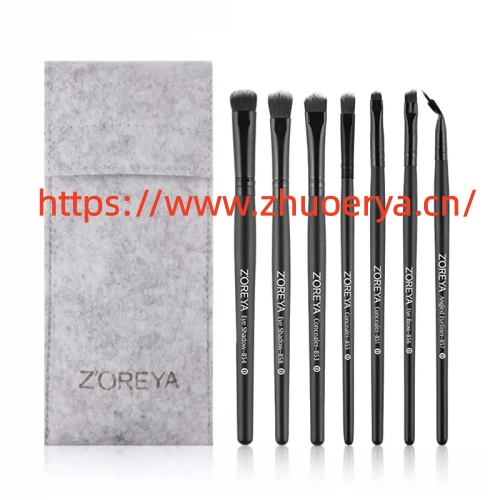
Custom Logo Makeup Brushes can help beauty businesses develop a recognizable product identity while responding to customer preferences for coordinated cosmetic accessories. From independent beauty labels to established retailers and wholesale distributors, companies are paying attention to product presentation, brand consistency, and practical design when planning new collections. Personalized details can turn an everyday cosmetic tool into a product that fits a wider brand concept. For manufacturers and buyers, the key is to balance visual identity with usability, production requirements, and the expectations of the intended market.
One reason personalized collections attract business interest is the opportunity to create a consistent appearance across different products. A beauty company may use coordinated handle colors, logo placement, ferrule finishes, and packaging to connect its cosmetic accessories with its wider product range. These visual details can support brand recognition across online listings, retail displays, promotional campaigns, and gift collections. Before selecting a design, businesses should identify the colors, materials, and overall style that suit their existing identity. Consistency across the collection can make product presentation easier to manage.
Another consideration is the ability to tailor products to different customer groups. Some buyers prefer compact configurations for everyday routines and travel, while others may want a wider selection of applicators for detailed makeup techniques. A collection designed for gift shops may require different packaging from one intended for professional beauty retailers. Businesses can evaluate brush shapes, handle lengths, fiber types, and included accessories according to their target audience. This approach helps purchasing teams select a suitable product combination instead of adding items that do not serve a clear purpose.
Material selection remains important even when appearance is a major part of the project. Fiber softness, density, flexibility, and shape retention can influence how a brush applies cosmetic formulas. Synthetic fibers are commonly used for liquid, cream, and powder products, although the suitability of a particular design depends on its construction and intended application. Buyers should request samples and test them under normal conditions before approving a production order. They can assess comfort, product distribution, cleaning requirements, and the attachment between the fibers and the handle. These checks provide practical information for evaluating the finished design.
Logo application also deserves attention during product development. Depending on the handle material and desired appearance, manufacturers may offer printing, engraving, or other suitable branding methods. Each option can create a different visual effect, so businesses should compare durability, legibility, placement, and cost. A logo should remain clear without interfering with the grip or overall design. Buyers should provide accurate artwork files, confirm logo dimensions, and review a sample before production begins. Clear approval procedures can reduce avoidable changes and help maintain consistency across the order.
Packaging can support the same identity established by the product design. A coordinated pouch, storage case, paper box, or gift package may suit different sales channels and customer expectations. Online sellers should consider how packaging protects the contents during shipping, while physical retailers may prioritize shelf presentation and convenient storage. Businesses should also review packaging dimensions, material costs, printing requirements, and environmental considerations. A practical package can complement the visual design while helping the product fit its intended commercial setting.
For wholesale and private label buyers, manufacturing communication is another important part of the process. Before placing an order, businesses should confirm minimum quantities, sample procedures, production schedules, inspection criteria, and customization limits. Written specifications should cover the approved colors, materials, dimensions, logo position, and packaging details. Buyers should also ask how design revisions are managed and how finished products are checked against the approved sample. These discussions help both sides establish clear expectations and support smoother coordination during production.
Z'OREYA provides cosmetic brush products and customization options for businesses developing branded beauty collections. Companies planning a new range can prepare a brief outlining their target customers, intended sales channels, preferred appearance, functional requirements, and expected order quantities. With these details available, discussions about design and packaging can be more focused. Reviewing available configurations and assessing samples also helps buyers make decisions based on practical requirements rather than appearance alone.
Personalized cosmetic accessories can support a business identity when design choices reflect a clear audience and a consistent product concept. Buyers who evaluate materials, branding methods, packaging, and production arrangements before confirming an order can make more informed sourcing decisions. Whether preparing a new retail launch, refreshing an existing assortment, or developing a gift collection, a coordinated approach can connect product presentation with business goals. To review available products and discuss customization possibilities, visit https://www.zhuoerya.cn/